
Leave Your Message
What is the maintenance cost of a servo manipulator?
What is the maintenance cost of a Servo Manipulator?
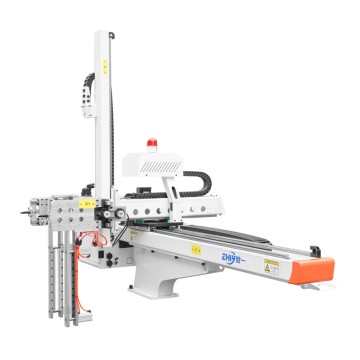
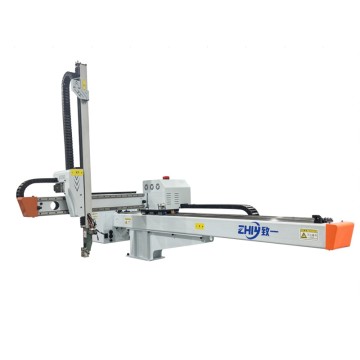
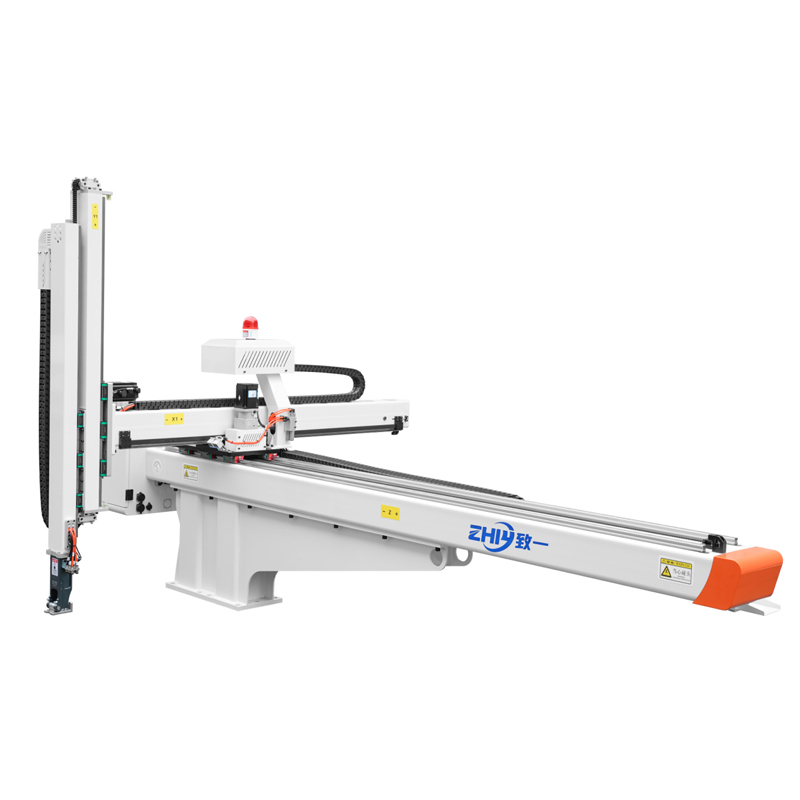
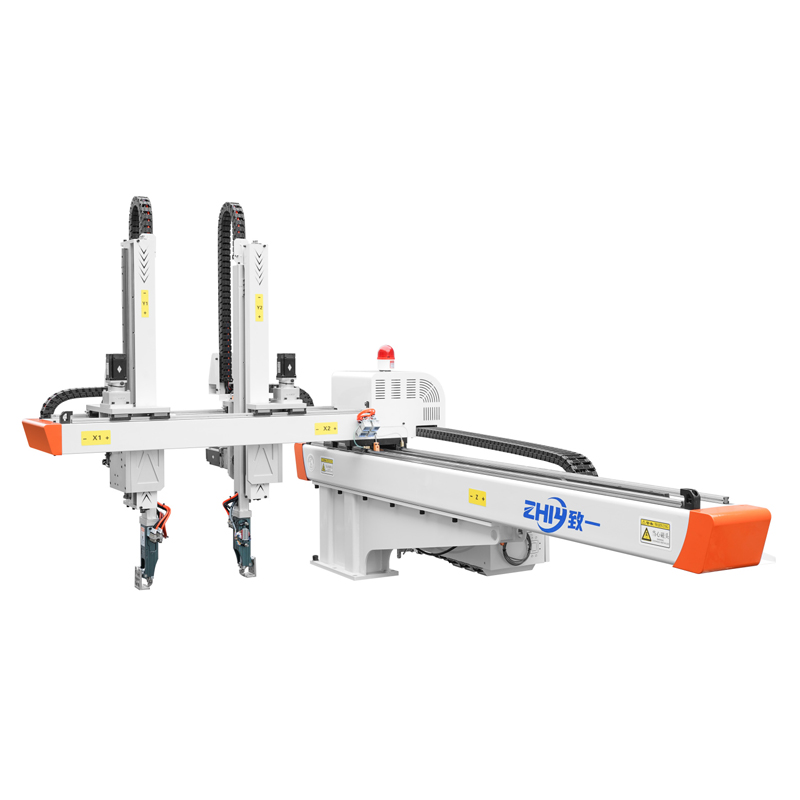
In the wave of automated production, servo manipulators have become a powerful assistant for many manufacturers to improve efficiency and quality with their high precision, high speed and high stability. For international wholesale buyers, it is crucial to understand the maintenance cost of servo manipulators, which is not only related to the control of production costs, but also affects the stability of production efficiency and product quality. This article will explore in depth the maintenance cost structure of servo manipulators and how to effectively reduce these costs.
The composition of the maintenance cost of servo manipulators
Daily maintenance cost: This is the basic cost to maintain the normal operation of the servo manipulator. It includes regular cleaning of the surface and internal components of the manipulator to prevent dust, oil and other impurities from affecting its operating accuracy and life. For example, using compressed air to blow away dust, or wiping key components with a soft cloth, these operations may seem simple, but they require a certain amount of time and manpower costs. At the same time, regularly check and lubricate moving parts such as guide rails and screws, and add appropriate lubricating oil or grease to reduce wear, which will also incur certain material costs.
Replacement cost of wearing parts: During the long-term operation of the servo manipulator, some wearing parts need to be replaced regularly. For example, seals are prone to wear and aging due to frequent contact with moving parts. Once damaged, they may cause oil leakage, air leakage and other problems, affecting the performance of the manipulator. The cost of replacing seals is relatively frequent and fixed. Another example is the filter, which can filter out impurities in the hydraulic system or lubrication system to ensure the cleanliness of the oil, but it also needs to be replaced after a period of use to ensure the filtering effect.
Maintenance cost of electrical components: servo motors, drivers, controllers and other electrical components are the core components of servo manipulators. Their stability and reliability directly affect the operation of the manipulator. Although these electrical components usually have high quality and service life, they may also fail or degrade in performance during long-term use. For example, the servo motor may cause winding damage due to overload, overheating and other reasons, and need to be repaired or replaced; the electronic components of the driver and controller may be subject to electromagnetic interference or damage, affecting their control accuracy and function. The cost of repairing or replacing these electrical components is relatively high.
Maintenance cost of mechanical components: The mechanical structural components of the manipulator, such as arms, joint bearings, gears, etc., are subject to greater mechanical stress and wear. After long-term operation, problems such as looseness, deformation, and wear may occur, which require repair or replacement. For example, the wear of the joint bearing may cause the robot's motion accuracy to decrease, or even jamming, and new joint bearings need to be replaced; the wear of the gears may affect the transmission accuracy and power transmission, and also need to be repaired or replaced in time.
Fault repair cost: In addition to the above-mentioned regular maintenance and replacement of wearing parts, the servo manipulator may also suddenly have various faults, such as control system failure, mechanical jamming, servo motor loss of step, etc. The repair of these faults requires professional technicians to diagnose and repair, which may involve complex testing equipment and repair processes, so it will incur high repair costs. Moreover, fault repair often leads to production interruptions and indirectly causes production losses, which is also one of the cost factors that need to be considered.
Calibration and debugging costs: In order to ensure the motion accuracy and working performance of the servo manipulator, it needs to be calibrated and debugged regularly. This usually requires the use of professional calibration tools and equipment, and must be operated by trained professionals. The calibration and debugging process may take a certain amount of time and effort, and may also incur some expenses, such as the purchase or rental costs of calibration tools, the service costs of professionals, etc.
Preventive maintenance cost: Preventive maintenance is a series of measures taken to avoid failures, including regular inspections, tests, and evaluations. Through preventive maintenance, potential problems can be discovered in advance and dealt with in a timely manner, thereby avoiding failures and reducing maintenance costs and downtime. The cost of preventive maintenance mainly includes personnel costs for regular inspections, equipment inspection costs, and the implementation costs of some preventive measures.
Factors affecting the maintenance cost of servo manipulators
Equipment quality and brand: High-quality, well-known brand servo manipulators usually use better materials and advanced manufacturing processes, with relatively high reliability and stability, and longer service life of wearing parts, which can reduce maintenance costs in long-term use. Some low-quality servo manipulators may be more prone to failures and require more frequent repairs and replacement of parts, resulting in increased maintenance costs.
Working environment: Harsh working environments, such as high temperature, high humidity, dust, corrosive gases, etc., will accelerate the wear and aging of servo manipulator components and increase maintenance costs. For example, in an environment with corrosive gases, metal parts are prone to rust and corrosion, and more frequent anti-rust treatment and replacement of damaged parts are required; in a dusty environment, dust will enter the inside of the manipulator, affecting its motion accuracy and heat dissipation of electrical components, and sealing measures and cleaning work need to be strengthened.
Frequency and intensity of use: If the servo manipulator is operated for a long time with high intensity and high frequency, the wear and fatigue of its parts will be higher, and more frequent maintenance and replacement of wearing parts will be required. On the contrary, reasonable arrangement of production tasks and avoidance of overuse can make the manipulator operate in a better state, extend the service life of parts, and reduce maintenance costs.
Level of operation and maintenance personnel: Professional operation and maintenance personnel can operate the servo manipulator correctly, follow the operating procedures and maintenance requirements of the equipment, and avoid failures and damage caused by misoperation. At the same time, they can also promptly detect and deal with potential problems of the equipment, and perform effective preventive maintenance, thereby reducing maintenance costs. Inexperienced or unprofessional personnel may cause unnecessary damage to the equipment during operation and maintenance, increasing maintenance costs.
Maintenance plan and management level: Formulating a reasonable maintenance plan and strictly implementing it can ensure that the servo manipulator is maintained in a timely and effective manner to avoid the occurrence and expansion of faults. A good maintenance management level can optimize the allocation of maintenance resources, improve maintenance efficiency, and reduce maintenance costs. If the maintenance plan is not perfect or not implemented in place, it may lead to untimely or excessive maintenance of equipment, increasing unnecessary costs.
Strategies to reduce the maintenance cost of servo manipulators
Choose high-quality equipment and accessories: Although the initial investment of high-quality servo manipulators and accessories may be high, in the long run, they can provide higher reliability and longer service life, reduce the frequency of repairs and replacement of parts, and thus reduce maintenance costs. When purchasing, you should fully understand the quality and performance indicators of the equipment and choose reputable suppliers and brands.
Optimize the working environment: Try to provide a good working environment for the servo manipulator and reduce the impact of harsh environments on the equipment. For example, install air purification equipment, dust covers, cooling systems, etc. to reduce the damage to the manipulator caused by factors such as dust, temperature and humidity. At the same time, arrange the working space reasonably to avoid collisions between the manipulator and other equipment or objects, causing mechanical damage.
Reasonable arrangement of usage plan: According to the production tasks and the performance characteristics of the equipment, the working time and task intensity of the servo manipulator should be reasonably arranged to avoid long-term continuous full-load operation. Shift work or proper rest can be adopted to allow the manipulator to get sufficient cooling and rest, reducing the wear and fatigue damage of the components. In addition, regular maintenance and maintenance of the equipment to ensure that it operates in good condition will also help improve production efficiency and reduce the maintenance cost of the unit product.
Train professional operators and maintenance personnel: Systematically train operators and maintenance personnel to improve their professional skills and level so that they can master the operation methods, maintenance points and troubleshooting techniques of the servo manipulator. This can not only avoid equipment failures caused by misoperation, but also timely discover and deal with potential problems, carry out effective preventive maintenance, extend the service life of the equipment and reduce maintenance costs.
Develop a scientific maintenance plan: According to the manual of the servo manipulator and the actual situation, develop a detailed maintenance plan to clarify the maintenance items, cycles, responsible persons, etc. Regularly conduct comprehensive inspections, maintenance and repairs on the equipment, including daily maintenance, regular maintenance, replacement of wearing parts, preventive maintenance, etc. Through scientific maintenance plans, we can ensure that the equipment is maintained in a timely and effective manner, avoiding increased costs due to untimely or excessive maintenance.
Establish equipment archives and data management: Establish equipment archives for each servo robot, record the basic information of the equipment, purchase time, installation and commissioning, maintenance records, fault repair history, etc. Through the analysis and management of these data, we can understand the operating status and maintenance rules of the equipment, predict potential failure risks, make maintenance preparations in advance, optimize maintenance plans and resource allocation, and reduce maintenance costs.
Establish a good cooperative relationship with suppliers: Maintain close communication and cooperation with the suppliers of servo robots, and obtain technical support and after-sales service for the equipment in a timely manner. Suppliers are usually able to provide professional maintenance teams, original accessories and the latest technical information, which helps to quickly resolve equipment failures and ensure the quality of maintenance. In addition, through cooperation with suppliers, we can also understand the upgrade and improvement information of the equipment, optimize and upgrade the equipment in a timely manner, improve its performance and reliability, and reduce maintenance costs.
Comparison of maintenance cost of servo manipulator with other types of manipulators
Compared with hydraulic manipulators: Hydraulic manipulators usually need to maintain complex hydraulic systems, including hydraulic pumps, cylinders, oil pipes, seals, etc. These components are prone to leakage, wear and other problems, and the maintenance cost is high. The servo manipulator is electrically driven, with a relatively simple structure, no hydraulic oil leakage problem, and relatively low maintenance cost. For example, the hydraulic pump of the hydraulic manipulator needs to replace the hydraulic oil and oil filter regularly, while the servo motor of the servo manipulator only needs to be cleaned and lubricated regularly.
Compared with pneumatic manipulators: The driving medium of pneumatic manipulators is air, and its advantages are simple structure, low cost and fast action. However, the precision and control performance of pneumatic manipulators are relatively poor, and compressed air supply equipment such as air compressors and air storage tanks are required. The operation and maintenance costs of these equipment cannot be ignored. In addition, the cylinders, solenoid valves and other components of pneumatic manipulators also need to replace seals and other wearing parts regularly during long-term use. In contrast, servo manipulators have higher precision and stability. Although their initial investment and maintenance costs may be slightly higher than those of pneumatic manipulators, in some applications with higher requirements for precision and control, the comprehensive performance and long-term maintenance costs of servo manipulators are more advantageous.