
Leave Your Message
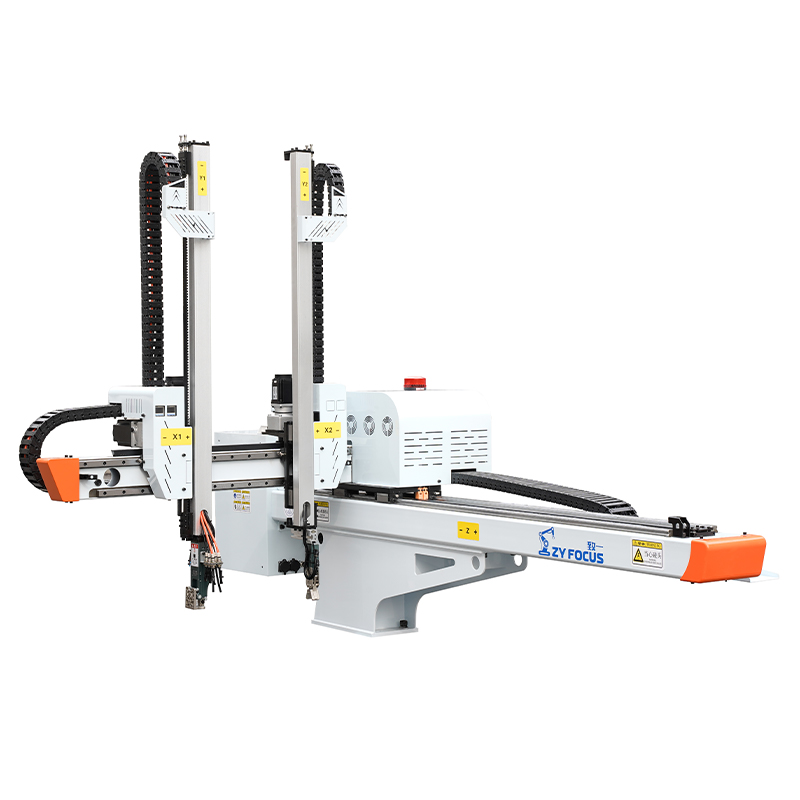
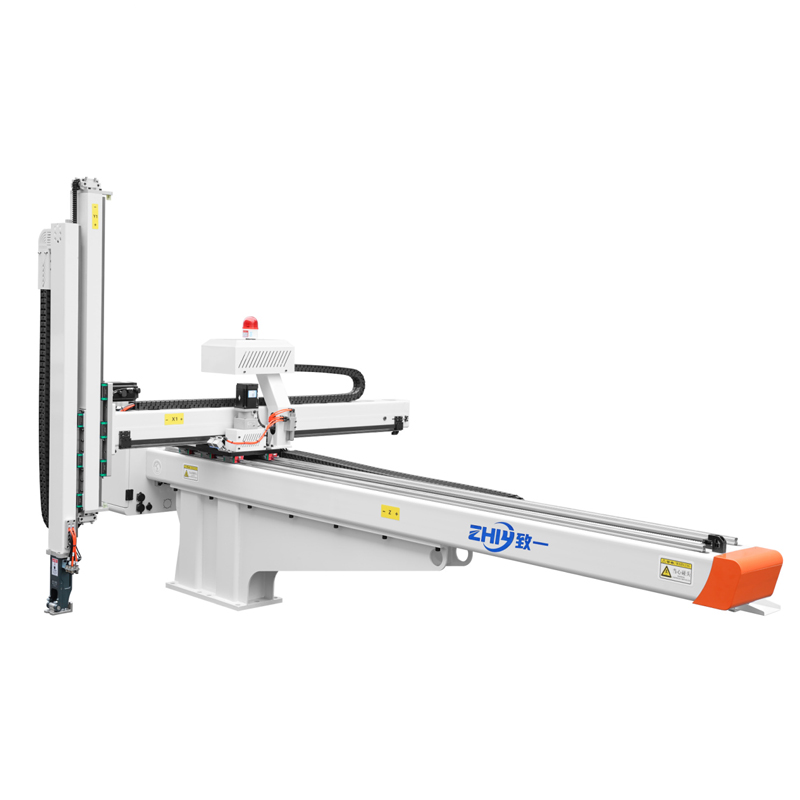
How to Choose 3 servo Robot for Packaging
How to Choose a 3 Servo Robot for Packaging: The Complete Buyer’s Guide
Introduction
Packaging manufacturers are under increasing pressure to improve production efficiency, reduce labor costs, and maintain consistent product quality. Whether you operate a food packaging plant, pharmaceutical facility, cosmetics production line, or consumer goods factory, automation has become essential for staying competitive.
One of the most effective automation solutions available today is the 3 servo robot. These robots are widely used for pick-and-place operations, product sorting, carton loading, tray packing, stacking, and other packaging tasks. Thanks to their precision, speed, and flexibility, 3 servo robots have become a preferred choice for modern packaging lines. Packaging Robots are particularly valued for their ability to perform high-speed pick-and-place operations, handle multiple package formats, and adapt quickly to product changes.
However, choosing the right 3 servo robot is not always straightforward. Different payloads, packaging formats, production speeds, and installation environments require Different Robotic configurations.
In this guide, we will explain everything buyers need to know before selecting a 3 servo robot for packaging applications.
What Is a 3 Servo Robot?
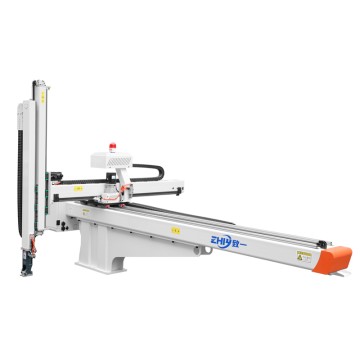
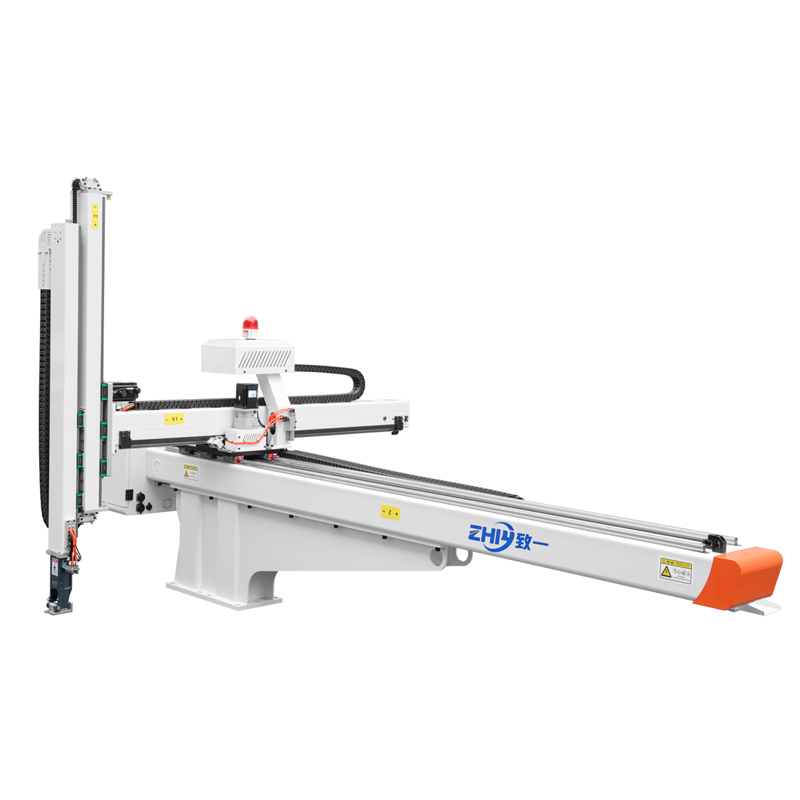
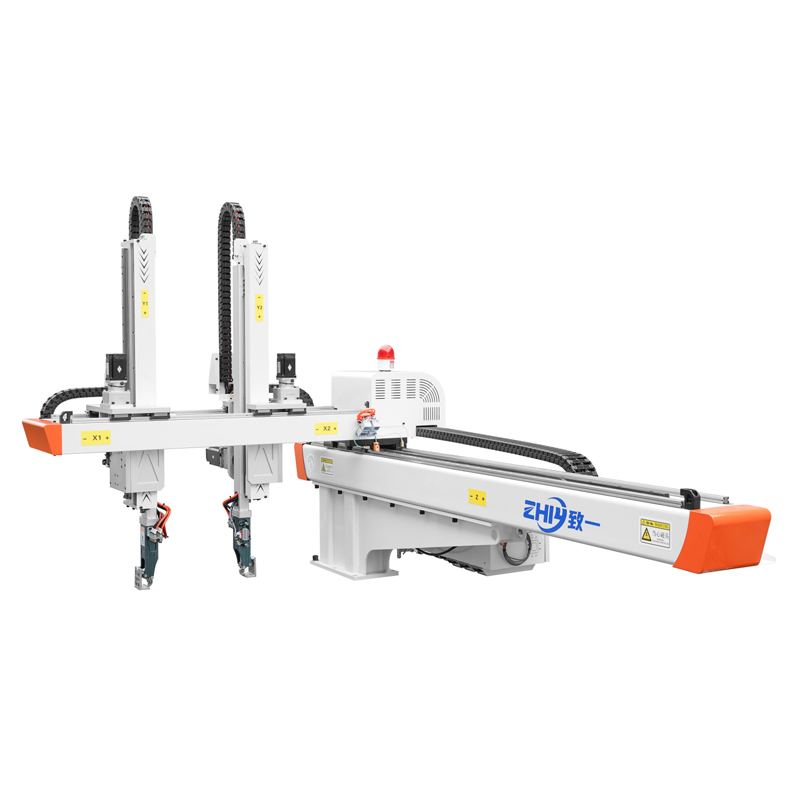
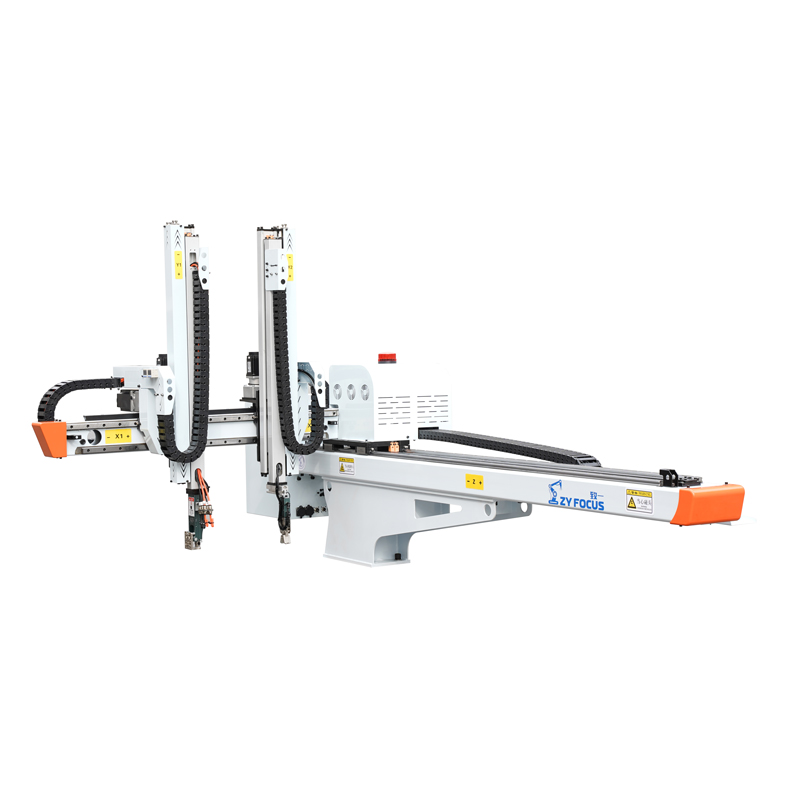
A 3 servo robot is An Industrial Robotic system driven by three independent servo motors controlling movement along three axes.
Typically, these axes include:
- X-axis (horizontal movement)
- Y-axis (vertical movement)
- Z-axis (forward/backward movement)
The coordinated movement allows the robot to perform accurate pick-and-place tasks within a defined working area.
Unlike pneumatic manipulators, servo-driven robots offer:
- Higher positioning accuracy
- Faster movement speeds
- Better repeatability
- Programmable motion paths
- Flexible product handling
In packaging applications, 3 servo robots are commonly used for loading products into cartons, arranging items in trays, transferring products between conveyors, and stacking packaged goods.
Why Packaging Manufacturers Choose 3 Servo Robots
Labor Cost Reduction
Many packaging facilities struggle with labor shortages and rising wage costs.
A properly configured 3 servo robot can replace multiple manual operators while maintaining continuous production.
Benefits include:
- Reduced labor dependency
- Lower operational costs
- Improved workplace safety
- 24/7 operation capability
Improved Packaging Consistency
Manual packaging often leads to:
- Misaligned products
- Damaged packaging
- Inconsistent stacking
Servo robots repeat the same motion precisely every cycle, ensuring uniform packaging quality.
Increased Production Speed
Modern packaging robots are capable of performing rapid pick-and-place movements while maintaining accuracy.
High-speed servo systems can significantly increase throughput compared to manual handling methods. Packaging automation solutions are specifically designed to maximize throughput while maintaining placement accuracy.
Common Packaging Applications for 3 Servo Robots
Before purchasing a robot, buyers should clearly define the intended application.
Carton Loading
Products are picked from a conveyor and placed into cartons.
Typical industries:
- Food
- Beverage
- Pharmaceuticals
- Cosmetics
Tray Packing
Robots arrange products into trays in predetermined patterns.
Examples include:
- Bottles
- Pouches
- Snack packs
- Medical products
Product Sorting
Products arriving from production lines can be sorted according to:
- Size
- Shape
- Category
- Packaging destination
Case Packing
Finished products are loaded into shipping cartons for distribution.
Servo-controlled pick-and-place systems are commonly used to load cartons, bottles, tubes, pouches, and other consumer products into secondary packaging.
Stacking and Pallet Preparation
Robots can organize packaged goods into stacks before palletizing.
Key Factors to Consider When Choosing a 3 Servo Robot
1. Product Weight (Payload)
Payload capacity is one of the first specifications to evaluate.
Ask yourself:
- How much does each product weigh?
- Will the robot pick one item or multiple items simultaneously?
- Does the end effector add significant weight?
A robot selected too close to its maximum payload may experience:
- Reduced speed
- Higher wear
- Shorter lifespan
Always leave a safety margin.
For example:
| Product Weight | Recommended Robot Payload |
|---|---|
| 1 kg | 3–5 kg |
| 5 kg | 10–15 kg |
| 10 kg | 20 kg+ |
Many packaging robots support payload ranges from approximately 10 kg to 50 kg depending on design and application.
2. Required Cycle Speed
Different packaging lines have different throughput requirements.
Questions to consider:
- How many products per minute need handling?
- What is the conveyor speed?
- Is future capacity expansion expected?
A robot that cannot keep up with production becomes a bottleneck.
Modern packaging robots are designed for high-speed pick-and-place operations and can achieve very fast cycle rates when matched correctly with product and line requirements.
3. Working Range
The robot’s reach must match the layout of your packaging line.
Consider:
- Conveyor width
- Loading position
- Packaging station location
- Product transfer distance
A robot with insufficient reach may require costly redesigns later.
4. Positioning Accuracy
Packaging operations often require precise placement.
Examples include:
- Pharmaceutical blister packs
- Cosmetic packaging
- Electronic component packaging
Servo robots offer excellent repeatability, ensuring products are consistently placed in the correct position. Precision and repeatable handling are major reasons robots are widely used in packaging automation.
5. End Effector Selection
The gripper is just as important as the robot itself.
Common options include:
Vacuum Grippers
Best for:
- Boxes
- Cartons
- Pouches
- Flexible packaging
Mechanical Grippers
Suitable for:
- Bottles
- Jars
- Rigid products
Custom Grippers
Designed for unique packaging formats.
Selecting the wrong gripper can reduce productivity and increase product damage.
6. Product Changeover Requirements
Many manufacturers produce multiple product SKUs.
If frequent changeovers occur, choose a robot system that offers:
- Recipe management
- Fast program switching
- Easy HMI operation
- Adjustable gripping systems
Modern servo packaging systems allow new product formats to be configured quickly through the control interface, reducing downtime during changeovers.
7. Vision System Integration
Packaging lines increasingly require vision-guided robotics.
Vision systems can help:
- Detect product orientation
- Identify defective items
- Improve picking accuracy
- Track moving products
Vision-guided robots are especially valuable for irregularly positioned products.
Many advanced packaging robots integrate cameras and intelligent vision systems for accurate product recognition and placement.
8. Packaging Environment
Environmental conditions affect robot selection.
Important considerations include:
Food Packaging
Requirements:
- Food-safe materials
- Washdown capability
- Hygienic design
Pharmaceutical Packaging
Requirements:
- Cleanroom compatibility
- High precision
- Traceability support
Industrial Packaging
Requirements:
- Dust resistance
- Heavy-duty construction
Certain packaging robots are available with food-grade, cleanroom, and IP-rated configurations for demanding environments.
How to Match Robot Specifications with Packaging Production Goals
Many buyers focus only on price.
This is a mistake.
The ideal robot should align with:
Current Production Needs
Evaluate:
- Existing line speed
- Current product range
- Available floor space
Future Expansion Plans
Ask:
- Will output increase next year?
- Will new product sizes be introduced?
- Will packaging formats change?
Selecting a slightly more capable robot often delivers better long-term ROI.
Common Mistakes When Buying Packaging Robots
Choosing Based Only on Price
Low-cost robots may result in:
- Frequent maintenance
- Lower reliability
- Limited support
Ignoring Integration Requirements
Robots must communicate with:
- Conveyors
- Packaging machines
- Sensors
- PLC systems
Integration should be evaluated before purchase.
Underestimating Payload Requirements
Always account for:
- Product weight
- Gripper weight
- Future packaging changes
Overlooking After-Sales Support
Reliable technical support is critical for minimizing downtime.
Questions to Ask Your Robot Supplier
Before placing an order, ask the following:
- What is the maximum payload?
- What cycle speed can be achieved?
- What is the repeatability accuracy?
- Can the robot integrate with our PLC?
- Is vision system integration available?
- What certifications are provided?
- What warranty is included?
- How quickly can spare parts be supplied?
- Can the system be customized?
- Do you provide remote technical support?
These questions help avoid costly purchasing mistakes.
Why More Packaging Manufacturers Are Switching to Servo Robots
Global packaging demand continues to grow.
At the same time:
- Labor costs increase
- Quality standards become stricter
- Product variety expands
Servo robots provide manufacturers with:
- Higher productivity
- Greater flexibility
- Lower operational costs
- Improved packaging consistency
Packaging automation providers increasingly emphasize flexibility, repeatability, rapid format changes, and integration with vision systems as key advantages for modern production lines.
For factories seeking long-term competitiveness, robotic packaging is no longer optional—it is becoming a necessity.
Why Choose Zhiyi Robotics for Packaging Automation?
When selecting a packaging robot supplier, experience and customization capabilities matter.
At Zhiyi Robotics, we specialize in industrial servo robotic solutions designed for modern packaging environments.
Our advantages include:
- Custom 3-axis servo robot solutions
- Flexible payload options
- High-speed pick-and-place performance
- Integration with conveyors and packaging machines
- Vision system compatibility
- OEM & ODM support
- Global technical assistance
- Competitive factory-direct pricing
Whether you need a robot for carton loading, tray packing, product sorting, or case packing, our engineering team can help design a solution tailored to your production requirements.
Conclusion
Choosing the right 3 servo robot for packaging involves much more than comparing prices.
The best solution depends on:
- Product weight
- Production speed
- Working range
- Accuracy requirements
- Changeover frequency
- Vision integration
- Future expansion plans
A properly selected robot can dramatically improve packaging efficiency, reduce labor costs, and provide a strong return on investment.
As packaging automation continues to evolve, investing in a high-performance 3 servo robot today can help future-proof your production line for years to come.
Ready to Automate Your Packaging Line?
Contact Zhiyi Robotics today for a customized 3 Servo Robot solution and receive a free consultation for your packaging automation project.