Leave Your Message
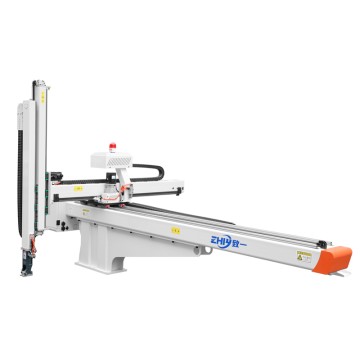
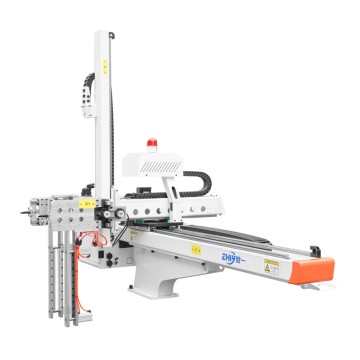
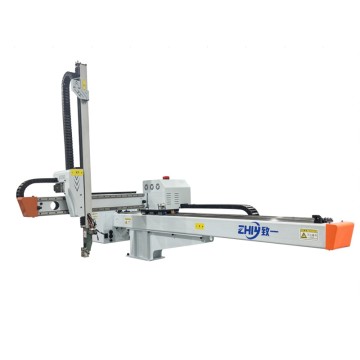
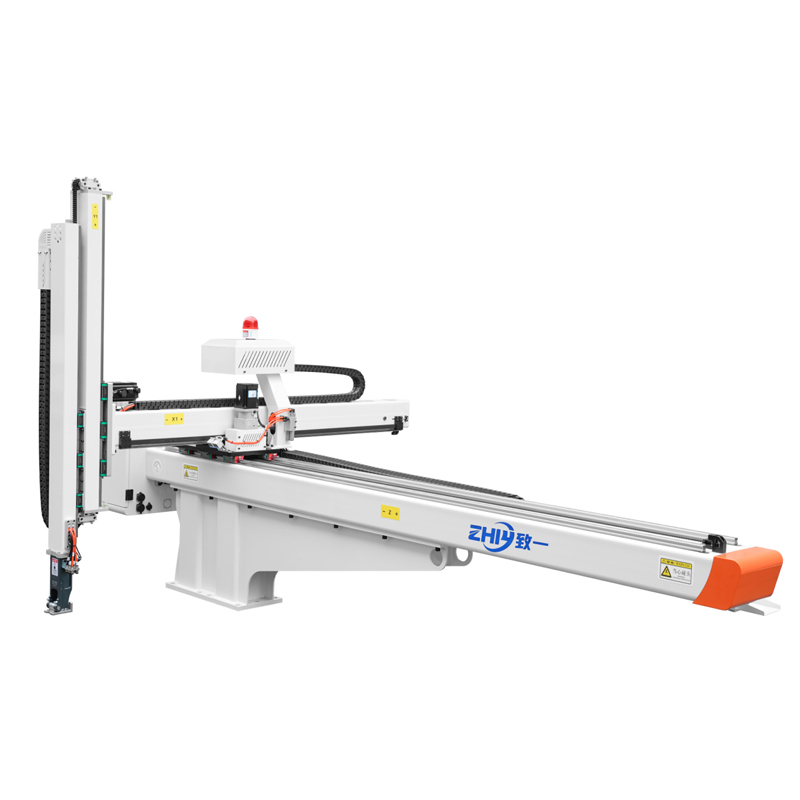
Three-Axis Servo Robotic Arms: Regional Market Rivalry Unfolds
Regional Market Competition: The Rivalry of Three-Axis Servo Robots in Europe, America, and Asia
1. Global Market Size and Regional Growth Pattern: Market Share Competition Among Europe, America, and Asia
2. Technological Divergence: Core Competitive Advantages and Technological Barriers in Europe, America, and Asia
3. Policy and Standards Systems: Hidden Competitive Barriers to Regional Market Entry
4. Regional Layout of Leading Companies: Market Penetration and Localization Competition Among Multinational Manufacturers
5. Evolution of Competition Focus Driven by Demand: The Competition Direction of the Three Major Regions in the Next 5 Years
I. Global Market Size and Regional Growth Pattern: Market Share Competition
According to the industry report released by QYResearch in 2025, the global three-axis servo robotmarket reached $131 million in sales in 2024 and is projected to exceed $209 million by 2031, maintaining a robust CAGR of 7.3% from 2025 to 2031. In this continuously expanding market, the three major regions of Europe, America, and Asia exhibit differentiated growth characteristics and market share competition. Europe, with its strong manufacturing base, has become one of the core markets for three-axis servo Robotic Arms globally. In 2024, Western Europe, represented by Germany and Switzerland, contributed approximately 35% of global sales. Demand from high-end applications such as precision automotive manufacturing and electronic component assembly continues to drive growth, with the region's compound annual growth rate (CAGR) projected at 7.8%. The North American market, centered on the United States, benefited from the expansion of the new energy vehicle industry and the upgrading of logistics automation. In 2023, demand for high-end customized products reached $2.5 billion, a year-on-year increase of 18%, and the regional penetration rate has risen to 22%, making it one of the markets with the highest technology premium.
The Asia-Pacific region is showing explosive growth potential. The market segment centered on Japan, South Korea, and Southeast Asian countries led the global growth rate in 2024. Southeast Asia, in particular, saw a 35% annual growth rate driven by automation demand resulting from manufacturing relocation. As a leading country in the robotics industry, Japan has achieved a regional penetration rate of 22% thanks to the technological accumulation of its domestic companies, and its applications in niche sectors such as electronics and healthcare continue to expand. Behind the growth differences among the three major regions lies a fundamental difference in their respective manufacturing upgrading paths and market demand structures, which also lays the foundation for the basic landscape of global competition.
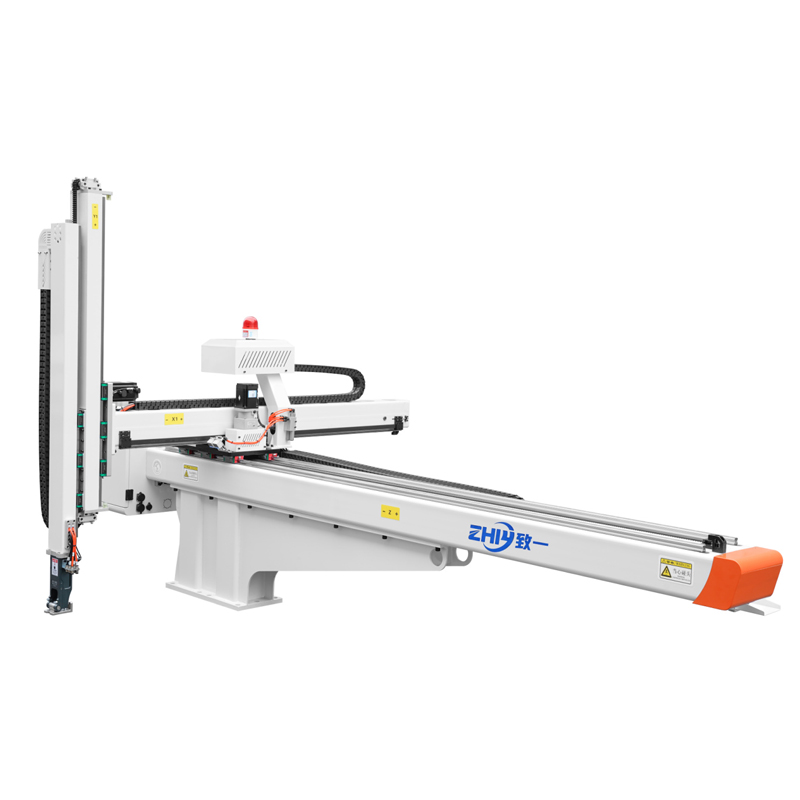
II. Differentiation of Technological Routes: Differences in Core Competitiveness and Technological Barriers
Regional competition in three-axis servo robotic arms is essentially a contest of technological routes and core capabilities. Based on their own industrial advantages, the three major regions of Europe, America, and Asia have formed differentiated technological development paths, building their own competitive barriers.
European manufacturers focus on "high precision + intelligence" as their core competitiveness. Companies such as KUKA in Germany and Stäubli in Switzerland lead technological routes that focus on motion control algorithm optimization and multi-sensor fusion technology. For example, Stäubli's TX series three-axis servo robotic arms use a hybrid algorithm combining proportional control and fuzzy control, improving dynamic response speed by 30% while reducing energy consumption by 20%, and achieving a repeatability accuracy of ±0.02 mm, giving them an absolute advantage in precision manufacturing scenarios. Western brands generally employ model-based control algorithms, achieving a 98% accuracy retention rate under complex operating conditions through multi-variable adaptive adjustment of more than 12 adjustable parameters. This technological advantage creates a formidable barrier to entry in the high-end market.
Japanese companies, on the other hand, have pursued a technology path of "high-efficiency integration + reliability." Leading manufacturers such as FANUC and Yaskawa have deeply integrated servo systems with controllers. Their seventh-generation controllers integrate neural network algorithms, automatically optimizing control parameters through machine learning, reducing failure rates in repetitive operation scenarios by 60% and shortening programming time by 70%. Their technological characteristics lie in the co-optimization of software and hardware, and modular design that flexibly adapts to different application scenarios, demonstrating strong adaptability in mass production scenarios such as electronics manufacturing and automotive parts assembly.
South Korea, as a latecomer, has broken through with "cost-effectiveness + rapid iteration." Companies like Doosan Robotics have reduced computational requirements by optimizing algorithm structures and using DSP chips for real-time calculations, maintaining an accuracy of ±0.03 mm while keeping product costs around 60% of those of Western brands. Its technology update cycle is only 18 months, far shorter than that of European and American brands. Leveraging its ability to quickly respond to market demands, its regional market share has increased by 40% in recent years, making it a strong competitor in the mid-to-high-end market.
III. Policy and Standards Systems: Hidden Competitive Barriers to Regional Market Access
Differences in policy support and standards systems constitute hidden barriers to competition in the regional market for three-axis servo robotic arms, profoundly influencing the evolution of the market landscape.
The EU, with its "Industry 4.0" strategy at its core, has listed robotics technology as a key development area, supporting the research and development of highly flexible servo robotic arms through special funds, while establishing strict environmental and safety standards. The EU's new battery regulations on the energy consumption and recycling requirements of servo motors directly drive companies in the region to transform towards lightweight and energy-saving designs. KUKA's KR AGILUS series, using carbon fiber composite materials, reduces equipment weight by 30% and energy consumption by 20%, a testament to policy-driven technological innovation. CE certification, as a core barrier to market access, imposes stringent requirements on the electromagnetic compatibility and safety protection levels of equipment, raising the entry costs for non-EU companies. The United States employs a dual-pronged approach of industrial policy and supply chain control. The Chip and Science Act provides funding for the research and development of core Robot Components while strengthening export controls on high-end servo technologies. Its market access emphasizes intellectual property protection and technological compatibility, requiring imported equipment to comply with the interface protocols of the American National Standards Institute (ANSI). This gives companies familiar with local standards a natural advantage.
The Asian market exhibits diversified policy characteristics. Japan's "Robot Strategy 2050" explicitly proposes increasing the domestic supply rate of high-end servo robots, supporting companies like FANUC and Yaskawa to consolidate their technological advantages through R&D subsidies and tax incentives. South Korea has launched a smart manufacturing plan, providing equipment purchase subsidies to manufacturers using domestically produced servo robots to accelerate the market penetration of local brands. Southeast Asian countries attract foreign investment with relaxed market access policies and, through manufacturing relocation, have created huge demand for low- and mid-range servo robots, becoming a battleground for major manufacturers.
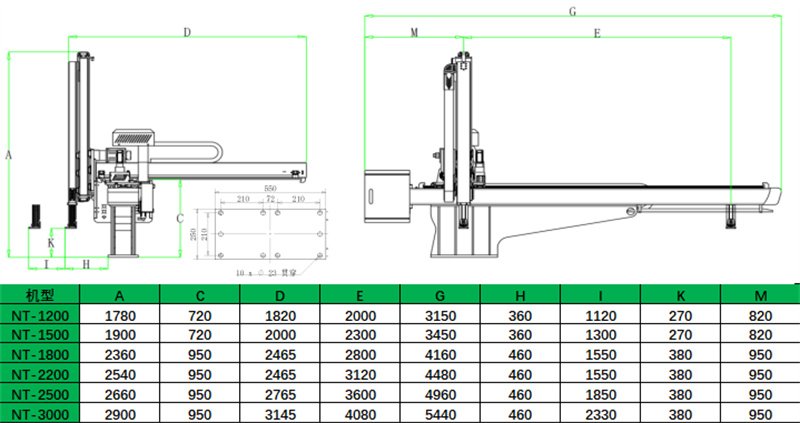
IV. Regional Layout of Leading Companies: Market Penetration and Localization Competition among Multinational Manufacturers
The regional layout strategies of global leading companies directly shape the competitive landscape of three-axis servo robots. Core manufacturers such as ABB (Switzerland), FANUC (Japan), KUKA (Germany), and Yaskawa (Japan) all employ a competitive strategy of "global R&D + localized production," engaging in fierce market competition.
European companies are based in their domestic markets and expand globally. ABB has established an R&D center in Germany, focusing on the development of human-machine collaborative three-axis servo robotic arms. Its IRB series, with a repeatability of ±0.1 mm, has monopolized the high-end precision manufacturing market in Europe. Simultaneously, by establishing factories in Southeast Asia to reduce production costs, it is competing for market share in the mid-to-low-end market. KUKA, on the other hand, is strengthening its local European production layout, leveraging regional supply chain advantages to shorten delivery cycles. It also collaborates deeply with local automakers to customize servo robotic arms to meet their production needs, consolidating its leading position in the automotive manufacturing sector. Japanese companies employ a strategy of "technology export + local adaptation." FANUC has established technical service centers in Europe and the US, optimizing product algorithms to meet local high-end demands. Its AR series servo robots, adapted to the flexible production needs of European and American manufacturing, have seen a continuous increase in market share. In the Asian market, it reduces costs through localized production and has established long-term partnerships with electronics manufacturers in South Korea and Taiwan, securing a core share in the electronics manufacturing sector. Yaskawa focuses on the Southeast Asian market, establishing assembly bases in Thailand and Malaysia. Leveraging local labor cost advantages, it launches high-performance, cost-effective products, rapidly capturing the low-to-mid-end market.
South Korean companies are breaking through with a strategy of "differentiated competition + regional alliances." Doosan Robotics has signed exclusive supply agreements with local manufacturing parks in Southeast Asia, meeting the automation needs of labor-intensive industries through customized products. Simultaneously, it collaborates with European technology companies to introduce high-precision control algorithms, enhancing its product competitiveness in the high-end market. This strategy of "low-end breakthrough + high-end cooperation" has enabled its rapid rise in regional competition.
V. Evolution of Competition Focus Driven by Demand: The Competition Direction in Three Major Regions Over the Next 5 Years
Structural changes in market demand will drive the focus of competition in three-axis servo robotic arms to new dimensions, and the competition in the three major regions of Europe, America, and Asia will exhibit new characteristics over the next 5 years.
Competition in the European market will focus on "intelligentization + greening." The electrification of automobiles and the upgrading of precision manufacturing require servo robotic arms to have higher flexible production capabilities and energy efficiency. Human-machine collaboration technology and AI vision guidance technology are expected to become the core of competition. Companies need to break through adaptive control algorithms and multimodal sensor fusion technology to meet the needs of small-batch, multi-variety production. At the same time, the EU's carbon neutrality target will drive the research and development of energy-saving servo systems, and energy consumption levels and recycling rates will become key indicators of product competitiveness.
The North American market will focus on "high-end customization + ecosystem integration." The explosive growth of new energy vehicles and logistics automation has spurred demand for customized servo solutions. Future competition will not only be a contest of product performance but also a battle of ecosystem integration capabilities. Enterprises need to deeply integrate servo robotic arms with 5G, cloud computing, and digital twin technologies to provide full lifecycle services from equipment to maintenance. The application of NVIDIA's Grace AI chip has already increased the processing speed of complex tasks by servo robotic arms by 10 times, and this trend of technological integration will further intensify market competition.
The Asian market will see competition centered around "cost-effectiveness + in-depth scenario development." The large-scale demands in fields such as electronics manufacturing and logistics warehousing require products to control costs while maintaining basic accuracy. South Korean companies will continue to strengthen their cost-effectiveness advantage, while Japanese companies will focus on in-depth technological development in specific scenarios. The Southeast Asian market may see "regional alliance" competition, with local companies collaborating with multinational manufacturers to launch products adapted to local industry needs. Meanwhile, flexible manufacturing and AGV collaborative technologies will become competitive hotspots. The dynamic collaboration between servo robotic arms and AGVs in Tesla's Gigafactory has already improved logistics efficiency by 40%, and competition in this scenario-based solution will become increasingly fierce. The regional competition in the global three-axis servo robotic arm market is essentially a comprehensive interplay of technological strength, policy environment, and market demand. In the future, with the deep integration of technologies such as artificial intelligence and 5G, the competitive boundaries between the three regions will gradually blur, but the core advantages formed based on their respective industrial foundations will persist for a long time.
#Axis Robot Arm3Packaging Robots#Injection Moulding Robotic Arm#Industrial Mechanical Arm#Robot Components#Collaborative Robot#Humanoid Robot