
Leave Your Message
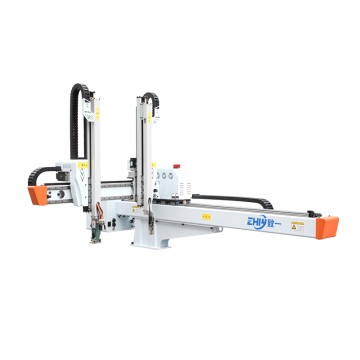
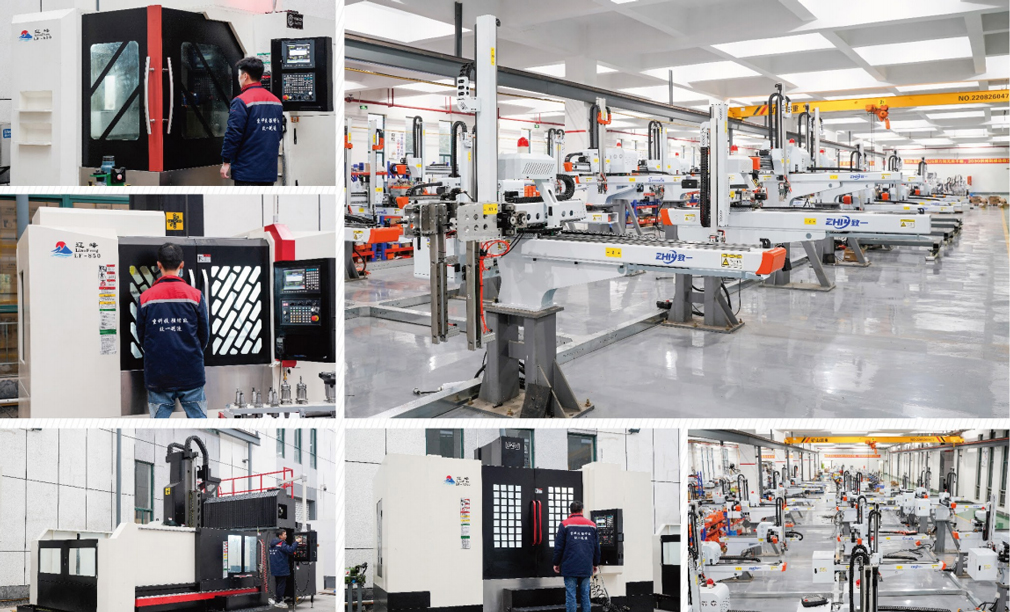
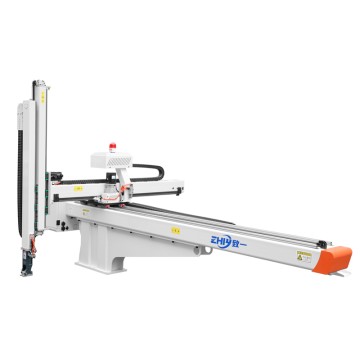
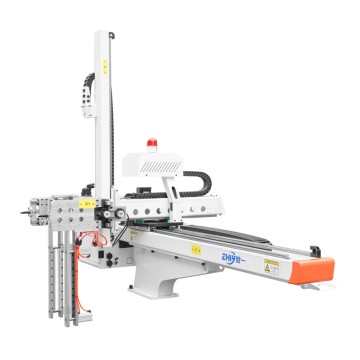
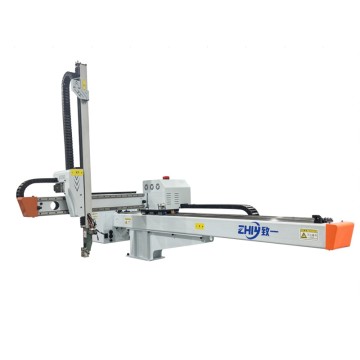
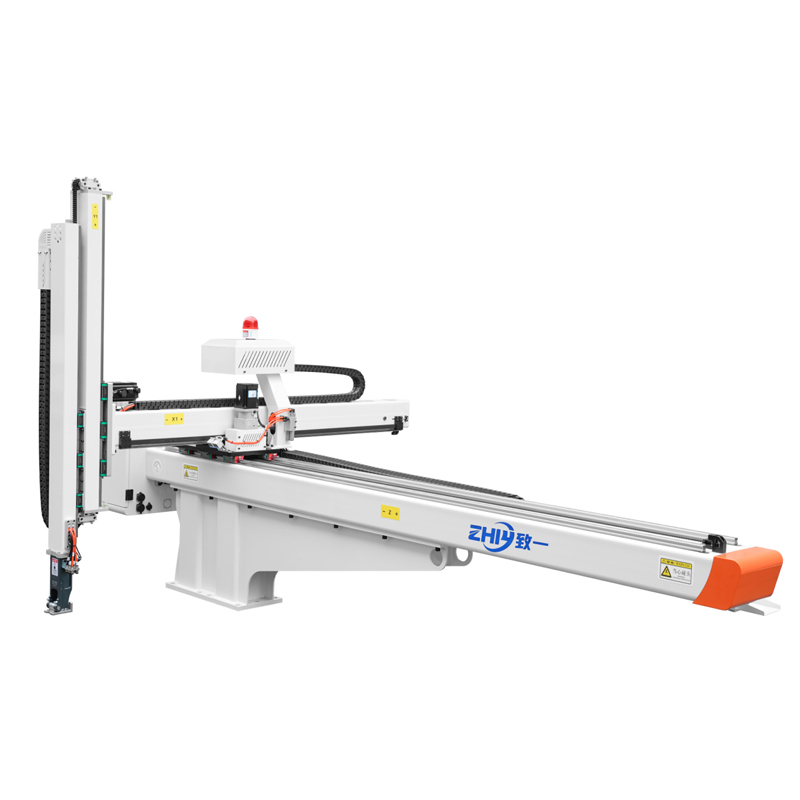
The Impact of Manufacturing Reshoring in Developed Countries on the Servo Robot Market
The Impact of Manufacturing Reshoring in Developed Countries on the Servo Robot Market
Amid the global industrial chain restructuring wave, developed countries such as the United States, Germany, and Japan have launched "reindustrialization" strategies, and the reshoring of manufacturing has transformed from policy guidance into concrete industrial action. This trend has not only reshaped the global manufacturing landscape but also profoundly impacted the servo robot market, a core piece of automation equipment—changes such as demand structure upgrading, technological roadmap differentiation, and competitive landscape restructuring are unfolding simultaneously.
1. Surge in Demand: Reshoring Industries Create Structural Market Growth
2. Technological Iteration: High-end and Scenario-based Applications Become the Core of Competition
3. Competitive Restructuring: Rise of Domestic Enterprises and Competition with International Giants
4. Supply Chain Adjustment: Regional Layout Enhances Delivery and Resilience
5. Policy Driven: Regional Orientation Determines Market Differentiation
I. Surge in Demand: Reshoring Industries Create Structural Market Growth
One of the core drivers of manufacturing reshoring is the dual demand to address local labor shortages and improve production efficiency. As a core piece of equipment for labor substitution and automation upgrading, servo robots are experiencing explosive demand growth, and this growth exhibits significant structural characteristics.
From an industry perspective, the resurgence of high-end manufacturing has driven a surge in demand for high-value-added servo robots. The US, through the Chip and Science Act, has facilitated the return of the entire semiconductor industry chain. The market size for servo robots used in wafer handling and packaging reached $1.24 billion in 2025 and is projected to grow to $2.27 billion by 2030. The electrification transformation of the automotive industry is a core engine of this demand growth. Tesla's US Gigafactory has deployed over 1,100 servo robots per production line, 40% higher than traditional automakers. Its battery assembly and body welding processes are seeing an average annual growth rate of over 35% in the procurement of high-precision servo robots. In Europe, driven by the EU's "Industry 5.0" strategy, demand for collaborative servo robots in automotive manufacturing and precision instrumentation has surged, with a projected compound annual growth rate of 13.2% from 2025 to 2030.
Regional data shows particularly significant growth in the North American and European markets. The North American servo Robotic Arm market is projected to reach $10.8 billion in 2025, with the US accounting for 82% of the share. The European market is expected to reach $9.3 billion, with Germany, Italy, and France contributing over 60%. Structural imbalances in the labor market further amplify this demand—the US manufacturing job vacancies in February 2025 were approximately 7.568 million, exceeding the number of unemployed during the same period. Strict immigration policies exacerbated the labor shortage, forcing companies to fill the manpower gap with automation equipment. The US semiconductor industry alone is projected to see a 42.5% year-on-year increase in servo robotic arm purchases in 2025.
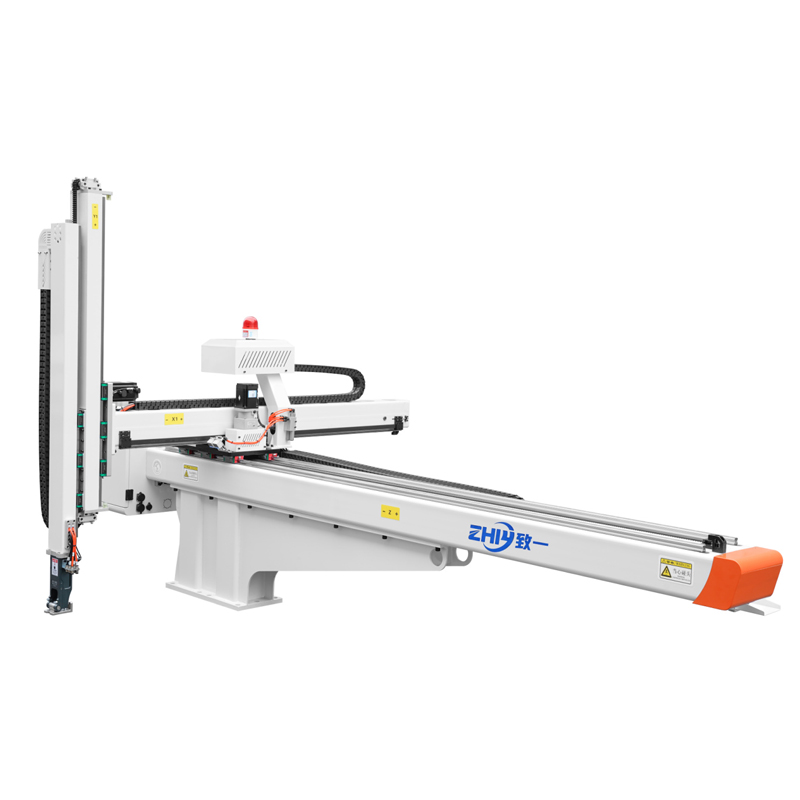
II. Technological Iteration: High-End and Scenario-Based Applications Become the Core of Competition
The resurgence of manufacturing in developed countries is not simply a transfer of production capacity, but rather an industrial upgrade centered on "high-end and intelligent" technologies. This directly drives the iteration of servo robotic arm technology towards high precision, high integration, and scenario-based applications, continuously raising technological barriers.
High precision and intelligence are the core areas for technological breakthroughs. By integrating AI and machine vision technologies, European and American companies have significantly improved the autonomous decision-making capabilities of servo robotic arms. In 2025, servo robotic arms equipped with autonomous learning algorithms accounted for 37% of the North American market, a 22 percentage point increase from 2022. Regarding precision control, European companies have reduced the error rate of their intelligent gripping systems to below 0.02mm, meeting the needs of high-end applications such as semiconductor wafer handling and medical equipment assembly. Japanese companies maintain their advantage in core components, with their reducers and servo systems accounting for 41% of the global supply chain, providing core support for high-precision robotic arms.
Scenario-based customization has become a new focus of technological competition. The demand for servo robotic arms varies significantly across different industries: the aerospace sector requires large, high-capacity robotic arms for composite material layup, with this sector's procurement budget accounting for 19% of the North American market in 2025; the medical sector demands cleanroom-type robotic arms, with the booming development of orthopedic and minimally invasive surgical systems driving an average annual increase of 19% in related robotic arm R&D investment; and the semiconductor sector requires wafer handling robotic arms with anti-static and high stability characteristics, with Yaskawa Electric's revenue from such products showing significant growth in fiscal year 2024.
Breakthroughs in human-computer interaction technology are reshaping product form. By 2025, servo robotic arms equipped with haptic feedback will account for 18% of shipments, and this is projected to rise to 43% by 2030. European companies hold 61% of global patents in haptic sensors, creating a technological monopoly. Furthermore, material innovation has become a crucial direction for technological upgrades; the mass production of carbon fiber robotic arms has reduced equipment energy consumption by 22%, making them particularly suitable for energy-sensitive applications such as food and pharmaceuticals.
III. Restructuring of Competition: The Rise of Domestic Enterprises and the Battle with International Giants
The demand shift triggered by the resurgence of manufacturing is disrupting the existing competitive landscape of the global servo robotic arm market, creating a competitive dynamic of "international giants localizing their operations while domestic enterprises make precise breakthroughs."
International giants are consolidating their dominant positions by increasing investment in local production capacity. ABB has invested a cumulative $14 billion in the US since 2010, making its Auburn Hills, Michigan site a core manufacturing center for robots in North America, capable of rapidly responding to the needs of local automotive and semiconductor companies. FANUC's US factory accounts for more than half of its global production capacity, and in the fourth quarter of 2024, US market orders increased by 42.5% year-on-year, becoming a core driver of its performance growth. Yaskawa Electric plans to invest $200 million to build a new factory in Ohio to address its insufficient domestic production capacity in the US. These international giants' localization strategies not only improve delivery efficiency but also enable rapid product iteration by being closer to the market.
Domestic SMEs are achieving breakthroughs by leveraging their advantages in niche market scenarios. US companies have excelled in the field of servo robotic arms for logistics and warehousing, offering more cost-effective customized solutions by integrating local logistics data and automation needs. German SMEs, on the other hand, focus on small robotic arms for precision instrument assembly, leveraging their local industrial base to develop technological strengths. This differentiated competition has resulted in a market structure where "international giants dominate the high-end market, while local companies are rising in mid-to-low-end niche markets." In 2025, the market share of European and American SMEs in the servo robotic arm market increased by 12 percentage points compared to 2020.
The focus of competition is shifting from single-device sales to full lifecycle services. European companies such as ABB and KUKA are increasing their investment in industrial internet platforms. By 2025, their predictive maintenance service revenue had increased to 28%, enabling fault warnings and remote maintenance through equipment networking, thus enhancing customer loyalty. This "hardware + service" model is becoming a new dimension of competition, driving the market's transformation from price competition to value competition.
IV. Supply Chain Adjustment: Regionalization Enhances Delivery and Resilience
One of the core demands of the manufacturing resurgence is to enhance supply chain resilience. This demand, transmitted to the servo robotics industry, is driving the global supply chain to shift from "global division of labor" to "regional clustering," significantly improving supply chain responsiveness and stability.
Regionalized production base layout has become an industry consensus. European companies have shifted 40% of their overseas production bases to Eastern Europe and North Africa, shortening the delivery radius to core manufacturing areas in Germany and France. American companies, through "nearshore outsourcing," have formed a servo robotics industry cluster in the border states of Mexico, with related investment in this region projected to grow at an average annual rate of 24% from 2025 to 2030. This layout has shortened the average delivery cycle of servo robotics from 12 weeks to 6-8 weeks, significantly improving customers' production efficiency.
The localization rate of component procurement has significantly increased. To reduce supply chain risks, manufacturers in developed countries are increasingly emphasizing the local supply capabilities of components when procuring servo robotics. In 2023, the global servo robot industry had a regional sourcing ratio of 58%, projected to rise to 72% by 2030. The US has established a complete component supply system covering motors, controllers, and sensors, with Michigan's industrial cluster achieving over 80% local sourcing of components. Germany, leveraging its automotive parts industry, provides high-precision transmission components for servo robots.
Supply chain digitalization upgrades improve collaborative efficiency. Leading companies have built supply chain management platforms to achieve full-process visualization from component procurement and manufacturing to final delivery. ABB's US factories, through industrial internet technology, link component suppliers, production workshops, and customer needs in real time, reducing production plan adjustment response time by 50% and increasing inventory turnover by 30%. This digital collaborative capability has become a core indicator of a company's supply chain competitiveness.
V. Policy-Driven: Regional Orientation Determines Market Differentiation
The resurgence of manufacturing in developed countries is essentially a policy-driven industrial restructuring. Differences in national industrial policies lead to significant regional differentiation in the servo robot market, with the strength of policy support directly determining the growth potential of regional markets.
The US uses specific legislation to precisely stimulate demand in key areas. The "Chip-and-Science Act" and the "Infrastructure and Jobs Act" have formed a powerful combination of policies. The "Chip-and-Science Act" directly boosted demand for semiconductor manufacturing equipment, contributing $1.24 billion to the servo robot market in 2025 alone. Of the $1.2 trillion authorized by the "Infrastructure and Jobs Act," 73.7% went to the transportation sector, driving demand for servo robots used in construction machinery. Furthermore, US government tax incentives for domestic manufacturing allow companies purchasing domestically produced servo robots to enjoy tax breaks of up to 15%, further stimulating market demand.
The EU has built technological barriers through its "Industry 5.0" strategy. The EU considers collaborative servo robots a core direction of industrial automation, using policy subsidies to encourage R&D investment. In countries like Germany and France, R&D subsidies for SMEs can reach 30% of their R&D expenses. The "European Chip Act" focuses on the self-sufficiency and control of the semiconductor supply chain, driving the localization of R&D and production of servo robots for wafer processing. By 2025, European companies' market share in this field had increased to 55%.
Japan consolidates its advantages through technological standards and industrial collaboration. By establishing precision standards and safety specifications for servo robotic arms, the Japanese government has strengthened the technological influence of domestic companies, and its core component standards are adopted by most companies worldwide. Simultaneously, the government promotes collaborative R&D mechanisms between robotics companies and automotive and electronics manufacturers. For example, the servo robotic arm for automotive welding jointly developed by Toyota and FANUC holds over 70% of the Japanese market share, and this collaborative industrial model has become a core competitive advantage in the Japanese market.
Website:https://www.zhiyirobotics.com/
Email:sales@zhiyirobotics.com