
Leave Your Message
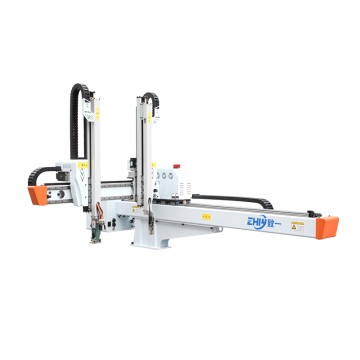
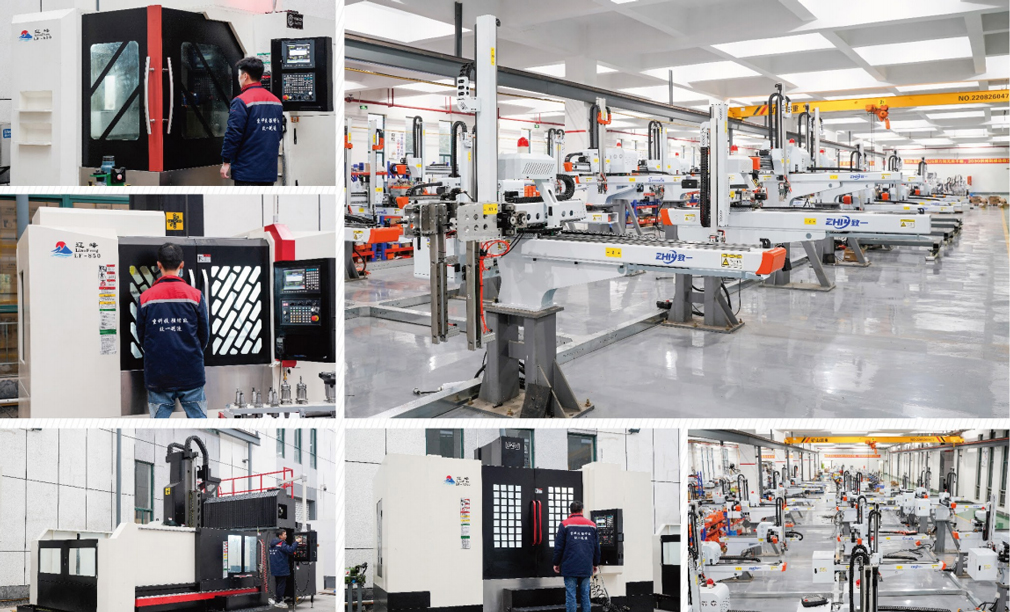
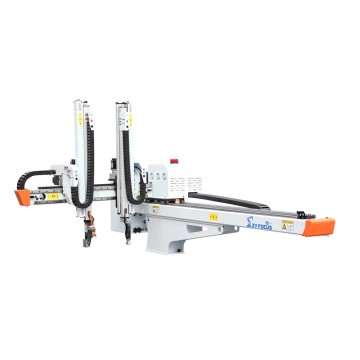
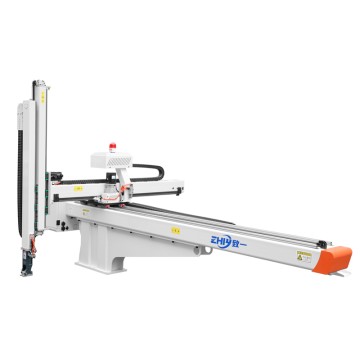
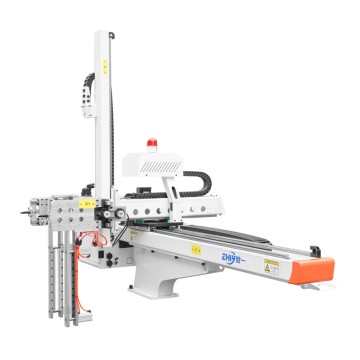
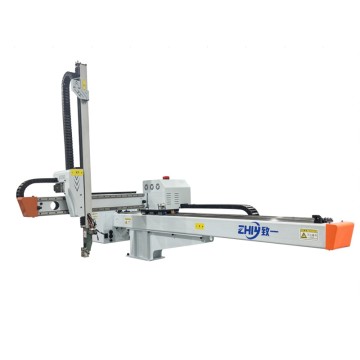
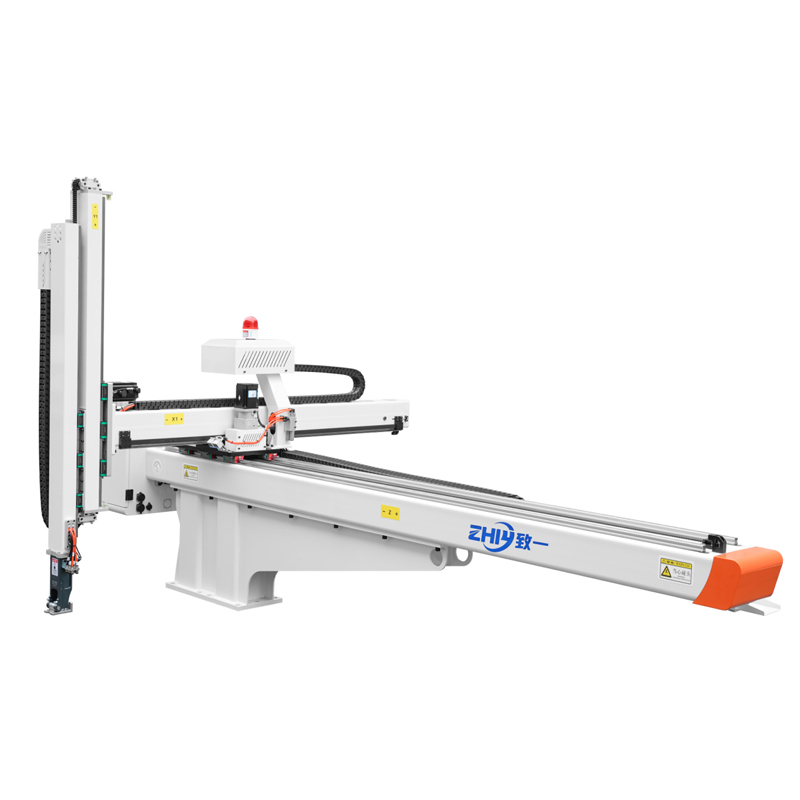
The changing role of three-axis servo robot in industrial automation
The Changing Role of Three-Axis Servo Robots in Industrial Automation
As the wave of industrial automation evolves from "mechanized replacement" to "intelligent collaboration," three-axis servo robots are undergoing a critical reshaping of their role. Once a supporting role, performing simple, repetitive tasks on production lines, three-axis servo robots are now, thanks to the deep integration of servo systems' precise control and digital technology, central to connecting equipment, optimizing processes, and driving factory intelligent transformation.
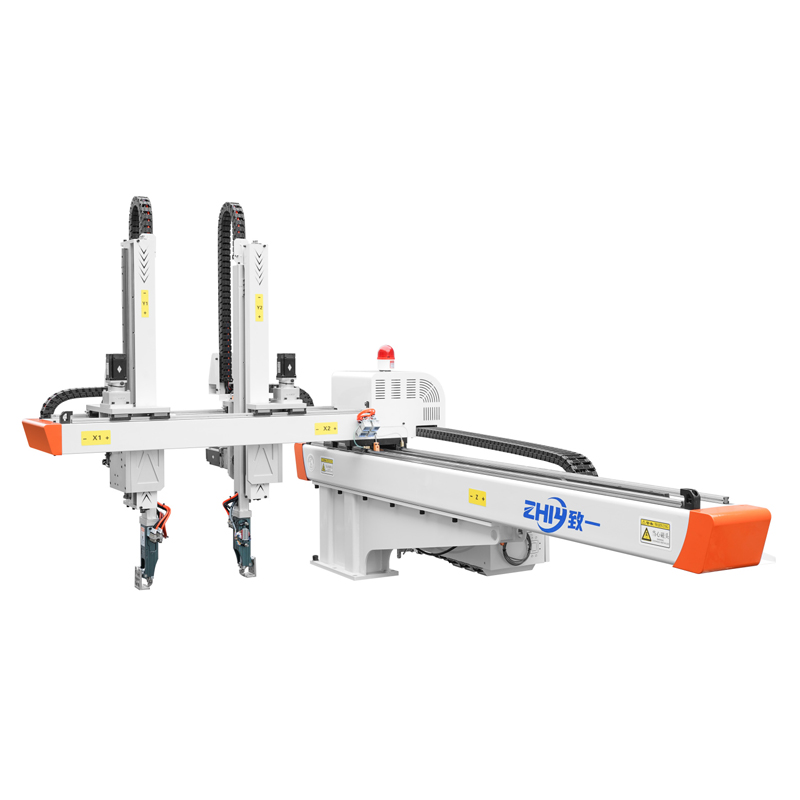
I. Three Phases of Role Transformation: From "Replacing Human Labor" to "Defining Processes"
The evolution of the role of three-axis servo robots has consistently resonated with the evolving needs of industrial automation and can be clearly divided into three core phases, each with distinct functional positioning and value contribution.
1. Phase I: Basic Replacement Role (2010-2018)
The core demand for industrial automation during this phase was "cost reduction and efficiency improvement," focusing on addressing labor shortages and the high intensity of repetitive labor. The core role of three-axis servo robots was to replace human labor, performing single, fixed tasks such as simple material handling, part handling, and loading and unloading. Technical Features: Primarily focused on point-to-point control, the servo system only meets basic accuracy (within ±0.1mm) and speed requirements, eliminating the need for complex path planning.
Application Scenarios: Concentrated in labor-intensive industries, such as electronic component assembly and loading and unloading of Injection Molding Machines.
Value Positioning: As a "tool that replaces manual labor," its core value lies in reducing labor costs and human error, with limited impact on the overall production line process.
2. Second Phase: Process Integrator Role (2019-2022)
With the increasing number of equipment on production lines, "equipment collaboration" has become a new requirement. Three-axis servo Robotic Arms are beginning to assume the role of "process integrator." They are no longer isolated execution units, but rather bridges connecting different equipment (such as machine tools, testing equipment, and conveyors), enabling seamless integration between process steps. Technical Features: The servo system has been upgraded to "trajectory control," supporting complex path planning for straight lines and arcs, with accuracy improved to ±0.05mm. It also features basic I/O interfaces for simple signal exchange with peripheral devices.
Application Scenarios: Expanded to automotive parts processing and precision assembly of consumer electronics products. For example, in mobile phone casing production lines, it completes the seamless process of "machine tool processing - visual inspection - qualified product transfer."
Value Positioning: As a "process connection node," its core value lies in shortening process intervals, improving the overall utilization rate (OEE) of the production line, and driving the upgrade of single-machine efficiency to "line efficiency."
3. Phase 3: Intelligent Hub Role (2023 to Present)
The surge in demand for Industry 4.0 and "dark factories" has ushered three-axis servo robotic arms into the "intelligent hub" stage. They are not only action executors but also "end nodes" for data collection, analysis, and decision-making. They can dynamically adjust their actions based on real-time data and even participate in flexible production line scheduling. Technical Features: The servo system integrates torque feedback and vibration suppression functions, achieving an accuracy of ±0.02mm. It supports industrial Ethernet (such as EtherCAT and Profinet) and can be connected to MES (Manufacturing Execution Systems) and PLCs (Programmable Logic Controllers), achieving a closed "data-action-decision" loop.
Application Scenarios: Widely used in high-end fields such as new energy batteries and intelligent equipment. For example, in lithium battery electrode production, it can dynamically adjust gripping force and transfer speed based on real-time electrode thickness measurements to avoid material damage.
Value Positioning: As an "intelligent core unit," its core value lies in achieving flexibility and traceability in production lines, driving the transformation of industrial automation from "fixed processes" to "dynamic optimization."
II. Core Technologies Driving the Transformation: Dual Breakthroughs in Servo Systems and Digitalization
The three-axis servo robotic arm's role transformation is fundamentally a result of dual breakthroughs in servo control technology and digital integration capabilities. These two technologies not only determine the robotic arm's performance ceiling but also directly impact its value proposition in industrial automation. They are also key indicators that buyers should consider when selecting A Robot.
1. Servo System: From "Precision Control" to "Intelligent Perception"
The servo system is the "heart" of a three-axis robotic arm, and its technological upgrades are fundamental to its changing role. Early servo systems merely addressed the issue of "accurate movement," but have now evolved into intelligent units capable of "perception and adjustment":
Improved Accuracy: The use of an "absolute encoder" instead of an incremental encoder eliminates the need for zero return at each power-on, improving positioning accuracy from ±0.1mm to ±0.02mm, meeting the demands of precision manufacturing.
Dynamic Response: Upgraded to "high-speed current loop control," response time is reduced to less than 0.1ms, enabling rapid response to load changes (such as grasping parts of varying weights) and avoiding motion lag.
State Perception: Integrated torque and temperature sensors monitor gripping force and motor temperature in real time. Automatic shutdown protection in the event of overload or overheating reduces equipment failure rate.
2. Digital Integration: From "Isolated Execution" to "Data Interconnection"
If the servo system is the "muscle," digital integration capabilities are the "nerves." This system transforms three-axis robotic arms from isolated devices into the Industrial Internet, making them a key component of a closed data loop.
Communication protocol upgrade: Support for Industrial Ethernet protocols enables direct communication with MES and ERP systems, uploading real-time motion data (such as operating time and fault codes) for remote factory monitoring and maintenance.
Edge computing capabilities: Some high-end models feature built-in edge computing modules, enabling local processing of visual inspection data (such as part position deviation) without relying on a host computer, improving decision-making speed by over 50%.
Flexible programming: Using "teach pendant visual programming" or "offline programming software," on-site workers can adjust motion processes based on production needs without the need for specialized engineers, reducing the time required to switch between product models from hours to minutes.
III. Current Core Application Scenarios: From "General Purpose" to "Industry Customization"
With this shift in role, the application scenarios of three-axis servo robotic arms are shifting from "general purpose coverage" to "deep industry customization." The production needs of different industries vary significantly, leading to distinct technical configurations and functional emphases. This provides wholesale buyers with the opportunity to segment their supply chains by industry.
1. 3C Electronics Industry: Prioritizing Precision and Flexibility
3C products (mobile phones, computers, and smart devices) are characterized by small size, high precision requirements, and rapid product iteration. The core requirements for three-axis servo robotic arms are high precision and rapid changeover.
Typical Applications: Transferring mobile phone motherboards after SMT assembly, camera module assembly, and screen lamination assistance.
Technical Requirements: Positioning accuracy ≥ ±0.03mm, repeatability ≥ ±0.01mm, and support for fast teach-in programming.
Customer Value: Helping electronics factories achieve high-mix, low-batch production, reducing product changeover time to less than 10 minutes, meeting the rapid iteration requirements of consumer electronics.
2. Automotive Parts Industry: High Load and High Stability
The production of automotive parts (such as bearings, gears, and instrument panels) is characterized by high loads and long continuous operation times, necessitating high load capacity and high reliability.
Typical Applications: Engine block loading and unloading, transmission component transfer, and stamping part handling.
Technical Requirements: Load capacity of 5-50kg, mean time between failures (MTBF) ≥ 10,000 hours, overload protection and emergency stop functions.
Customer Value: Replacing manual labor in heavy parts handling, reducing the risk of work-related injuries while ensuring 24/7 continuous production line operation and increasing utilization rates to over 95%.
3. Food Packaging Industry: Hygiene and Compliance
The food packaging industry has stringent requirements for hygiene, safety, and compliance, requiring three-axis servo robotic arms to meet specific material and design standards:
Typical Applications: Automated sorting and cartoning of biscuits and chocolates, and gripping and tightening bottle caps for liquid foods (milk and juice).
Technical Requirements: The body should be constructed of stainless steel (304 or 316L), with a seamless, easy-to-clean surface that complies with FDA (U.S. Food and Drug Administration) or EU 10/2011 standards.
Customer Value: It should eliminate the risk of contamination from human contact with food while meeting the strict regulatory compliance requirements of the food industry, helping customers enter the global market smoothly.
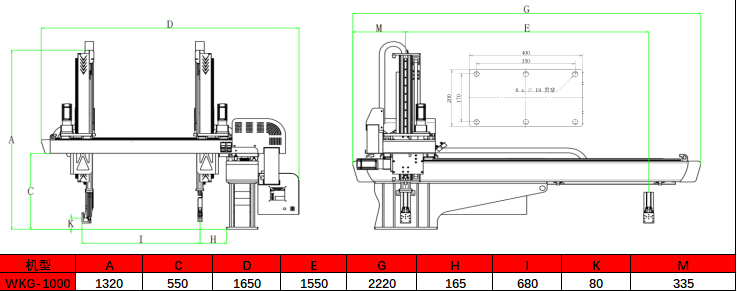
IV. Selection Guide: Matching Requirements Based on "Role Positioning"
When selecting a three-axis servo robotic arm, consider not just high or low specifications but also the end customer's automation stage and application scenario to select a suitable model for the role. The following three core dimensions serve as key considerations for model selection:
1. Identify the end customer's automation stage.
If the customer is in the "manual replacement" phase (e.g., a small injection molding plant): Select a "basic replacement" model, focusing on payload (1-5kg), basic accuracy (±0.1mm), and cost control. No additional high-end communication features are necessary.
If the customer is in the "process integration" phase (e.g., a medium-sized electronics factory): Select a "process integration" model, requiring support for trajectory control and I/O interfaces to ensure compatibility with the customer's existing equipment (e.g., machine tools, conveyors).
If the customer is in the "intelligent upgrade" phase (e.g., a large new energy plant): Select an "intelligent hub" model, requiring support for industrial Ethernet and data upload capabilities, and ensuring the servo system has state awareness capabilities to meet MES system integration requirements.
2. Matching Industry-Specific Needs
The environmental and process requirements vary significantly across industries, necessitating targeted machine model selection:
Precision manufacturing (3C, semiconductor): Prioritize positioning accuracy and repeatability, choosing a servo system equipped with an absolute encoder;
Heavy industry (automotive, construction machinery): Focus on load capacity and mean-time-between-times (MTBF), choosing a machine with a reinforced body structure and a higher-power motor;
Health industry (food, pharmaceutical): Ensure material compliance (e.g., stainless steel body, food-grade lubricant) to avoid customer compliance risks due to material issues.
3. Focus on Lifecycle Costs
Wholesale buyers should consider not only the "purchase cost" but also the "lifecycle cost" (including maintenance, energy consumption, and upgrades) of the end customer:
Maintenance Costs: Choose models with modular designs for servo motors and reducers. This allows for easier component replacement, reducing subsequent maintenance time and costs.
Energy Costs: Prioritize servo systems with an "energy-saving mode," which automatically reduces energy consumption during standby or light-load conditions, saving customers money on long-term electricity costs.
Upgrade Costs: Confirm whether the model supports "firmware upgrades" and "function expansion" (such as adding a vision system later) to avoid the need to repurchase equipment due to customer upgrade needs.
Conclusion: Three-Axis Servo Robot Arms Usher in the "New Hub Era" of Industrial Automation
The shift in the role of three-axis servo robotic arms, from "simple replacement" to "intelligent hub," is not only the result of technological evolution but also a microcosm of the evolution of industrial automation from "efficiency-first" to "flexible intelligence." For global wholesale buyers, capitalizing on this shifting trend means providing end customers with solutions that are more tailored to their needs and offer greater value, thereby gaining a competitive edge in the fierce supply chain.
In the future, as AI algorithms and servo technology further integrate, three-axis servo robotic arms will possess autonomous learning capabilities—they can optimize motion paths based on historical data and even predict potential failures. This trend will further solidify their position as the core of industrial automation and provide buyers with more opportunities in niche markets.