
Leave Your Message
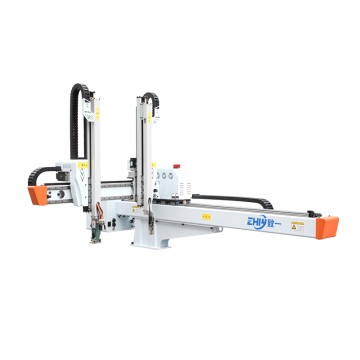
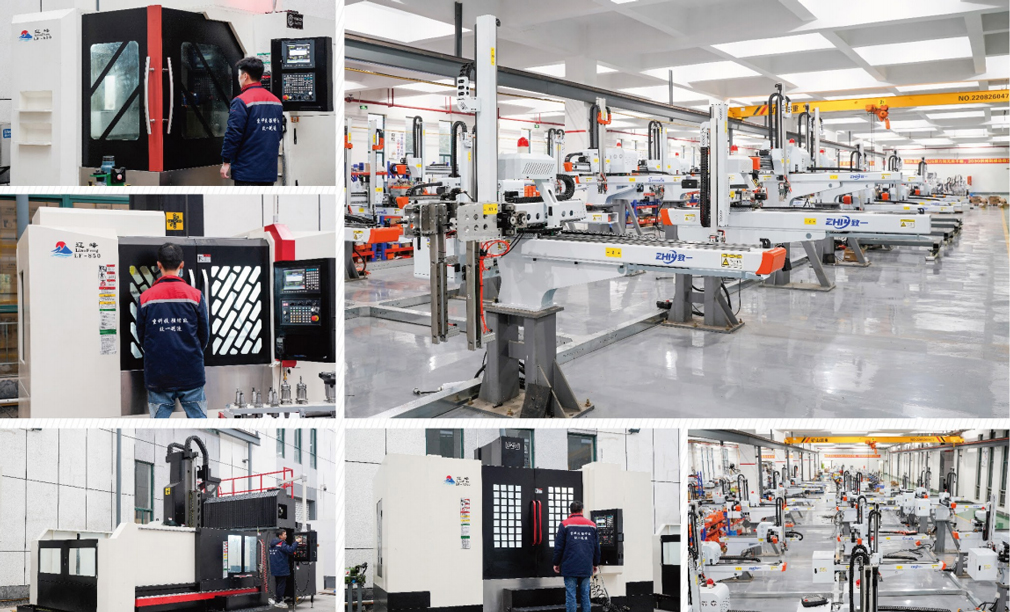
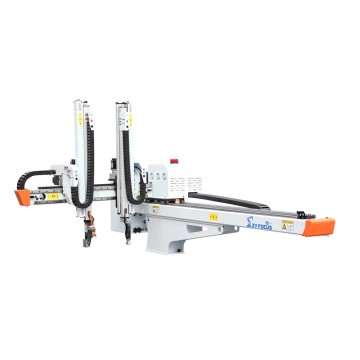
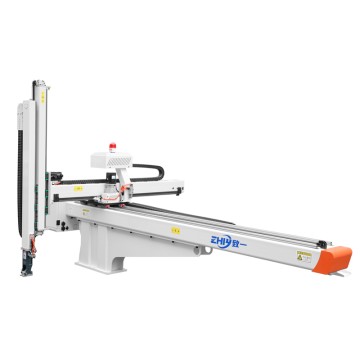
Russian Small and Medium-Sized Injection Molding Plants: Controlling Procurement Costs for 3-Axis Servo Robots
Russian Small and Medium-Sized Injection Molding Plants: Controlling Procurement Costs for 3-Axis Servo Robots
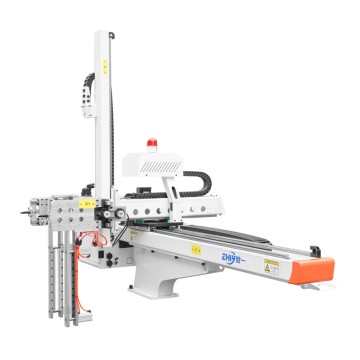
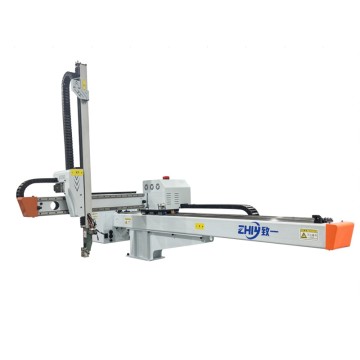
Amidst the wave of intelligent transformation sweeping through Russia's manufacturing sector, the injection molding industry—serving as a core supporting industry for fields such as packaging, automotive, and home appliances—is entering a critical phase of automation upgrades. For small and medium-sized injection molding plants, which constitute the vast majority of the industry, 3-axis servo robots represent core equipment for achieving automated production, addressing labor shortages, and boosting production efficiency. However, the prudent control of procurement costs directly determines the Return on Investment (ROI) for these automation initiatives. Drawing upon the specific market characteristics, equipment procurement demands, and cost-control pain points prevalent in the Russian injection molding sector, this article outlines a comprehensive strategy for managing the procurement costs of 3-axis servo robots—spanning the entire lifecycle from selection and purchasing to operation—thereby enabling Russian small and medium-sized plants to achieve the automation upgrade goal of "low initial investment, high-value returns."
I. Precise Selection: Eliminating Unnecessary Costs at the Source and Aligning with Actual Production Needs
Improper equipment selection is the most common source of cost wastage when injection molding plants procure 3-axis servo robots. Specifying excessive load capacities or unnecessarily long travel strokes not only inflates the unit price of the equipment but also leads to sustained losses in terms of energy consumption and maintenance costs over the long term. Most small and medium-sized injection molding plants in Russia focus primarily on small-to-medium batch production across a diverse range of product categories; consequently, their mold dimensions and clamping forces tend to remain relatively fixed. Therefore, precisely matching the robot's specifications to the parameters of the Injection Molding Machine and the specific production requirements constitutes the critical first step in controlling procurement costs.
1. Match Load Capacity to Injection Molding Machine Clamping Force: Avoid "Oversizing"
The clamping force of an injection molding machine directly dictates the required load capacity of the robot and serves as a primary determinant of the equipment's price. For the mainstream injection molding machines (with clamping forces ranging from 100 to 300 tons) typically found in Russian small and medium-sized plants, a 3-axis servo robot with a load capacity of 5–20 kg is sufficient to meet the vast majority of part extraction requirements. If the clamping force is below 100 tons, a lightweight robot with a load capacity of ≤5 kg will suffice; there is no need to pursue higher-capacity models. For instance, in plants manufacturing daily-use plastic goods or small packaging components, a 3-axis robot with a load capacity under 10 kg is perfectly capable of meeting production demands—and, compared to higher-capacity models, can reduce procurement costs by 20% to 30%.
2. Determine Travel Distances Based on Mold Dimensions; Strictly Control Key Equipment Parameters
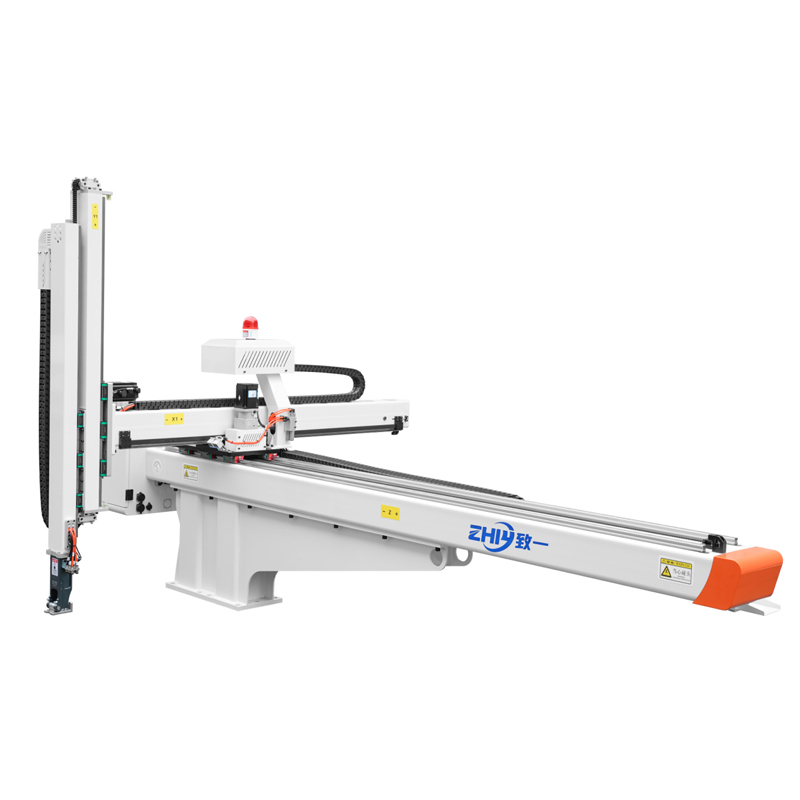
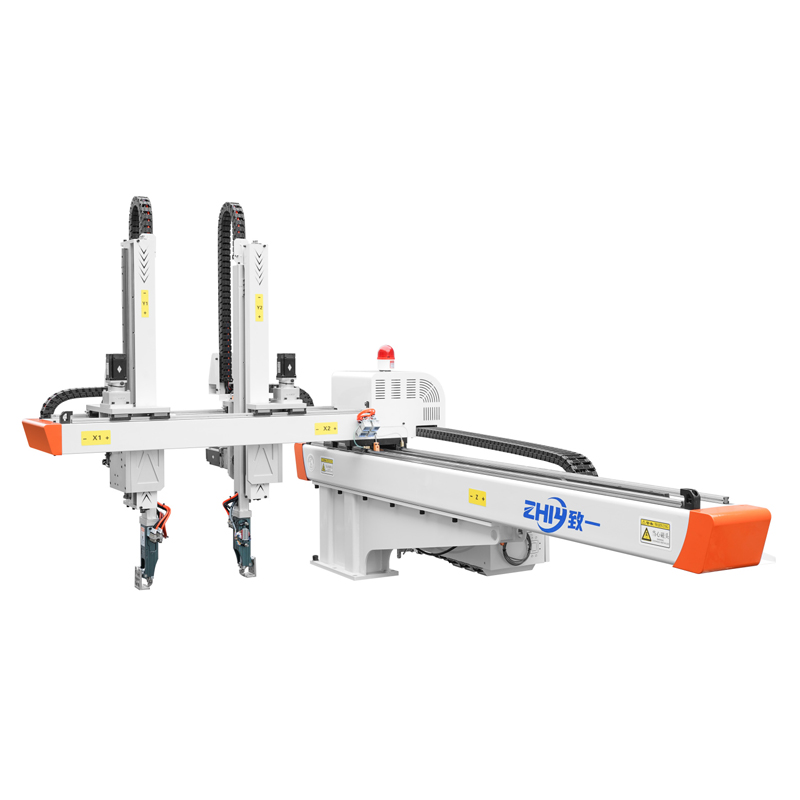
The horizontal travel, vertical travel, and arm extension length of the manipulator must precisely match the external dimensions and tie-bar spacing of the mold; excessive travel distances will directly drive up equipment costs. During the selection process, priority should be placed on measuring the tie-bar spacing (the Manipulator Arm width must be 5–10 mm less than the tie-bar spacing to ensure a safety clearance) as well as the mold height and depth (which determine the required vertical travel and extension length) to avoid cost wastage caused by redundant travel capacity. For the small-to-medium-sized molds commonly found in Russian injection molding plants, a three-axis manipulator with a horizontal travel range of 800–1200 mm and a vertical travel range of 600–1000 mm is sufficient to meet operational needs. Models featuring these standard parameters not only come with a lower initial purchase price but also offer cost advantages regarding future spare parts replacement and maintenance.
3. Match Speed to Production Cycle; Avoid Blindly Pursuing High-End Configurations
The speed rating of a Servo Manipulator is directly correlated with the power output of its servo motors; equipment equipped with high-speed motors naturally commands a higher price. For small-to-medium-sized injection molding plants in Russia, typical injection molding cycles range from 15 to 30 seconds. Consequently, selecting a three-axis servo manipulator with a standard speed range is entirely adequate, as its cycle time can perfectly synchronize with the injection molding cycle, rendering the purchase of a specialized high-speed model unnecessary. If the facility focuses on producing a single category of injection-molded products with long production cycles, opting for a basic-speed version can further reduce procurement costs.
II. Scientific Procurement: Controlling Costs in the Procurement Process to Achieve High Cost-Effectiveness
The Russian market for injection molding machinery relies heavily on imports—particularly regarding high-precision servo manipulators. Consequently, the channels, negotiation strategies, and cooperative models employed during the procurement phase directly impact the total acquisition cost. Small-to-medium-sized injection molding plants must move beyond the misconception of "simply driving down prices" and instead approach procurement from three key angles—channel selection, negotiation strategy, and cooperative models—to effectively control both the explicit and implicit costs of acquisition while simultaneously ensuring the quality of the equipment.
1. Select Direct Suppliers to Minimize Markups from Intermediate Channels
Traditional procurement channels within the Russian plastics machinery market often involve multiple layers of intermediaries or distributors. The markups applied by these intermediate parties can range from 15% to 30%, representing a significant factor that drives up overall procurement costs. As Sino-Russian economic and trade cooperation deepens, selecting a manufacturer of 3-axis servo manipulators with direct overseas supply capabilities allows buyers to bypass intermediate agents entirely. This enables direct factory-to-factory procurement, potentially reducing purchasing costs by 10% to 20% solely through the elimination of intermediary channels. Furthermore, direct-supply vendors offer more immediate and direct after-sales technical support, thereby minimizing future maintenance costs that might otherwise arise from communication bottlenecks with intermediaries.
2. Data-Driven Negotiation: Focus on "Total Cost" Rather Than "Unit Price" Alone
The essence of procurement negotiation lies not in driving the equipment's unit price to its absolute minimum, but in managing the *total* procurement cost (comprising the unit price, shipping fees, customs duties, installation and commissioning charges, and long-term maintenance expenses). Small and medium-sized injection molding plants in Russia should first define their specific technical parameters and requirements. They should then request detailed price breakdowns from 3 to 5 potential vendors, clearly identifying the proportion of each cost component (e.g., whether shipping or overseas installation fees are included in the quoted price). By comparing the *total* costs quoted by different vendors—rather than merely comparing unit prices—buyers can negotiate from a more informed and strategic position. For instance, while a particular vendor's unit price might be slightly higher, the inclusion of free overseas installation and commissioning services—along with a 1-to-2-year warranty covering free spare parts replacement—may result in a lower *total* cost in the long run.
3. Tailor Customization to Production Needs: Avoid Excessive Customization
Customized features on 3-axis servo manipulators (such as specialized grippers or sprue separation devices) inevitably increase procurement costs. For small and medium-sized injection molding plants in Russia, if the product range remains relatively stable, a standard, base-model manipulator is often sufficient to meet operational needs. By opting for a standard model and customizing only the specific grippers to suit the product's unique characteristics—rather than commissioning a fully customized machine—buyers can reduce procurement costs by 15% to 25%. Conversely, if the production schedule requires handling a diverse range of products, buyers should select a standard model that supports "quick gripper interchangeability." This allows the manipulator to adapt to various molds simply by swapping out the grippers, thereby satisfying diverse production requirements without incurring the significant financial outlay associated with a fully customized system.
III. Evaluating Long-Term Operational Costs: Low Purchase Price ≠ Low Total Cost; Focus on the Equipment's Full Lifecycle Cost
For small and medium-sized injection molding plants in Russia, the initial purchase price of a 3-axis servo manipulator represents only a portion of the total investment. Long-term operational costs—including subsequent energy consumption, routine maintenance, and spare parts replacement—can account for approximately 40% to 60% of the equipment's *full lifecycle cost*. During the procurement phase, prioritizing equipment energy efficiency, reliability, and ease of maintenance is crucial for controlling long-term costs—and serves as a core extension of the concept of "low-cost procurement."
1. Prioritize Energy-Efficient Servo Systems to Reduce Daily Energy Consumption Costs
Industrial electricity costs in Russia are relatively high; consequently, the energy consumption of a three-axis manipulator's servo system directly impacts daily production expenses. When procuring equipment, selecting units equipped with high-efficiency, energy-saving servo motors can reduce energy consumption by 20%–30% compared to traditional servo systems. Based on a single unit operating 16 hours per day, this translates to annual electricity savings of several thousand rubles. Over the long term, the cumulative energy savings far outweigh the marginal price difference paid during the initial equipment purchase.
2. Focus on Equipment Certification and Quality Control to Minimize Future Faults and Maintenance Costs
Equipment reliability directly determines maintenance costs. Therefore, procurement should prioritize three-axis servo manipulators that hold international certifications such as ISO9001 and CE. Such equipment undergoes rigorous factory testing, resulting in lower failure rates and effectively reducing production downtime losses and maintenance expenses caused by equipment malfunctions. Furthermore, it is essential to verify whether the supplier can provide standard, globally available spare parts. This prevents the high replacement costs and prolonged downtime that can result from parts scarcity; for injection molding facilities in Russia, the availability of spare parts is often a more critical factor than the initial purchase price of the equipment itself.
3. Select Suppliers Offering Overseas After-Sales Support to Control Maintenance Service Costs
There is a significant shortage of skilled industrial robot maintenance technicians within Russia. Consequently, if a manipulator malfunctions, relying solely on local repair services can be both expensive and time-consuming. During procurement, it is vital to incorporate overseas after-sales support into the contract terms. This may include requiring the supplier to provide 24/7 remote technical guidance, clearly defined response times and fee structures for on-site visits by overseas engineers, and complimentary training on equipment operation and maintenance—thereby avoiding the exorbitant maintenance costs that can arise later due to a lack of guaranteed after-sales support. Additionally, some suppliers with established overseas service networks can offer free periodic equipment inspections, allowing for the proactive identification of potential faults and a reduction in future repair expenditures.
IV. Aligning with Russian Market Characteristics: Optimizing Procurement Strategies Based on Industry Policies and Market Demand
The Russian injection molding industry is currently experiencing a boom in automation upgrades. With government initiatives encouraging the intelligent transformation of the manufacturing sector—and a clear market demand for import substitution within the plastics machinery sector—small and medium-sized (SME) injection molding plants can further reduce procurement costs and enhance the cost-effectiveness of their automation upgrades by aligning their purchasing decisions for 3-axis servo manipulators with local market characteristics and policy directives.
1. Capitalizing on the Dividends of China-Russia Economic Cooperation to Secure Import Cost Advantages
At present, the volume of plastics machinery imported into Russia from China has surged significantly, bolstered by continuously improving logistics channels between the two nations. Compared to European and American brands, Chinese-manufactured 3-axis servo manipulators offer not only lower unit prices but also shorter shipping lead times and more favorable tariff costs. Russian SME injection molding plants should prioritize suppliers with deep expertise in the China-Russia injection molding machinery market, leveraging the benefits of bilateral economic cooperation to minimize additional costs such as import shipping fees and tariffs.
2. Aligning with Industry Upgrade Requirements: Opting for "Upgradeable and Expandable" Equipment
The automation upgrade of Russia's injection molding industry is a long-term process, and the production requirements of SME plants may gradually evolve alongside market developments. When purchasing 3-axis servo manipulators, selecting models that support future functional upgrades—such as the addition of a rotating auxiliary arm or expansion to 4-axis or 5-axis capabilities—eliminates the need to purchase entirely new equipment when production scales up later. Instead, new production demands can be met simply by installing upgrade kits, thereby significantly reducing the costs associated with secondary equipment procurement.
3. Pooling Procurement Efforts to Lower Unit Prices and Leverage Industry Resources for Economies of Scale
For SME injection molding plants located within the same region in Russia and sharing similar production requirements, collective procurement—facilitated through industry associations—offers a strategic advantage. By jointly placing bulk orders for 3-axis servo manipulators with suppliers, these plants can leverage the power of large-scale purchasing to negotiate lower unit prices, more favorable payment terms, and more comprehensive after-sales support. Compared to individual plant procurement, collective purchasing can reduce the unit price by 10% to 20%; furthermore, it enables the consolidation of industry resources—such as shared equipment maintenance and operator training services—thereby further reducing overall operational costs.
V. Summary: The Core of Cost Control Lies in "Matching and Balancing" to Maximize Cost-Effectiveness
For small and medium-sized injection molding factories in Russia, controlling the procurement costs of 3-axis servo manipulators is not merely a matter of "chasing the lowest price." Rather, it involves identifying the optimal equilibrium between equipment specifications and production requirements, between unit purchase prices and total comprehensive costs, and between initial capital outlay and long-term operational expenses. By precisely matching manipulator parameters to the injection molding machines—thereby avoiding unnecessary configurations—and by scientifically selecting procurement channels to minimize intermediary costs, factories can focus on the equipment's entire lifecycle cost, balancing both energy efficiency and operational reliability. Furthermore, by tailoring procurement strategies to the specific characteristics of the Russian market and leveraging the economic and trade dividends between China and Russia, these factories can truly achieve the goal of acquiring 3-axis manipulators that offer "low cost and high cost-effectiveness."
#RussianInjectionMoldingFactories #3AxisServoManipulators #3AxisManipulatorCostControl #SMEInjectionMoldingAutomation #RussianInjectionMoldingEquipmentSelection #3AxisManipulatorProcurementGuide #RussianSMEAutomationUpgrades #ManipulatorLifecycleCostControl #ChinaRussiaMachineryProcurement