
Leave Your Message
In an Era of Rising Labor Costs: How Three-Axis Servo Robots Are Reshaping the Global Manufacturing Landscape
In an Era of Rising Labor Costs: How Three-Axis Servo Robots Are Reshaping the Global Manufacturing Landscape
The U.S. Bureau of Labor Statistics' report for the first quarter of 2025 shows a 1.6% year-on-year increase in unit labor costs in the manufacturing industry. Meanwhile, the Samho Shoe Factory in Ho Chi Minh City, Vietnam, faces a labor shortage of 1,500 employees despite offering a monthly salary of $314. Global manufacturing stands at a critical turning point. The cost crisis sweeping Europe and the United States and the labor shortage in Southeast Asia are not isolated phenomena, but rather a concentrated outbreak of profound contradictions between traditional production models and the modern labor market. Against this backdrop, three-axis servo robots are rapidly evolving from auxiliary equipment in the corners of the workshop to a core engine of manufacturing transformation, redefining the rules of global industrial competition.
A Global Mirror of the Labor Crisis: The Manufacturing Dilemma Behind the Data
The global manufacturing industry is facing unprecedented labor challenges, manifesting themselves in different forms in developed economies and emerging manufacturing hubs. In the United States, despite a 4.5% increase in manufacturing productivity in the first quarter of 2025, unit labor costs continue to climb, meaning that even the gains from efficiency improvements are being eroded by rising labor costs. More alarmingly, the stark contrast between the 0.8% decline in labor productivity in the non-agricultural business sector and the 5.7% increase in unit labor costs reveals that the traditional growth model reliant on human input is no longer sustainable.
Meanwhile, Southeast Asia, once considered a "labor paradise," is undergoing profound structural changes. Among Vietnam's 70% of working-age population, a growing number of young people are abandoning factory jobs for digital economy sectors like food delivery and livestreaming e-commerce. The rise of platforms like TikTok Shop has created a completely new employment ecosystem. The story of a Laotian university student who earned 1 billion kip in six months by livestreaming massage products is having a powerful impact among young people. This shift in employment preferences directly resulted in the following: after the 2024 Spring Festival, even with travel subsidies, the Samho shoe factory only managed to recruit just over 300 workers in two months, struggling to fill its 1,500 vacancies. Aon Group survey data further indicates the sustainability of this trend—by 2025, wages in Vietnam are projected to increase by 6.7%, in Indonesia by 6.3%, and in the Philippines by 5.8%. This means that the "cheap labor" advantage that Southeast Asian manufacturing relies on is rapidly eroding, forcing companies to face a harsh reality: whether in Europe, the US, or Southeast Asia, a production model that relies on expanding workforces is not only costly but also increasingly unsustainable. This global labor crisis is forcing manufacturing companies to re-evaluate their production methods, paving the way for the widespread adoption of automation technology.
The Three-Axis Servo Robot's Three-Dimensional Value Revolution: Reshaping Efficiency, Cost, and Safety
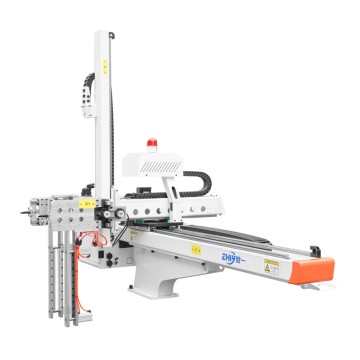
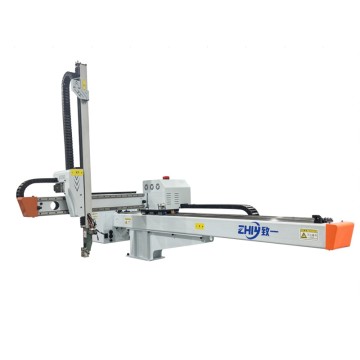
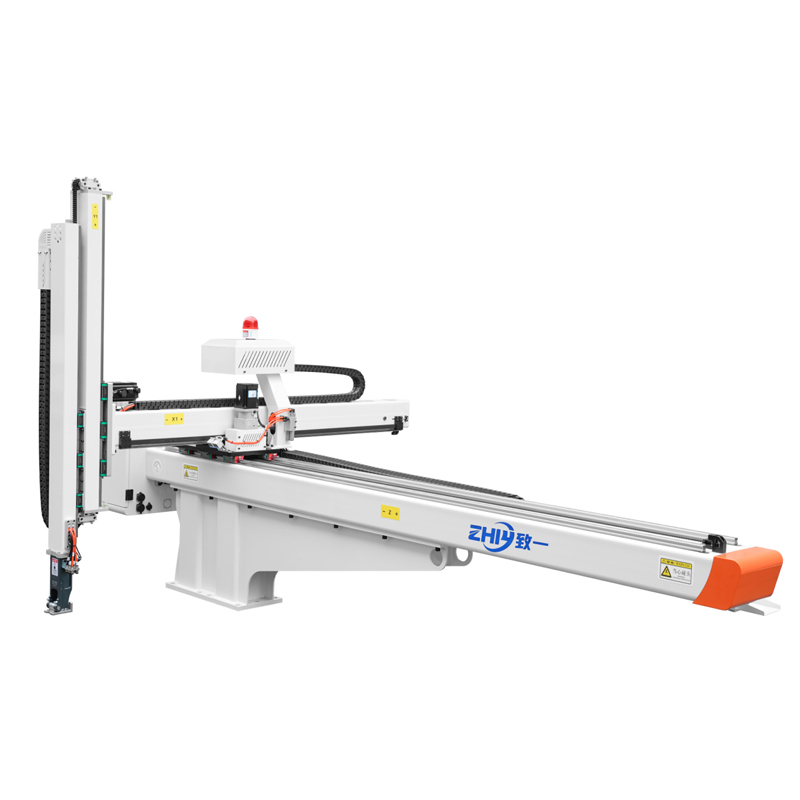
Facing severe labor market challenges, three-axis servo robots, with their unique technological advantages, are reshaping the manufacturing industry's value creation model. This revolutionary automation equipment does not simply replace labor; rather, by comprehensively restructuring production processes, it achieves multi-dimensional improvements in efficiency, cost, and safety, providing companies with a systematic solution to addressing the labor crisis.
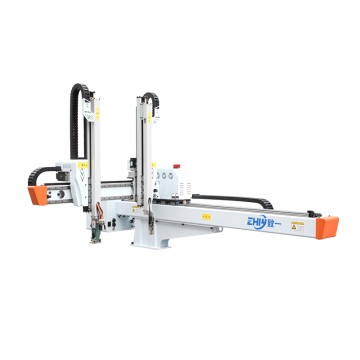
In terms of efficiency improvement, three-axis servo robots demonstrate impressive performance advantages. In a typical application scenario in the injection molding industry, manual part removal typically takes 3-5 seconds, while a robot can complete the same task in just 1-2 seconds, achieving a nearly threefold increase in efficiency. More importantly, the Robot Maintains a steady work pace, unaffected by fatigue, mood swings, or individual skill differences. This stability enables companies to precisely plan production cycles and significantly improve equipment utilization. While manual workers typically only spend around 80% of their time working effectively, robots can achieve nearly 100% effective working time, significantly increasing overall productivity. Advanced models like the Truman three-axis cantilever truss robot, with its ±0.02mm repeatability, completely eliminate positioning errors commonly encountered in manual operations, providing a solid guarantee for consistent product quality.
From a cost-effective perspective, the return on investment (ROI) of a three-axis servo robotis highly attractive. While a one-time equipment investment is required, the payback period is typically only 8-12 months, depending on the type of injection molded product. This rapid payback is primarily driven by three factors: direct labor cost savings (one robot can replace at least one worker); reduced management costs (reduced employee recruitment, training, and supervision expenses); and material savings from reduced scrap rates. In regions like Vietnam, where labor costs are rapidly rising and monthly wages approach $300, a Single Robot can save over $3,600 in labor costs annually, far exceeding equipment maintenance costs. In the long term, the robot's continuous operating capability (over 300 days per year in 24-hour operation) and approximately 10-year service life create sustainable cost advantages for businesses.
Safety and quality assurance are another key value proposition of three-axis servo robots. Manual operations in the injection molding industry present the constant risk of mold accidents and injuries, but the use of robots completely eliminates these safety hazards. Robots from brands like Truman also feature a special pressure detection system that automatically alarms and activates a fall arrest mechanism when pressure is insufficient, ensuring the safety of both personnel and equipment. In terms of quality control, the robot's standardized operation avoids common manual errors, such as missed products leading to production interruptions. Furthermore, stable operation quality reduces defective product rates, indirectly enhancing a company's market competitiveness.
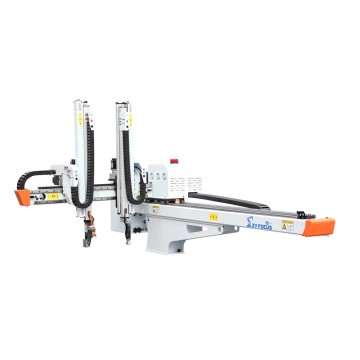
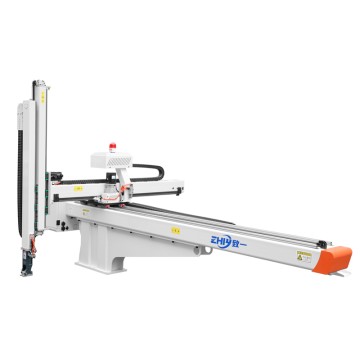
Compared to higher-configuration robots like five-axis robots, three-axis models maintain their core advantages while offering superior cost-performance. They forgo redundant features typically required for complex work conditions, focusing on meeting the core requirements of most manufacturing scenarios and making them particularly suitable for automation transformation for small and medium-sized enterprises. This precise positioning makes three-axis servo robots the "price-performance king" of current manufacturing automation upgrades, demonstrating unique market competitiveness amidst rising labor costs.
A Revolution in Applications: Automation Penetration from Injection Molding Shops to Global Supply Chains
The application value of three-axis servo robots is not limited to theoretical considerations; it has been fully demonstrated in various scenarios across the global manufacturing industry. From widespread adoption in the injection molding industry to rapid penetration in automotive parts, electronics assembly, and other fields, this type of automated equipment is reshaping production paradigms across various industries, providing a replicable transformation path for all types of manufacturing companies. Real-world cases demonstrate that the value creation of three-axis servo robots is not only reflected in optimizing individual production processes, but also in driving the intelligent upgrade of the entire manufacturing system through collaboration with upstream and downstream equipment.
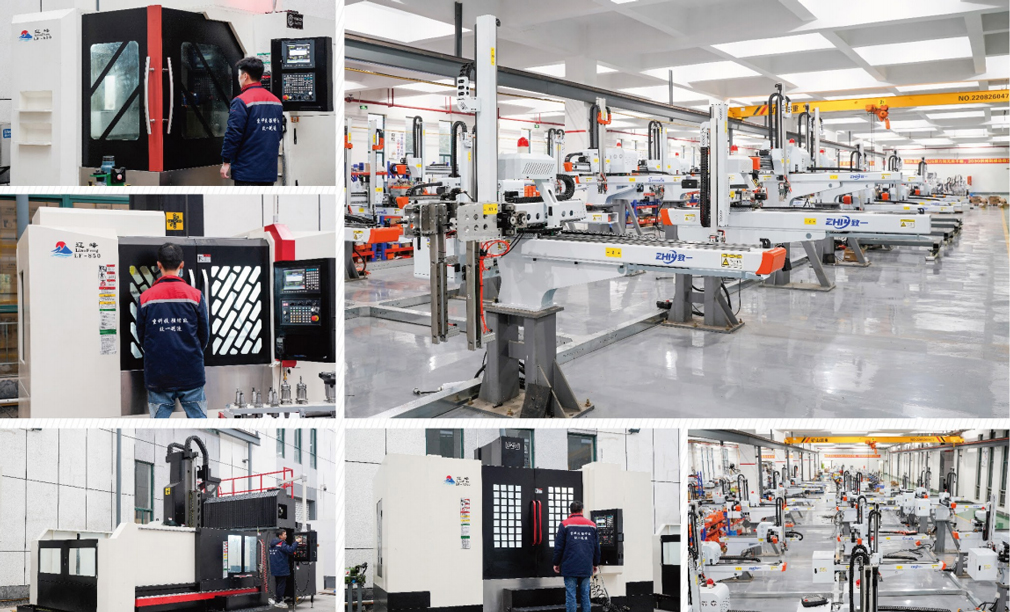
The injection molding industry is the most mature application area for three-axis servo robots and best demonstrates their transformative power. Within this industry, robots have evolved from simple part removal tools to the core hub of full-process automation, integrating with automatic nozzle shears, in-mold inserts, labelers, and robotic conveyor lines to form a complete automated production line. A Vietnamese injection molding company introduced a three-axis robot, which not only solved its labor recruitment challenges but also, through integration with its mold optimization system, completely redesigned its production process: the entire process from injection molding to post-processing eliminates manual intervention, resulting in a 40% increase in production efficiency and a 15 percentage point reduction in scrap rates. This transformation has enabled the company to maintain product price competitiveness in a market where labor costs are increasing by 6.7% annually.
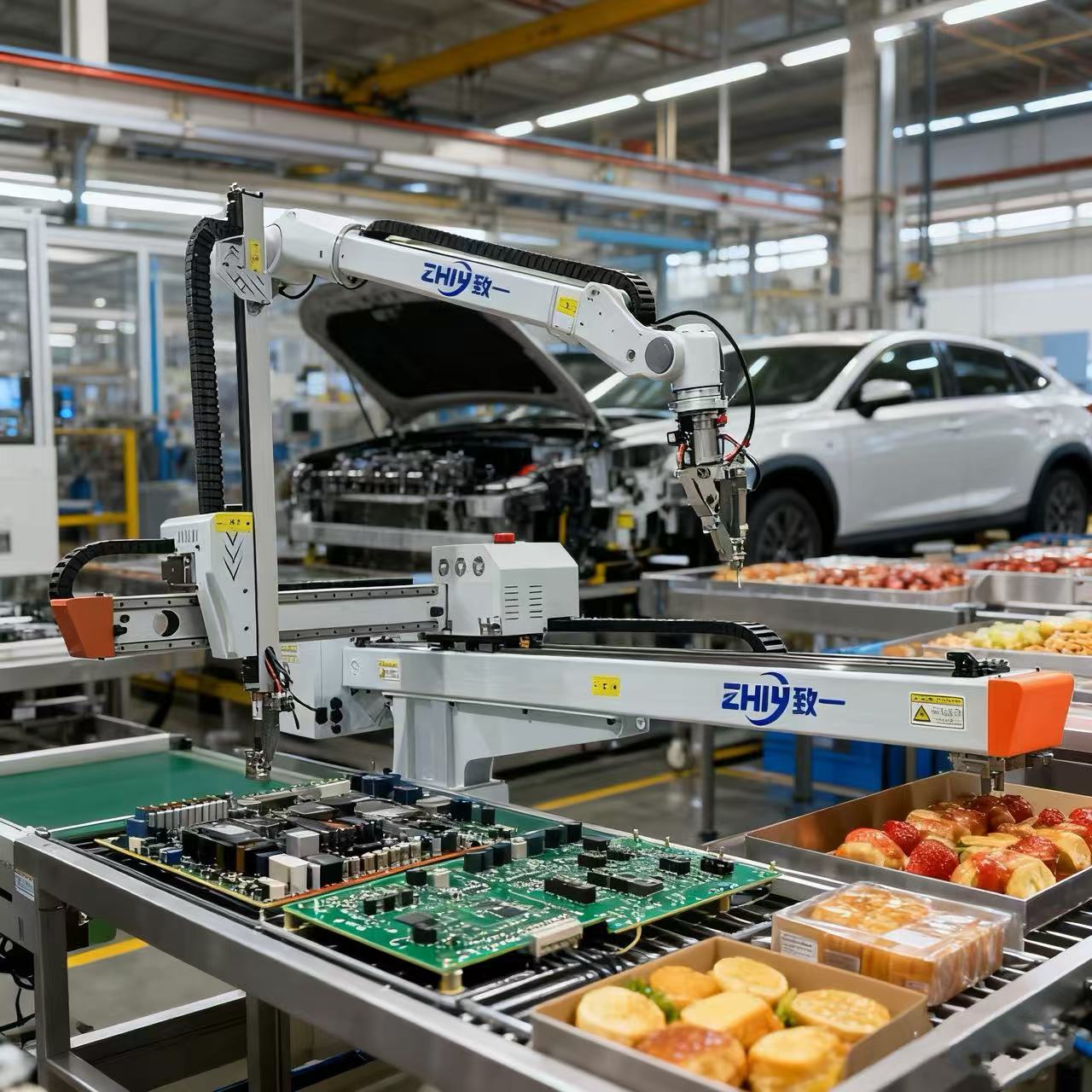
The automotive parts manufacturing industry is rapidly adopting three-axis servo technology. In physically demanding tasks like engine block handling and transmission case assembly, three-axis cantilever truss robots from brands like Truman, thanks to their structural design combining high-strength aluminum alloy and high-quality steel, easily handle high loads. A Malaysian automotive parts manufacturer demonstrated that the introduction of a three-axis robot to handle heavy workpieces not only eliminated injuries caused by manual handling but also reduced process turnaround time from 8 minutes to 2 minutes, significantly improving the overall flow of the production line. Because the robot can precisely follow pre-set trajectories, the product qualification rate in assembly processes requiring precise coordination has increased from 92% with manual operation to 99.5%, significantly reducing rework costs.
The precision assembly needs of the electronics manufacturing industry highlight the flexible advantages of three-axis servo robots. As consumer electronics products evolve towards miniaturization and higher precision, manual assembly becomes increasingly challenging. Three-axis robots, combining servo motors with precision transmission systems, can perform precise operations down to 0.1mm, perfectly adapting to the component assembly requirements of products like mobile phones and tablets. A Thai electronics contract manufacturer adopted a three-axis robotic arm for circuit board insertion, not only addressing the reluctance of young workers to engage in tedious and repetitive work but also increasing insertion speed from 1,200 manually per hour to 2,500, while reducing the error rate from 3‰ to less than 0.5‰. This dual improvement in precision and efficiency gives it a key advantage in handling high-end orders.
Three-axis servo robotic arms have also performed exceptionally well in logistics and warehousing automation. Their wide and rapid range of motion on the X and Y axes, combined with precise lifting and lowering on the Z axis, makes them ideal for sorting, handling, and stacking a wide variety of goods. The flexible interchangeable end effector design (accommodating various tools, such as grippers and vacuum cups) enables the same device to handle items of varying shapes and weights, meeting the diverse product demands of e-commerce warehousing and other applications. A Singaporean logistics company demonstrated that an automated sorting system comprised of three-axis robotic arms achieved five times the efficiency of manual labor and could operate 24/7. In the Singaporean market, where labor costs are high, the investment in the equipment was recovered in just six months. These cross-industry application cases reveal a common principle: the value of three-axis servo robotic arms lies not only in replacing human labor but also in reshaping production processes through automation, unlocking efficiency potential hidden under traditional models. In a global manufacturing environment plagued by rising labor costs and labor shortages, this transformation is no longer an optional upgrade but an inevitable choice for business survival and development.
Compliance and Assurance: Technical Standards and Service Systems in a Global Context
In the context of globalized manufacturing, three-axis servo robotic arms must overcome the technical barriers and compliance requirements of different markets to become true "global citizens." For manufacturers seeking overseas expansion, the compliance of automation equipment is not only a passport to enter target markets but also a foundation for ensuring production safety and maintaining brand reputation. By strictly adhering to international standards and building a comprehensive service system, three-axis servo robotic arm manufacturers provide global customers with automation solutions that combine technological advancement with compliance and safety, eliminating the worries of business transformation.
CE certification for the EU market is a key benchmark for industrial robot compliance, with the EN ISO 10218 standard forming a core requirement. This standard, divided into two parts, comprehensively covers the safety requirements for industrial robots and their integrated systems. For three-axis servo robot arms, this means meeting a series of stringent regulations, from the mechanical structure to the electrical system: the structure must withstand the expected workload, moving parts must be designed with crush and shear protection, the electrical system must comply with EN 60204-1 and be equipped with overload protection, and the control system must include key functions such as safe stop and speed limiting. Leading brands such as Truman have integrated these requirements into their product design, ensuring that robots pose no risk to operators under normal use, laying a solid foundation for entry into the European market.
Risk assessment and safety documentation are another key aspect of compliance. EN ISO 10218 requires manufacturers to conduct a comprehensive risk identification and assessment and implement appropriate mitigation measures based on the likelihood and severity of the hazard. This process focuses not only on the device itself but also considers potential risks in the entire working environment. Compliant three-axis servo robot arms must be accompanied by complete technical documentation, including a risk assessment report, safe use instructions, and a declaration of conformity. These documents are not only essential for market access but also provide important safety operating guidelines for enterprise users, helping them establish a comprehensive equipment management system.
To meet the diverse needs of different markets, three-axis servo robot manufacturers also offer customized compliance solutions. In the North American market, in addition to complying with OSHA standards, some industries have specific requirements. In Southeast Asia, while certification requirements are relatively relaxed, equipment must adapt to unique environmental conditions such as high temperature and high humidity. Leading brands utilize modular designs, enabling rapid adjustments to product configurations to meet regional standards. For example, they can enhance cooling systems for customers in tropical regions or upgrade dust protection for precision manufacturing clients. This flexibility enables three-axis servo robots to seamlessly integrate into production environments worldwide, providing a unified automation solution for multinational manufacturers.
A comprehensive after-sales service system is crucial for ensuring compliance. The complexity of three-axis servo robots requires manufacturers to provide professional installation, commissioning, and training services. Brands like Truman provide not only operational training, but also maintenance and safety training, and maintain comprehensive training records. This not only complies with EN ISO 10218 requirements but also ensures that customers can use the equipment safely and efficiently. A global service network enables companies to receive timely technical support and spare parts, minimizing equipment downtime. This dual guarantee system of "certification + service" ensures that manufacturing companies not only meet regulatory requirements during their automation transformation, but also receive continuous operational support.
The Future Has Arrived: How Flexible Automation Defines New Advantages in Manufacturing
As rising labor costs become the new normal in global manufacturing, flexible automation technology, represented by three-axis servo robotic arms, is moving from marginal innovation to center stage, redefining core competitive advantages in the industry. This transformation is more than a simple equipment upgrade; it involves a profound transformation of production models, organizational structures, and even business models. Within the broader context of Industry 4.0, three-axis servo robotic arms are deeply integrated with emerging technologies such as the Internet of Things and big data, enabling manufacturing companies to build more resilient, efficient, and innovative production systems, ushering in a new chapter in intelligent manufacturing.
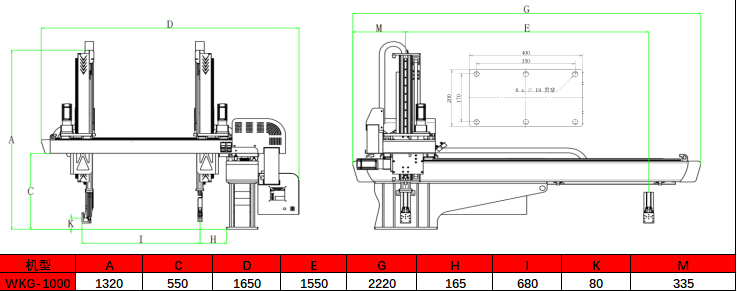
Flexible production capabilities will become a core competitive advantage in the future manufacturing industry. Traditional automation equipment is often designed for specific processes and struggles to adapt to the demands of high-mix, small-batch production. However, three-axis servo robotic arms, with their high programmability and modular design, demonstrate exceptional flexibility. Robotic arms from brands like Truman can quickly adapt to the production needs of different products by quickly changing their end effectors (converting from a gripper to a vacuum cup in minutes). This flexibility enables companies to achieve customized "batch size 1" production and quickly respond to market changes. This advantage is particularly evident in electronics manufacturing: when urgent production of a smartphone model needs to be increased, a production line equipped with a three-axis robot can be adjusted and converted within two hours, while a traditional line would require days to reconfigure.
IoT integration is giving three-axis servo robotic arms a new dimension.
The new generation of robotic arms incorporates built-in sensor systems that collect real-time operational data such as temperature, vibration, and energy consumption, transmitting this data to a cloud platform via Industrial Ethernet. Through data analysis, companies can implement predictive maintenance, enabling timely intervention before equipment failures occur, reducing the average downtime rate of 5% in traditional manufacturing to less than 1%. Even more revolutionary, the networking and collaboration of multiple robotic arms and production equipment creates a self-optimizing intelligent production cell. An automotive parts manufacturer demonstrated that the networking and collaboration of 10 three-axis robotic arms increased production scheduling efficiency by 30% and reduced energy consumption by 15%, fully demonstrating the advantages of intelligent clustering.
The restructuring of the labor force will be another significant change brought about by flexible automation. The widespread adoption of three-axis servo robotic arms does not simply reduce the number of workers; rather, it frees up human resources from repetitive tasks and allows them to focus on more creative work. In factories adopting robotic arms, traditional operators are transitioning into new roles such as equipment monitors, program debuggers, and production optimizers. These roles require higher skills and offer higher salaries. This transformation not only alleviates the pressure of low-skilled labor shortages but also helps companies cultivate a talent pool adapted to the demands of smart manufacturing. This human resource upgrade is particularly crucial in regions facing severe labor shortages, such as Vietnam. Young workers are more inclined to pursue technical jobs, which not only alleviates recruitment challenges but also improves the technical capabilities of the local manufacturing industry.
Sustainable development goals are driving the development of three-axis servo robots towards greater efficiency and energy conservation. The new generation of robots utilizes lightweight designs (such as the high-strength aluminum alloy used by Truman) and energy recovery technology, significantly reducing energy consumption. Compared to manual operation, the precise control of robots also reduces material waste, increasing raw material utilization by 5%-10% in the injection molding industry. These improvements not only lower production costs but also help companies reduce their carbon footprint and meet increasingly stringent environmental regulations. Against the backdrop of policies such as the EU Carbon Border Adjustment Mechanism (CBAM), the energy savings and emissions reductions achieved by the use of three-axis servo robots will directly translate into a competitive advantage for export products.
Market outlook data strongly supports this trend. While specific growth rates are yet to be updated, current trends indicate that the global three-axis servo robot market is growing at a double-digit rate, with growth exceeding 20% in emerging manufacturing hubs like Southeast Asia. This rapid growth stems not only from demand for automation within traditional manufacturing but also from innovative applications in emerging industries—from medical device assembly to food packaging, the application boundaries of three-axis servo robots are constantly expanding. As technological advances drive down costs, automation solutions once reserved for large enterprises are rapidly gaining popularity among small and medium-sized manufacturers, driving overall upgrades in the global manufacturing sector.
In this era of rising labor costs and increasingly diverse market demands, three-axis servo robots are no longer a fringe option but a strategic necessity for the survival and development of manufacturing companies. They deliver not only increased efficiency and cost savings but also a new kind of production capability—enabling companies to remain resilient amid uncertainty, establish competitive differentiation, and seize new growth opportunities amidst transformation. From precision manufacturing workshops in the United States to emerging factories in Southeast Asia, those companies that are the first to embrace this flexible automation technology are reshaping the competitive landscape of the global manufacturing industry and charting the course for its future development.