
Leave Your Message
Working principle of servo manipulator
Working Principle of Servo Manipulator: In-depth Analysis and Application
Servo manipulators play a pivotal role in the field of modern industrial automation. They are an indispensable part of the production line with their precision, efficiency and flexibility. This article will explore the working principle of servo manipulators in depth, from basic concepts to advanced applications, to provide readers with a comprehensive technical overview.
Overview of Servo Manipulators
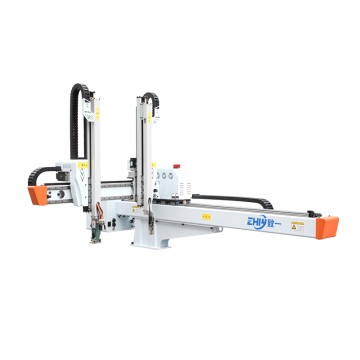
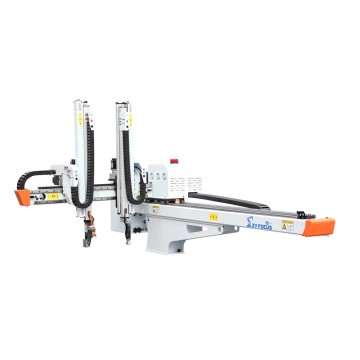
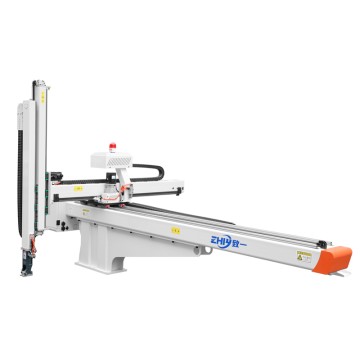
Servo manipulators, also known as Industrial Robots, are machines that can perform tasks automatically. They are usually composed of multiple joints and connecting rods, which can mimic the movement of human arms. The core of servo manipulators lies in the word "servo", which means that they can respond to external commands and accurately control position, speed and acceleration.
Basics of Servo System
1. Servo Motor
The servo motor is the power source of the servo manipulator. It can convert electrical energy into mechanical energy to drive the joint movement of the manipulator. Servo motors are divided into two categories: DC servo motors and AC servo motors, both of which can provide precise speed and position control.
2. Servo Drive
The servo drive is a device that controls the servo motor. It receives instructions from the controller and converts them into signals that the motor can understand. The driver is responsible for regulating the voltage and current of the motor to achieve precise speed and position control.
3. Controller
The controller is the brain of the servo system. It is responsible for processing input signals and generating instructions to control the motor. Modern servo manipulators usually use PLC (Programmable Logic Controller) or PC-based controllers, which are able to execute complex algorithms and achieve advanced control functions.
Working principle of servo manipulator
1. Motion control
The motion control of servo manipulators involves multiple levels, including point control, path control and speed control. Point control refers to the control of the manipulator moving from one position to another; path control involves precise movement along a predetermined path; speed control ensures that the manipulator moves at a constant or varying speed.
2. Feedback mechanism
In order to achieve precise control, servo manipulators are equipped with a variety of sensors, such as encoders and photoelectric sensors, which can provide real-time feedback on the position and speed information of the manipulator. This feedback information is used by the controller to adjust the operation of the motor to ensure that the manipulator moves according to the predetermined trajectory and speed.
3. Torque control
In some applications, servo manipulators also need to control the torque applied to the object. Torque control involves precise regulation of the motor current to achieve precise control of the force applied to the Robot Arm.
Components of a servo manipulator
1. Mechanical structure
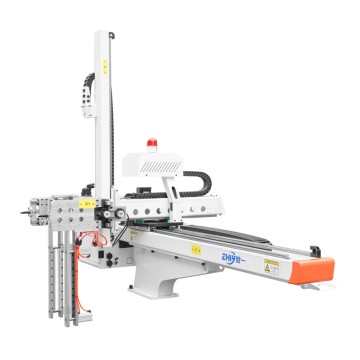
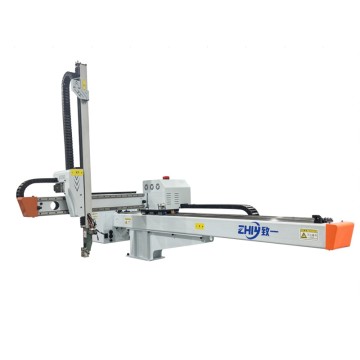
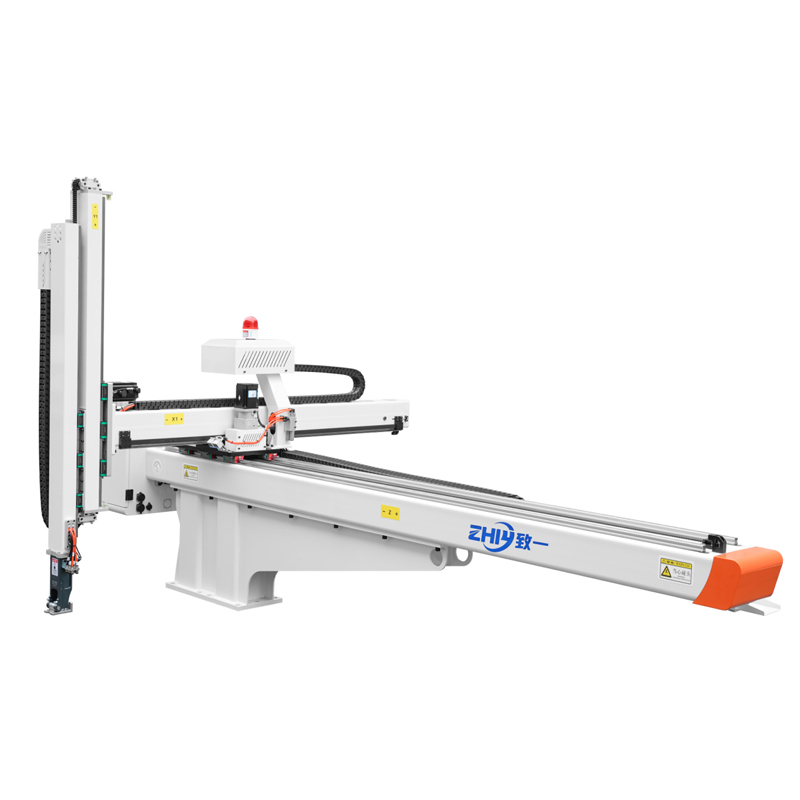
The mechanical structure of a servo manipulator includes a base, arm, wrist, and hand. The base provides stability, the arm and wrist are responsible for movement and positioning, and the hand is responsible for grasping and manipulating objects.
2. Transmission system
The transmission system is responsible for converting the rotary motion of the motor into linear or rotary motion of the manipulator. Common transmission methods include gear transmission, belt transmission, and direct drive.
3. Sensor system
The sensor system is the sensor organ of the servo manipulator, including position sensors, force sensors, and visual sensors. These sensors provide the controller with the necessary information for precise control.
Application of servo manipulators
1. Manufacturing industry
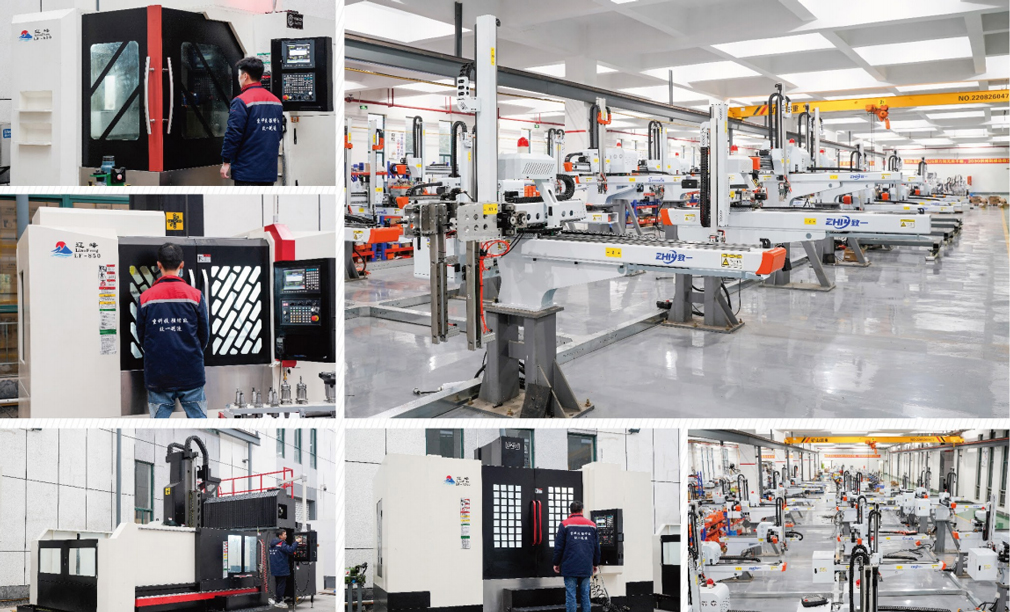
In the manufacturing industry, servo manipulators are widely used in tasks such as assembly, welding, spraying, and handling. They can improve production efficiency, reduce labor costs, and replace manual operations in hazardous environments.
2. Logistics industry
In the logistics industry, servo manipulators are used for cargo handling and sorting in automated warehouses. They can improve logistics efficiency, reduce cargo damage rate, and reduce labor intensity.
3. Medical field
In the medical field, servo manipulators are used for surgical assistance and rehabilitation training. They can provide precise operation, reduce surgical risks, and help patients with rehabilitation training.
Future development trend of servo manipulators
1. Intelligence
With the development of artificial intelligence technology, the intelligence level of servo manipulators will continue to improve. They will be able to learn autonomously and adapt to different working environments and tasks.
2. Collaboration
Future servo manipulators will pay more attention to human-machine collaboration, and they will be able to work with human workers to improve production efficiency and safety.
3. Flexibility
With the application of new materials and new technologies, servo manipulators will become more flexible and lightweight, and can adapt to more application scenarios.
Conclusion
As an important tool for industrial automation, the working principle and application field of servo manipulators are constantly expanding. With the continuous advancement of technology, servo manipulators will play a more important role in future production and life. This article is only a brief introduction to the working principle of servo manipulators. More technical details and application cases need to be explored and learned in actual work.