
Leave Your Message
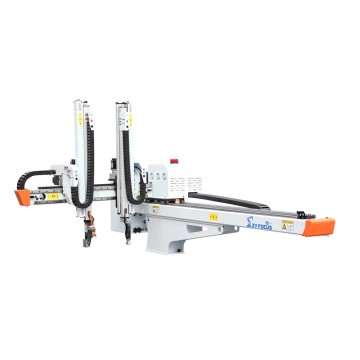
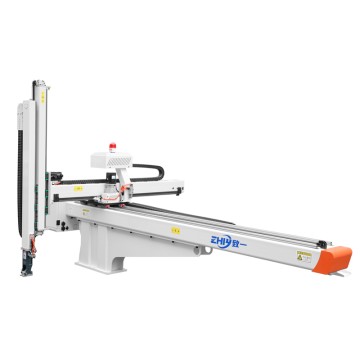
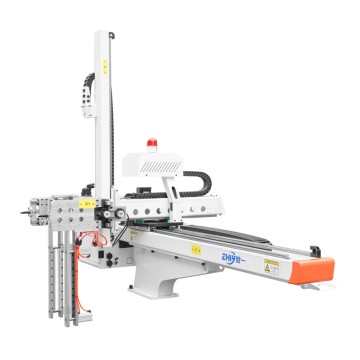
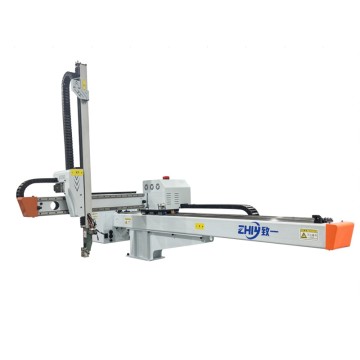
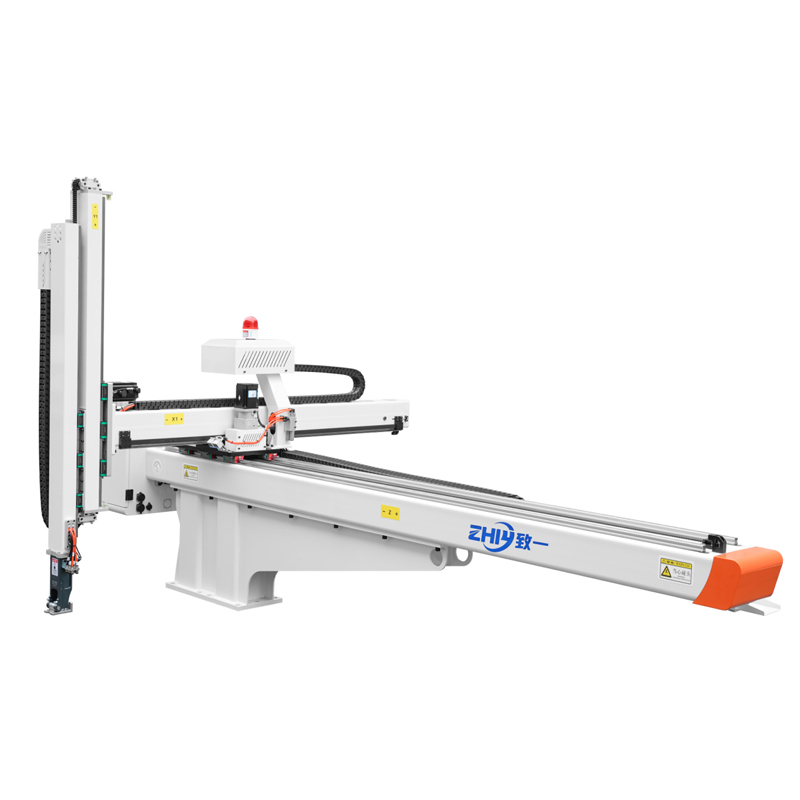
Which industries are experiencing the fastest growth in demand for injection molding machine servo robots?
Which industries are experiencing the fastest growth in demand for Injection Molding Machine servo robots?
Top 5 Industries with Soaring Demand (2025-2030) | Injection Molding Machine Servo Robot Procurement Guide
In the global wave of manufacturing automation, injection molding machine servo robotshave evolved from "optional equipment" to "core production units." According to the latest industry report for 2025, the global injection Molding Robot market size will surge from US$4.83 billion in 2023 to US$7.86 billion in 2030, with a compound annual growth rate of 6.8%. For international wholesale buyers, accurately identifying the fastest-growing industry sectors is key to seizing supply chain opportunities.
I. New Energy Vehicle Industry: The Core Engine of 23% Annual Growth
Growth Data and Driving Logic
The new energy vehicle industry is becoming the largest incremental market for injection molding machine servo robots. The number of injection molded parts used per new energy vehicle increases by 37% compared to traditional fuel vehicles, and the procurement volume of high-precision robots in this sector alone will exceed 23,000 units in 2025. Three core factors driving this growth:
* **Explosive Demand for Components:** Demand for precision plastic parts such as battery casings, motor end caps, and charging pile insulation components is growing at an average annual rate of 25%, pushing the market share of six-axis collaborative robots to 37%.
* **Lightweight Upgrades:** The widespread use of aluminum alloy and composite material injection molded parts has increased mold change frequency by 40%. Tesla's Texas Gigafactory uses 32 fully electric robots to achieve efficient production of 4680 battery casings, reducing unit energy consumption by 40%.
* **Regional Capacity Expansion:** Benefiting from nearshore outsourcing trends, Mexico's exports of automotive injection molded parts reached $7.4 billion in 2024, driving a 19% year-on-year increase in imports of injection molding robots.
**Core Adaptation Solution for Buyers:**
* **Technology Selection:** Prioritize six-axis servo robots with a load capacity of 10-50kg and a repeatability of ±0.02mm, suitable for the production of large-size plastic parts on injection molding machines with a capacity of 500 tons or more. Regional Adaptability: The European market requires CE certification and ESG energy efficiency standards; the proportion of electric motor-driven models will surpass that of hydraulic models in 2026. The North American market focuses on compatibility with industrial internet systems.
Case Study: BYD's supporting plant deployed 10 intelligent robotic arm systems, enabling mixed-line production of 8 types of battery casings, increasing equipment utilization from 60% to 85%.
II. Medical Device Industry: A High-Value-Added Sector with a 22.4% Growth Rate
Growth Data and Driving Logic: Medical-grade clean injection molding robotic arms are becoming a new industry hotspot with a CAGR of 22.4%, and the market size is expected to exceed US$920 million in 2025. Demand is concentrated in three main areas: Explosive Growth in Disposable Consumables: The global annual demand for sterile plastic parts such as pre-filled syringes and nucleic acid testing sampling tubes exceeds 50 billion units, creating a rigid demand for Class 100,000 cleanroom robotic arms.
Precision Instrument Upgrades: The miniaturization of components such as medical catheters and artificial joints requires robotic arms to achieve positioning accuracy at the 0.01mm level. In 2023, the application scale of miniature injection molding robotic arms in the medical device field increased by 83% year-on-year.
Compliance Requirements Upgrades: Global medical regulatory agencies are mandating traceability of the production process, driving a surge in the procurement of servo robotic arms integrated with AI vision inspection.
Core Adaptation Solutions for Buyers:
Technology Selection: Cleanroom robotic arms with stainless steel bodies and food-grade lubricant are required, equipped with ultraviolet disinfection modules, and compliant with FDA and GMP certification standards.
Functional Configuration: Collaborative models with force control feedback are preferred to avoid damage to precision plastic parts during handling, and integrated barcode scanning functionality enables full-process traceability.
Regional Opportunities: The expansion of medical production capacity in emerging markets such as India and Southeast Asia is driving the transformation of low-end medical plastic part production lines, with demand for three-axis economical cleanroom robotic arms growing by 18%.
III. 3C Electronics Industry: A Flexible Manufacturing Battlefield with 18.4% Growth
Growth Data and Driving Logic
The 3C electronics industry's demand for servo robotic arms for injection molding machines has reached 21.8%, with the demand for micro-precision models being the strongest. Key driving factors include:
* **Accelerated Product Iteration:** The iteration cycle for smartphones and wearable devices has shortened to 8 months, and the mold changeover frequency has increased from 1-2 times per day to 8-10 times per day. Modular robotic arm changeover time needs to be controlled within 15 minutes.
* **Precision Requirements:** Injection molding of components such as micro-gearboxes and 5G antennas requires lightweight robotic arms with a load capacity of less than 0.5kg. A leading company in Dongguan has already achieved automated sorting of micro-plastic parts with a 0.3mm pitch.
* **Industry Transfer Dividend:** The expansion of 3C OEM capacity in Southeast Asia has led to a 26% year-on-year increase in the import volume of injection molding robotic arms in Vietnam and Malaysia in 2024.
Core Compatibility Solution for Buyers
Technology Selection: The mainstream choice is a four-axis horizontal multi-joint robotic arm (SCARA), with a load capacity of 1-10kg, compatible with 100-300 ton injection molding machines, and supporting a quick gripper change system.
Efficiency Improvement: Equipped with a high-speed servo drive system, achieving 120 cycle operations per minute, referencing the efficiency standards of German companies in beverage cap sorting scenarios.
Cost Control: The unit price of domestically produced mid-range models is 35%-40% lower than imported products, and the localization rate of core components has reached 75%, effectively reducing procurement costs.
IV. Packaging Industry: A Market with Rigid Demand Growing at 18%
Growth Data and Driving Logic
The demand for automation upgrades in the packaging industry continues to be released. In 2024, the shipment volume of side-loading injection molding robots increased by 23% year-on-year, with food packaging becoming the main battleground:
Food-grade Packaging Upgrades: The annual demand for in-mold labeling plastic parts such as yogurt cups and beverage bottle caps increased by 15%. Wanrong Packaging uses stacking robots to produce 16 labeled cups every 3.8 seconds, increasing capacity by 60%.
Environmental Policy Driven: The EU's Circular Economy Action Plan requires a plastic recycling rate of 55% by 2030, promoting the automation of biodegradable tableware production lines. The demand for dual-station robots grew by 14.7%.
E-commerce Logistics Pressure: The personalized production of smart express packaging requires robots with the ability to quickly switch between multiple product types. The proportion of modular design products in the Italian market will increase to 40%.
Core Adaptation Solution for Buyers
Technology Selection: Prioritize three-axis servo robots with a rotary axis, supporting in-mold labeling and gate cutting, suitable for small and medium-sized injection molding machines.
Regional Characteristics: The European market emphasizes energy-efficient models, requiring energy consumption reductions of over 30%; the Asia-Pacific market prioritizes cost-effectiveness, with products priced between 50,000 and 150,000 RMB accounting for 62.4%.
Efficiency Reference: Robots equipped with vision positioning systems can reduce the packaging sorting error rate from 3% to 0.1%, significantly reducing rework costs.
V. Photovoltaic New Energy Industry: A New Blue Ocean with a 14.7% Growth Rate
Growth Data and Driving Logic
The photovoltaic industry has become a new growth engine for injection molding machine servo robots, with a compound annual growth rate of 14.7%, mainly focusing on the photovoltaic module encapsulation stage:
Technological Iteration Requirements: The thickness of bifacial power generation modules has been reduced to 2mm, requiring robots to achieve non-destructive gripping of ultra-thin plastic parts, with a repeatability accuracy of ±0.03mm.
Capacity Expansion Benefits: Global photovoltaic (PV) installations are projected to exceed 600GW by 2025, driving a 30% increase in demand for PV junction boxes and frame plastic parts. East China accounts for 42% of the nation's related robotic arm procurement.
Cost Control Needs: Narrowing profit margins in the PV industry are driving companies to adopt energy-efficient servo robotic arms, saving 100,000-300,000 RMB in electricity costs annually compared to traditional equipment.
Core Adaptation Solution for Buyers:
Technology Selection: A five-axis robotic arm with a load capacity of 5-20kg, equipped with a vacuum suction cup gripping system, is selected to meet the flexible clamping requirements of ultra-thin plastic parts.
Functional Adaptation: An integrated temperature detection module is included to prevent deformation caused by uneven cooling of high-temperature plastic parts.
Regional Opportunities: The PV infrastructure boom in the Middle East and Africa is driving equipment imports. Saudi Basic Industries Corporation (SABIC) has already purchased 28 sets of high-speed servo robotic arm systems for its polycarbonate injection molding project.
Global Regional Demand Adaptation Guide (Essential Reading for Buyers)
Different regional industry characteristics determine the varying needs for injection molding machine servo robots. Precise adaptation can significantly improve ROI:
Region | Core Demand Industry | Preferred Model | Key Requirements
Asia Pacific | 3C Electronics, New Energy Vehicles | Small to Medium-Sized Six-Axis, Collaborative | High Cost-Effectiveness, Quick Changeover
Europe | Automotive, Medical | High-End Electric, Cleanroom | CE Certification, ESG Compliance
North America | New Energy Vehicles, Packaging | Intelligent Integration, High Load Capacity | Industrial Internet Compatibility
Emerging Markets | Home Appliances, Low-End Medical | Three-Axis Economical | Easy Maintenance, Controllable Cost
3 Common Misconceptions in Procurement Selection
Price Over-Consideration: Blindly purchasing standard models in the medical industry requires an additional 15% investment in cleanroom upgrades. The correct approach is to select models based on industry standards.
Ignoring Technical Compatibility: 3C production lines often fail to consider the linkage between the robot and the mold changing system, resulting in a 20% decrease in equipment utilization. It is recommended to choose an integrated solution that supports digital twin pre-simulation.
Ignoring Technical Compatibility: Neglecting after-sales service: In emerging markets, purchase brands without localized services, resulting in downtime of up to 7 days; prioritize suppliers with service centers in the target region.
Website:https://www.zhiyirobotics.com/
Email:sales@zhiyirobotics.com
#Five Axis Robot#Injection Robot#Injection Molding Robot#Six Axis Robot Arm#Servo Manipulator#Three Axis Robot#Robot Arm 5 Axis