
Leave Your Message
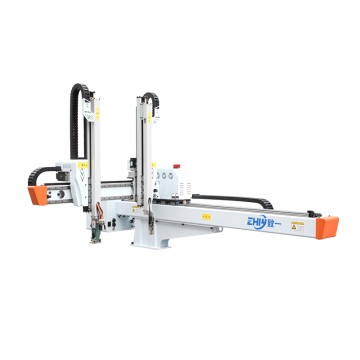
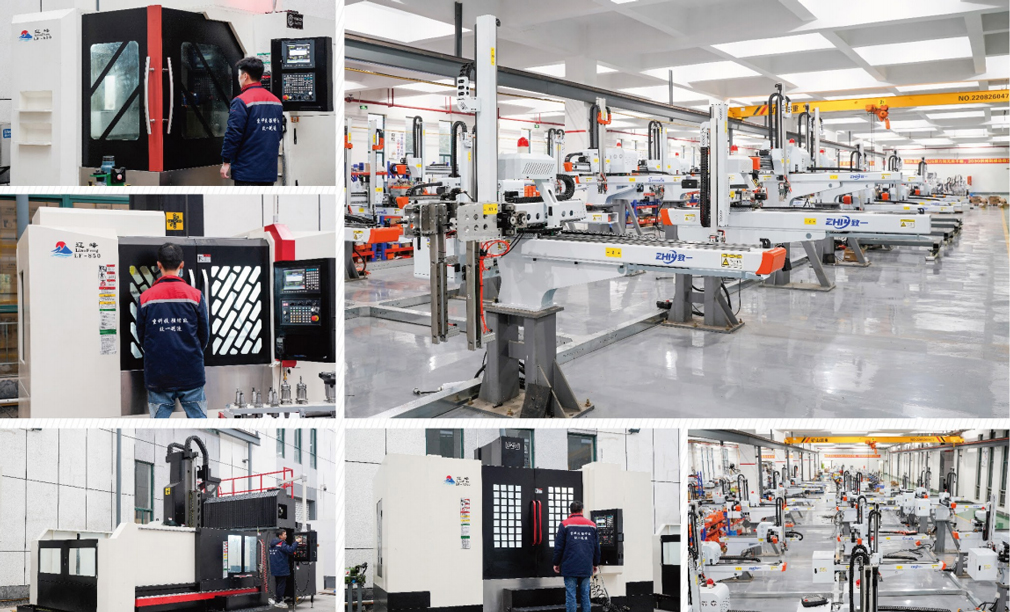
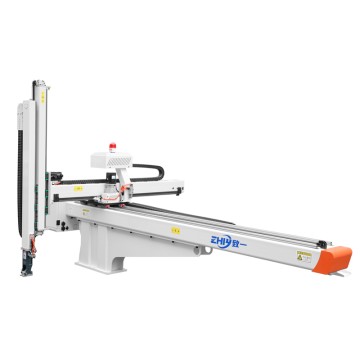
What steps should be included in the daily maintenance of a servo robot?
Routine maintenance of Servo Manipulators is essential to ensure their long-term stable operation and extended service life. Here are some key daily maintenance steps:
1 Cleaning:
Regularly clean the outside of the servo manipulator to remove dust and debris and prevent dust from entering the machine.
Clean the manipulator's sensors and cameras to ensure that they can read data accurately.
2 Lubrication:
Regularly lubricate the servo manipulator's joints, bearings, gears and other parts that need lubrication according to the manufacturer's recommendations.
Use the correct lubricant to reduce wear and extend component life.
3 Check wires and cables:
Check all wires and cables for signs of wear, damage or looseness.
Make sure the cables are not flattened or twisted to avoid electrical connection problems.
4 Check fasteners:
Regularly check all fasteners such as screws, nuts and pins to ensure that they are tight and not loose.
Check hydraulic and pneumatic systems:
For servo manipulators using hydraulic or pneumatic systems, check the oil level and air pressure to ensure that they are within the normal range.
Check for leaks in the hydraulic oil and air pressure systems and deal with them in time.
5 Check the servo motor and drive:
Check the servo motor and drive for overheating, abnormal noise or other signs of failure.
Make sure the connection wires of the servo motor encoder and drive are in good contact.
6 Check the control system:
Check whether the control system software needs to be updated and make sure the system is running the latest version of the software.
Check whether the input/output modules of the PLC (programmable logic controller) or other control system are working properly.
7 Check mechanical parts:
Check whether the mechanical parts have signs of wear, cracks or other damage.
Regularly check the wear of the robot's arm, wrist and hand.
8 Performance test:
Perform performance tests regularly to check whether the robot's accuracy, speed and repeatability meet the specifications.
If performance degradation is found, make adjustments or repairs in time.
9 Record maintenance logs:
Record the details of each maintenance and inspection, including the date, maintenance work performed, parts replaced and problems found.
This helps to track the maintenance history of the robot and predict future maintenance needs.
10 Train operators:
Perform regular training for operators to ensure that they understand the importance of routine maintenance and the correct maintenance procedures.
Ensure that operators can identify abnormal conditions and know when professional technicians need to intervene.
By following these daily maintenance steps, you can minimize the failure rate of servo manipulators and improve their reliability and production efficiency.