
Leave Your Message
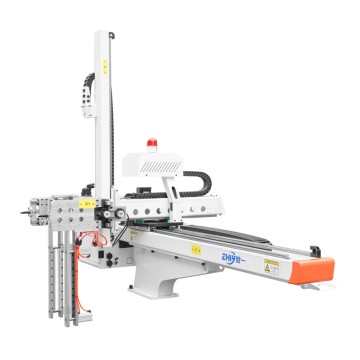
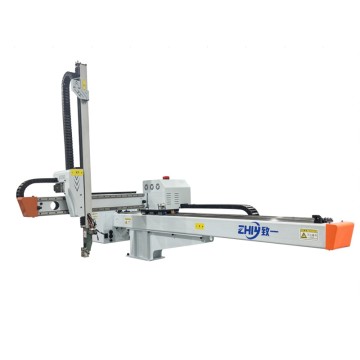
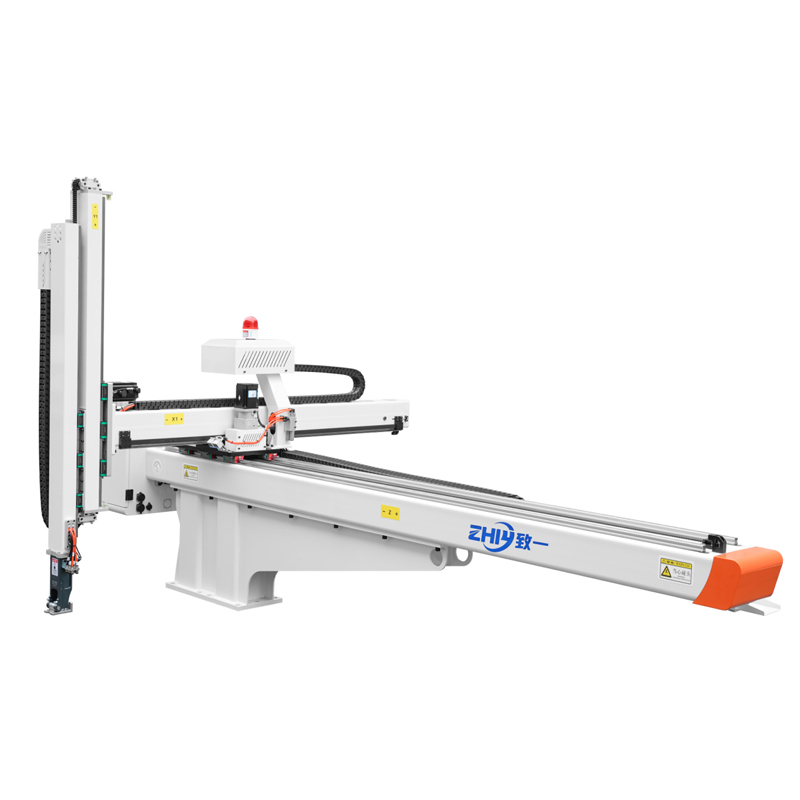
What are the applications of servo manipulators in the food industry?
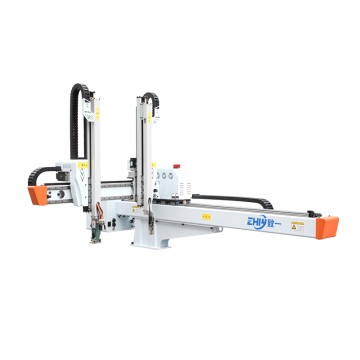
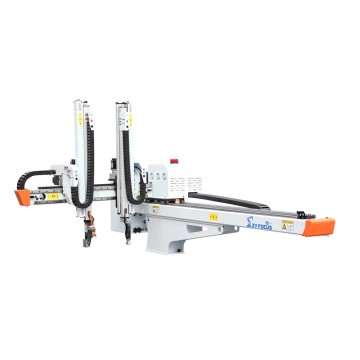
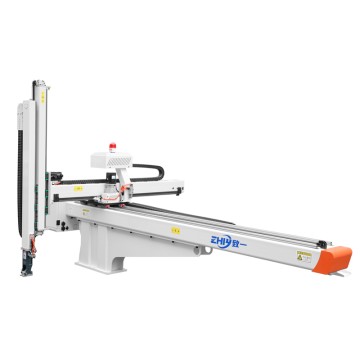
Servo Manipulators are widely used in the food industry. They not only improve production efficiency, but also ensure the safety and hygiene of food. Here are some specific application examples:
Packaging link:
Automated packaging: The servo manipulator can accurately grasp food packaging bags or containers and automatically complete packaging processes such as sealing and labeling. This greatly improves the accuracy and speed of packaging and reduces the risk of contamination that may be caused by manual operation
Palletizing and stacking: For bagged and boxed food products, servo manipulators can automatically palletize and stack to form neat piles for easy storage and transportation. This process is not only efficient, but also effectively reduces damage and contamination caused by improper manual operation
Handling link:
Raw material handling: In the food processing process, the handling of raw materials is an important link. Servo manipulators can easily handle various raw materials, such as flour, sugar, oil, etc., reducing the labor intensity of workers and improving handling efficiency
Finished product handling: Finished foods such as bread, biscuits, canned food, etc. also need to be handled. Servo manipulators can precisely grasp and carry these products, avoiding the damage and contamination problems that may occur during manual handling
Production line collaboration:
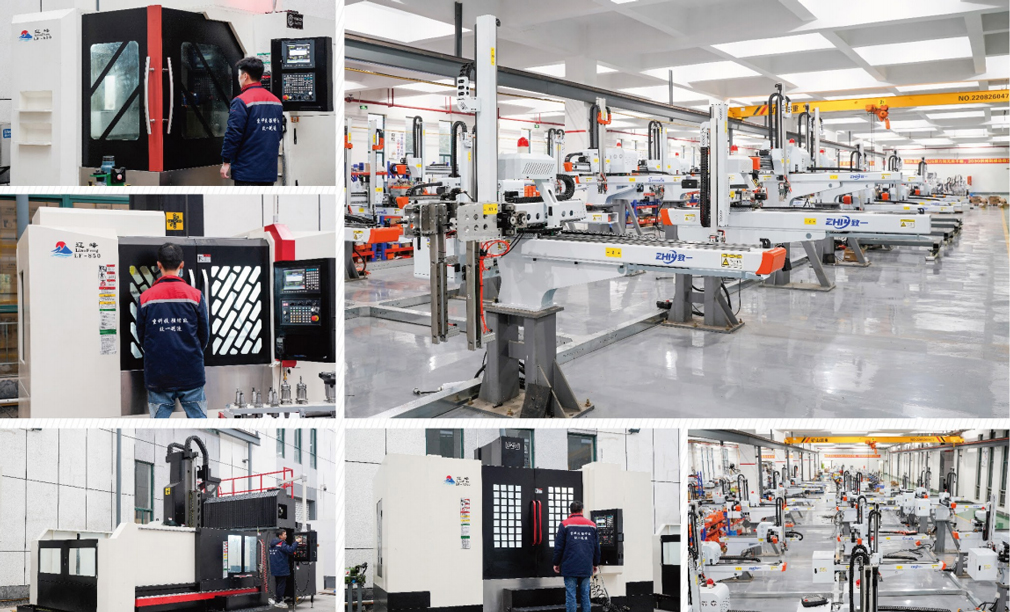
Production line integration: Servo manipulators can be seamlessly integrated with food processing production lines to achieve automated production processes. They can automatically complete tasks such as grasping, handling, and assembly according to the needs of the production line, improving the overall efficiency and stability of the production line
Flexible adjustment: Servo manipulators are usually highly programmable and configurable, and can be flexibly adjusted according to production needs. This allows food processing companies to adapt to market changes more quickly and improve production flexibility
Safety and hygiene:
Reduced contamination: The automated operation of servo manipulators reduces the chances of manual contact with food, thereby reducing the risk of food contamination. At the same time, they can also work in closed or dust-free environments to further ensure the hygienic quality of food
Ensure safety: In some cases where heavy or dangerous objects need to be moved, servo robots can replace manual operations, greatly reducing the safety risks of workers
Preparation before food processing:
Some food producers use servo robots to prepare food before production, such as picking apples, picking lettuce, making handmade pizza, etc.
Food cutting and decoration:
ZHIYI has developed a number of intelligent automated robot cutting machines equipped with ultrasonic blades for bakery cutting round and square cakes. These robots allow artisan bakers to spend more time creating specialty desserts, testing new recipes, and producing the most delicious food
Special applications:
Parallel robots or spider robots are used in the food industry to perform tasks such as handling, sorting, boxing and packaging. They bring significant improvements to food production with their efficiency, accuracy and flexibility
In summary, servo robots play an increasingly important role in the food industry. They help food companies achieve intelligent transformation by improving production efficiency, ensuring food hygiene and safety, and reducing labor costs.