
Leave Your Message
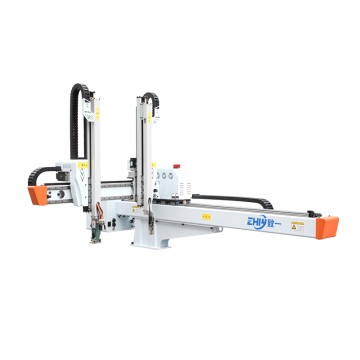
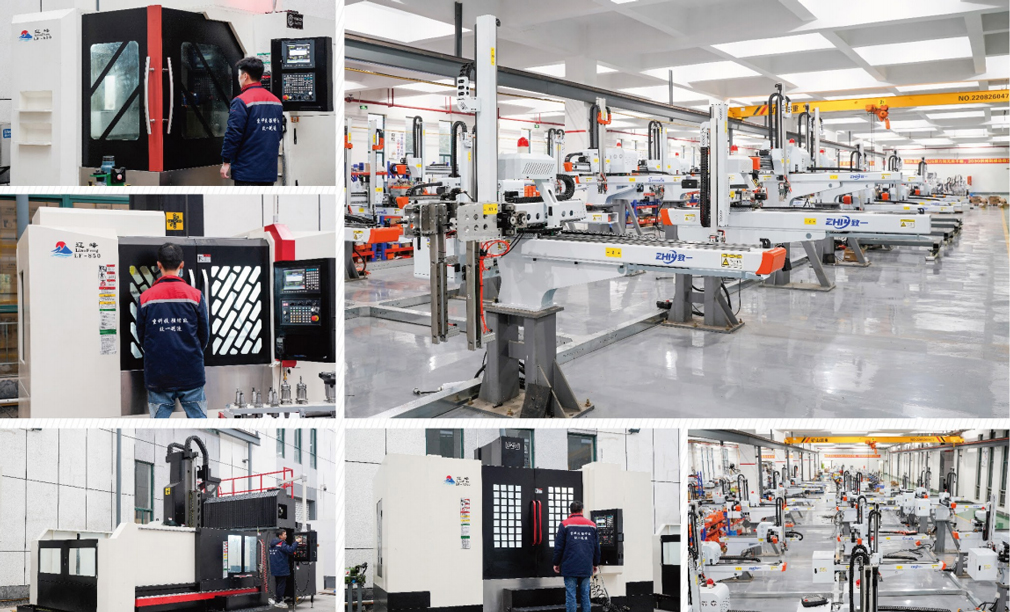
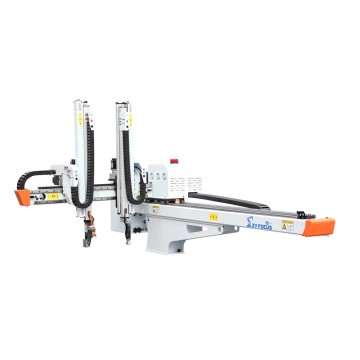
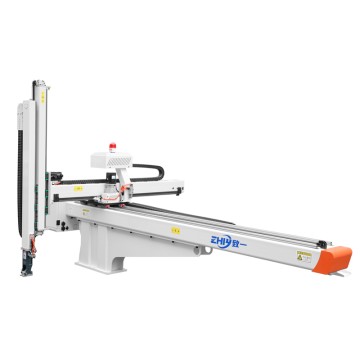
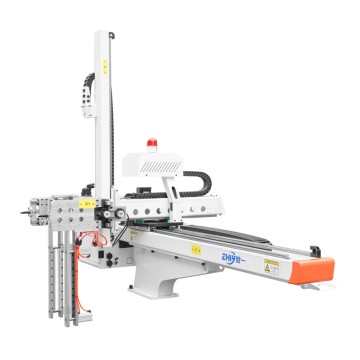
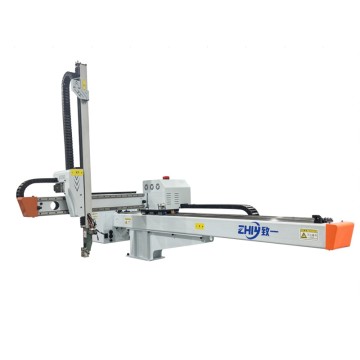
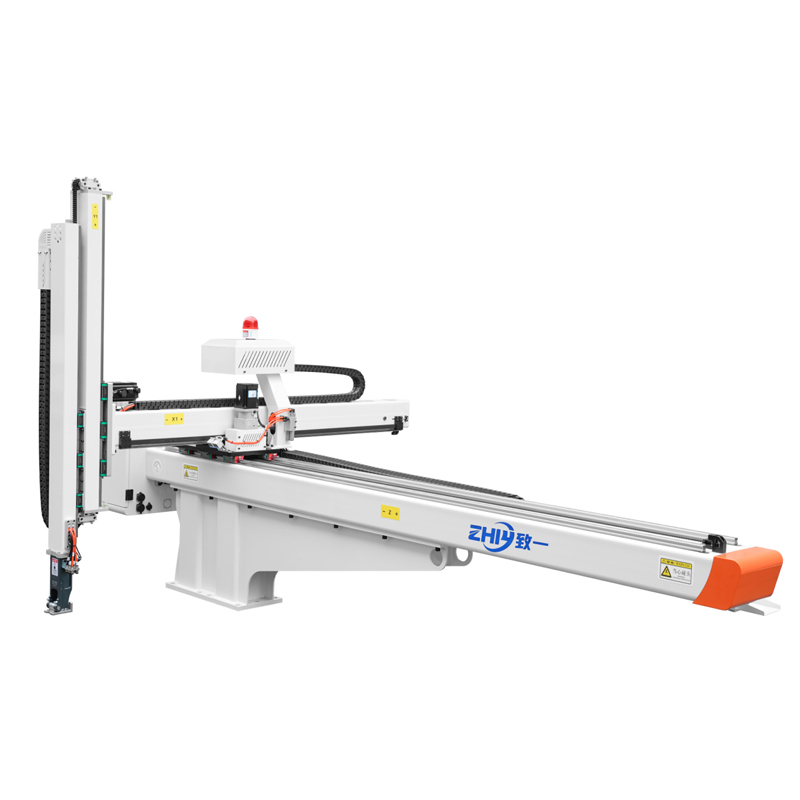
What are the advantages of industrial robots compared with traditional machinery?
Compared with traditional machinery, Industrial Robots have a series of significant advantages, which make them increasingly important in modern manufacturing. Here are some of the main advantages of industrial robots:
High efficiency:
Industrial robots can work 24 hours a day without interruption, without rest, which greatly improves production efficiency.
High precision:
The accuracy of robots in performing repetitive tasks is much higher than that of humans, which helps to improve product quality and consistency.
High stability:
Robots are not affected by factors such as emotions and fatigue, and can perform tasks continuously and stably.
Flexibility:
Many industrial robots are programmable and can quickly adjust programs to adapt to different production needs, which improves the flexibility of production lines.
Safety:
Robots can work in dangerous environments, such as high temperature, high pressure, toxic gases, etc., reducing the safety risks of workers.
Cost-effectiveness:
Although the initial investment is high, in the long run, robots can reduce labor costs, improve production efficiency, and thus reduce overall costs.
Repetitive work:
Robots are very suitable for performing highly repetitive tasks, reducing workers' fatigue and injuries caused by repetitive labor.
Space saving:
Robots can be designed to be more compact, saving factory space, especially in space-constrained environments.
Predictable maintenance:
The maintenance cycle and needs of robots are relatively predictable, which helps factories better plan maintenance plans and reduce unexpected downtime.
Reduce human errors:
Robots perform tasks according to preset programs, reducing the possibility of human operating errors.
Strong adaptability:
Robots can adapt to different working environments and conditions, including different temperature, humidity and pressure conditions.
Easy to integrate:
Industrial robots can be integrated with existing production lines and automation systems to achieve a wider range of automation solutions.
Improve production capacity:
Robots can complete a large amount of work in a short period of time, improving overall production capacity.
Data tracking and analysis:
Robots can integrate sensors and data collection systems to provide real-time data for the production process, which helps quality control and process optimization.
Environmental friendliness:
The use of robots reduces the impact on the environment, especially in reducing waste and improving material utilization.
In summary, industrial robots have obvious advantages in improving production efficiency, ensuring product quality, reducing costs and enhancing safety, which make them an indispensable part of modern manufacturing. As technology continues to advance, these advantages will be further expanded, driving the in-depth development of industrial automation.