
Leave Your Message
Ways to improve the efficiency of servo manipulators in food packaging
Ways to improve the efficiency of Servo Manipulators in food packaging
I. Introduction
In today's global food market, food packaging is a vital part of the food production and sales process. It is not only related to the preservation, quality and safety of food, but also directly affects production efficiency and the economic benefits of enterprises. With the continuous advancement of science and technology, servo manipulators, as an advanced automation equipment, are increasingly widely used in the food packaging industry. This article will explore in depth how servo manipulators can improve efficiency in food packaging and provide a useful reference for food companies.
2. Overview of servo manipulators
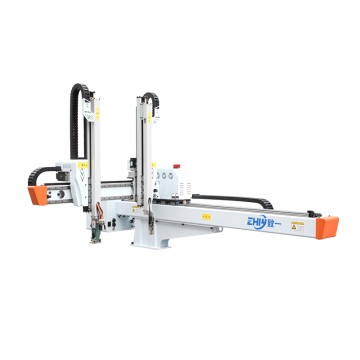
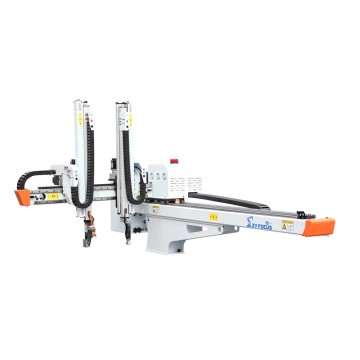
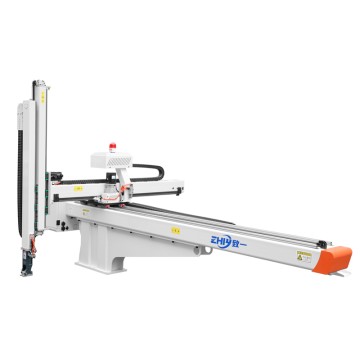
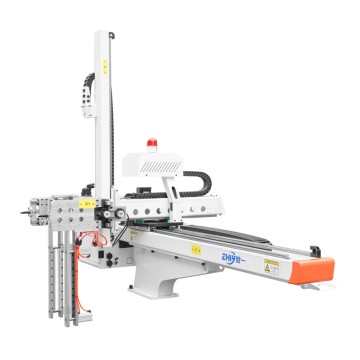
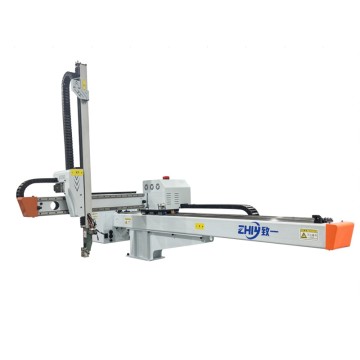
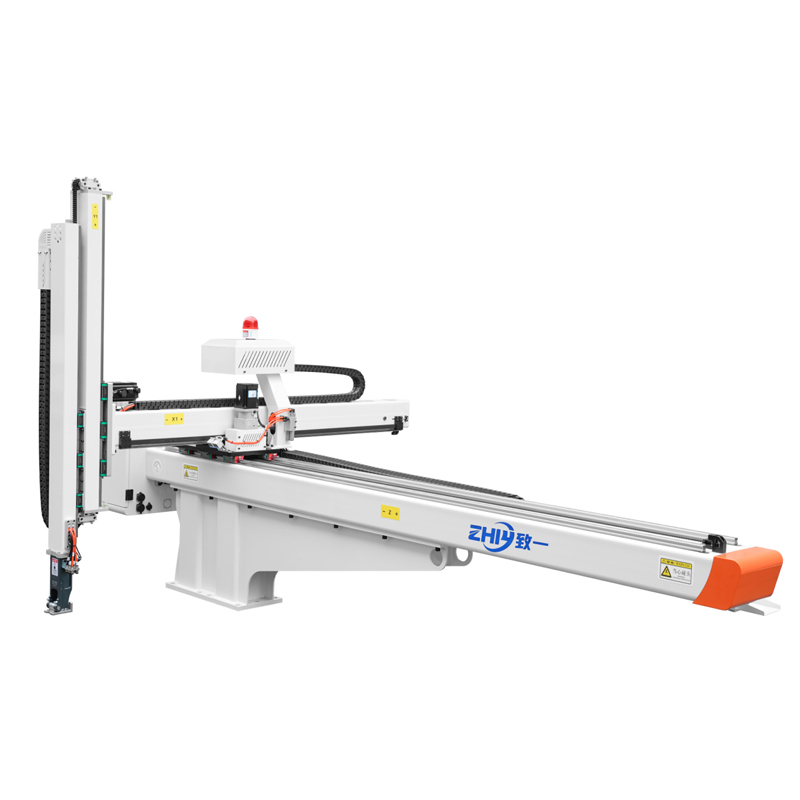
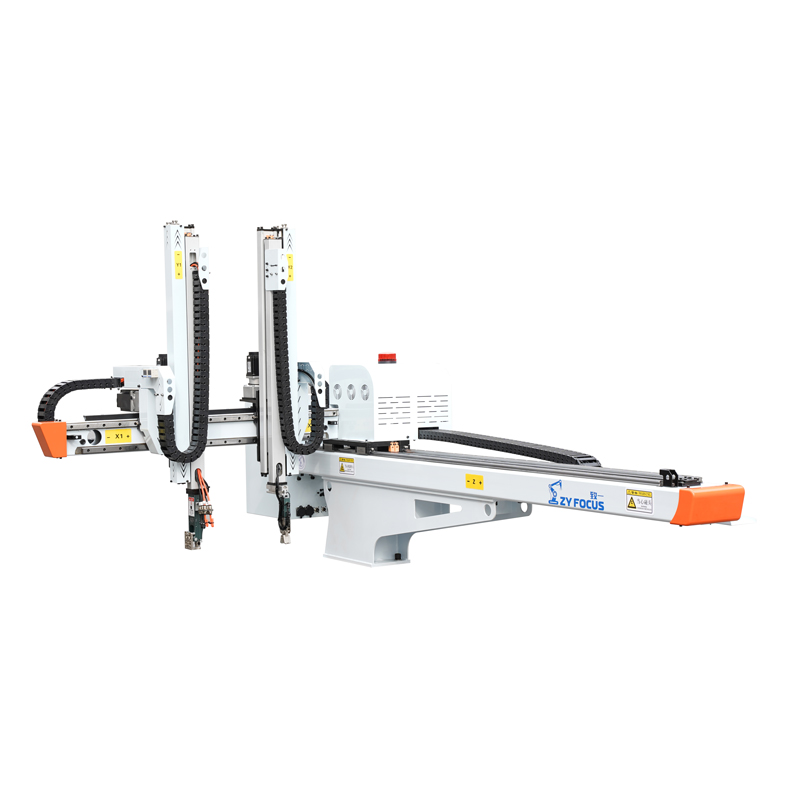
The servo manipulator is an automated mechanical device that uses a servo motor as a power source and achieves various complex movements by precisely controlling the operation of the motor. It has the characteristics of high precision, high speed, high stability and strong programmability. It can simulate the movements of human arms and complete tasks such as grasping, handling, stacking, and packaging.
3. Application of servo manipulators in food packaging
(I) Material handling and transportation
In food packaging production lines, material handling and transportation is an important link. Servo manipulators can replace manual labor to complete the handling of food raw materials, semi-finished products and finished products. Compared with traditional manual handling, servo manipulators have the following advantages:
Fast speed: The servo motor can start and stop quickly, and the manipulator can complete a large number of material handling tasks in a short time, greatly improving production efficiency. For example, on a bread production line, a servo manipulator can quickly take bread out of the oven and place it on a cooling rack, and then move the cooled bread to the packaging machine. The whole process is coherent and efficient, saving a lot of time.
Higher precision: The servo system can accurately control the position and speed of the manipulator to ensure the accuracy and stability of the material during the handling process. For some fragile, deformable or irregularly shaped foods, such as eggs, biscuits, etc., the servo manipulator can adjust the gripping force and movement trajectory according to its characteristics to avoid damage to the food and ensure the integrity and quality of the product.
Stronger stability: The servo manipulator is not affected by factors such as fatigue and emotions, and can operate stably for a long time, reducing packaging delays or defective products caused by unstable or mistakes in manual handling. At the same time, the vibration and noise generated during its operation are small, which is conducive to improving the working environment and the service life of the equipment.
(II) Packaging Forming and Sealing
Servo manipulators also play an important role in the forming and sealing of food packaging. For example, in liquid food packaging, such as milk and juice, servo manipulators can accurately control the opening and closing of packaging bags and the sealing force to ensure the sealing and appearance neatness of the packaging.
Accurate packaging forming: Through programming control, the servo manipulator can fold and shape the packaging materials according to the preset shape and size, so that the packaging bag fits the shape of the food tightly, reducing the waste of packaging materials, and improving the beauty and consistency of the packaging. For example, in candy packaging, the manipulator can accurately fold the wrapping paper into a specific shape, wrap the candy tightly, and form a beautiful packaging appearance.
Reliable sealing effect: During the sealing process, the servo manipulator can accurately adjust the sealing temperature, pressure, time and other parameters according to the characteristics and packaging requirements of different foods to ensure that the mouth seal is firm and reliable, prevent the influence of external factors such as air and moisture on the quality of food, and extend the shelf life of food. For example, in the vacuum packaging of meat products, the servo manipulator can accurately control the sealing device to ensure that the vacuum degree in the packaging bag meets the standard, the sealing is tight and leak-free, effectively inhibiting the growth of bacteria, and ensuring the freshness and safety of meat products.
(III) Product sorting and classification
Food production companies usually need to sort and classify foods of different types, specifications or quality grades for subsequent packaging and sales. The servo manipulator is equipped with advanced visual recognition systems and sensors, which can quickly and accurately identify the characteristics of food, such as color, shape, size, weight, etc., and sort and classify according to preset rules.
Efficient sorting: On the fruit sorting and packaging line, the servo manipulator can identify the size and color of the fruit through the visual system, and place fruits of different grades into corresponding packaging boxes. Compared with manual sorting, the servo manipulator has a faster sorting speed and can sort thousands of fruits per hour, which greatly improves the sorting efficiency and reduces labor intensity and labor costs.
Precise classification: For some mixed-production foods, such as candy and chocolate, the servo manipulator can accurately classify them according to their shape, type and other characteristics to ensure that the food in the same package meets the quality standards and product specifications. This helps to improve the product qualification rate and customer satisfaction, and enhance the company's brand image and market competitiveness.
(IV) Palletizing and packing
Palletizing and packing are essential tasks at the end of food packaging. The servo manipulator can palletize the packaged food according to certain rules and layers, and then load it into cartons or other packaging containers to achieve automated packaging and handling.
Stable palletizing: During the palletizing process, the servo manipulator can accurately control the placement and angle of each packaging box to ensure that the palletizing is neat, stable and firm. It can automatically adjust the parameters and actions of the palletizing according to the size, weight and shape of the packaging box to adapt to different types of food packaging needs. For example, in the palletizing of beverage bottles, the manipulator can stack multiple layers of beverage bottles neatly to form a stable stack shape, which is convenient for subsequent handling and storage.
Fast packing: During the packing process, the servo Robot Can quickly put the packaged food into the carton and adjust the position and shape of the carton to make it fit the food package tightly to prevent shaking and damage during transportation. At the same time, the robot can also cooperate with the sealing device to complete the sealing of the carton, realizing the full automation of the entire packing process and improving packaging efficiency and quality.
4. Specific performance of servo manipulators in improving food packaging efficiency
(I) Improving production speed
Continuous operation: Servo manipulators can work 24 hours a day without rest and shift changes like manual workers, ensuring the continuity of the food packaging production line. As long as the equipment operates normally, it can continuously complete the packaging task, greatly increasing the output per unit time.
Fast action: The fast response characteristics of the servo motor make the manipulator move quickly and accurately. In each link such as grabbing, handling, and packaging, the manipulator can complete multiple actions in a short time, reducing the operation time interval, thereby increasing the speed of the entire packaging process. For example, some high-speed servo manipulators can complete hundreds of grabbing and placing actions per minute, which can match high-speed packaging production lines and meet the needs of large-scale food production.
(II) Improving packaging quality
Precise measurement: In food packaging, for some quantitatively packaged foods, such as condiments and medicines, accurate measurement is the key to ensuring product quality and compliance. The servo manipulator can cooperate with the metering device to achieve accurate material filling and metering by precisely controlling the operation of the motor, ensuring that the weight or volume of each package meets the standard requirements with a very small error range, thus improving the quality and consistency of the product.
Stable sealing: As mentioned above, the servo manipulator can accurately control parameters such as sealing force, temperature and time, making the sealing of the package more firm, tight and stable. This can not only prevent food from being contaminated and damaged during the packaging process, but also ensure that the appearance of the packaging is neat and beautiful, and improve the market competitiveness of the product. At the same time, stable sealing quality also helps to extend the shelf life of food and reduce food deterioration and loss caused by packaging quality problems.
(III) Reduce the defective rate
Precise operation: Due to the high operating accuracy of the servo manipulator, various actions can be accurately completed during the packaging process, avoiding packaging defects caused by manual operation errors or machine failures, such as unsealed packaging bags, loose sealing, damaged packaging materials, incorrect food placement, etc. This greatly reduces the defective rate, reduces the production cost and resource waste of the enterprise, and improves the efficiency of the enterprise.
Quality inspection and feedback: Some advanced servo manipulators are also equipped with quality inspection systems, which can detect the packaging quality in real time during the packaging process and feed back the inspection results to the control system. Once a packaged product that does not meet the quality requirements is found, the manipulator can immediately stop the operation or make corresponding adjustments to ensure that only qualified products can flow into the market, further improving the overall quality level of the product.
(IV) Improve production flexibility
Strong programmability: The programmability of the servo manipulator enables it to be flexibly programmed and adjusted according to the requirements of different food packaging. Enterprises can write corresponding control programs according to different product types, packaging specifications and production processes to enable the manipulator to quickly adapt to new packaging tasks. For example, when an enterprise needs to change the type or size of the packaged product, it only needs to make simple modifications to the manipulator program to achieve fast switching without replacing a large number of equipment and molds, which improves the flexibility and adaptability of production.
Multifunctional integration: The servo manipulator can integrate multiple functional modules, such as grabbing, palletizing, sorting, packaging and other functions into one, realizing multiple uses of one machine. On the food packaging production line, enterprises can select and configure the functional modules of the manipulator according to actual needs, so that it can complete the packaging work of multiple links, reducing the floor space and investment cost of the equipment. At the same time, the multifunctional servo manipulator can also work in coordination with peripheral equipment to form a complete automated packaging production line, improving the efficiency and benefits of the entire production system.
(V) Reduce labor costs
Reduce labor demand: With the widespread application of servo manipulators in food packaging, enterprises can reduce their dependence on labor. Through the construction of automated packaging production lines, packaging work that originally required a large number of manual labor can be replaced by manipulators, such as food handling, packaging, palletizing, and boxing, thereby reducing labor costs. Especially in some food packaging positions with high labor intensity, harsh working environment, or high hygiene requirements, the use of servo manipulators can not only reduce the labor intensity of workers, but also improve work efficiency and product quality.
Improve labor productivity: The work efficiency of servo manipulators is much higher than that of manual labor, and they can complete more packaging tasks in the same time. By introducing manipulators, enterprises can improve labor productivity while reducing manpower input, and achieve the goal of increasing production and efficiency. In addition, the robot can also avoid production efficiency fluctuations and quality problems caused by factors such as manual fatigue and lack of concentration, ensure the stability and continuity of production, and further improve the economic benefits of the enterprise.
(VI) Improve production safety
Reduce human-machine contact: During the food packaging process, some equipment and production links may have safety hazards, such as high temperature, high pressure, and high-speed machines. Servo robots can replace manual entry into these dangerous areas for operation, reduce the contact between personnel and dangerous equipment, reduce the probability of industrial accidents, and protect the life safety and health of workers.
Hygiene, safety and reliability: The food industry has strict requirements on hygiene and safety. Servo robots are usually made of food-grade materials, with a smooth and easy-to-clean surface that meets food hygiene standards. During the packaging process, the robot will not contaminate the food, nor will it produce substances harmful to the human body, ensuring the safety and hygiene of the food. At the same time, automated packaging can also reduce the exposure time of food during the packaging process, reduce the risk of bacterial growth and cross-contamination, and improve the quality and safety of food.
5. Actual case analysis of servo manipulator food packaging
(I) Application case of a candy production enterprise
After introducing servo manipulator, a well-known candy production enterprise has significantly improved its packaging efficiency. Before using the manipulator, the candy packaging of the enterprise mainly relied on manual operation, which was not only inefficient, but also had uneven product quality and a high defective rate. By installing the servo manipulator, the enterprise has realized the automatic sorting, packaging and palletizing of candies.
The manipulator is equipped with an advanced visual recognition system, which can accurately identify candies of different colors, shapes and specifications, and classify and package them into corresponding packaging bags. The packaging speed has increased from 30 bags per minute by manual to 100 bags per minute by the manipulator, and the output has increased significantly. At the same time, due to the precise operation of the manipulator, the sealing quality and appearance neatness of the packaging have been significantly improved, and the defective rate has been reduced by 80%. In addition, the enterprise has reduced nearly 60% of packaging workers, significantly reduced labor costs, and greatly improved production efficiency.
(II) Practical results of a beverage production enterprise
A large beverage production enterprise applied servo manipulators in the handling and palletizing of beverage bottles. On traditional production lines, the handling and palletizing of beverage bottles mainly rely on manual operation, which is labor-intensive for workers and has low palletizing efficiency, and is prone to problems such as unstable pallet shape and bottle breakage.
After the introduction of the servo manipulator, the manipulator can quickly and accurately grasp and place beverage bottles, and can palletize 1,200 bottles per hour, while manual palletizing can only complete about 400 bottles per hour, and the efficiency has been improved by more than 2. At the same time, the pallet shape of the manipulator is neat and stable, which reduces the risk of damage to bottles during handling and storage. Due to the stability and reliability of the manipulator, the company's equipment downtime has been reduced by 50%, and production efficiency has been significantly improved. Moreover, by reducing the number of palletizing workers, the company has reduced labor costs, while improving the working environment and working conditions of workers, achieving a win-win situation of economic and social benefits.6I.
6.Development trend of servo manipulators in food packaging
(I) Continuously improving intelligence
With the continuous development of technologies such as artificial intelligence, the Internet of Things, and big data, servo manipulators will become more intelligent. In the future, servo manipulators will have stronger autonomous learning and decision-making capabilities, and will be able to automatically optimize and adjust according to the real-time data and production conditions of food packaging. For example, through the Internet of Things technology, manipulators can communicate with other equipment and systems in real time to obtain data such as production plans, packaging specifications, and inventory information, thereby achieving more accurate production scheduling and packaging operations. At the same time, based on big data analysis, manipulators can predict equipment failures and maintenance needs, perform preventive maintenance in advance, reduce downtime, and improve equipment reliability and production efficiency.
(II) Closer human-machine collaboration
In the future, food packaging production lines will pay more attention to human-machine collaboration, and servo manipulators will work more closely with human workers. Manipulators can undertake some repetitive and dangerous tasks, while human workers focus on complex and creative tasks such as equipment monitoring, quality inspection, and process optimization. Through human-machine collaboration, giving full play to the advantages of both parties can achieve a more efficient and flexible food packaging production model. For example, in some links where food needs to be finely packaged and decorated, human workers can work together with robots, with the robots completing the initial packaging work, and then the workers doing the subsequent decoration and adjustment to improve the added value and quality of the products.
(III) Miniaturization and low cost
In order to meet the diversified and personalized needs of the food industry, servo robots will develop in the direction of miniaturization and low cost. Miniaturized servo robots can be used in small food companies and home workshops to realize the automation and intelligence of food packaging. At the same time, with the continuous advancement of technology and the intensification of market competition, the production cost of servo robots will gradually decrease, making their application in the food packaging industry more popular. This will help promote the transformation and upgrading of the food packaging industry, improve the production efficiency and quality level of the entire industry, and promote the sustainable development of the food industry.
(IV) Multifunctional integration
In the future, servo robots will integrate more functional modules, such as visual recognition, weighing, labeling, detection and other functions, to achieve multi-purpose use of one machine and meet various complex needs in the food packaging process. Multifunctional integrated servo robots can reduce the footprint and investment cost of equipment, and improve the utilization rate and production efficiency of equipment. For example, on a food packaging production line, a multifunctional servo manipulator can complete a series of operations from food grabbing, weighing, packaging to labeling, testing, etc., realizing full automation and intelligence of the packaging process, and providing enterprises with more efficient and convenient packaging solutions.
7. Conclusion
The application of servo manipulators in food packaging has brought significant efficiency improvements and many advantages to food companies. From material handling to packaging molding, from product sorting to palletizing and boxing, servo manipulators play a key role in each link with their high precision, high speed, high stability and other characteristics, improving production speed, packaging quality, production flexibility, and reducing defective rate, labor costs and safety risks. Actual cases have also fully demonstrated its actual effect and value in the food packaging industry.