
Leave Your Message
Understanding the Structure and Movement of 3 Axis Robots
Understanding the Structure and Movement of 3 Axis Robots
Introduction
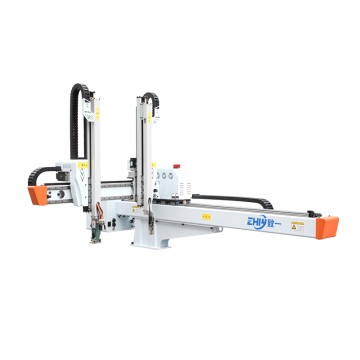
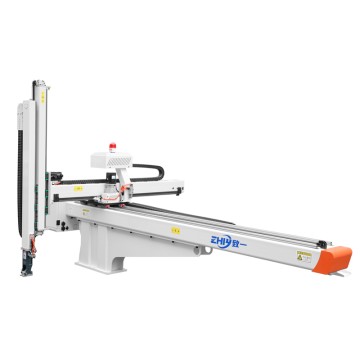
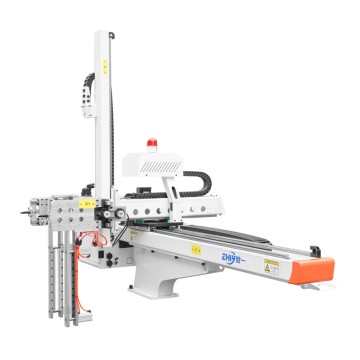
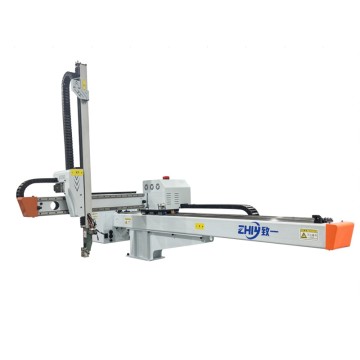
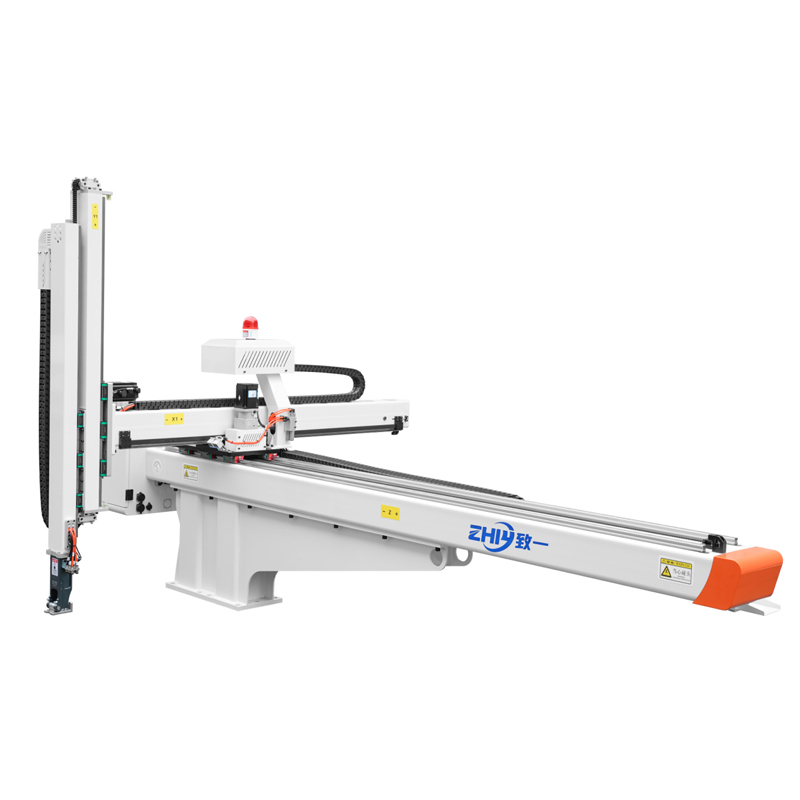
In the modern era of industrial automation, the 3 Axis Robot has emerged as a cornerstone technology, revolutionizing various sectors such as electronics, automotive, and packaging. This type of robot is specifically designed to operate along three linear axes—X, Y, and Z—enabling it to move forward and backward, side to side, and up and down. Unlike its multi-axis counterparts, the 3 Axis Robot focuses on linear motions, making it highly suitable for applications that require stable and repetitive operations.
The Core Structure of a 3 Axis Robot
Linear Actuators
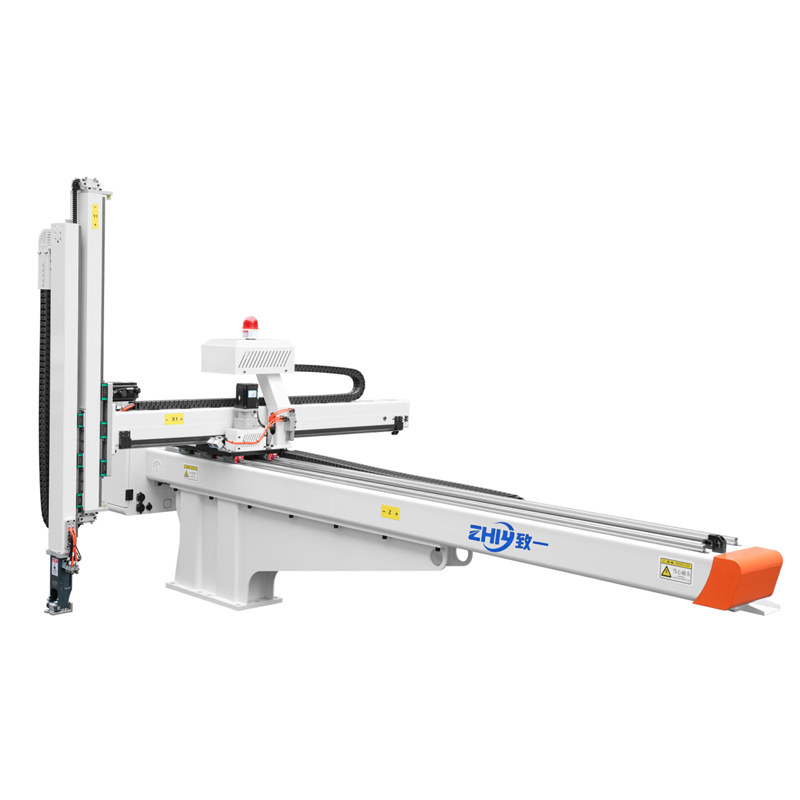
At the heart of a 3 Axis Robot are the linear actuators, which are responsible for driving the movement along each axis. These actuators convert energy into mechanical motion, allowing the robot to perform tasks with precision and consistency. Typically, they are powered by electric motors or pneumatic/hydraulic systems, depending on the specific requirements of the application.
Support Frames
The rigid support frame is another crucial component of a 3 Axis Robot. It provides the necessary stability and accuracy during operations. This framework ensures that the Robot Maintains its structural integrity while performing tasks, thereby enhancing the overall reliability and performance of the system.
End Effectors
The end effectors are the tools attached to the robotic arm’s end, such as grippers or suction cups. These devices interact with various objects, allowing the robot to perform a wide range of tasks. The choice of end effector depends on the specific application, with different types designed to handle different materials and objects.
Control System
The control system is the brain of the 3 Axis Robot, interpreting programming instructions and managing movement across the three axes. This component ensures that the robot executes tasks accurately and efficiently, following the predefined instructions. Advanced control systems may also incorporate sensors and feedback mechanisms to enhance performance.
How Movement Works in a 3 Axis Robot
The movement of a 3 Axis Robot is governed by the Cartesian coordinate system, with each axis corresponding to one dimension. The X-axis allows for horizontal movement (left to right), the Y-axis enables vertical movement (up and down), and the Z-axis facilitates traverse movement (front to back). By combining these three motions, the robot can perform precise operations within a defined workspace. This linear approach is ideal for tasks requiring consistent accuracy without the need for complex articulation.
Key Advantages of Using a 3 Axis Robot
Cost-Effectiveness
The simplified architecture of a 3 Axis Robot reduces manufacturing and maintenance expenses. This makes it an attractive option for businesses looking to automate their operations without incurring significant costs.
High Precision
3 Axis Robots are renowned for their high precision, making them suitable for applications where exact positioning is critical. This level of accuracy ensures consistent quality and reliability in the tasks performed.
Ease of Integration
These robots can be easily integrated into existing production lines with minimal changes. This seamless integration allows businesses to enhance their operations without disrupting their current workflows.
Reliability
With fewer moving parts, 3 Axis Robots have a lower chance of mechanical failure. This reliability ensures consistent performance and reduces downtime, thereby improving overall productivity.
Applications of 3 Axis Robots Across Industries
Electronics Manufacturing
In the electronics industry, 3 Axis Robots are commonly used for PCB handling and assembly. Their precision and accuracy make them ideal for tasks that require delicate handling and precise placement of components.
Packaging
3 Axis Robots are widely used in packaging operations, automating tasks such as packing, sorting, and palletizing. Their ability to perform repetitive tasks with high precision and speed makes them a valuable addition to packaging lines.
Automotive
In the automotive sector, 3 Axis Robots perform linear welding or component placement. Their stability and precision ensure consistent quality in manufacturing processes, contributing to the overall efficiency of the industry.
Laboratories
3 Axis Robots are also used in laboratories for handling delicate samples with precision. Their ability to perform repetitive tasks accurately makes them suitable for various laboratory applications.
Choosing the Right 3 Axis Robot for Your Needs
Selecting the appropriate 3 Axis Robot depends on several factors:
Payload Capacity
It is essential to ensure that the robot can handle the weight of the components it will be working with. The payload capacity should match the specific requirements of the application.
Reach and Workspace Size
The robot’s range of motion should be compatible with the operational space. This ensures that the robot can perform tasks efficiently within the designated area.
Speed Requirements
Some applications demand faster cycle times. It is important to choose a robot that can meet these speed requirements to optimize productivity.
Compatibility
Consider how well the robot integrates with existing systems. Compatibility ensures seamless operation and reduces the need for extensive modifications.
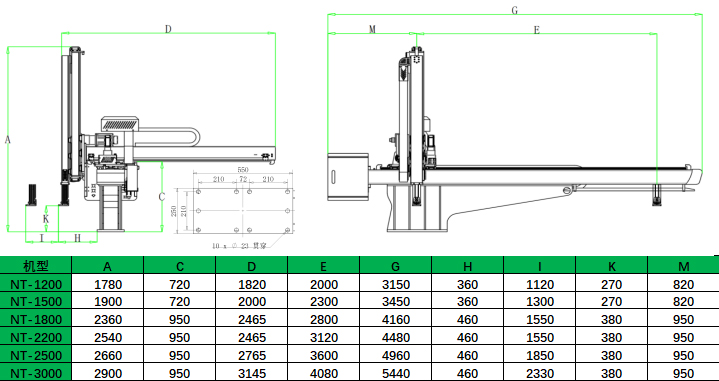
Case Study: Samfacc High Speed Robot SFK Series
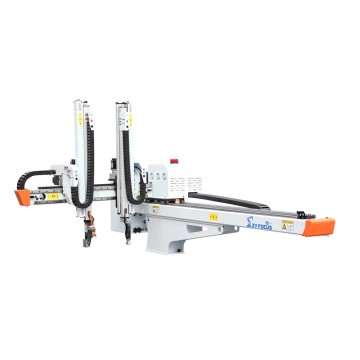
The Samfacc High Speed Robot SFK Series is an excellent example of a modern 3 Axis Robot that combines speed and precision. Designed with a single-arm frame structure, it fits injection molding machines from 260T to 500T and achieves production cycles as fast as 3–6 seconds. Key highlights of the SFK Series include:
Advanced Servo Motor Drive
This feature enables high-speed operations and is particularly suitable for multi-cavity applications. The advanced servo motor drive ensures consistent performance and reliability.
Dual-stage Arm Design
The dual-stage arm design minimizes factory height requirements while maintaining strong performance. This innovative design allows for efficient operation in various industrial environments.
User-Friendly Interface
The SFK Series features a user-friendly interface with touch screen controls and detailed guides. This enables operators to learn quickly and effectively, reducing the learning curve associated with new technology.
Built-in Safety Features
Safety is a top priority, and the SFK Series incorporates anti-collision technology to protect both equipment and personnel. These built-in safety features enhance the overall reliability and safety of the system.