
Leave Your Message
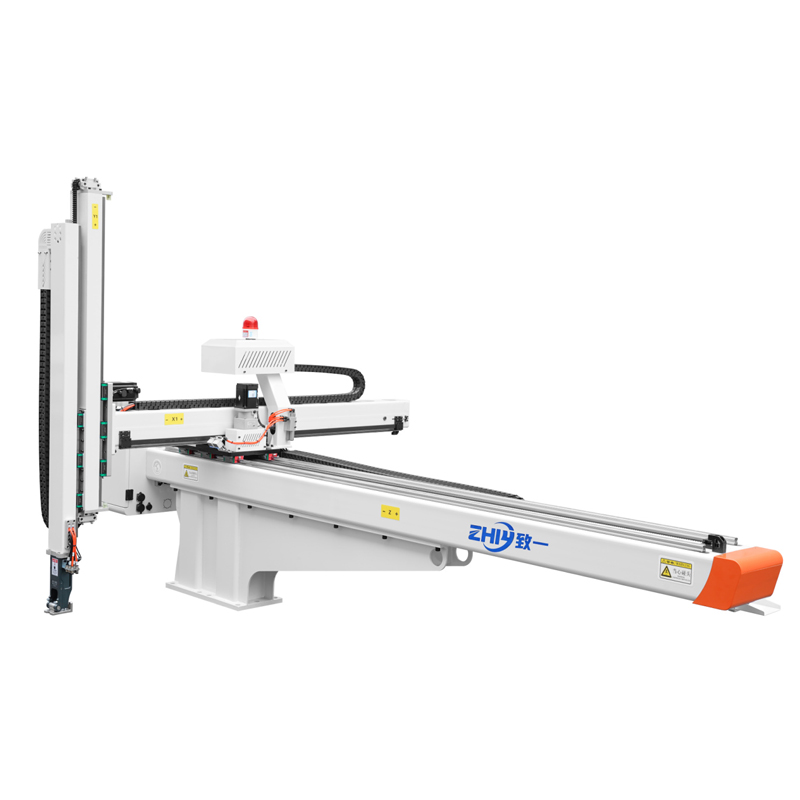
Trends in Injection Molding Machine Servo Robots for Growth
Technological Development Trends of Injection Molding Machine Servo Robots in Emerging Markets
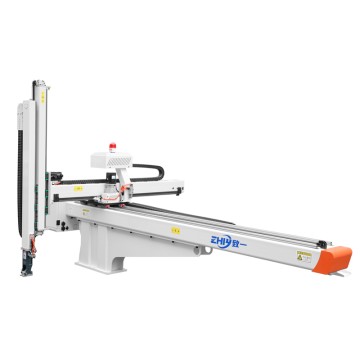
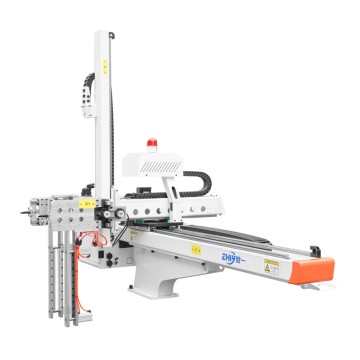
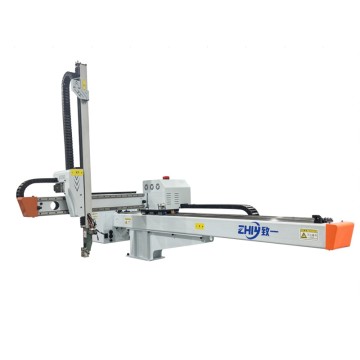
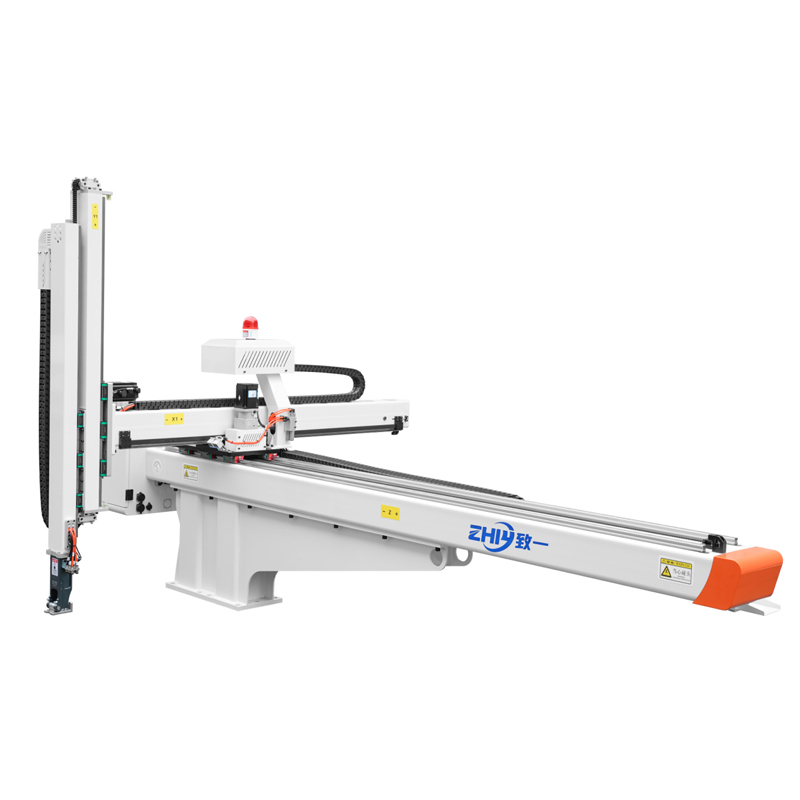
As the global manufacturing industry's focus accelerates toward emerging markets, injection molding machine servo robots, as core equipment for automated production, are undergoing a profound technological revolution tailored to the needs of these markets. From the explosive installation growth driven by India's "Smart Manufacturing 2.0" policy to the wave of equipment upgrades spurred by Vietnam's "Made in Vietnam 2025" initiative, emerging markets are no longer just testing grounds for low-end technologies, but are now a core arena forcing technological advancements toward high cost-effectiveness, strong adaptability, and ease of maintenance. This article will analyze the five core development trends of injection molding machine servo robots in emerging markets, combining regional market characteristics with the laws of technological evolution.
1. Energy-saving technologies become a standard requirement for market entry, and servo system iterations drive cost optimization.
In emerging markets, where power infrastructure is underdeveloped and energy costs remain high, energy-saving performance has become a core competitive advantage for injection molding machine servo robots. Data shows that servo systems account for over 40% of An Industrial Robot's energy consumption, and companies in emerging markets are 37% more sensitive to energy costs than those in developed countries. This demand is directly driving the accelerated evolution of servo technology towards higher efficiency and energy efficiency.
The current mainstream technology path exhibits three key characteristics: First, the large-scale application of new materials. Servo motors using rare earth permanent magnets can reduce iron and copper losses by up to 25%. When combined with SiC wide-bandgap semiconductor drivers, they can boost overall system energy efficiency to over 95%.
Second, the widespread adoption of energy recovery technology. By feeding braking energy back into the power grid, this technology can reduce energy consumption during the injection molding cycle by 30%. A Chinese manufacturer's models for the Southeast Asian market have already achieved annual electricity savings of over 1,200 kWh per machine using this technology.
Third, the application of intelligent energy consumption control algorithms dynamically adjusts servo output by real-time monitoring of injection molding load changes, reducing inefficient energy consumption by an additional 15% during intermittent operation.
Policy initiatives are further strengthening this trend. The spillover effects of the EU's carbon border tax policy have prompted export-oriented markets such as the Middle East and Southeast Asia to proactively deploy energy-saving equipment. The Vietnamese government has included energy-saving servo robots in its technical upgrade subsidy program, covering up to 20% of equipment investment. It is estimated that by 2027, the proportion of injection Molding Robots equipped with advanced energy-saving servo systems in emerging markets will increase from 41% in 2025 to 68%.
II. Intelligent Technology is Implemented in a Tiered Way, with Vision and Predictive Maintenance Becoming Breakthroughs in Cost-Effectiveness
Demand for intelligent technology in emerging markets is characterized by prioritizing basic functions and gradually developing advanced features, with a reluctance to pay a premium for redundant technologies. This differentiated demand is driving a clear, tiered implementation path for intelligent technology, with AI visual recognition and predictive maintenance currently offering the best cost-effective combination.
In vision applications, 3D vision guidance systems are rapidly replacing traditional photoelectric sensors. Their positioning error can be controlled within ±0.05mm, meeting the needs of mainstream injection molding applications such as new energy vehicle parts and precision electronic components. Indian market data shows that by 2025, the penetration rate of six-axis robots equipped with vision systems will have reached 61%, primarily in the automotive and consumer electronics sectors. The price premium for these robots is only 12%-18%, far lower than that of high-end customized intelligent devices. More notably, vision systems for emerging markets are trending towards lightweighting. By simplifying algorithm modules and adopting local edge computing, they can reduce hardware costs by 40% while maintaining core accuracy.
The adoption of predictive maintenance technology is also accelerating faster than expected. Emerging markets generally face a shortage of professional operations and maintenance personnel, and the average downtime due to equipment failures is 2.3 times longer than in developed countries. IoT-based remote operations and maintenance platforms, through data collection from vibration monitoring and temperature sensing, can provide 30-day advance warning of potential failures in core components such as servo motors and reducers, reducing unplanned downtime by 60%. An international brand's experience in Southeast Asia has shown that robots equipped with this system can reduce customers' annual maintenance costs by 28%, with a payback period of just 14 months. By 2025, the proportion of injection molding robots in emerging markets with basic remote operations and maintenance capabilities will exceed 39%, and is growing at an annual rate of 8 percentage points.
III. Modularization and miniaturization reshape product forms to meet the core needs of small and medium-sized customers.
The industrial structure of emerging markets is dominated by small and medium-sized enterprises. These customers generally face small production batches, rapid product iterations, and limited factory space. This directly drives the transformation of injection molding machine servo robots toward modular design and miniaturization.
The core value of modular technology lies in flexible adaptability and rapid changeover. By breaking down functions such as gripping, transfer, and sorting into standardized modules, customers can flexibly combine them based on the size of the molded part (from micro medical catheters to medium-sized appliance housings), reducing equipment changeover time from the traditional 2-3 hours to under 15 minutes. Compact models targeting small and medium-sized injection molding machines under 500 tons are the main demand, with a market gap of 38%. In plastics processing clusters such as Vietnam and Thailand, order delivery cycles have become a key competitive indicator. Leveraging the advantages of a localized supply chain, Chinese manufacturers have reduced delivery times for these machines to 15-20 days, nearly half the time of European and American brands, increasing their market share to 39%.
The trend toward miniaturization and lightweighting is particularly focused on precision injection molding. In the 3C electronics and medical consumables sectors, demand for micro-servo robots with loads under 0.5kg is growing at an average annual rate of 11.4%. Their repeatability reaches ±0.02mm, meeting the production needs of precision injection molded parts such as mobile phone camera modules and prefilled syringes. To accommodate the load-bearing limitations of factories in emerging markets, these robots typically utilize aluminum alloy components and integrated servo drives, resulting in a 35% weight reduction compared to traditional models. Furthermore, optimized motion trajectory design keeps operating noise below 70 decibels.
IV. The Rise of Regionally Customized Technologies to Adapt to the Unique Working Conditions of Emerging Markets
Emerging markets vary significantly in infrastructure, raw material characteristics, and production practices, making it difficult to fully adapt to general-purpose technical solutions. This is driving manufacturers to develop customized technologies tailored to specific regions, fostering a "localized, tailored" product development approach.
Instability in the Indian market is a significant pain point. To address this, a wide-voltage adaptive servo system has become standard. It operates stably within a ±20% voltage fluctuation range and is equipped with a supercapacitor energy storage module to mitigate short-term power outages. To accommodate the high impurity content in local plastic raw materials, manufacturers have also enhanced the wear-resistant coating and foreign object detection capabilities of the robot's end-effector, reducing equipment failure rates by 42%.
The Southeast Asian market exhibits a distinct differentiation in application scenarios. Vietnam's electronics contract manufacturing industry focuses on high-speed part handling. Side-loading servo robots for this application offer cycle speeds of up to 120 cycles per minute and multi-station coordination capabilities, making them suitable for assembly line injection molding production. Malaysia's medical consumables industry is rapidly promoting the adoption of cleanroom-specific machines. These machines utilize stainless steel bodies and food-grade lubricants, complying with GMP standards. Their penetration rate in sterile injection molding applications has increased from 18% in 2023 to 35% in 2025.
Customization demands in the Latin American market focus on durability and ease of maintenance. To address the local high-temperature and high-humidity climate, manufacturers optimized the servo motor's heat dissipation structure and electrical cabinet sealing design, achieving a mean time between failures (MTBF) exceeding 12,000 hours. A modular diagnostic interface also allows workers to perform basic troubleshooting with minimal training, significantly reducing reliance on specialized technicians.
V. Service-oriented technologies reshape business models and lower market entry barriers
Emerging market companies generally face significant financial pressures and insufficient technical reserves, making it difficult to quickly expand into the market through a simple equipment sales model. This pain point is driving the transformation of injection molding machine servo robots from "hardware sales" to "Device as a Service (DaaS)," and the technology supporting this model is becoming a key competitive advantage.
The core supporting technology is equipment networking and a data-driven management platform. With a built-in 5G module (compatible with 4G/Wi-Fi in areas with weak network infrastructure), the robot enables real-time upload of production data and remote control. Manufacturers can then offer customers flexible payment models such as per-shot pricing and capacity-based profit sharing. A Chinese manufacturer's DaaS solution in Brazil has shown a 60% reduction in initial customer investment costs, while the manufacturer, through centralized operations and maintenance, has increased equipment utilization to over 85%, creating a win-win situation for both parties.
The supporting technical service system is also undergoing upgrades. To address the shortage of service outlets in emerging markets, AR remote guidance technology has been widely adopted. Maintenance personnel, wearing AR glasses, can receive real-time guidance from engineers at headquarters, improving troubleshooting efficiency by 50%. At the same time, the manufacturer has begun establishing bonded warehouses for parts in regional centers. Using predictive maintenance data to pre-stock inventory, this has reduced the delivery time of key components to under 48 hours, more than three times faster than the traditional model.
This service-oriented transformation is reshaping the market landscape. Data shows that manufacturers adopting the DaaS model have a 27% higher customer retention rate in emerging markets than traditional models, and the proportion of service revenue has increased from 9% in 2023 to 15% in 2025, and is expected to exceed 23% by 2030.
Conclusion: Emerging Markets Define New Technological Benchmarks
The technological evolution of servo robots for injection molding machines in emerging markets is challenging the conventional wisdom that advanced technology and low cost are mutually exclusive. Energy conservation lays the foundation for market access, intelligence focuses on core application scenarios, modularization adapts to flexible production needs, customization addresses regional pain points, and service-oriented approaches lower the barrier to entry for technology application. The convergence of these five major trends will not only drive the injection molding automation rate in emerging markets from 28% in 2022 to 52% by 2030, but will also redefine the technological benchmark for injection molding robots worldwide.