
Leave Your Message
The Widespread Application of Industrial Robots in Various Industries
The Widespread Application of Industrial Robots in Various Industries
Amid the rapid growth of the global manufacturing industry, industrial robots, with their high efficiency, precision, and stability, have become a key force driving automation upgrades across various industries. This article will delve into the widespread application of industrial robots across various industries, helping global wholesale buyers better understand their value and potential in various sectors.
1. Automotive Manufacturing: Core Application Areas for Industrial Robots
The automotive manufacturing industry is one of the most widely used sectors for industrial robots. In China, 50% of industrial robots are used in the automotive industry, of which over 50% are welding robots. In developed countries, automotive industrial robots account for over 53% of the total Robot Stock. The application of industrial robots in automotive manufacturing encompasses welding, stamping, painting, assembly, and other processes, significantly improving production efficiency and product quality.
(I) Welding Robots
Welding is one of the most critical processes in automotive manufacturing. Robotic welding, with its high efficiency, precision, and stability, can significantly improve welding quality and production efficiency. For example, after China National Heavy Duty Truck Group Co., Ltd. introduced industrial robots, one Robot Can automatically operate 5-10 machining centers, increasing annual production from over 40,000 vehicles to 150,000, while only increasing the number of permanent employees by approximately 10%.
(II) Assembly Robots
Assembly robots also play a vital role in automotive manufacturing. They can complete complex tasks, from component assembly to complete vehicle assembly, ensuring the precise alignment of every component. For example, Lear relies on the UR5 robot to assist in the assembly of car seats. This compact and flexible robot can operate in tight spaces, completing 8,500 drilling operations daily and optimizing production time.
(III) Painting Robots
Painting robots ensure the uniformity and quality of automotive surface coatings. They can precisely apply paint to complex vehicle shapes, reducing paint waste and environmental pollution. Furthermore, painting robots can quickly adjust to different vehicle models and colors, increasing production flexibility.
2. Electrical and Electronics Industry: Industrial Robots Empower High-Precision Production
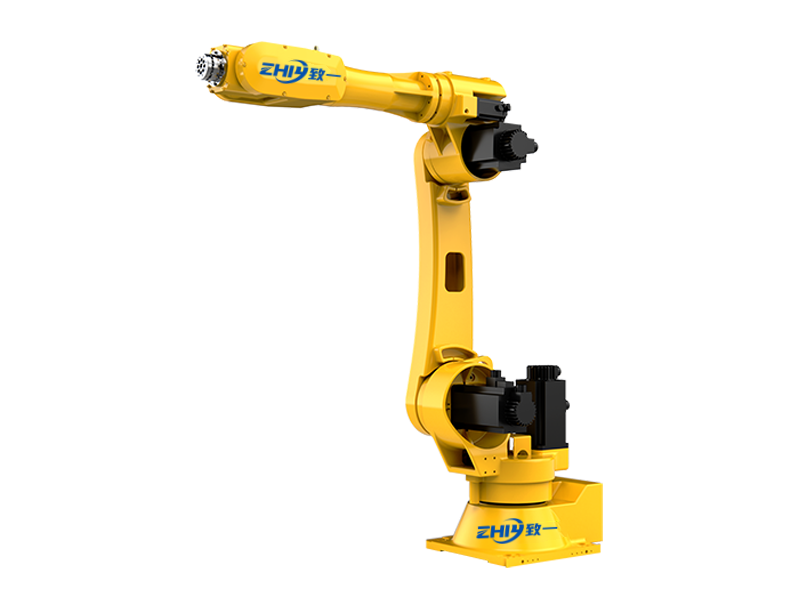
The electrical and electronics industry has extremely high requirements for production precision and efficiency, and the application of industrial robots in this field is becoming increasingly widespread. Currently, the most widely installed industrial robots in the global industrial landscape are SCARA-type four-axis robots and serially articulated vertical six-axis robots. These robots play a vital role in the production of electronic products, such as IC chip manufacturing, surface mount component assembly, and mobile phone production.
(I) Vision Robots
In mobile phone production, vision robots are widely used in automated systems for processes such as touchscreen inspection, cleaning, and film application. For example, vision robots such as sorting and packaging, film tearing systems, laser plastic welding, and high-speed four-axis palletizing robots enable high-precision automated production.
(II) High-Precision Assembly
The assembly of electronic products requires extremely high precision and stability. Industrial robots, through precise control and repeatable positioning capabilities, enable high-precision assembly tasks. For example, DENSO WAVE's COBOTTA robot can automate wire harness assembly, a task previously unattainable.
(III) Quality Inspection
Industrial robots can also be used for quality inspection of electronic products. Equipped with high-precision sensors and vision systems, robots can quickly detect cosmetic defects, dimensional deviations, and other issues, ensuring product quality.
3. Rubber and Plastics Industry: Industrial Robots Improve Production Efficiency
The rubber and plastics industry is another important area for industrial robot applications. This industry has high requirements for production efficiency and product quality, and industrial robots can meet these demands. The application of industrial robots in the rubber and plastics industry covers the entire production process, from raw material processing to finished product manufacturing.
(I) Injection Molding
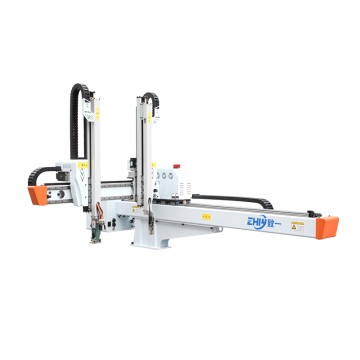
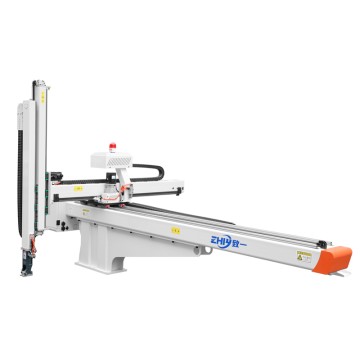
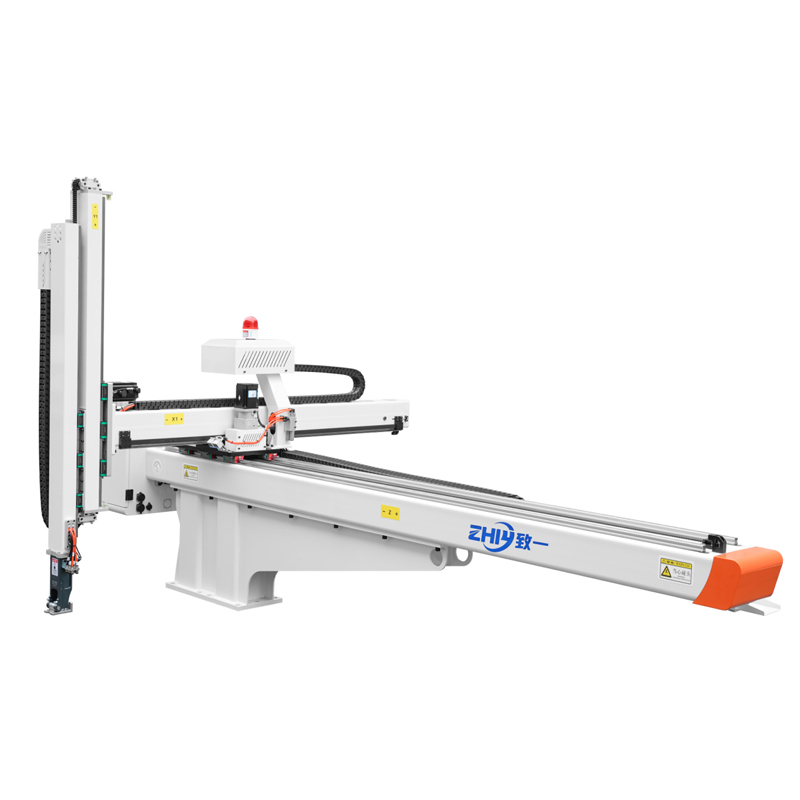
Industrial robots play a vital role in the injection molding process. They can perform a range of tasks, including removing products from the injection molding machine, performing preliminary processing, testing, and packaging. For example, two-hand coordinated clean handling robots can operate in a Class 10,000 cleanroom environment and feature high speed, rapid response, and high repeatability.
(II) Finishing
In the finishing process of rubber and plastic products, industrial robots can perform tasks such as cutting, grinding, and polishing. These robots offer high flexibility and precision, meeting the processing requirements of a wide range of products.
(III) Quality Inspection
Industrial robots can also be used for quality inspection of rubber and plastic products. Equipped with vision systems and sensors, robots can quickly inspect the appearance and dimensions of products to ensure product quality.
4. Foundry Industry: Industrial Robots Cope with Harsh Environments
The foundry industry's harsh working environment, characterized by high temperatures, high pollution levels, and high-intensity labor, poses a threat to worker health and safety. The application of industrial robots in the foundry industry not only improves production efficiency but also enhances the working environment.
(i) Handling and Loading
Industrial robots can handle heavy loads and loading and unloading tasks during the casting process. For example, Kawasaki's heavy-duty foundry robots can handle loads up to 700 kg and feature ultra-high torque wrists, enabling safe and efficient operation in harsh environments.
(ii) Deburring and Polishing
The surface treatment of cast products is a critical step in the production process. Industrial robots can perform tasks such as deburring, grinding, and polishing, improving product surface quality and consistency.
(iii) Quality Inspection
Industrial robots can also be used for quality inspection of cast products. Equipped with vision systems and sensors, robots can quickly inspect product dimensions and appearance to ensure quality.
5. Food Industry: Industrial Robots Ensure Food Safety
The food industry has extremely high hygiene and safety requirements, and the application of industrial robots in this sector is increasingly widespread. Industrial robots can complete tasks such as food packaging, handling, and cutting, ensuring the hygiene and safety of food during the production process.