
Leave Your Message
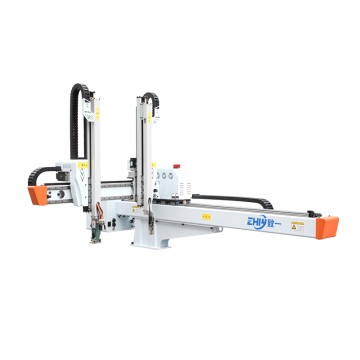
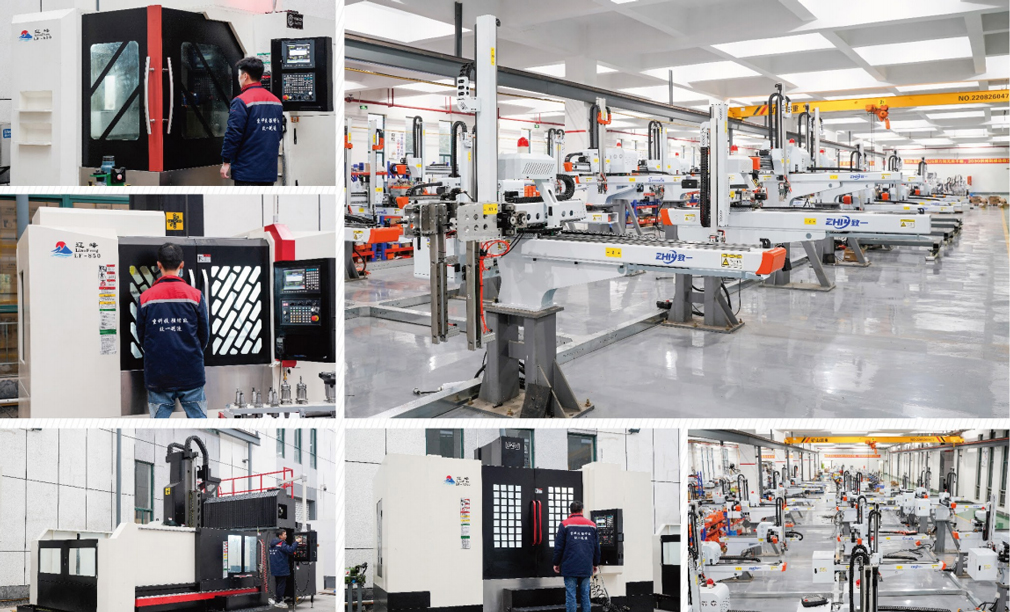
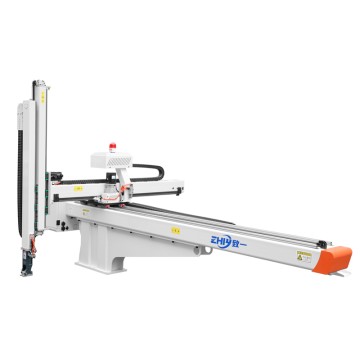
The Deepening Phase of Industry 4.0: A Panoramic Forecast of Three-Axis Servo Robot Trends Over the Next Five Years
The Deepening Phase of Industry 4.0: A Panoramic Forecast of Three-Axis Servo Robot Trends Over the Next Five Years
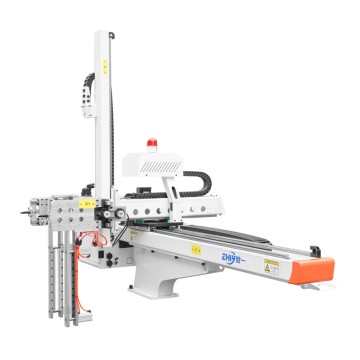
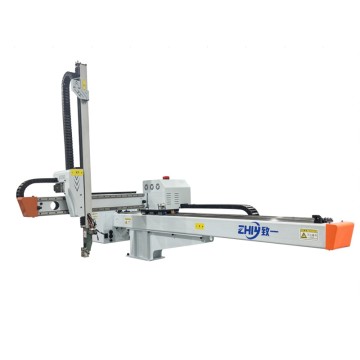
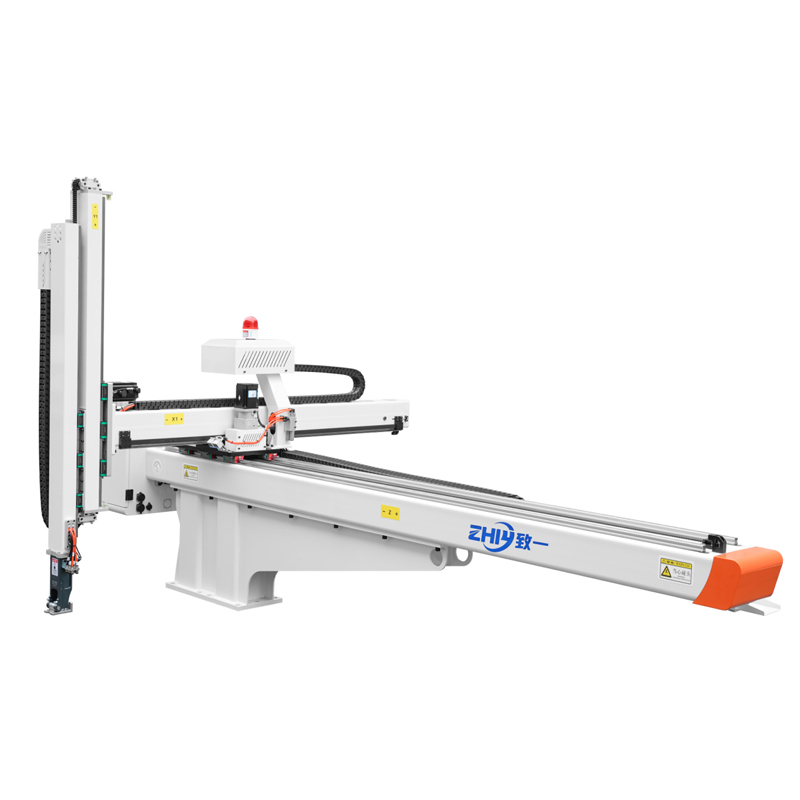
With the global manufacturing industry's intelligent penetration rate reaching 35% and the coverage rate of smart factories in China's Yangtze River Delta region exceeding 37%, the manufacturing industry is undergoing a critical transition from "islands of automation" to "global intelligence." In this process, three-axis servo robots, as the core vehicle for flexible automation, are evolving from traditional tools that replace repetitive labor to intelligent nodes that connect digital twins with the physical world. Based on the latest industry data and technological breakthroughs, this article analyzes the development trajectory of three-axis servo robots over the next five years from three perspectives: technological advancement, market restructuring, and ecosystem evolution, providing decision-making guidance for manufacturing companies' intelligent transformation.
Technological Advancement: A Leap from Precision Execution to Cognitive Intelligence
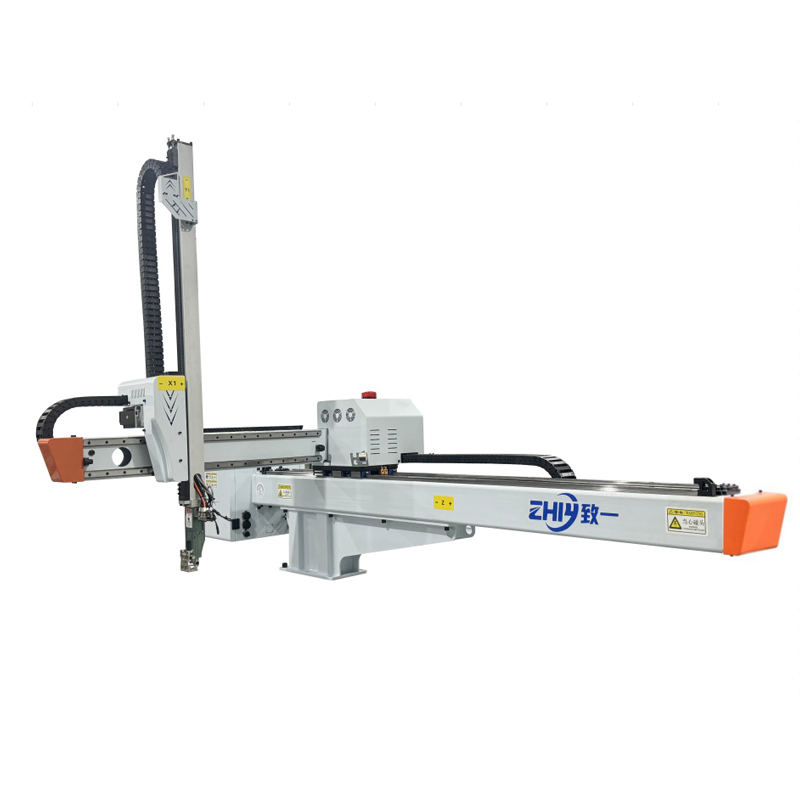
The technological evolution of three-axis servo robots is driven by a dual-pronged strategy of "precision breakthroughs + intelligent penetration." By 2023, the accuracy of domestic servo systems had improved to ±0.02 mm, and repeatability had been reduced to ±0.05 mm. These indicators have reached international top-tier standards, providing a foundation for precision manufacturing. More notably, with the in-depth application of 5G and AI edge computing technologies, equipment is accelerating its evolution toward a closed-loop "perception-decision-execution" system. It is projected that by 2025, the penetration rate of models equipped with AI visual recognition capabilities will exceed 50%, meaning that the majority of three-Axis Robots will possess autonomous recognition and adaptive adjustment capabilities.
Collaboration and human-machine integration have become key areas for technological breakthroughs. By 2023, collaborative three-axis robots covered 29% of precision assembly processes in the 3C industry, and this proportion is expected to increase to 35% by 2025. This breakthrough is reflected not only in improved force control technology—the Robot Can instantly adjust its force upon contact with the workpiece—but also in innovative safety mechanisms. Through the integration of millimeter-wave radar and visual sensors, dynamic monitoring of the safe distance between humans and machines is achieved. A case study at an electronics contract manufacturer shows that the introduction of collaborative three-axis robots increased production line equipment utilization from 65% to 89%, while also reducing the injury rate by 72%.
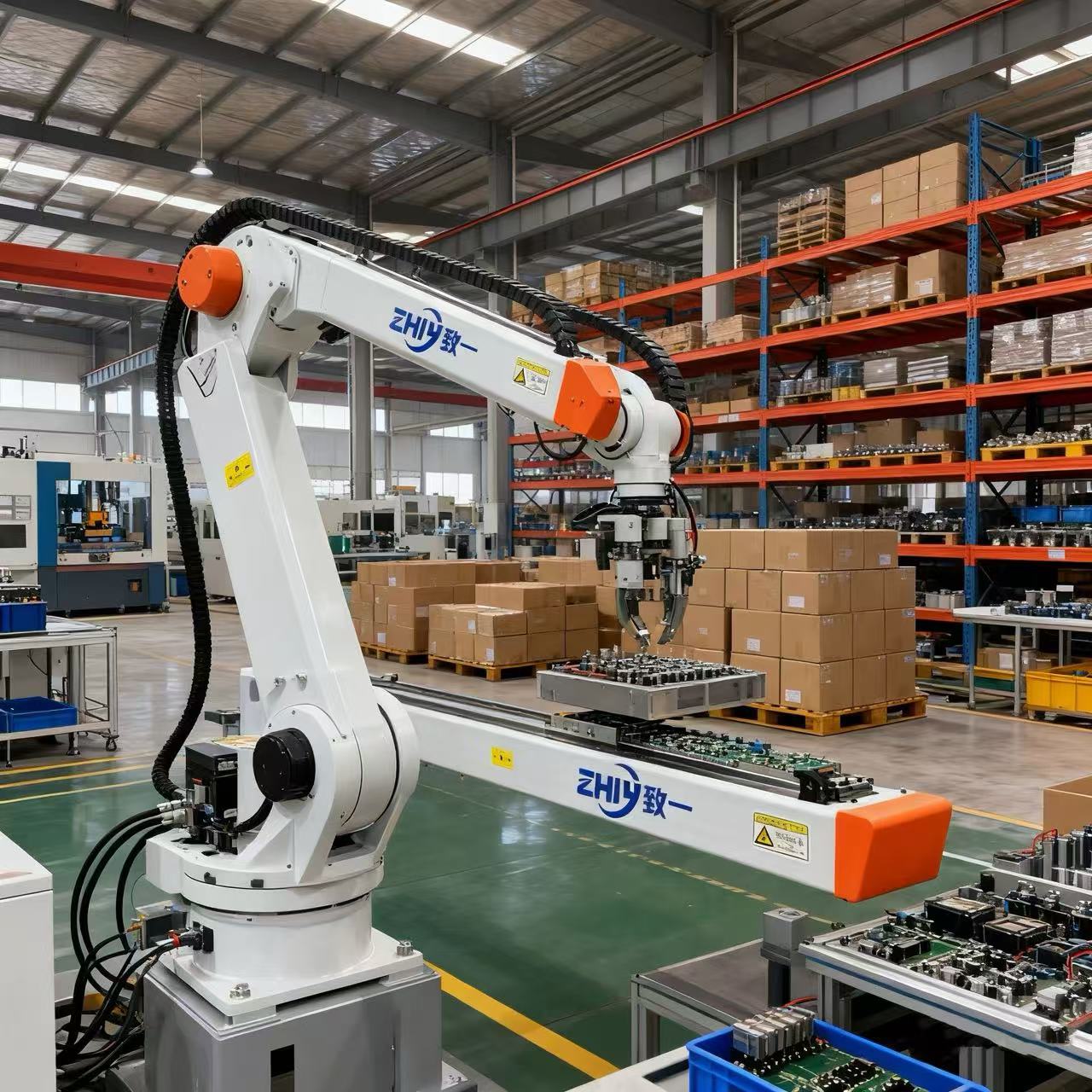
The maturity of modular design is reshaping equipment deployment models. Current mainstream products utilize standardized interface designs, shortening deployment cycles by 40%. The payback period for a single piece of equipment for small and medium-sized electronics processing companies has been reduced to less than 18 months. This plug-and-play nature, combined with a graphical programming interface, enables even small and medium-sized enterprises lacking professional robotics engineers to quickly implement automation. This technological breakthrough is driven by the maturity of the supply chain. By 2023, domestic companies had achieved a 65% localization rate for key components. Although the localization rate for core components such as RV reducers remains at only 28%, this bottleneck is being gradually overcome through collaborative research between industry, academia, and research.
Market Restructuring: Structural Opportunities Driven by Policy and Demand
China's three-axis servo robot market is on the verge of explosive growth, reaching 4.5 billion yuan in 2023, with an annual growth rate of 12%-15%. This growth is not evenly distributed, but rather exhibits significant industry differentiation and regional gradients. The new energy vehicle sector performed particularly well, contributing 32% of the market growth in 2023. Application cases in scenarios such as power battery module assembly and IGBT module testing saw a 54% year-on-year increase, reflecting the urgent need for automated equipment in high-end manufacturing.
The continued release of favorable policy dividends has become a key driver of market expansion. The "Robot+" Application Action Plan, jointly issued by the Ministry of Industry and Information Technology and 17 other departments, clearly states that by 2025, the density of robots in the manufacturing industry will double compared to 2020 levels, and more than 200 typical robot application scenarios will be promoted. At the local level, Jiangsu and Guangdong, two major manufacturing powerhouses, have invested over 2 billion yuan in special funds, driving the penetration rate of three-axis robots among small and medium-sized manufacturing enterprises from 17% in 2021 to 28% in 2023. Tax incentives have been effective, with the additional deduction for R&D expenses increased from 75% to 100%, directly driving a 12 percentage point increase in robot procurement in 2023.
The market competition landscape is undergoing profound changes. Local brands Estun and Efort hold a combined 42% market share. Their cost-effective strategies have driven down the average price of international brands by 15%-18%, accelerating the adoption of automation technology. This competition has led to a distinct price stratification: Standard product prices have fallen by 7% annually, while the premium for intelligent models with integrated vision positioning continues to grow, with their market share increasing from 18% in 2019 to 34% in 2023. Exports have become a new growth driver, with export volume projected to increase by 37% year-on-year in 2023. Demand from countries along the Belt and Road Initiative is particularly strong, with the export share projected to increase from the current 18% to 25% in 2025.
Ecosystem Evolution: From Equipment Supplier to Smart Manufacturing Partner
Three-axis servo robots are evolving from isolated automation equipment to key nodes in digital factories, driving the restructuring of the manufacturing value chain. This transformation is evident in three dimensions: In terms of data, IIoT penetration in the electronics manufacturing industry reached 55% by 2024. Robots use built-in sensors to collect real-time data such as temperature, vibration, and energy consumption, supporting predictive maintenance. In terms of processes, the application of digital twin technology has reduced virtual commissioning time by 60%. One automotive parts manufacturer, through digital twin simulation, reduced its new product introduction cycle from 12 weeks to 5 weeks. In terms of ecosystems, equipment manufacturers are beginning to offer comprehensive "hardware + software + services" solutions, resulting in profit margins that are 2-3 times higher than simply selling equipment.
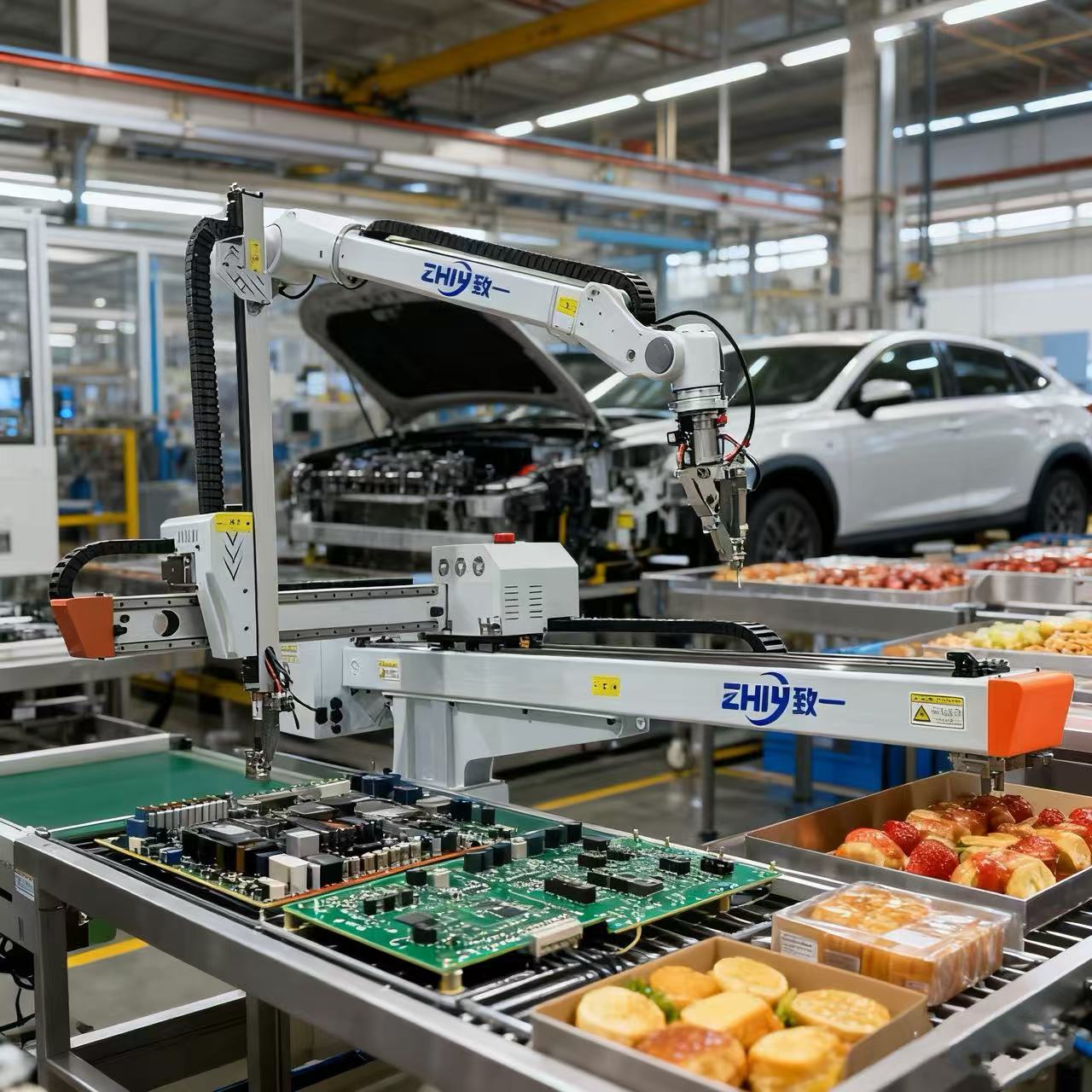
The cross-sector expansion of application scenarios is breaking down traditional industry boundaries. In the medical device sector, procurement of surgical assistance robots increased by 315% year-on-year in 2023, demonstrating their unique advantages in precision operations. In the food packaging industry, the penetration rate of three-axis robots with anti-contamination designs has increased from 19% in 2021 to 34% in 2023. Even in agriculture, robots equipped with AI vision have enabled precise picking and grading of fruits and vegetables. Behind this cross-industry penetration lies the art of balancing the universality of core technology platforms with the specialization of industry solutions.
Over the next five years, the industry will face the dual challenges of standardization and personalization. On the one hand, the EU's newly enacted Machinery Directive introduces 118 new safety requirements, and certification costs for export-oriented companies are expected to increase by 23%. On the other hand, the trend toward small-batch, high-variety production demands greater equipment flexibility. The key to meeting these challenges lies in building a modular technology platform—ensuring reliability and cost advantages through standardized core modules, while addressing specific industry needs through interchangeable end effectors and customized software. This model has been proven by leading companies. One manufacturer, through modular design, expanded its product line from 12 to 28, while simultaneously shortening its R&D cycle by 40%.
Conclusion: Seizing the Strategic Opportunity of Lightweight and Intelligent Manufacturing
At this historical juncture in the deepening of Industry 4.0, the value of three-axis servo robots has transcended the realm of simple efficiency tools, becoming an "entry-level" strategic asset for manufacturing companies' digital transformation. For large enterprises, it's a standardized unit for building smart factories; for small and medium-sized enterprises, it's a lightweight solution for bridging the automation gap; and for equipment manufacturers, it's a strategic pivot for transitioning from product sales to capability output.
Over the next five years, the key to success lies not only in the speed of technological innovation but also in a deep understanding of industry needs. Companies that can transform servo precision into product quality, data collection into decision-making insights, and policy dividends into market advantages will seize the initiative in this wave of intelligent manufacturing. With the density of smart factories in the Yangtze River Delta reaching 79% of internationally advanced levels, while the central and western regions still have 45% room for growth, the gradual market shift and generational technological transition are providing historic opportunities for prepared companies.
With the manufacturing industry facing the dual pressures of rising labor costs (expected to increase by 46% in 2023 compared to 2018) and intensifying global competition, three-axis servo robots are no longer an option but a necessity for survival and development. The technological path chosen, the strategic markets targeted, and the ecosystems forged will determine a company's ultimate position in the intelligent manufacturing landscape.