
Leave Your Message
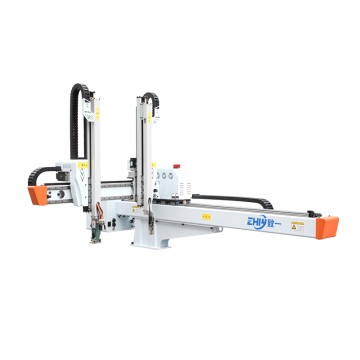
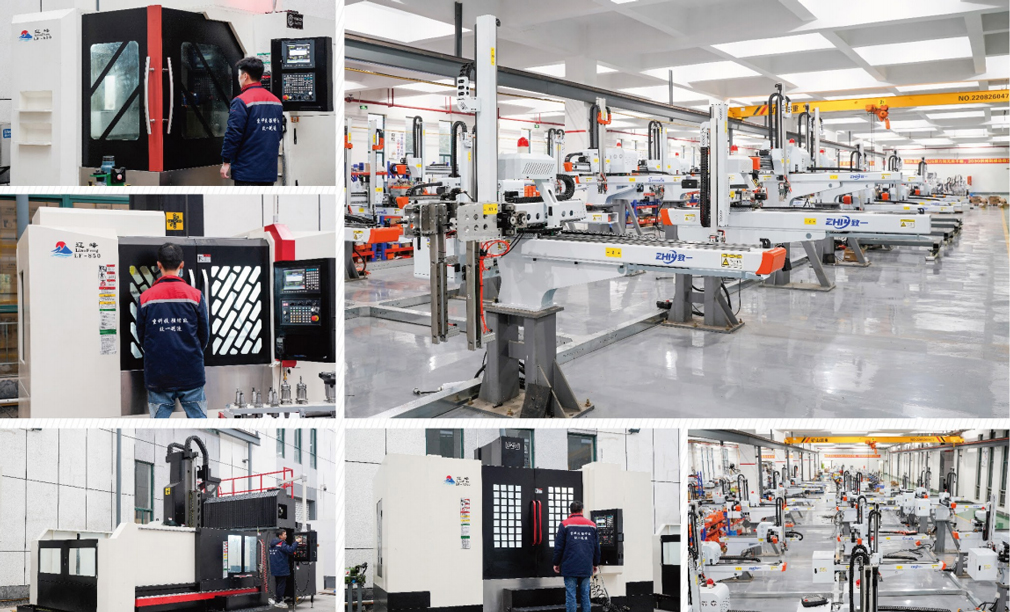
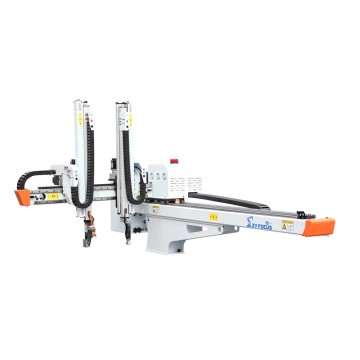
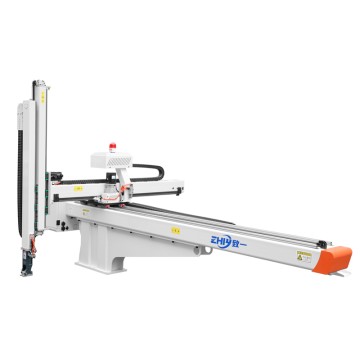
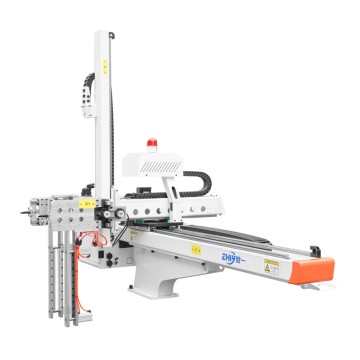
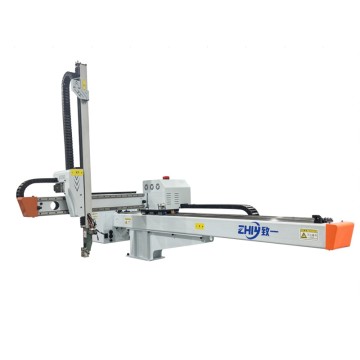
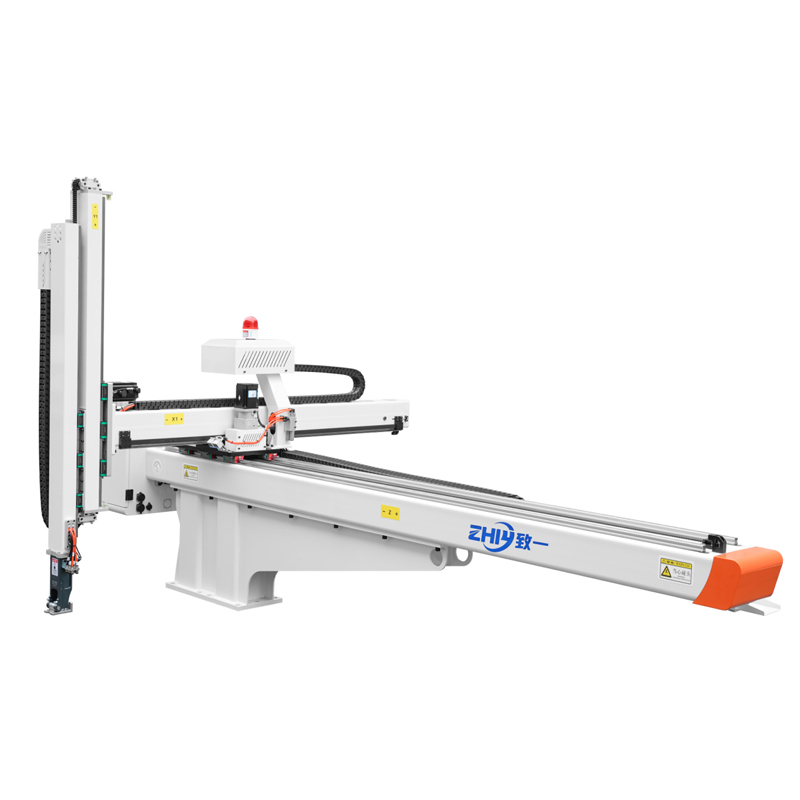
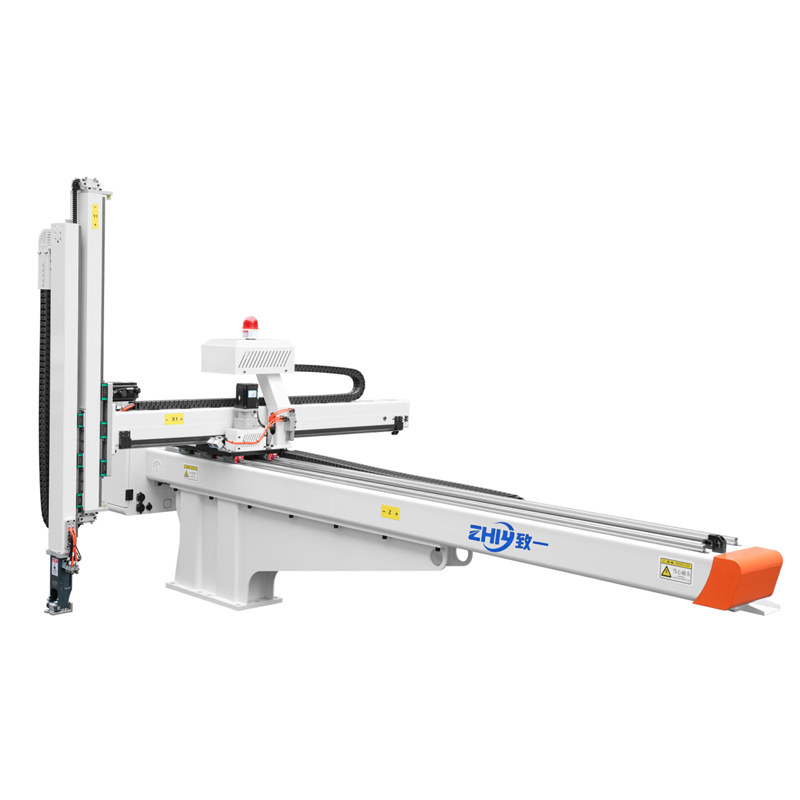
Strong load capacity, three-axis servo manipulator has advantages in heavy material handling
Powerful Load Capacity: The Advantages of Three-Axis Servo Robots in Heavy Material Handling
In manufacturing, logistics and warehousing, automotive parts, and other fields, heavy material handling remains a critical component of the production process, a persistent bottleneck in efficiency and a potential safety hazard. From the high risks and low efficiency of traditional manual handling to the load limitations and inaccuracies of early Robotic Arms, the industry continues to demand more stable, efficient, and safer heavy material handling solutions.Three-axis servo robots, with their superior load performance, are becoming a key piece of equipment to overcome this challenge, redefining the standards and efficiency of heavy material handling.
I. Industry Pain Points in Heavy Material Handling: Why is "Load Capacity" a Key Breakthrough?
Before exploring the advantages of three-axis servo robots, we must first address the common pain points in heavy material handling today—pain points that highlight the irreplaceable importance of a strong payload capacity:
The "double dilemma" of manual handling: For materials weighing over 50 kg (such as automobile chassis, large molds, and metal castings), manual handling not only requires collaboration among multiple people but is prone to physical strain, leading to reduced efficiency and safety risks such as muscle strain and dropped materials. According to the "Manufacturing Safety Accident Statistics Report," heavy material handling-related accidents account for 32% of all workplace accidents, 80% of which are related to manual error or exhaustion.
Performance Shortcomings of Traditional Mechanical Equipment: While early pneumatic robotic arms or single-axis handling equipment could handle some heavy-load tasks, they suffered from two core issues: a low upper load limit (mostly under 100kg), making them inadequate for heavy-duty industrial applications; and poor positioning accuracy (often exceeding ±5mm), which can easily lead to material loss or assembly failure during precision assembly (such as docking automotive parts).
The escalating conflict between production efficiency and cost: As the manufacturing industry transitions to more flexible production, companies are demanding greater flexibility and continuity in heavy material handling. Traditional equipment often requires fixed tracks or complex installation and commissioning, making switching production lines time-consuming and labor-intensive. Insufficient load capacity directly limits the amount of material handled per shift, increasing the risk of production line interruptions. 2. Core Advantages of Three-Axis Servo Robots: From "Load Capacity" to "Overall Performance"
The three-axis servo robot's ideal choice for heavy material handling lies in its strong load capacity, combined with its advantages of high precision, high stability, and high flexibility. This results in improved overall performance: higher loads per lift, more accurate positioning, and more stable long-term operation.
1. Load Capacity: Breaking Through Weight Limits to Meet the Needs of Heavy-Duty Applications
Three-axis servo robots offer load capacities ranging from 50kg to 500kg, with some customized models exceeding 1000kg. They can cover most industrial heavy material handling scenarios, such as engine handling in the automotive industry, large component assembly in construction machinery, and heavy pallet transfer in the logistics industry. Its load-bearing performance is primarily supported by two key technologies:
High-torque servo motor: Using imported servo motors, the system delivers stable torque output and enables continuous operation under full load, avoiding downtime or speed drops due to insufficient power.
Reinforced mechanical structure: The arm and joints are constructed from high-strength alloy materials (such as quenched and tempered 45# steel and die-cast aluminum alloy), combined with precision bearings. This ensures structural rigidity even under heavy loads, preventing deformation that could affect accuracy.
For example, at an automotive parts factory, the introduction of a three-axis servo robot with a 200kg payload allowed the robot to grasp, transport, and position transmission housings (weighing 180kg each), which previously required two workers to operate a crane. This single-handed handling efficiency has increased by 300%, eliminating the need for manual intervention and minimizing safety risks.
2. Positioning Accuracy: Balancing Load and Precision, Meeting Precision Assembly Requirements
Traditionally, "high load" is often associated with "low precision." However, the three-axis servo robot achieves "high-precision positioning under heavy loads" through a combination of a servo control system and a precision transmission mechanism:
Servo Closed-Loop Control: Utilizing a PLC + servo drive closed-loop control system, the robot provides real-time feedback on position and speed, automatically adjusting power output based on load changes. This ensures positioning error within ±0.1mm to ±0.5mm under full load, meeting the requirements of precision assembly (e.g., docking heavy materials with equipment, precise splicing of multiple components).
Precision Ball Screw/Timing Belt Drive: Core drive components utilize high-precision ball screws or timing belts, achieving transmission efficiencies exceeding 95%. This reduces positioning deviations caused by backlash, ensuring consistent positioning over thousands of passes, especially in repetitive handling tasks. After using a three-axis servo robot with a 300kg payload, a construction machinery company reduced the assembly error between a large hydraulic cylinder (each weighing 280kg) and the machine body from ±2mm to ±0.3mm, increasing the assembly pass rate from 85% to 99.5%, and reducing rework costs due to assembly errors by over 500,000 yuan annually.
3. Stability and Reliability: Stress-free, long-term heavy-load operation and reduced maintenance costs
Heavy material handling places extremely high demands on equipment stability. A failure during full-load operation can not only halt production lines but also potentially cause equipment damage or safety incidents due to falling materials. The three-axis servo robot ensures long-term stable operation through the following design features:
Overload Protection: Built-in current overload, torque overload, and temperature overload protection. When the load exceeds the set value or the motor temperature is too high, the device automatically shuts down and issues an alarm, preventing damage to core components.
Maintenance-Free Design: Key components (such as the servo motor, bearings, and drive screw) are sealed to prevent dust and oil contamination. The lubrication system provides automatic oil supply, reducing manual maintenance. The device's mean time between failures (MTBF) can reach over 8,000 hours, far exceeding the 5,000 hours of traditional robotic arms.
A logistics warehouse center, for example, introduced a 500kg-capacity three-axis servo robot for handling heavy pallets (each weighing 450kg) in and out of the warehouse. It operates continuously for 12 hours per day and requires only one routine inspection per month. Maintenance costs are 40% lower than traditional forklifts, and the center has never experienced a single interruption in storage due to equipment failure.
4. Flexibility: Quickly adapt to various scenarios and respond to flexible production needs.
Compared to traditional fixed-track heavy material handling equipment (such as cranes and floor-track robotic arms), the three-axis servo robot offers significant flexibility advantages:
Easy Installation: No complex ground tracks or overhead steel frames are required for installation; it can simply be fixed to the ground or workbench, creating a small footprint and adapting to workshop layout adjustments.
Quick Program Switching: The handling path, load parameters, and positioning coordinates can be modified using the touchscreen. Program adjustments for different material handling tasks take only 5-10 minutes, while traditional equipment requires hours or even days of debugging.
Multi-station Collaboration: It can be combined with conveyor lines, AGVs, and other equipment to achieve multi-station collaboration. For example, heavy materials can be picked up from a shelf, moved to processing equipment, and then moved to an inspection station after processing. This fully automated process eliminates the need for manual transfers.
III. Typical Application Scenarios of Three-Axis Servo Robots: From "Single Handling" to "Full-Process Empowerment"
The three-axis servo robot's powerful load capacity and comprehensive performance have enabled it to transform from a "single handling tool" to a "full-process empowerment device" in multiple industries. The following are three typical application scenarios:
1. Automobile and Parts Manufacturing: The "Dual Demands" of Heavy Loads and Precision
The automotive industry is a critical sector for heavy material handling. From stamped body parts (50-150kg each) to engines and transmissions (100-300kg each), high-load, high-precision handling equipment is required. Three-axis servo robots can achieve the following:
Stamping Shop: Grab heavy steel plates from the rack, move them to the stamping press, and then move them to the next process after stamping, eliminating deformation caused by manual handling.
Final Assembly Shop: Precisely move heavy components such as engines and rear axles to their corresponding positions on the vehicle body, with positioning errors within ±0.5mm to ensure assembly accuracy.
Parts Warehouse: Automated loading and unloading of heavy pallets loaded with auto parts, replacing forklifts and reducing manual labor.
After a joint venture automobile factory introduced 20 three-axis servo robots with a load capacity of 200-300kg, the final assembly shop's heavy material handling efficiency increased by 40%, the assembly defect rate decreased by 60%, and annual labor cost savings exceeded 3 million yuan.
2. Construction Machinery and Heavy Equipment: "Stable Operation" Under Overload
Construction machinery (such as excavators and cranes) typically has heavy parts (e.g., excavator buckets weigh 500-800kg each) and large volumes. Traditional handling relies on a combination of a crane and manual guidance, which is inefficient and carries high safety risks. Three-axis servo robots (customizable with a payload of 500-1000kg) enable:
Intra-workshop transfer of large parts without manual hook guidance, thus preventing material collisions;
Precise alignment of parts with machine bodies, such as moving heavy hydraulic pumps to mounting holes on machine bodies with a positioning accuracy of ±1mm, minimizing assembly gaps;
Off-line handling of finished equipment, such as moving assembled small excavators (weighing 3-5 tons and requiring the coordination of multiple robots) from the production line to storage.
3. Logistics and Warehousing: "Efficient Flow" of Heavy Pallets
With the development of e-commerce and manufacturing logistics, the demand for handling heavy pallets (loaded with home appliances, furniture, and industrial raw materials) is increasing. Three-axis servo robots can be used in conjunction with high-bay warehouses and AGV systems to achieve:
Heavy pallet loading and unloading in high-bay warehouses, with a single handling capacity of up to 500 kg, a 50% increase over traditional stacker cranes;
Heavy cargo sorting in cross-border logistics, such as moving 300-400 kg pallets of industrial raw materials from containers to the sorting line, replacing manual labor and forklifts, and increasing efficiency by 200%;
Seamless integration between production lines and warehouses, such as enabling heavy finished products from the production line to be directly transferred by the robot to AGV pallets, which are then transferred to the warehouse by the AGV, eliminating intermediate transfers.
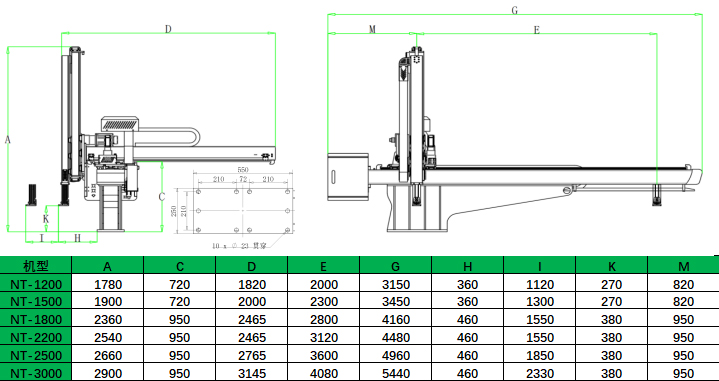
VI, How Can Three-Axis Servo Robots Further Enhance Their "Load Advantage"?
With the advancement of industrial automation technology, the application of three-axis servo manipulators in heavy material handling will further expand, and their load capacity will also be upgraded towards becoming more intelligent, integrated, and green.
Intelligent load adaptation: By introducing sensors (such as weight sensors and force control sensors), automatic load identification and adjustment is achieved. The manipulator can detect material weight in real time and automatically optimize power output and movement speed, avoiding energy waste caused by "low speed for heavy loads and high speed for light loads" while further improving positioning accuracy.
Multi-axis collaboration and integration: In the future, "three-axis + multi-axis" collaborative systems will emerge. For example, a three-axis Servo Manipulator can primarily handle heavy loads, while a six-axis robotic arm can perform precision assembly, creating an integrated solution for "heavy load handling + delicate operations."
Green and energy-saving design: While enhancing load capacity, energy consumption is reduced through optimized motor efficiency, energy-saving servo drives, and braking energy recovery. For example, a certain brand of three-axis servo manipulator with a load capacity of 300kg consumes 25% less energy than traditional equipment, saving over 10,000 yuan in electricity bills annually.
Conclusion: Breaking Through with "Powerful Load Capacity" and Empowering with "Comprehensive Efficiency"
The pain point of heavy material handling lies essentially in the mismatch between load requirements and existing equipment capabilities. Three-axis servo manipulators, with their core focus on "powerful load capacity," combine high precision, high stability, and high flexibility. They not only address the "weight challenge" of heavy material handling but also improve production efficiency and reduce safety risks through full process automation, making them a key piece of equipment in the manufacturing industry's transition to "smart factories."