
Leave Your Message
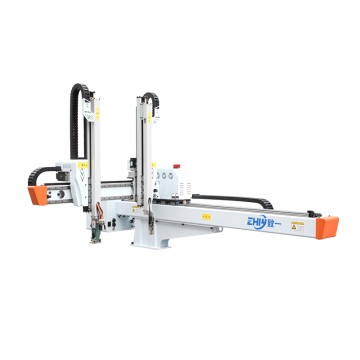
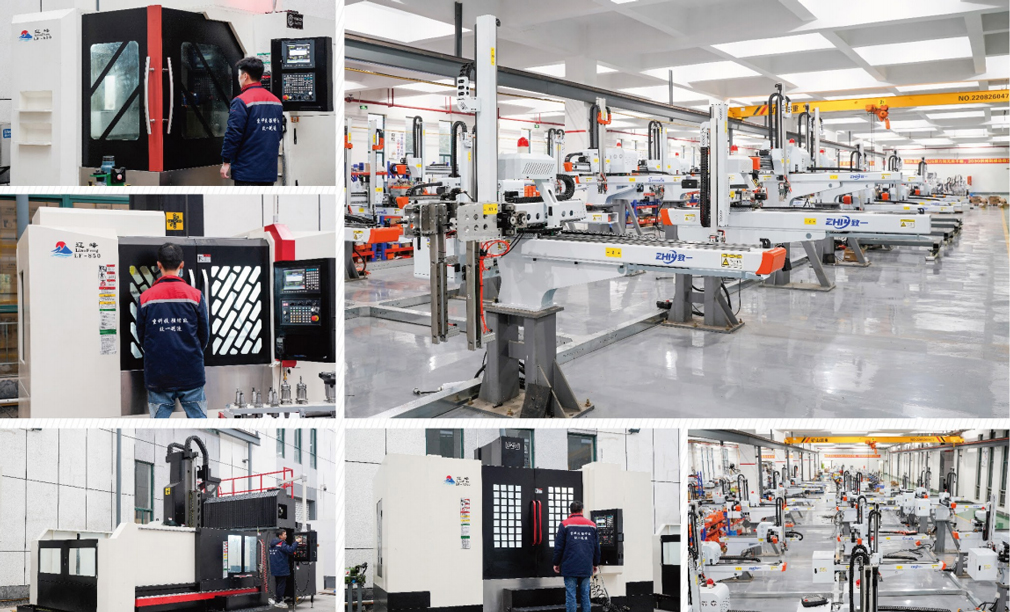
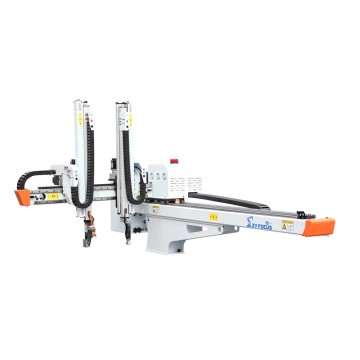
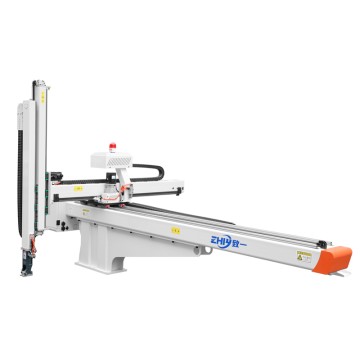
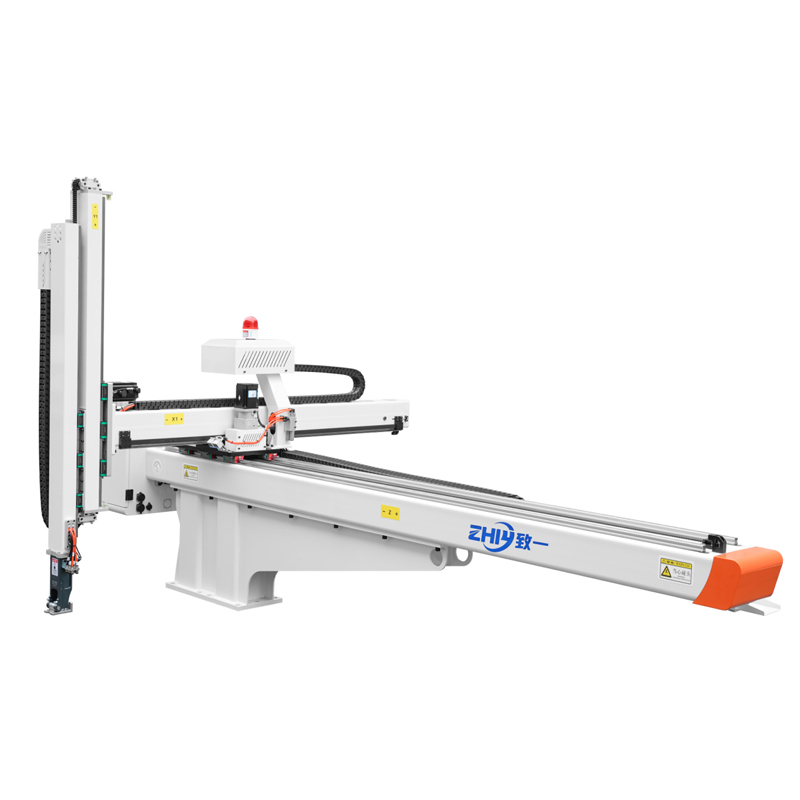
Stocking Strategies for 3-Axis Robotic Arms: A Guide for Injection Molding Distributors
Stocking Strategies for 3-Axis Robotic Arms: A Guide for Injection Molding Distributors
Amidst the global trend of continuous upgrades in injection molding automation, 3-axis servo robotic arms have become standard automation equipment in injection molding workshops and represent a core, high-volume product category for overseas distributors. Strategic stocking—which enables both rapid response to end-user orders to capture market share, and effective control of inventory costs to minimize capital tie-up—is the key for distributors to enhance their profitability and competitiveness. Drawing upon dimensions such as market demand, model selection, inventory structure, supply chain collaboration, and risk management, this article systematically outlines a stocking methodology for 3-axis robotic arms tailored to global wholesale buyers, helping distributors achieve efficient inventory turnover, stable profitability, and sustainable growth.
Table of Contents
Assessing Core Demand Before Stocking 3-Axis Robotic Arms
Classification of Mainstream 3-Axis Robotic Arm Models and Stocking Priorities
Establishing a Scientific Inventory Structure for 3-Axis Robotic Arms
Planning Stocking Cycles and Procurement Rhythms
Stocking Strategies for Spare Parts and Consumables
Cross-Regional Stocking and Logistics/Warehousing Optimization
Inventory Control and Mechanisms for Handling Slow-Moving Stock
Collaborative Stocking Strategies with Upstream Suppliers
Conclusion: Driving Long-Term Business Growth Through Precision Stocking
I. Assessing Core Demand Before Stocking 3-Axis Robotic Arms
Stocking is not about blind hoarding, but rather a precise decision-making process based on market data and specific customer scenarios. Before formulating a stocking plan for 3-axis robotic arms, distributors must prioritize the evaluation of the following dimensions:
End-Industry Distribution: Industries such as packaging, electronics, home appliances, automotive parts, and daily necessities exhibit distinct requirements regarding the load capacity, stroke range, and speed of 3-axis robotic arms; these differences directly determine which models should constitute the core inventory.
Injection Molding Machine Tonnage Matching: Small machines (50T–160T), medium machines (160T–400T), and large machines (over 400T) correspond to different specifications of 3-axis robotic arms; stocking levels must be calibrated to match the specific equipment composition ratios found in local injection molding factories.
Market Competitive Landscape: Whether positioning the business for high-value-for-money, high-volume sales; for mid-range stability and durability; or for high-end, high-precision applications—both the selected stocking models and the pricing strategies must remain consistent with this market positioning.
Order Cycles and Delivery Pressures: The relative proportions of standard orders, project-based orders, and urgent/emergency orders determine the necessary level of safety stock and the capacity for rapid inventory replenishment. Policy and Certification Requirements: Determine whether the target market mandates certifications such as CE or ISO; prioritize stocking compliant models to mitigate risks associated with customs clearance and sales.
The clearer the assessment of demand, the greater the precision of inventory stocking—which, in turn, leads to a significant improvement in capital utilization and turnover efficiency.
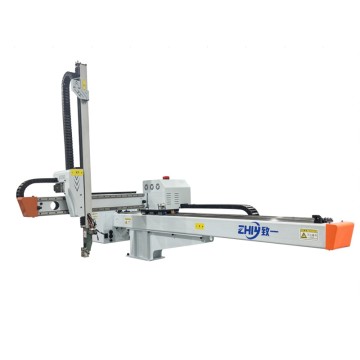
II. Classification of Mainstream 3-Axis Robotic Arms and Stocking Priorities
3-axis servo robotic arms can be categorized into three major groups based on their structure, load capacity, and application scenarios; distributors may set their stocking priorities according to market demand:
1. Standard Single-Arm, Single-Stage 3-Axis Robotic Arms (Core Volume Models)
Applications: 50T–200T injection molding machines; small plastic parts; rapid part extraction.
Features: Simple structure, low failure rate, cost-effective pricing, easy installation and commissioning.
Stocking Recommendation: Highest priority; accounts for 50%–60% of total inventory volume to meet routine replacement and bulk installation requirements.
2. Single-Arm, Double-Stage / Extended-Stroke 3-Axis Robotic Arms (Growth Models)
Applications: 200T–400T injection molding machines; medium-sized plastic parts; side extraction and long-distance transfer tasks.
Features: High versatility, covering the majority of medium-scale injection molding scenarios.
Stocking Recommendation: Medium-to-high priority; accounts for 25%–30% of total inventory volume.
3. High-Load / High-Precision 3-Axis Robotic Arms (High-Margin Models)
Applications: Large-scale machines (400T and above); thick-walled or heavy-duty plastic parts; structural components for automotive accessories.
Features: High load capacity, strong structural rigidity, precise positioning; commands a higher unit price and gross margin.
Stocking Recommendation: Stock in small quantities on an as-needed basis; accounts for 10%–15% of total inventory volume, driven primarily by specific orders followed by rapid replenishment.
4. Non-Standard / Custom 3-Axis Robotic Arms (Project-Based Models)
Applications: Integrated solutions for specialized tasks such as unique part extraction, insert molding, stacking, shearing, etc.
Features: Highly customized; typically involves longer lead times.
Stocking Recommendation: Do not stock complete units; instead, maintain an inventory of key universal components and manufacture units on an order-by-order basis.
III. Establishing a Scientific Inventory Structure for 3-Axis Robotic Arms (for Injection Molding Distributors)
A healthy inventory structure serves as the foundation for rapid turnover, avoiding stock accumulation, and preventing stockouts. It is recommended to adopt the "6-2-1-1" inventory model:
60% Standard Volume Models: Characterized by the most stable market demand and fastest turnover rates; these models ensure consistent cash flow and baseline sales volume.
20% General-Purpose Growth Models: Compatible with medium-to-large injection molding machines; designed to capture incremental orders.
10% High-Margin Models: Boost overall gross margins and cater to the needs of high-end clients.
10% General Accessories + Consumables: Support after-sales service and rapid repairs, thereby enhancing customer satisfaction.
Simultaneously establish safety stock thresholds: For standard models, maintain a stock level sufficient to cover 1.5 to 2 months of sales; for growth models, maintain 1 month of sales stock; and for high-margin models, use 0.5 months of sales as a reference point to prevent capital tie-ups.
IV. Stocking Cycles and Procurement Rhythm Planning
When planning stock for overseas distributors, the procurement rhythm must be determined by comprehensively considering production lead times, logistics transit times, customs clearance durations, and seasonal sales fluctuations:
Production Lead Times: Standard 3-axis manipulators typically require 7–15 days for production; non-standard models require 20–30 days.
Logistics Transit Times: Sea freight takes 25–45 days; air freight takes 5–7 days; and land freight takes 7–15 days.
Seasonal Reference: The period 1.5 to 2 months prior to the peak consumption season for plastic products serves as the prime window for stocking up.
Rhythm Recommendations:
Pre-Peak Season: Initiate stocking 2 months in advance, prioritizing sea freight to minimize logistics costs.
Shoulder Season: Place small, frequent orders to maintain healthy inventory turnover.
Off-Peak Season: Exercise strict inventory control, focusing primarily on clearing slow-moving stock and optimizing inventory structure.
Replenishment Trigger: When the stock level of standard models drops below 70% of the safety stock threshold, initiate replenishment immediately to prevent stockouts.
V. Stocking Strategy for Accessories and Consumables
Selling the complete 3-axis manipulator unit is merely the first step; the availability of accessories and effective after-sales support are critical drivers for repeat business and positive word-of-mouth. It is recommended to maintain a complementary stock of the following categories:
Servo System Components: Servo motors, servo drives, encoders.
Pneumatic System Components: Air cylinders, solenoid valves, vacuum generators, suction cups.
Transmission Components: Ball screws, linear guides, timing belts, bearings.
Electrical Components: Control systems, Teach Pendants, cables, switches.
Consumables: Suction cups, belts, bearings, sensors.
Accessory Stocking Principles: Keep high-frequency consumables consistently in stock, while maintaining a reserve of critical components equivalent to 5%–8% of the complete machine stock volume; this approach ensures adequate after-sales support without tying up excessive capital.
VI. Cross-Regional Stocking and Logistics & Warehousing Optimization
For wholesale distributors serving multiple countries or regions, adopting a "Central Warehouse + Regional Sub-warehouse" model can significantly enhance delivery efficiency:
Central Warehouse: Strategically located at major logistics hubs; responsible for large-scale storage, transit, and distribution.
Regional Sub-warehouses: Situated in close proximity to core markets; used to stock standard, high-volume models to facilitate rapid local delivery.
Key Warehousing Considerations:
Vertical Storage: Store complete units upright; implement robust dust and rust prevention measures to extend storage life.
Accessory Management: Categorize and clearly label spare parts to facilitate rapid picking.
Packaging Optimization: Refine packaging solutions to minimize transit damage rates.
Logistics Mix: Utilize sea freight for large-volume shipments to minimize costs, while reserving air freight for urgent orders to guarantee timely delivery and enhance the customer experience.
VII. Inventory Control and Slow-Moving Stock Management Mechanisms
Continuous inventory control is essential to prevent stock accumulation, depreciation, and the tying up of capital:
Dynamic Monitoring: Update inventory turnover data weekly to identify slow-moving models.
Slow-Moving Determination: Any model with zero shipments for 60 consecutive days—barring seasonal fluctuations—is officially classified as slow-moving stock.
Management Strategies:
Bundled Promotions: Sell slow-moving models in bundles alongside high-demand, best-selling models.
Price Reduction & Clearance: Cut prices to clear stock quickly and recover capital.
Refurbishment & Upgrading: Modify or upgrade units to adapt them for use in alternative application scenarios.
Strict Prohibition: Avoid excessive stocking that lacks market justification to prevent inventory levels from spiraling out of control.
VIII. Collaborative Stocking Strategies with Upstream Suppliers
A distributor's stocking efficiency is heavily dependent on its upstream supply chain; establishing deep collaborative mechanisms is therefore highly recommended:
Sales Forecast Sharing: Provide suppliers with monthly and quarterly sales forecasts to facilitate proactive production planning.
Capacity Reservation: Sign long-term agreements with high-quality suppliers to guarantee supply availability during peak seasons.
Flexible Replenishment: Negotiate for a rapid replenishment channel (typically 7–10 days) to effectively handle sudden or urgent orders.
Quality & Certification: Prioritize suppliers that hold international certifications (such as CE and ISO) and demonstrate consistent quality control, thereby mitigating after-sales service issues and compliance risks.
IX. Conclusion
For global distributors of injection molding equipment, 3-axis servo manipulators serve as both the cornerstone of sales volume and the pillar of profitability. Scientific stocking is not merely a matter of simple hoarding; rather, it is a systematic engineering process that is driven by market demand, supported by data analytics, and underpinned by a robust supply chain. Through precise model selection, a rational inventory structure, rhythmic procurement, efficient warehousing and logistics, and robust risk management, we are able to rapidly respond to market demands and secure orders while simultaneously controlling costs and accelerating inventory turnover. Ultimately, this enables us to achieve simultaneous growth in both sales volume and profit, thereby maintaining a long-term competitive advantage amidst fierce global market competition.
#3axisRobotStocking #InjectionMolding3axisServoRobot #InjectionMoldingDistributorStockingStrategy #3axisRobotInventoryManagement #InjectionAutomationEquipmentStocking #ServoRobotWholesalePurchasing #3axisRobotModelSelection #InjectionRobotSafetyStock #IndustrialRobotOverseasStocking #3axisRobotPartsStocking