
Leave Your Message
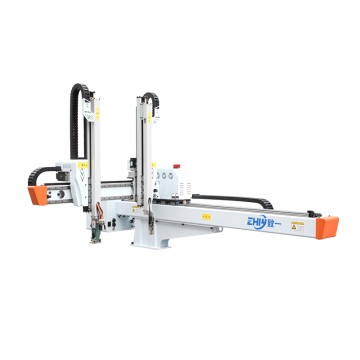
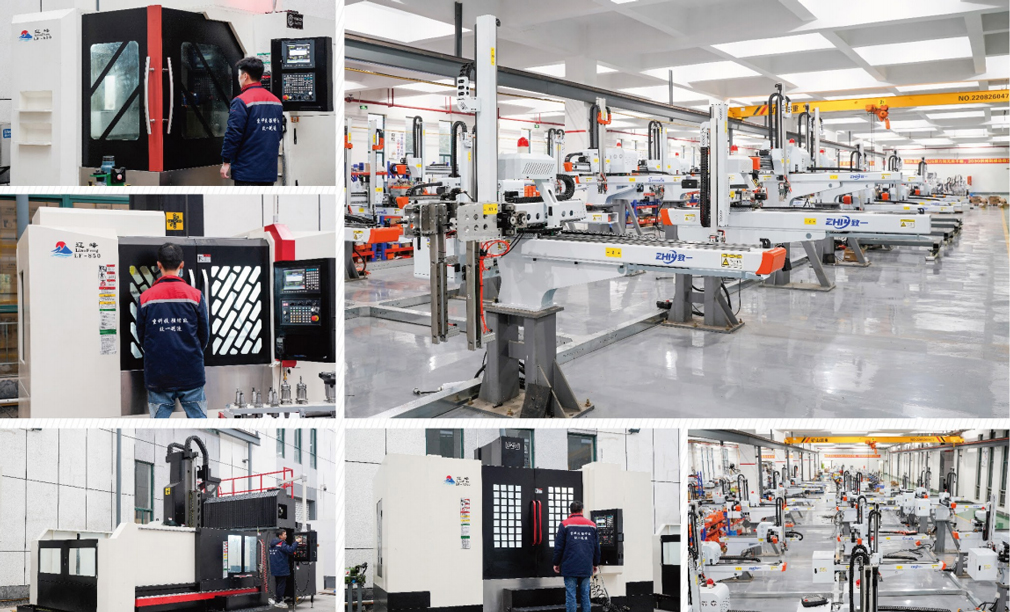
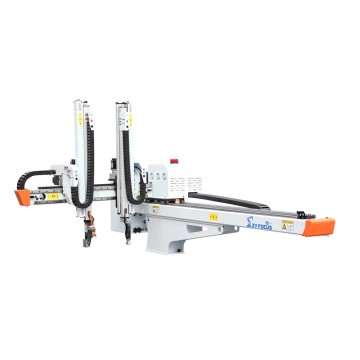
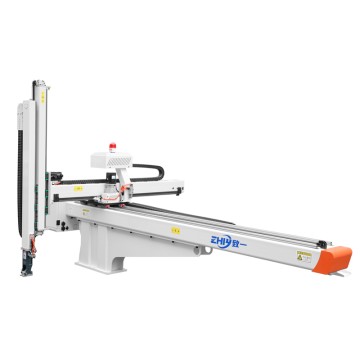
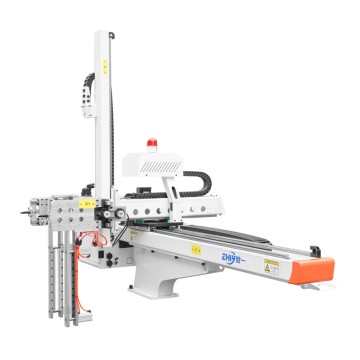
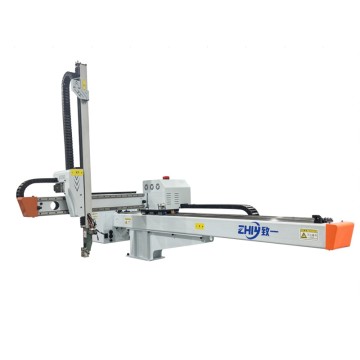
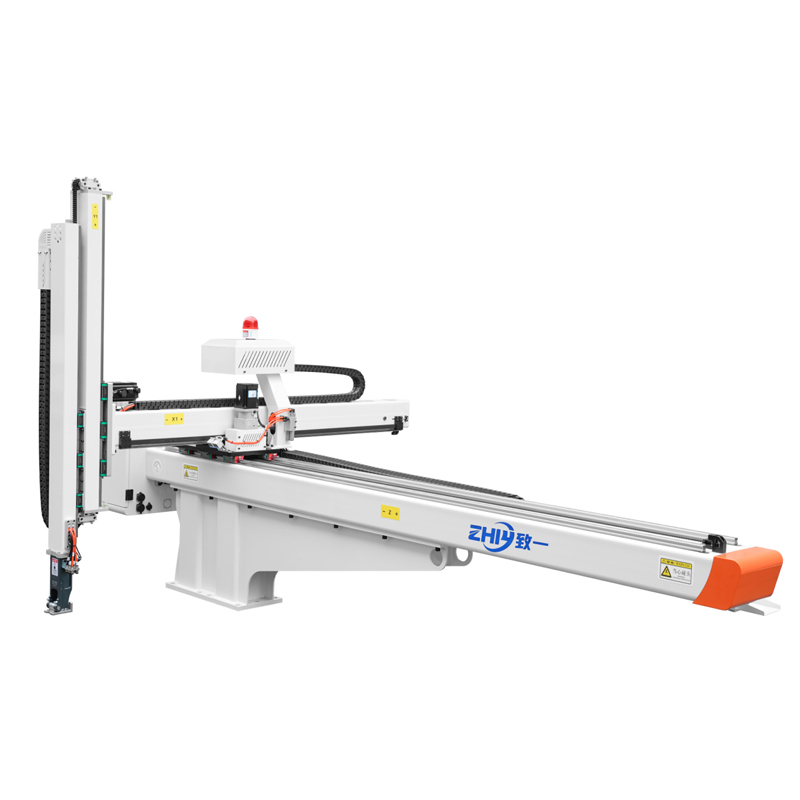
Specific application of three-axis servo manipulator in medicine sorting and packaging
Specific Applications of Three-Axis Servo Robots in Pharmaceutical Sorting and Packaging
Three-Axis Servo Robots: Reshaping the Efficiency Revolution in Pharmaceutical Sorting and Packaging
Driven by the pharmaceutical industry's stringent quality standards and the need for efficient production, automation equipment has become a core driver of pharmaceutical companies' upgrades and transformations. Three-axis servo robots, with their core advantages of precise control, stable operation, and flexible adaptability, have transformed their role in pharmaceutical sorting and packaging from "auxiliary tools" to "core production units." This article will delve into their specific application scenarios, technical value, and practical application logic in this field, providing a reference for pharmaceutical companies' automation upgrades.
I. Pharmaceutical Industry Requirements: Why Choose Three-Axis Servo Robots?
The unique characteristics of pharmaceutical production dictate the stringent requirements for automated equipment: GMP-certified cleanliness standards, milligram-level sorting accuracy, 24-hour stable operation, and rapid changeover between multiple product specifications. Traditional manual sorting and packaging not only faces efficiency bottlenecks (the average daily sorting capacity per person is only 3,000-5,000 pieces), but also presents quality risks such as drug mix-ups and miscounting caused by human error. Traditional pneumatic manipulators, however, are limited by insufficient control precision and jerky movements, making them unsuitable for pharmaceutical applications.
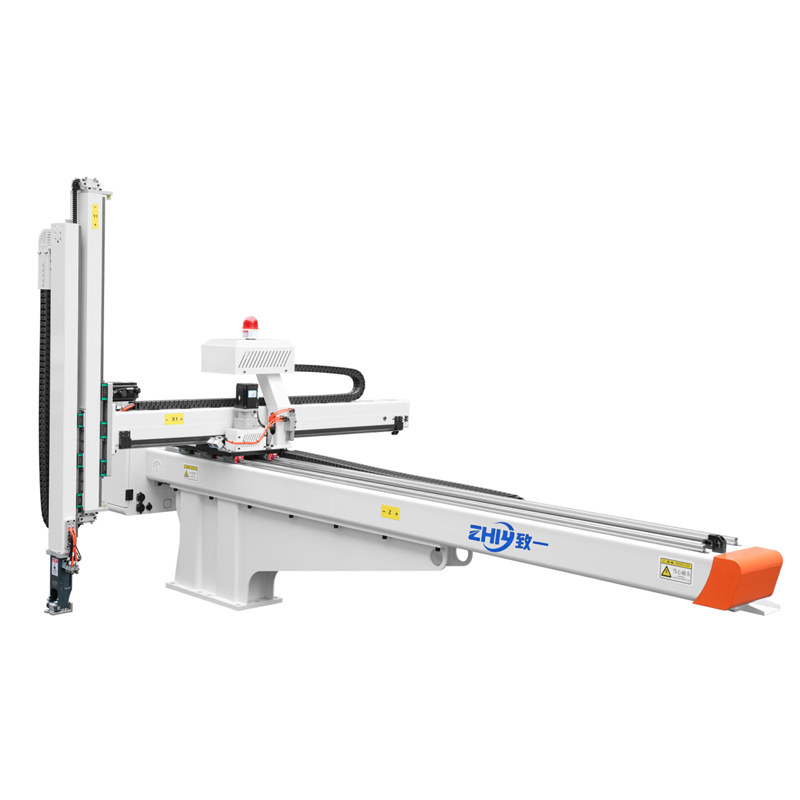
The emergence of three-axis Servo Manipulators addresses this dilemma. Their servo-motor-driven X, Y, and Z-axis motion system achieves positioning accuracy of 0.1mm. Combined with programmable motion paths and force feedback, they meet the dust-free operation requirements of cleanrooms while precisely adapting to the handling needs of different dosage forms (tablets, capsules, oral liquids, etc.), making them an ideal choice for automated pharmaceutical sorting and packaging.
II. Core Application Scenario 1: Precision Control of Pharmaceutical Sorting
Sorting is a critical node in the pharmaceutical production process, requiring a complete closed-loop process of "identification - grasping - classification - transfer." The application of three-axis servo robots in this process can be divided into three major scenarios:
(I) Precision Sorting of Multi-Dosage Forms
For pharmaceuticals in various forms, such as tablets, capsules, and softgels, three-axis servo robots can achieve efficient sorting by equipping them with customized end-effectors. For tablet sorting, for example, a vacuum suction cup end-effector is used. The servo system precisely controls the suction cup pressure (0.02-0.05 MPa), ensuring stable gripping of tablets with diameters ranging from 3-15 mm while preventing breakage caused by excessive pressure. For capsules, a flexible gripper is used instead, utilizing the servo motor's force control function to maintain a gripping force of 5-10 N, preventing deformation and leakage.
In terms of sorting efficiency, the three-axis servo robot offers a significant advantage. Taking the tablet sorting lines of small and medium-sized pharmaceutical companies as an example, traditional manual sorting lines can process approximately 8,000-10,000 tablets per hour. However, automated sorting lines equipped with three-axis servo robots, through high-speed linkage between the X and Y axes (maximum operating speed of 1.5 m/s), can increase this capacity to 30,000-40,000 tablets per hour. The sorting error rate is kept below 0.01%, far lower than the 0.5% error standard for manual sorting.
(II) Targeted Sorting of Drug Batch Numbers
Drug regulations require that each batch of drugs be individually circulated and accurately traced, placing extremely high demands on the batch identification capabilities of the sorting process. A three-axis servo robot, linked to a vision recognition system, automates the process of "batch number identification - precise sorting - targeted transfer." The vision system first captures the batch number information (barcode or QR code) on the drug packaging. Using an algorithm, it rapidly interprets the batch number data and transmits it to The Robot Control system. Based on pre-set batch number classification rules, the system then coordinates the X, Y, and Z axes to transfer drugs from different batches to their corresponding bins. The entire process takes less than 0.5 seconds, completely eliminating the risk of batch mix-ups.
Application of this solution in the oral dosage form workshop of a large pharmaceutical company has shown that the manual intervention rate for batch sorting has been reduced from 15% to 0.3%, traceability efficiency has increased fourfold, and the product has successfully passed unannounced inspections by drug regulatory authorities.
(III) Automatic Rejection of Defective Products
During the pharmaceutical production process, a small number of defective products (such as misshapen tablets and leaking capsules) are generated due to factors such as raw material defects and process variations. Traditional manual rejection is not only inefficient but also prone to missed inspections. A three-axis servo robot, combined with visual inspection and weight detection systems, enables precise rejection of defective products. The visual system identifies cosmetic defects in pharmaceuticals, while a weight sensor detects weight deviations (with an accuracy of ±0.01g). When a defective product is detected, the system immediately sends a signal to the robot, which rapidly adjusts its trajectory, grabs the product, and transfers it to a waste bin. The rejection response time is just 0.3 seconds, with a rejection accuracy rate of 99.99%.
III. Core Application Scenario 2: Efficient Collaboration in Pharmaceutical Packaging
Packaging is the final step in pharmaceutical production, requiring multiple processes, including cartoning, sealing, labeling, and palletizing. The three-axis servo robot, through deep integration with the packaging production line, achieves efficient collaboration across these processes.
(I) Automated Integration of Cartoning and Sealing for Pharmaceuticals
In the cartoning process for tablets and capsules, the three-axis servo robot performs the core tasks of "straightening" and "packaging." Taking capsule packing as an example, the robot first uses synchronized X- and Y-axis motion to neatly arrange the capsule packs (12-24 capsules per pack) fed from the conveyor. The Z-axis then lowers the end gripper to precisely place the capsule packs into the packaging boxes. The entire process takes just 0.8 seconds per box. During the box sealing process, the robot collaborates with the carton sealer to fold the lid and apply the glue. A servo system controls the pressing force (20-30N) to ensure the box seals meet transportation standards and prevent damage and drug contamination.
After upgrading their capsule packaging line, a pharmaceutical company employed two three-axis servo robots working in tandem. This increased box packing and sealing efficiency from 120 boxes/minute to 200 boxes/minute, and the packaging acceptance rate increased from 98.5% to 99.8%.
(II) Precise Positioning of Pharmaceutical Labels
Pharmaceutical labels contain key information such as the drug name, strength, batch number, and expiration date. Any deviation in label placement not only affects aesthetics but may also violate pharmaceutical regulations. A three-axis servo robot achieves millimeter-level precision in labeling through a combination of "vision positioning + servo drive": The vision system first identifies the box's reference positions (such as corners and printed markings), calculates the labeling coordinates, and transmits them to the robot. The robot then precisely moves the labeling head along the X and Y axes to the target position. The Z axis controls the labeling pressure (0.1-0.2 MPa) to ensure a smooth, wrinkle-free application of the label, with a positional deviation within ±0.5 mm.
For irregular-shaped packaging such as round medicine bottles, the robot can also utilize a rotary axis (an optional fourth axis) to achieve 360° labeling. The servo system synchronizes speed control to ensure consistent rotational speed between the labeling head and the bottle, ensuring a seamless connection at the label joint.
(III) Intelligent Palletizing and Storage of Finished Products
After pharmaceutical packaging is complete, they need to be quickly palletized and stored to minimize floor space. A three-axis servo robot can calculate the optimal palletizing trajectory based on the size, weight, and storage requirements of the packaging boxes. For lightweight oral dosage boxes (each box weighing less than 500g), a multi-claw end effector is used to grasp and palletize 4-6 boxes at a time. For heavier infusion bottle boxes (each box weighing 10-15kg), an electric gripper is used, utilizing the high torque output of the servo motor to achieve stable gripping.
In terms of palletizing accuracy, the robot uses closed-loop height control on the Z axis to ensure that the stacking deviation of each layer of boxes does not exceed 1mm. Palletizing heights can reach 1.8-2.5m, and the robot can automatically adjust the pallet shape (e.g., square or rectangular) based on the size of the storage shelves. After implementation at a pharmaceutical storage center, the finished product palletizing efficiency increased from 80 boxes/hour (manually operated) to 300 boxes/hour, improving warehouse space utilization by 30%.
IV. Core Technical Advantages and Selection Key Points of the Three-Axis Servo Robot
(I) Three Technical Advantages Suitable for Pharmaceutical Applications
Cleanroom-Grade Design: Utilizing a stainless steel body and food-grade lubricant, the polished surface withstands disinfection methods such as alcohol and UV light, meeting GMP Class 8 cleanroom requirements and preventing cross-contamination of pharmaceuticals.
Precise and Controllable Servo System: Utilizing imported servo motors and drivers, it supports position, speed, and force control modes. Flexible switching allows for precise handling of delicate items and steady gripping of heavy items.
Flexible Integration: Supporting multiple industrial communication protocols such as Modbus and Profinet, it seamlessly integrates with vision systems, weighing systems, packaging machines, and other equipment, enabling full automation of the production line. Programming software allows for rapid adjustment of motion parameters, enabling the switching of production lines for multiple pharmaceutical specifications (switchover time less than 10 minutes).
(II) Key Considerations for Pharmaceutical Companies in Product Selection
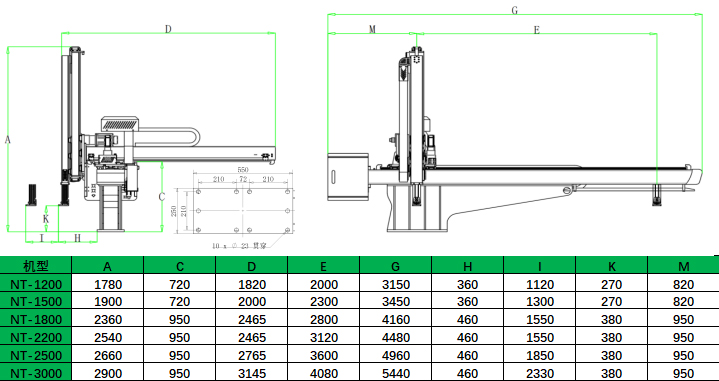
Load and Travel Matching: Select a load capacity based on the weight of the drugs being sorted/packaged (typically 1-50 kg). Choose a three-axis travel range (500-3000 mm on the X-axis, 300-2000 mm on the Y-axis, and 200-1000 mm on the Z-axis) based on the workshop layout to ensure production needs are met.
Cleanliness Level Requirements: Production workshops for different dosage forms, such as oral preparations and injectables, require different cleanliness levels, requiring a robot with the appropriate cleanliness level (e.g., Class 7 is suitable for injectable workshops).
After-Sales Service Capabilities: Pharmaceutical production cannot be interrupted, so select a manufacturer that offers 24-hour response and rapid spare parts supply to ensure timely repairs in the event of equipment failure and minimize production downtime losses.
V. Conclusion: Automation Upgrades Are an Inevitable Choice
Under the pharmaceutical industry's growing trend toward quality improvement, efficiency enhancement, and compliance and traceability, three-axis servo robots are no longer simply production tools; they are the core driving force behind achieving precision, efficiency, and intelligence in drug sorting and packaging. From multi-dosage form sorting to finished product palletizing, from batch number tracing to rejecting defective products, their full-scenario adaptability and technological advantages are helping more and more pharmaceutical companies overcome production bottlenecks, reduce quality risks, and enhance market competitiveness.