
Leave Your Message
Southeast Asia Automation Trends: 2026 Three-Axis Robot Market Growth Forecast
Southeast Asia Automation Trends: 2026 Three-Axis Robot Market Growth Forecast
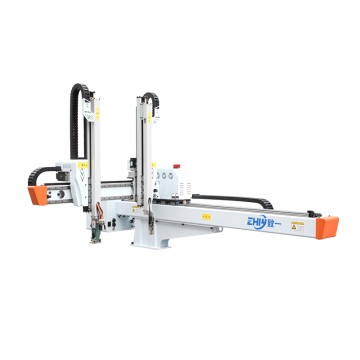
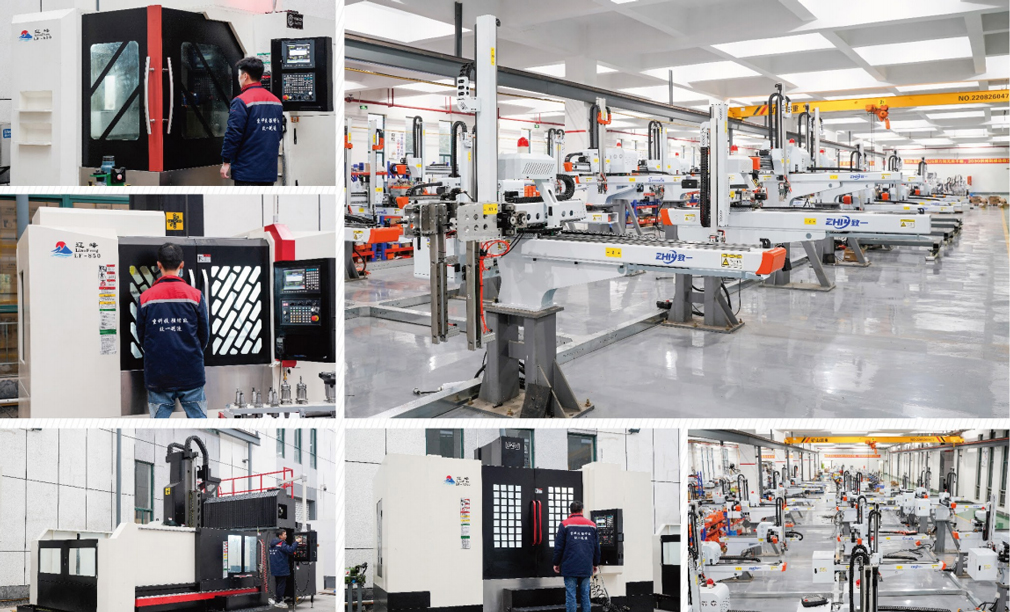
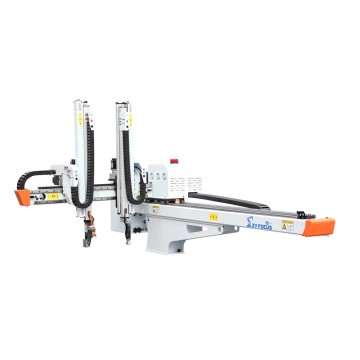
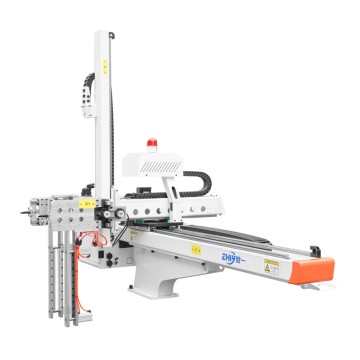
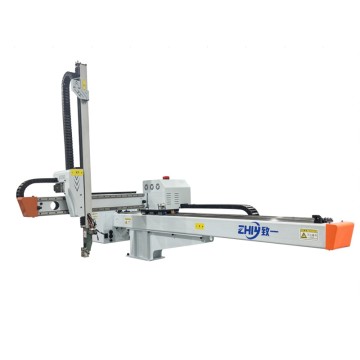
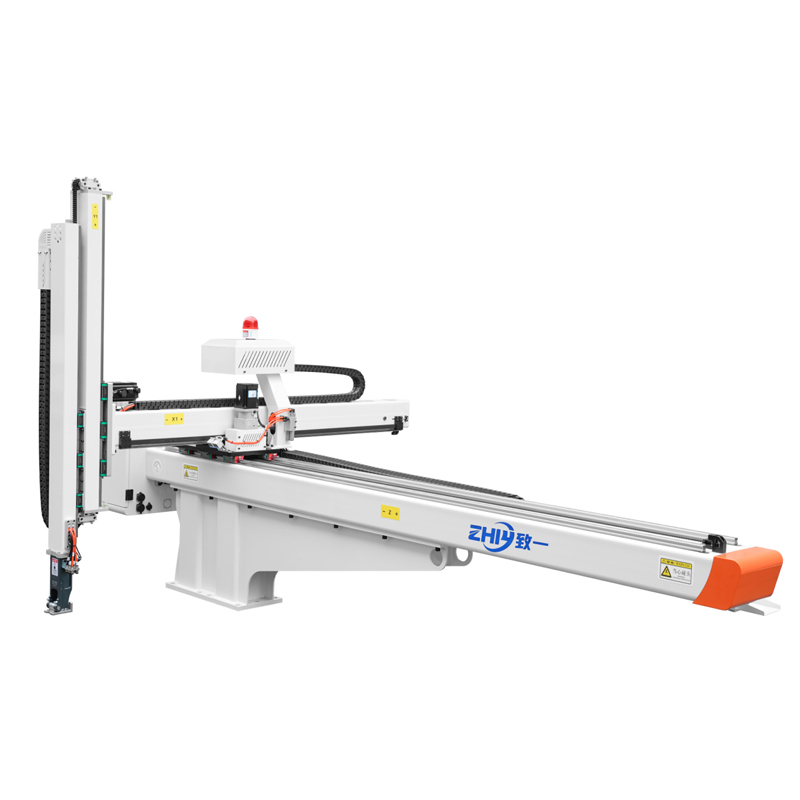
Amid the global restructuring of manufacturing supply chains, Southeast Asia is becoming a core growth engine for industrial automation. Injection molding, a key link in local industries such as consumer electronics, automotive parts, and food packaging, is experiencing explosive growth in demand for automation equipment. Three-axis servo robots, with their high cost-effectiveness, strong adaptability, and ease of operation, have become the preferred equipment for Southeast Asian injection molding companies to upgrade their production lines. This article will analyze the growth logic and data forecast for the Southeast Asian three-axis robot market in 2026 based on core dimensions such as Southeast Asian industrial policies, labor structure, and market demand, providing key references for global wholesale buyers to seize regional market opportunities.
I. Key Growth Data of the Southeast Asian Three-Axis Robot Market in 2026: CAGR of 4.49% Set as an Industry Trend
According to data from professional market research institutions, the Southeast Asian injection molding machine robot market will maintain a CAGR of 4.49% from 2026 to 2032, ranking among the top in the world. Three-Axis Robots, as the mainstream product category, account for over 60% of the market, becoming the core driving force for overall market growth. This growth figure is not accidental, but rather based on the dual expansion of the Southeast Asian injection molding industry and the increase in automation penetration: In 2025, China's total exports of injection molding machines to Southeast Asia reached US$152.08 million, accounting for 33.06% of China's total plastics machinery exports. Vietnam alone saw an 83.34% year-on-year increase in injection molding machine imports. The rapid deployment of injection molding production lines has directly created a rigid demand for supporting three-axis robots.
From a regional market segmentation perspective, Vietnam, Thailand, and Indonesia have emerged as the three core markets for three-axis Robotic Arms: Vietnam, leveraging the agglomeration effect of its electronics manufacturing industry, is projected to achieve a CAGR of 14% in its industrial automation market by 2026, with demand for three-axis robotic arms continuously rising in the handling and transportation of 3C electronic injection molded parts; Thailand, supported by the "4.0 Strategy" and the Eastern Economic Corridor (EEC) policy, is experiencing a surge in demand for heavy-duty three-axis robotic arms in the automotive parts injection molding industry, with a projected market growth rate of 6%; Indonesia, driven by the food packaging and new energy industries, is maintaining a stable growth rate of 8%-9% in its three-axis robotic arm market. The synergistic efforts of these three markets jointly support the overall growth trend of the Southeast Asian three-axis robotic arm market.
II. Three Core Driving Forces: Unlocking the Growth Code of the Southeast Asian Three-Axis Robotic Arm Market
1. Labor Structure Transformation: Labor Shortages and Rising Costs Force Automation Transformation
Southeast Asian manufacturing is facing a severe structural labor shortage, becoming the primary factor driving the widespread adoption of three-axis robotic arms. In 2026, Vietnam's manufacturing sector faced a labor shortage of 870,000 workers, with shortages exceeding 24% in sectors such as electronics assembly and injection molding. Ho Chi Minh City saw a monthly turnover rate of 18% for general workers. Thailand, meanwhile, exacerbated the labor shortage in its manufacturing sector by tightening its foreign worker policies and suspending the acceptance of new Cambodian workers. Simultaneously, labor costs in Southeast Asia have been rising annually, with Vietnam's manufacturing wages increasing by 8% annually. Traditional manually operated injection molding production lines not only face low production efficiency but also incur high labor management and turnover costs.
The introduction of three-axis robotic arms can effectively address this pain point. A single unit can replace 2-3 workers, enabling 24/7 operation and increasing product yield to over 99%. For Southeast Asian small and medium-sized injection molding enterprises (SMEs), the return on investment for three-axis robotic arms can be controlled within 1.5-2 years, making it the optimal solution to the labor shortage and a core driver of its continued market demand growth.
2. Industry Policy Support: Industry 4.0 Strategies in Various Countries Pave the Way for Automation Equipment
Southeast Asian governments are using substantial policy subsidies and tax incentives to promote the transformation of manufacturing towards intelligent and automated operations, providing strong policy support for the development of the three-axis robotic arm market. Thailand's "4.0 Strategy" offers tax breaks for up to 13 years to companies undergoing automation upgrades within the Eastern Economic Corridor, with a planned upgrade fund of US$45 billion for the robotics industry alone. Malaysia launched the Industry4WRD framework, providing equipment purchase subsidies to companies introducing automated injection molding equipment. Indonesia's "Making Indonesia 4.0" strategy prioritizes automation support in five key sectors, including food and beverage and automotive injection molding.
Furthermore, smart manufacturing exhibitions and industry matchmaking events throughout Southeast Asia, such as the 2026 IME Smart Manufacturing Exhibition in Bangkok, Thailand, and the Malaysia Plastics Exhibition, are becoming core platforms for technology exchange and trade matchmaking for automation equipment, further accelerating the adoption and implementation of three-axis robotic arms in the local market.
3. Industrial Relocation Dividend: Global Injection Molding Capacity Shifts Southward, Driving Equipment Demand
The trend of global manufacturing capacity shifting to Southeast Asia has led to a leapfrog growth in the local injection molding industry, directly driving market demand for three-axis robotic arms. Multinational corporations such as Samsung, LG, and Foxconn have established electronics manufacturing bases in Vietnam and Thailand, creating a large demand for precision injection molded parts such as mobile phone cases and connectors, placing higher demands on the precision and speed of three-axis robotic arms. Meanwhile, the new energy vehicle deployments of automakers such as BYD and Great Wall Motors in Southeast Asia have boosted the production of large injection molded parts such as car bumpers and interior components, creating new market space for heavy-duty three-axis robotic arms.
At the same time, the investment and layout of Chinese plastics companies in Southeast Asia has also become an important driving force. The rapid growth of China's plastics machinery exports to Southeast Asia in 2025 has created a demand for the "injection molding machine + robotic arm" combination. As a standard configuration in injection molding production lines, the market penetration rate of three-axis robotic arms continues to increase.
III. 2026 Southeast Asian Three-Axis Robot Market Demand Characteristics: Three Major Categories Become Mainstream Procurement
Based on the different application scenarios in the Southeast Asian injection molding industry, the demand for three-axis robots in the local market in 2026 exhibited characteristics of segmentation and scenario-specific adaptation. Three major categories became the core focus of global wholesale buyers:
1. High-Precision Small Three-Axis Robots: Adapted for 3C Electronics Injection Molding
The 3C electronics injection molding industry in Vietnam and Thailand has the greatest demand for high-precision, high-speed small three-axis robots. These devices are mainly used for picking up and transferring small precision injection molded parts such as mobile phone casings and earphone accessories. They require repeatability within ±0.02mm and can match the production cycle of high-speed injection molding machines. This is currently the most in-demand category in the Southeast Asian market.
2. Heavy-Duty Three-Axis Servo Robots: Meeting the Needs of Automotive Parts Injection Molding
The demand for heavy-duty three-axis robots in the automotive parts injection molding industry in Thailand and Indonesia is surging. These robots, with a maximum load capacity of 50kg, can handle the picking and stacking of large injection molded parts such as bumpers and dashboards. They feature long stroke and high stability, making them suitable for large injection molding machine production environments.
3. Food-Grade Cleanroom Three-Axis Robots: Boosting Food Packaging Injection Molding
With the development of the food and beverage industry in Southeast Asia, the demand for cleanroom and corrosion-resistant three-axis robots in the food packaging injection molding process is gradually increasing. These robots, made with food-grade materials and featuring a sealed design, can meet the production requirements of food packaging injection molded parts such as lunch boxes and bottle caps, complying with local food hygiene standards and becoming a new growth highlight in the market.
IV. Future Development Trends of the Southeast Asian Three-Axis Robot Market: From Standalone Applications to Production Line Collaboration
The development of the Southeast Asian three-axis robot market in 2026 will not only be reflected in its increased scale but also in the dual trends of technological upgrades and expanded application scenarios. This is a core direction that global wholesale buyers need to grasp:
Servo-driven upgrades become standard: Traditional pneumatic three-axis robots are gradually being replaced by servo drives. Servo-driven three-axis robots, with their advantages of flexible speed adjustment, high precision, and low energy consumption, are becoming the market mainstream, with their market share increasing from 70% in 2025 to over 85% in 2026.
Enhanced synergy with injection molding machines: The widespread adoption of industry interconnection standards allows three-axis robots to evolve from simple part-picking devices into production nodes that can achieve data interface and control collaboration with injection molding machines. This enables automated linkage for mold changes and production parameter adjustments, improving overall production line efficiency.
Increased Demand for Localized Services: Southeast Asian injection molding companies are increasingly demanding localized services for three-axis robotic arms, including installation, commissioning, after-sales maintenance, and technical training. The ability to provide rapid local service will become a core competitive advantage for equipment suppliers.
Green and Energy-Saving Requirements: As Southeast Asian countries place greater emphasis on environmental protection, low-energy-consumption and recyclable three-axis robotic arms will be more favored by the market. Energy-saving design and green production concepts will become important factors in procurement decisions.
V. Conclusion: 2026 Southeast Asian Three-Axis Robotic Arm Market: Opportunities and Strategic Planning are Timely
The 4.49% CAGR of the Southeast Asian three-axis robotic arm market in 2026 is not merely a numerical increase, but also an inevitable result of the transformation of local manufacturing from "labor-intensive" to "automated and intelligent." The continued strength of three core driving forces—labor shortages, policy support, and industrial relocation—makes Southeast Asia a core growth blue ocean in the global three-axis robotic arm market. The differentiated needs of the three sub-markets of Vietnam, Thailand, and Indonesia also provide precise strategic directions for global wholesale buyers.
For global buyers of injection molding machine servo robots, seizing the opportunities in the Southeast Asian market in 2026 hinges on focusing on three main product categories: high precision, heavy-duty, and food-grade, while also paying attention to servo upgrades and localized service capabilities. Driven by the automation wave in Southeast Asia, the growth dividend of the three-axis robot market will continue to be released, and those who plan ahead will be the first to seize core market share in the region.
#SoutheastAsiaThreeAxisRobots #ThreeAxisServoRobots #InjectionMoldingMachineThreeAxisRobots #2026SoutheastAsiaThreeAxisRobotMarketGrowthRate #VietnamThreeAxisRobotDemand #ThailandHeavyDutyThreeAxisRobots #SoutheastAsiaInjectionMoldingMachineAutomationEquipment #IndonesiaFoodGradeThreeAxisRobots #SoutheastAsiaThreeAxisRobotPurchasingTrends