
Leave Your Message
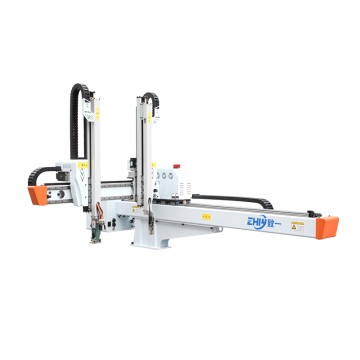
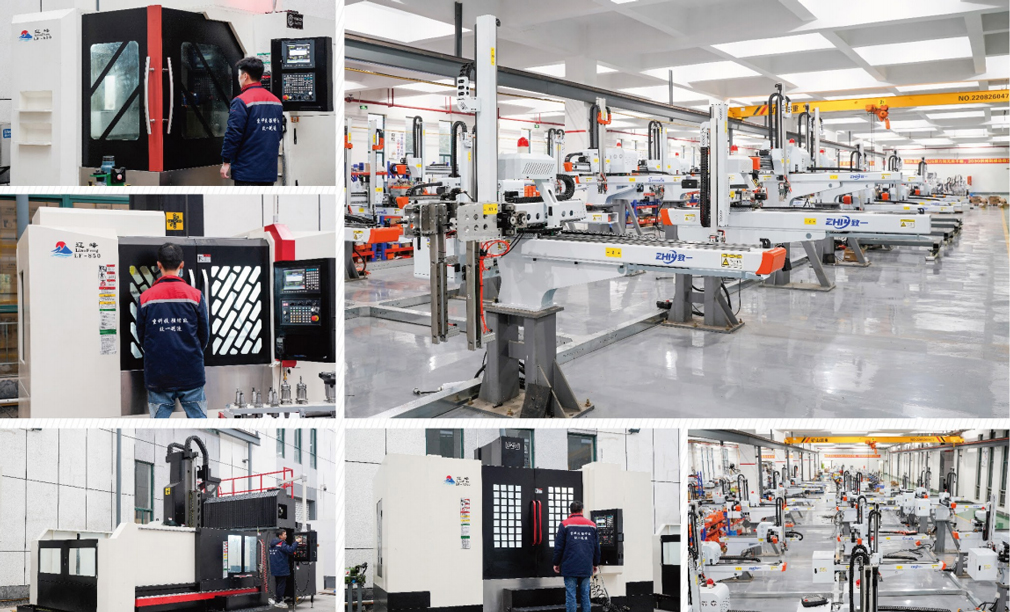
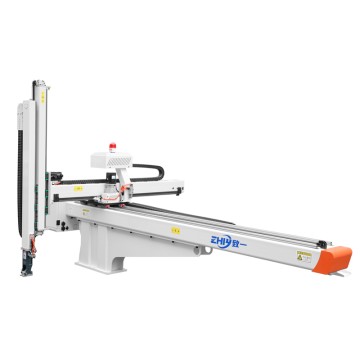
Servo Robotics: A Core Tool for Breaking Through E-commerce Logistics Efficiency Bottlenecks
Servo Robotics: A Core Tool for Breaking Through E-commerce Logistics Efficiency Bottlenecks
In the era of "everything delivered to your door," logistics has become a crucial battleground for both user experience and business competitiveness. According to data from the China Federation of Logistics and Purchasing, China's total e-commerce logistics volume is projected to exceed 150 billion pieces by 2024, with a daily peak exceeding 1 billion. Faced with the demands of "massive orders, high-frequency sorting, and precise delivery," the traditional labor-intensive logistics model is gradually exposing its shortcomings: low efficiency, high costs, and high error rates. Servo robots, with their core advantages of "high precision, high flexibility, and high stability," are becoming a key enabler for the transformation of e-commerce logistics from a "labor-intensive" to a "technology-intensive" model.
First. Three Core Pain Points in E-commerce Logistics: How Do Servo Robotics Accurately Address Them?
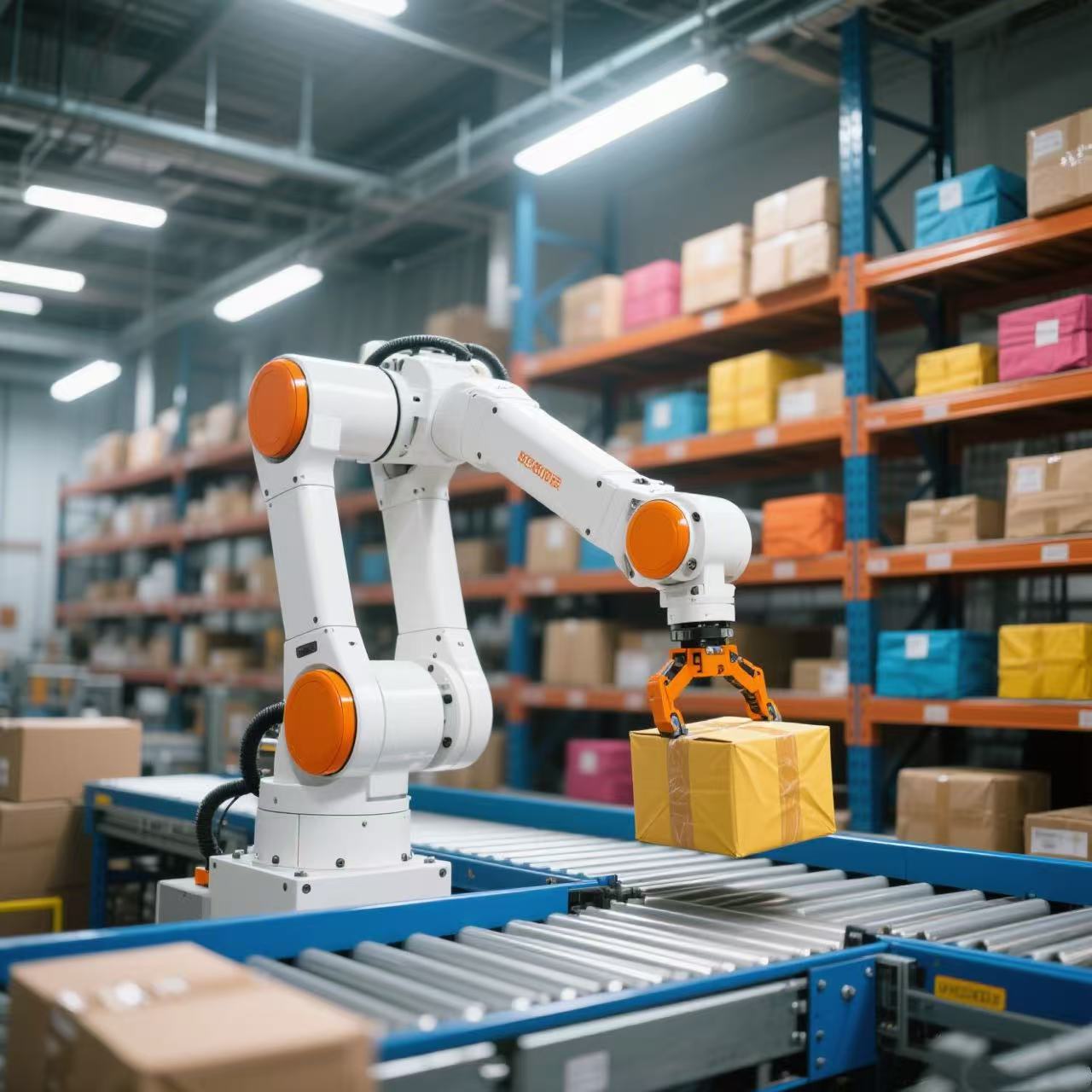
Across the entire chain of warehousing, sorting, and distribution in e-commerce logistics, the following three major pain points have long plagued business development. Servo robots offer systematic solutions through technological innovation:
1. Low sorting efficiency: Human sorting is insufficient to cope with billions of orders.
During major e-commerce promotions (such as 618 and Double 11), warehouses can sort millions of items per day. Traditional manual sorting not only requires a large number of temporary workers but also faces the dilemma of "unstoppable delivery while workers rest." A skilled sorter can sort approximately 2,000 items per day, with a misdelivery rate of approximately 0.5% (5 misdelivered items per 10,000). Once a misdelivery occurs, subsequent return and exchange costs can increase by 3-5 times.
Servo Robot Solution: A sorting robot equipped with a high-precision servo motor and a vision recognition system achieves millisecond-level response and millimeter-level positioning. For example, a leading e-commerce company's smart warehouse deploys a servo sorting robot capable of sorting 3,600 items per hour (equivalent to a human efficiency of 1.8), with a mis-delivery rate of less than 0.01% (0.1 mis-delivery item per 10,000 items). Importantly, the servo system supports 24/7 continuous operation without rest, easily handling peak orders during sales.
2. High Handling Costs: "Heavy Cargo Handling" Becomes a Double Burden of Manpower and Safety
In e-commerce logistics, the storage and handling of large items such as home appliances and furniture has always been a challenge. A single handler typically carries no more than 50kg, and long-term handling can easily lead to lumbar injuries (industry data shows that the incidence of lumbar injuries among logistics handlers exceeds 30%). Furthermore, manual handling efficiency is low (approximately 20 large items per hour), making it difficult to meet the delivery requirements of "same-day and next-day delivery." Servo Robot Solution: Servo handling robots utilize a combination of servo motors and precision reducers to stably handle loads up to 500kg with a positioning accuracy of ±0.1mm, preventing damage to products caused by collisions. After implementing servo handling robots in a home appliance e-commerce warehouse, the efficiency of handling large items increased threefold (up to 60 items per hour), labor costs were reduced by 60%, and the risk of safety accidents during handling was eliminated.
3. Lack of Flexibility in Packaging and Palletizing: Traditional Equipment is Inadequate for Multi-Category Products
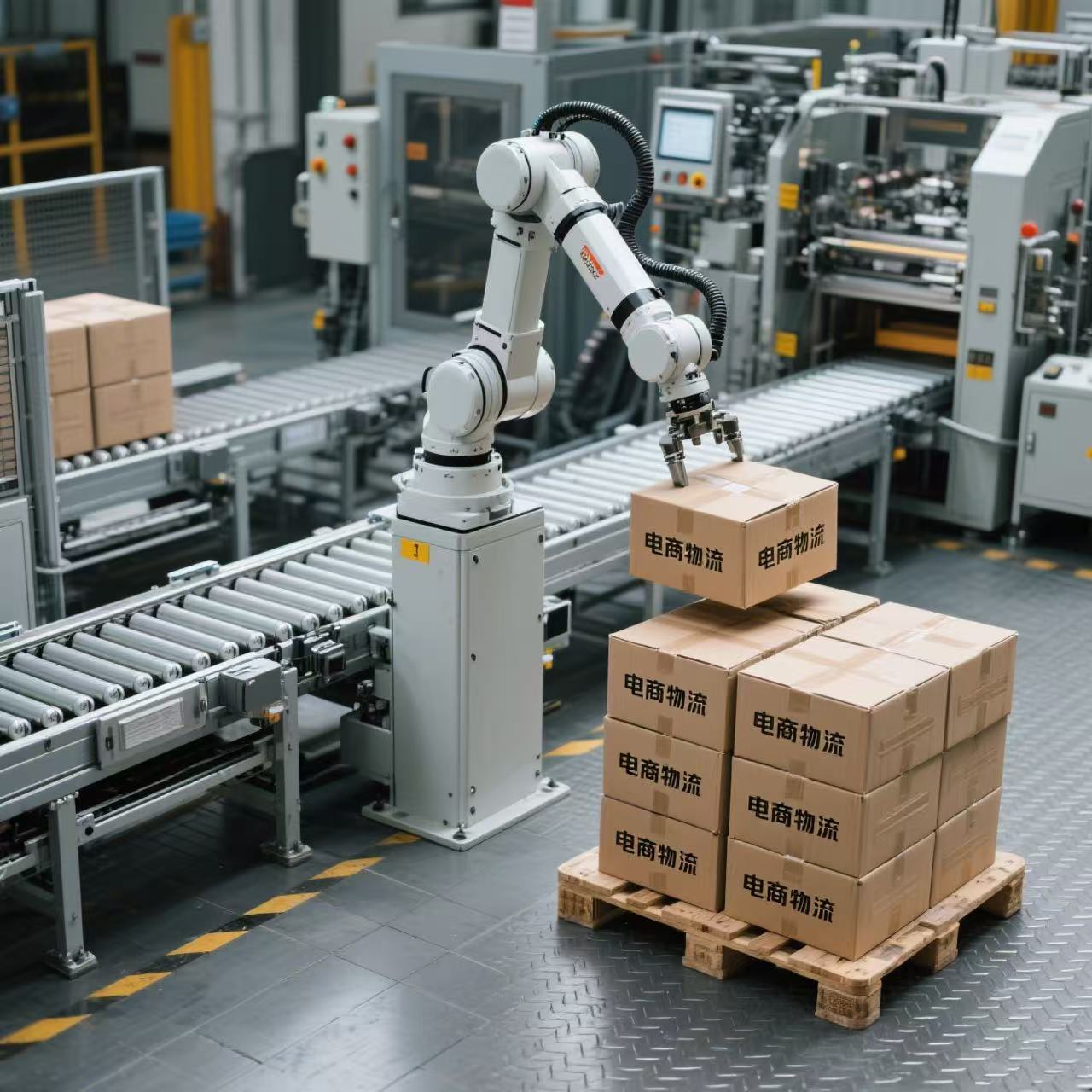
E-commerce products come in a wide variety of categories (from consumer electronics to clothing and food), with significant variations in size and weight. Traditional automated palletizing equipment is often designed with a fixed trajectory. Changing product types requires re-commissioning, which can take hours and is unable to meet the demands of high-volume, small-batch e-commerce orders.
Servo Robot Solution: The servo system's flexible control advantage is particularly prominent in this scenario—programmable motion paths can be quickly switched to accommodate products of varying sizes and weights. For example, a cross-border e-commerce warehouse needs to handle both 3C products (small size, lightweight) and maternity and baby products (large size, fragile). A servo palletizing Robot Can adjust its parameters within 10 minutes, achieving a palletizing efficiency of 1,200 cartons per hour and reducing the product damage rate from 1.2% with traditional equipment to 0.1%.
Second. Four Core Application Scenarios of Servo Robots in E-commerce Logistics: Visible Results
In addition to addressing pain points, servo robots are deeply integrated into key aspects of e-commerce logistics, achieving cost reduction and efficiency improvements through customized solutions. The following four scenarios are representative examples:
1. Warehousing and Inbound: Accurately matching goods to personnel and improving space utilization
Traditional warehouse inbound relies on manual labor to move goods to shelves, which is not only inefficient but also prone to problems such as empty shelves or overstocked goods. Servo stacking robots seamlessly integrate with the WMS (Warehouse Management System) and automatically and precisely stack products onto designated shelf levels according to system instructions. One e-commerce company's smart warehouse deployed a servo stacking robot capable of handling goods up to 12 meters above the shelf (far exceeding the 3-meter manual handling height), improving warehouse space utilization by 50% and boosting warehousing efficiency by 2.5 times.
2. Order Picking: "Vision + Servo" Collaboration Achieves "Zero-Error" Picking
Order picking is a core component of e-commerce logistics. Under the traditional "person-to-goods" picking model, pickers must travel back and forth within the warehouse, with an average picking distance exceeding 10 kilometers per day, resulting in low efficiency. The servo picking robot utilizes "visual recognition + servo drive" to quickly identify barcodes and QR codes on ordered items, accurately grasping and placing them into sorting bins. It achieves a picking efficiency of 1,800 items per hour without manual intervention, truly achieving "zero-error" picking.
3. Express Packaging: "Adaptive Packaging" Reduces Consumables Costs
E-commerce express packaging requires selecting appropriate packaging materials based on product size. Traditional manual packaging is prone to "overpacking" (wasting consumables) or "underpacking" (causing damage). A servo packaging robot, equipped with pressure sensors and servo motors, automatically adjusts the packing force and length of packaging materials based on product size. For example, for clothing, the robot automatically compresses the volume before packing, reducing packaging consumables costs by 30% and increasing packaging efficiency fourfold (packing 2,400 items per hour).
4. Last-Mile Delivery: "Unmanned Delivery Vehicles + Servo Robots" Bridging the "Last Mile"
With the increasing popularity of "unmanned delivery," servo robots have become a core component of unmanned delivery vehicles. In residential communities, campuses, and other locations, upon arrival, the servo robot precisely opens the vehicle door, grabs the package, and delivers it to the user, eliminating the need for human intervention. An e-commerce platform's deployment of servo-powered unmanned delivery vehicles in pilot areas has increased last-mile delivery efficiency by 50%, reduced delivery costs by 40%, and achieved a 98% customer satisfaction rate.
Third. Why are servo robots the "optimal solution" for e-commerce logistics? Analysis of Core Technology Advantages
Compared to traditional pneumatic and stepper motor robots, the advantages of servo robots in e-commerce logistics scenarios stem from their core technical characteristics, which can be summarized as "three highs and one low":
1. High Precision: Millimeter-level positioning, meeting the "precision operation" requirements of e-commerce companies.
The servo system utilizes "closed-loop control" technology, using an encoder to provide real-time feedback on motor speed and position. This achieves positioning accuracy of ±0.05mm-±0.1mm, far exceeding the ±1mm-±2mm accuracy of traditional Pneumatic Robots. In e-commerce sorting and picking scenarios, this high precision ensures the robot accurately grasps products, preventing misdelivery or missed shipments.
2. High Flexibility: Rapidly adapting to multiple categories to meet the "high-volume, low-volume" orders of e-commerce companies.
The servo motor supports stepless speed regulation, and the motion trajectory and gripping force can be quickly adjusted through PLC programming without changing the mechanical structure. For example, the same servo robot can handle consumer electronics in the morning and switch to food packaging in the afternoon, with an adaptation time of just 10-15 minutes, perfectly adapting to the diverse product categories of e-commerce.
3. High Stability: 24/7 Continuous Operation, Ensuring "No Downtime" During Promotional Events
The servo system utilizes high-quality motors and precision reducers, resulting in a failure rate as low as 0.1 failures per 1,000 hours, significantly lower than the 0.5 failures per 1,000 hours of traditional robots. During e-commerce promotional events, the servo robot can operate 24/7. Its intelligent diagnostic system monitors device status in real time, providing early warning of failures and ensuring "no downtime" in the logistics chain.
4. Low Energy Consumption: 20%-30% lower energy consumption than traditional equipment
The servo motor uses a "power on demand" mode, consuming energy only when operating and very little energy when in standby mode. Traditional stepper motors, on the other hand, consume high energy even in standby mode. For example, after deploying 100 servo robots in an e-commerce warehouse, monthly electricity bills were reduced by approximately 20,000 yuan compared to traditional equipment, significantly reducing operating costs over the long term.
fourth. Success Story: How a Leading E-commerce Company Doubled its Logistics Efficiency with Servo Robots?
To more clearly demonstrate the effectiveness of servo robots, let's take a leading domestic e-commerce company's smart warehouse upgrade project as an example to see how they achieved "doubling efficiency and halving costs" with servo robots:
Project Background
This e-commerce warehouse averages 100,000 orders per day, peaking at 300,000 during promotional periods. Using a traditional labor-based model, 500 employees were required, with a 0.4% error rate in sorting and delivery errors. Daily operating costs (manpower + energy) were approximately 200,000 yuan, making it difficult to meet next-day delivery requirements. Upgrade Plan
50 servo sorting robots, 20 servo handling robots, and 10 servo palletizing robots were introduced, integrated with the WMS and visual recognition systems to create a fully automated logistics line.
Implemented Results
Efficiency Improvement: Sorting efficiency increased from 12,000 pieces/hour to 36,000 pieces/hour, a 200% increase; warehousing efficiency increased from 8,000 pieces/hour to 20,000 pieces/hour, a 150% increase;
Cost Reduction: Employee headcount was reduced from 500 to 150, reducing labor costs by 70%; energy costs were reduced by 25%, and daily operating costs were reduced to 80,000 yuan;
Quality Improvement: The mis-sending rate was reduced from 0.4% to 0.01%, the product damage rate was reduced from 1.5% to 0.1%, and the customer complaint rate was reduced by 90%. After the project went live, the e-commerce company successfully handled a daily order peak of 300,000 items during the Double 11 shopping festival, achieving "same-day sorting and next-day delivery." Customer satisfaction increased to 99%, while logistics costs decreased from 15% to 8%, significantly enhancing its core competitiveness.
Fifth. Future Trends: Servo Robots + AI/IoT: Ushering in the "Fully Intelligent Era" of E-commerce Logistics
With the continuous advancement of technology, the application of servo robots in e-commerce logistics will become more extensive, with two major trends emerging in the future:
1. Deep Integration with AI to Enable "Autonomous Decision-Making"
AI algorithms optimize the servo robot's motion trajectory and grasping strategy. For example, AI can automatically adjust the gripping force based on the weight and material of the item to prevent damage to delicate items. Furthermore, AI can analyze historical order data to predict order peaks in advance and dynamically adjust the robot's operating rhythm to further improve efficiency.
2. Connecting to the Internet of Things (IoT) to Achieve "Full-Chain Collaboration"
Servo robots will be connected to the e-commerce logistics IoT network, enabling real-time collaboration with unmanned warehouses, unmanned delivery vehicles, smart shelves, and other equipment. For example, smart shelves can transmit product location information to the servo robot in real time, allowing the robot to quickly locate and grab items based on this information. Unmanned delivery vehicles can also transmit delivery requests to the robot, allowing it to preemptively pack and load packages, thus achieving seamless collaboration across the entire "warehousing-sorting-delivery" chain.
Conclusion: Servo robots are more than just "tools"; they are the "core competitiveness" of e-commerce logistics.
In today's increasingly competitive e-commerce industry, logistics efficiency has become a key to competitive differentiation. Servo robots, with their core advantages of "high precision, high flexibility, and high stability," not only address the efficiency, cost, and quality pain points of e-commerce logistics, but also build a "fully automated" logistics system for enterprises, helping them achieve their goals of "reducing costs, increasing efficiency, and improving customer experience" in the era of "hundreds of millions of orders."