
Leave Your Message
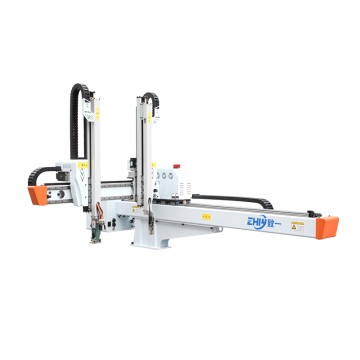
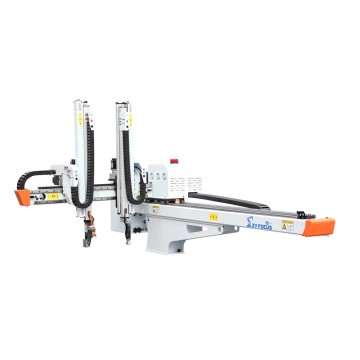
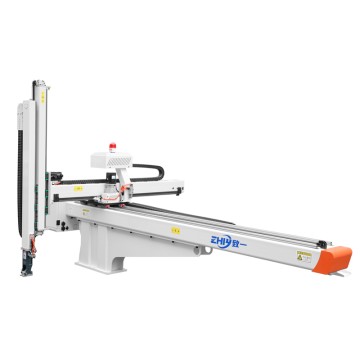
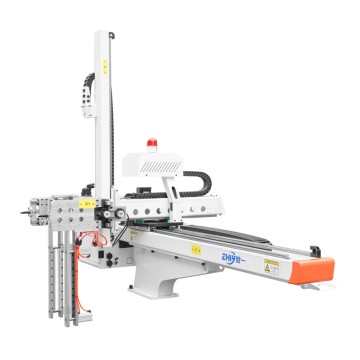
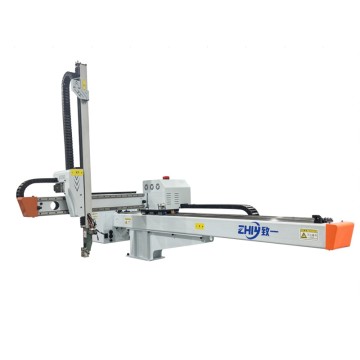
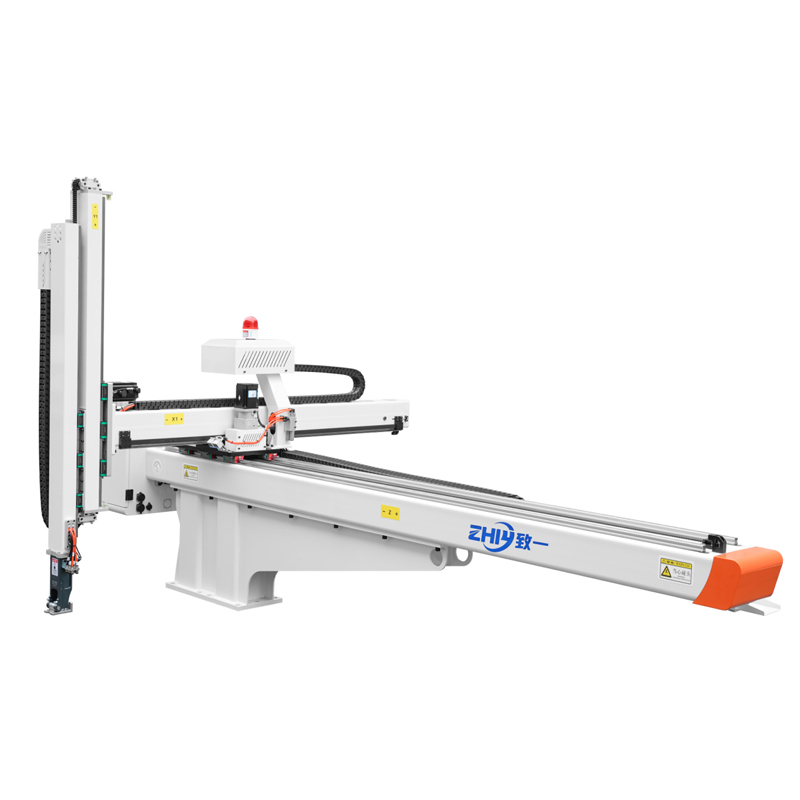
Servo Robotic Arms: Transforming Manufacturing with Versatile Applications
Servo Robotic Arms: Transforming Manufacturing with Versatile Applications
In the fast-paced world of modern manufacturing, efficiency, precision, and scalability have become the cornerstones of success. For international wholesale buyers seeking reliable solutions to optimize production lines, servo robotic arms have emerged as game-changers. Unlike traditional Mechanical Arms,servo robotic systems leverage advanced motor technology and intelligent control algorithms to deliver unparalleled accuracy, flexibility, and adaptability. But what exactly makes them indispensable across various manufacturing sectors? Let’s dive into the key applications of servo robotic arms and explore how they’re revolutionizing production processes worldwide.
1. Automotive Manufacturing: The Backbone of Precision Assembly
The automotive industry is one of the earliest and most extensive adopters of servo robotic arms—and for good reason. From small component assembly to heavy-duty tasks, these robots excel in environments where consistency and speed are non-negotiable.
Engine and Transmission Assembly: Servo robotic arms handle delicate tasks like installing sensors, bolts, and gaskets with micron-level precision. For example, when assembling engine blocks, the robot’s servo motors ensure each fastener is tightened to exact torque specifications, reducing the risk of leaks or mechanical failures. This level of accuracy is critical for meeting strict automotive safety standards, a top priority for wholesale buyers supplying to major car manufacturers.
Welding and Painting: High-temperature welding and precision painting are hazardous for human workers, but servo robots thrive in these conditions. Equipped with heat-resistant end effectors and real-time position feedback, they maintain consistent weld seams and uniform paint coats across thousands of vehicles. For wholesale buyers, this translates to reduced labor costs, minimized material waste, and compliance with global environmental regulations (e.g., low-VOC paint application).
Material Handling: Moving heavy parts—such as car doors, chassis, or batteries—across assembly lines is a common challenge. Servo robotic arms with high payload capacities (up to 500kg or more) handle these tasks effortlessly, with smooth, jerk-free movements that prevent damage to expensive components. This efficiency boost helps manufacturers scale production without compromising on quality, a key selling point for buyers looking to meet growing market demand.
2. Electronics and Semiconductor Industry: Micron-Level Precision for Tiny Components
The electronics sector demands precision at the microscopic level, and servo robotic arms are uniquely equipped to deliver. As consumer electronics (smartphones, laptops, wearables) become smaller and more complex, wholesale buyers need solutions that can handle delicate, high-value components without error.
PCB Assembly (Printed Circuit Boards): Servo robots place surface-mount components (SMDs)—some as small as 0.1mm—onto PCBs with near-perfect accuracy. Their advanced vision systems, paired with servo motor control, detect component positions in real time and adjust placement to compensate for any deviations. This reduces defect rates from 5% (with manual assembly) to less than 0.1%, a critical advantage for buyers supplying to electronics giants like Apple or Samsung.
Semiconductor Wafer Handling: Semiconductor wafers (used in microchips) are extremely fragile and sensitive to contamination. Servo robotic arms with vacuum grippers and ultra-smooth movements transport wafers between processing stations without leaving scratches or particles. For wholesale buyers serving the semiconductor industry, this reliability ensures minimal production downtime and compliance with ISO 14644 cleanroom standards.
Device Testing and Packaging: After assembly, servo robots perform automated testing (e.g., pressure testing for smartphone screens) and precise packaging. They can handle up to 1,200 devices per hour, a 3x increase in speed compared to manual labor. This scalability is essential for buyers looking to meet tight delivery deadlines for seasonal electronics launches.
3. Food and Beverage Manufacturing: Hygiene, Speed, and Compliance
The food and beverage industry faces unique challenges: strict hygiene standards, rapid production cycles, and the need to handle perishable goods. Servo robotic arms, when designed with food-grade materials, address all these needs—making them a top choice for wholesale buyers supplying to food processors and beverage brands.
Primary Processing (Cutting, Sorting, and Grading): In meat, poultry, or seafood processing, servo robots with specialized end effectors (e.g., sharpened blades, suction cups) cut products to uniform sizes or sort them by weight/quality. For example, a servo Robot Can sort 500 kg of potatoes per hour, removing defects with 99% accuracy—far faster and more consistent than human workers. This reduces food waste (a major cost for manufacturers) and ensures compliance with FDA or EU food safety regulations.
Packaging and Palletizing: Servo robots excel at high-speed packaging, whether it’s sealing cereal boxes, filling bottles, or palletizing cases of soda. Their servo motors allow for quick tool changes—so a single robot can switch from packaging cookies to wrapping chocolate bars in under 5 minutes. For wholesale buyers, this flexibility means manufacturers can adapt to changing product lines (e.g., seasonal flavors) without investing in new equipment.
Hygiene-Critical Environments: Unlike traditional robots, servo systems for food manufacturing are built with stainless steel bodies and sealed joints to prevent bacterial growth. They can be easily cleaned with high-pressure water or sanitizing chemicals, meeting strict hygiene standards for dairy, bakery, or pharmaceutical-grade food production. This is a key selling point for buyers targeting markets with rigorous health regulations, such as Japan or the EU.
4. Logistics and Warehouse Automation: Streamlining Supply Chains
As e-commerce grows, logistics and warehouse operations need faster, more efficient ways to handle inventory. Servo robotic arms are transforming warehouses by automating repetitive tasks, reducing labor costs, and improving order accuracy—making them a must-have for wholesale buyers supplying to logistics companies and e-commerce giants like Amazon.
Order Picking and Sorting: Servo robots with vision-guided grippers can pick items from shelves (ranging from small toys to large boxes) and sort them by destination. They can handle up to 800 orders per hour, a 4x increase in speed compared to manual picking. This reduces order fulfillment time from 24 hours to 6 hours, a critical advantage for buyers looking to help their clients meet “next-day delivery” promises.
Palletizing and Depalletizing: Stacking cases onto pallets (palletizing) or unloading them (depalletizing) is physically demanding and prone to injury. Servo robotic arms with high payload capacities (up to 1,000kg) handle these tasks safely, with consistent stacking patterns that prevent product damage. For wholesale buyers, this means reduced workers’ compensation costs for their clients and improved warehouse safety compliance.
Conveyor Belt Integration: Servo robots seamlessly integrate with conveyor systems, using real-time data to adjust their movements and keep up with high-speed production lines. For example, in a distribution center, a servo robot can load 150 boxes onto a conveyor per minute, ensuring no bottlenecks in the supply chain. This scalability helps manufacturers handle peak seasons (e.g., Black Friday) without hiring temporary labor.
5. Medical Device Manufacturing: Precision for Life-Saving Products
The medical device industry requires the highest levels of precision and compliance, as even a tiny error can have life-threatening consequences. Servo robotic arms are trusted by medical device manufacturers worldwide—and wholesale buyers who supply these robots gain a competitive edge in a high-value market.
Surgical Instrument Assembly: Medical instruments (e.g., scalpels, forceps) require intricate assembly with zero tolerance for defects. Servo robots assemble these tools with sub-millimeter precision, ensuring each component fits perfectly. Their cleanroom-compatible designs (ISO 5 standards) prevent contamination, a must for instruments used in surgeries. For buyers, this means supplying products that meet FDA Class III medical device regulations, opening doors to partnerships with top medical brands.
Prosthetics and Implants Production: Custom prosthetics (e.g., artificial knees) or dental implants require personalized manufacturing. Servo robotic arms, paired with 3D scanning technology, can mill titanium or ceramic implants to match a patient’s exact anatomy. This customization reduces patient recovery time and improves implant success rates—key selling points for buyers targeting the growing global medical device market (projected to reach $600 billion by 2030).
Pharmaceutical Packaging: Servo robots package medications (e.g., pills, syringes) in blister packs or vials with precise dosages. They can also apply tamper-evident seals and print batch numbers, ensuring compliance with pharmaceutical traceability laws (e.g., the EU’s Falsified Medicines Directive). For buyers, this reliability means their clients avoid costly recalls and maintain trust with healthcare providers.
Why Wholesale Buyers Should Choose Our Servo Robotic Arms
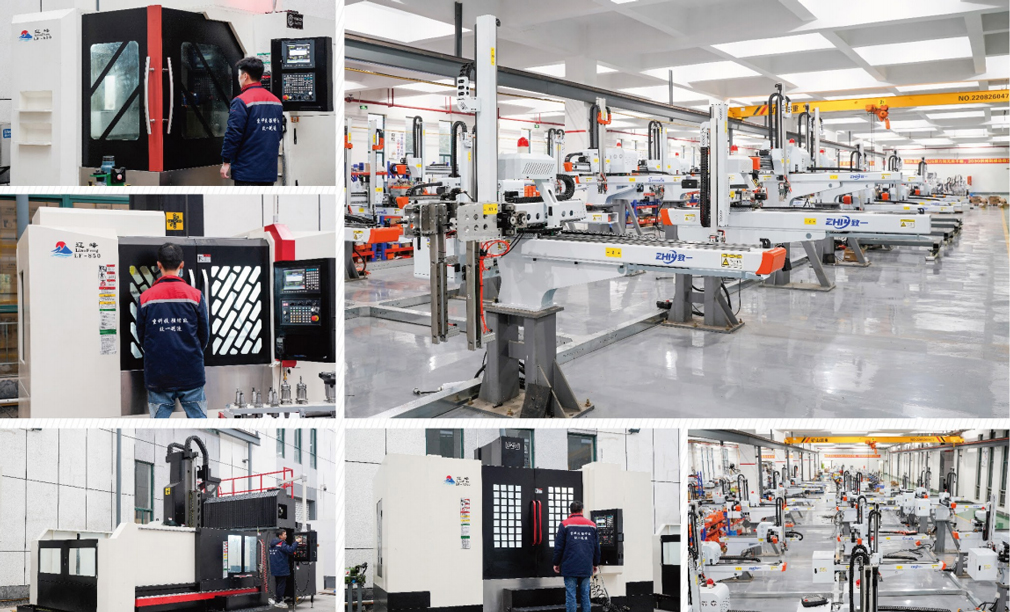
At Zhiyi Intelligent Robot, we understand that international wholesale buyers need more than just a product—they need a partner who delivers reliable, scalable, and compliant solutions. Our servo robotic arms are engineered to excel in all the applications above, with features that set us apart:
Customizable Payloads and Reach: From 1kg (for electronics) to 1,000kg (for logistics), we offer robots tailored to your clients’ specific needs.
Global Compliance: All our robots meet CE, FDA, ISO 9001, and ISO 14644 standards, ensuring seamless integration into manufacturing facilities worldwide.
After-Sales Support: We provide 24/7 technical support, spare parts delivery (within 48 hours for major markets), and training programs for your clients’ teams.
Cost-Effective Scalability: Our robots have a lifespan of 10+ years and require minimal maintenance, reducing total cost of ownership (TCO) for your clients by 30% compared to competitors.