
Leave Your Message
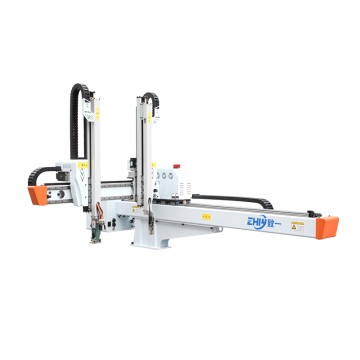
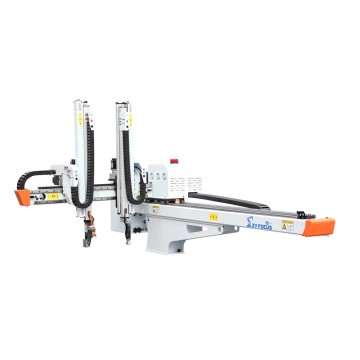
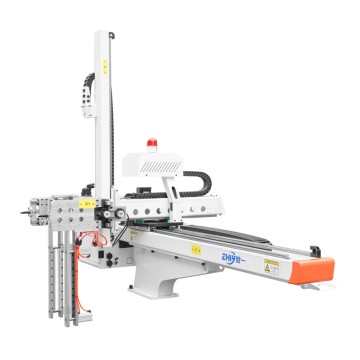
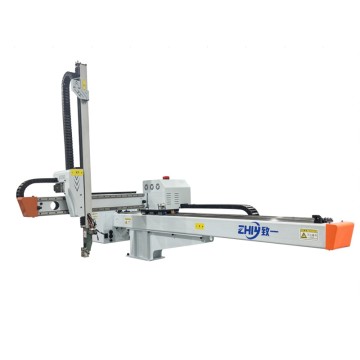
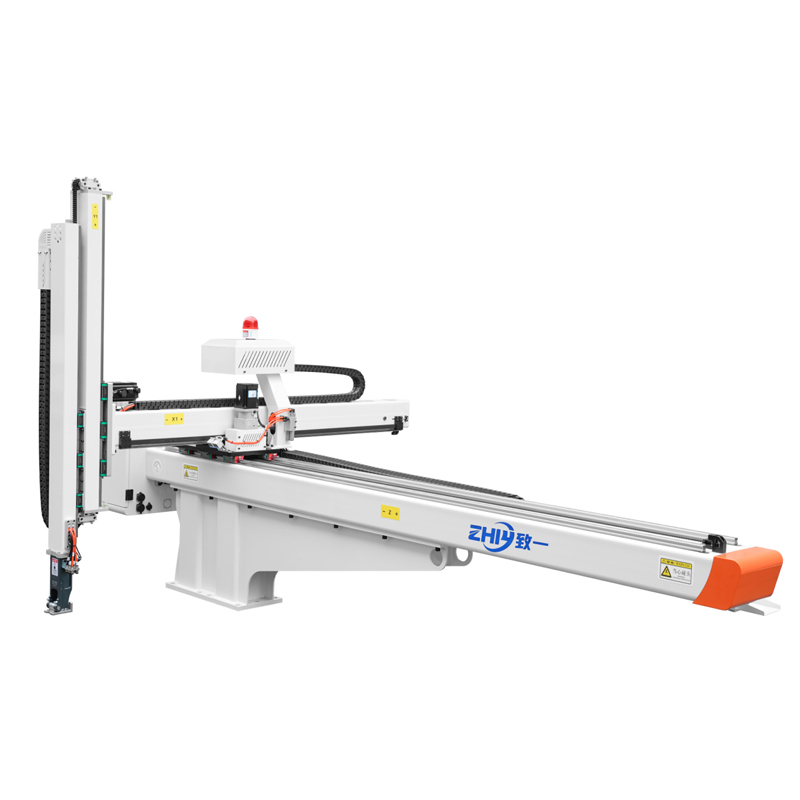
Selection Guide for Eco-Friendly Three-Axis Servo Robot Arms
Selection Guide for Eco-Friendly Three-Axis Servo Robot Arms
I. Why Choose Eco-Friendly Three-Axis Servo Robot Arms? — Triple Value Beyond Compliance
Amid the global push for carbon neutrality, eco-friendly three-axis servo robot arms have evolved from an optional feature to a must-have. Their core value lies in:
Energy Cost Optimization: The servo system's energy efficiency is approximately six times that of traditional hydraulic systems. A single 2.5kW unit can save up to 12,000 kWh of electricity annually, reducing carbon emissions by 10 tons. The Elite CS63 model has a typical power consumption of only 185W, saving nearly 10,000 yuan in annual electricity bills.
Global Compliance: The EU ROHS Directive, North American UL certification, and ASEAN QCVN standards all have clear requirements for equipment environmental performance. Lack of certification can lead to customs detention.
Lifecycle Cost Advantages: Models using environmentally friendly materials such as ceramic pumps and rare earth-free motors reduce spare part replacement frequency by 60% and extend service life by over 30%.
II. Selection Key: Three Environmental Dimensions + Four Performance Indicators
(I) Quantitative Assessment of Environmental Capabilities (3 Must-See Indicators)
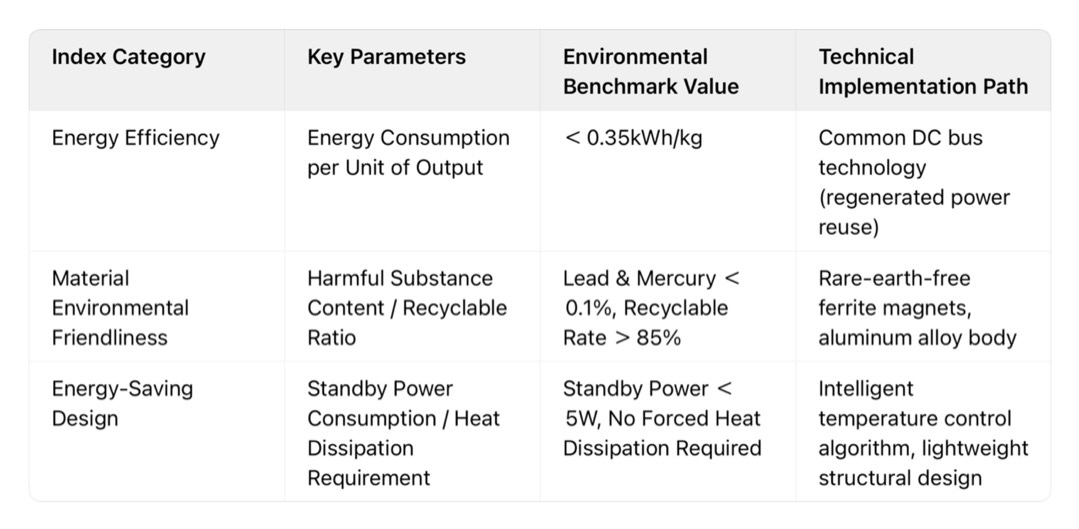
(II) The Art of Balancing Performance and Environmental Protection
Drive System Selection: Prefer full servo drive (servo motors on all three axes), with positioning accuracy reaching ±0.01mm and cycle times compressed to less than 6 seconds; avoid "a large horse pulling a small cart"—every 20% deviation in load matching increases energy consumption by 15%.
Stroke and Space Compatibility: Determine the stroke based on "maximum operating distance + 500mm margin." For example, if the operating range is 1000mm, choose a 1500mm model to avoid a 15% drop in efficiency due to excess stroke.
Structural Configuration Selection: Cartesian coordinate models (for high-precision applications) use ball screw drive, while cylindrical coordinate models (for large spaces) use synchronous belt drive. Both models must meet a transmission efficiency of ≥90%. Intelligent control systems: Require support for "S-curve trajectory planning" and energy consumption monitoring. The Panasonic MR-J4 series uses common DC bus technology to achieve multi-axis energy sharing, increasing energy savings by 35%.
III. Industry-Specific Selection Solutions (with Scenario Examples)
(I) Matching Machines by Scenario
Injection Molding Industry (200-300T Injection Molding Machines)
Environmental Requirements: Low fuel consumption and fast cycle times
Key Selection Points: Telescopic three-axis full-servo machines (such as the ST3-T series) with single-arm/dual-arm switching and single-component glue removal technology to reduce glue waste.
Case Study: After using this machine, a power plant reduced glue loss by 40% and saved 2.3 tons of carbon dioxide annually.
Photovoltaic Panel Production
Environmental Requirements: Low vibration and high precision
Key Selection Points: Repeatability of ±0.03mm, using rare-earth-free servo motors and a vision positioning system.
Data: The cell handling defect rate has been reduced from 5% to 0.5%, and production efficiency has increased by 40%.
Electronic Assembly (PCB Soldering)
Environmental Requirements: Low electromagnetic interference, clean design
Key Selection Points: CE-EMC compliance, IP65 sealing, and a harmonic reducer to reduce operating noise to below 50dB.
(II) Regional Compliance Requirements
EU Market: Requires dual CE-EMC and ROHS certifications, along with a motor energy efficiency report of IE4.
North American Market: UL and CSA joint certification is standard. With this certification, the Leadshine L8 series reduces customs clearance time by 30%.
ASEAN Market: Thailand requires a Level 3 or higher energy efficiency label, while Indonesia requires SNI electrical safety certification and a hazardous substances declaration.
IV. Pitfall Avoidance Guide: Four Common Mistakes in Model Selection
Only Focusing on Initial Price: Standard servo models are 15% cheaper than eco-friendly models, but annual energy costs are three times higher, a price difference that can be offset within a year.
Certification Misattribution: Using air conditioning certification to register a robot, or mismatching the model and certificate, will result in withdrawal from ASEAN ports.
Ignoring Environmentally Friendly Maintenance: Not selecting a model with biodegradable lubricant will increase waste oil disposal costs by 8% of the total equipment price.
Blindly Pursuing a Larger Stroke: A 2000mm stroke model has a 40% higher purchase price, but in a 1000mm scenario, it actually reduces production capacity.