
Leave Your Message
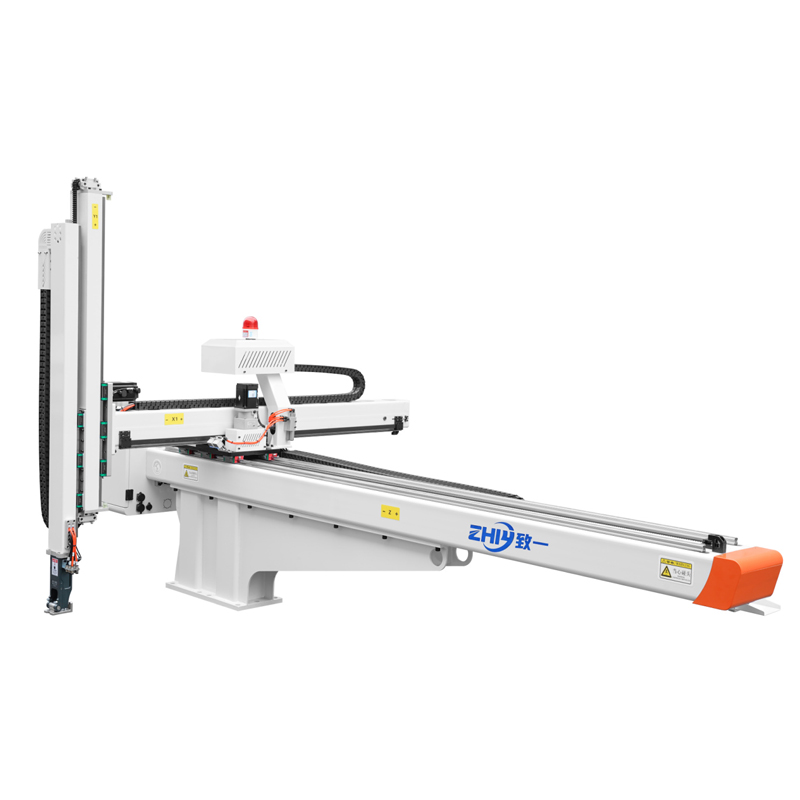
Selection Criteria for Servo Motors in Three-Axis Servo Robots
Selection Criteria for Servo Motors in Three-Axis Servo Robots
In the global wave of industrial automation, three-axis servo robots, with their advantages of high precision and high efficiency, have become core equipment in industries such as electronics, automotive, and logistics. As the "power heart" of the robot, the selection of the servo motor directly determines the equipment's operating performance, stability, and lifespan—this is not only a core concern for end customers but also crucial for global distributors to accurately match customer needs and enhance market competitiveness. Today, we will break down the core selection criteria for servo motors in three-axis servo robot applications.
I. First, clarify: The "decisive role" of servo motors in three-Axis Robots
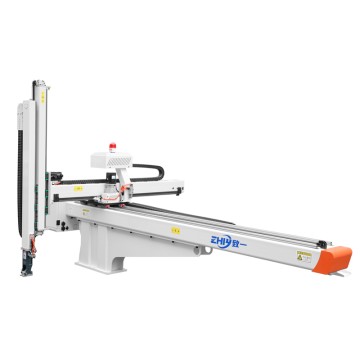
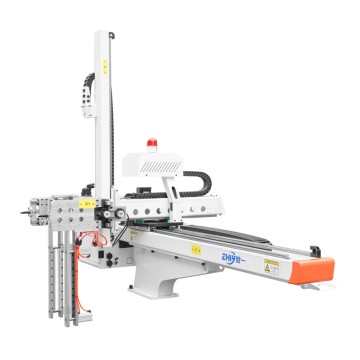
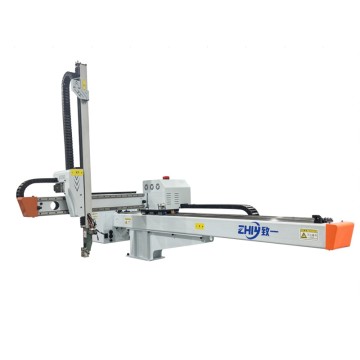
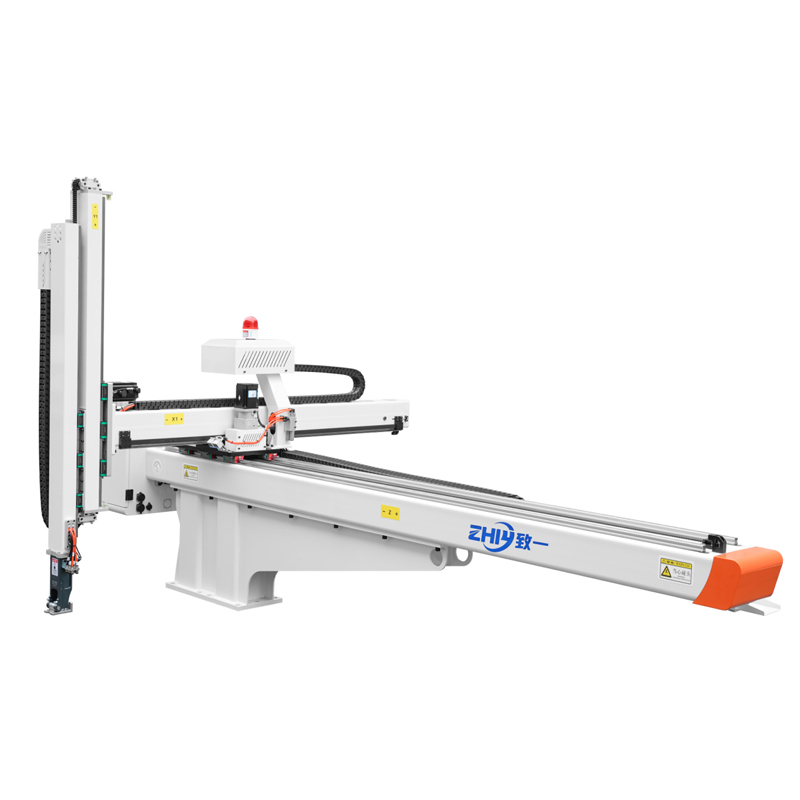
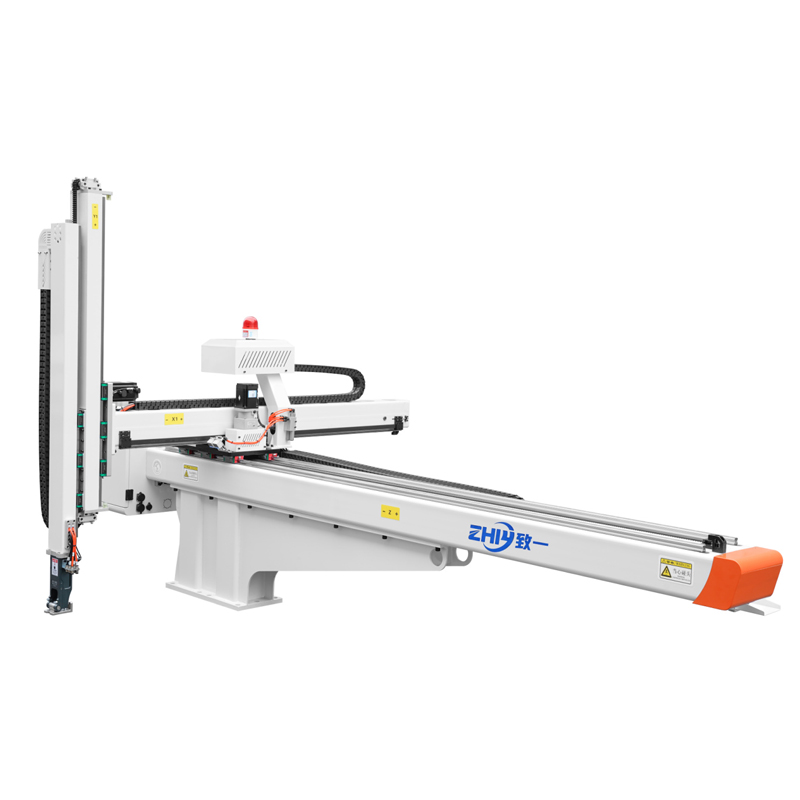
Before proceeding with the selection, it is essential to understand the compatibility logic between the servo motor and the three-axis robot: The X-axis (horizontal movement), Y-axis (lateral movement), and Z-axis (vertical lifting) of the three-axis robot each undertake different motion tasks. For example, the X-axis needs to drive the robot to move quickly in translation, while the Z-axis needs to precisely grasp/place heavy objects. Servo motors must simultaneously meet the dual requirements of "power output" and "precise control." Insufficient motor power will cause the robot to jam and reduce its load capacity; mismatched precision will directly affect the pass rate of product assembly and sorting. Therefore, the core logic of selection is: to balance "load requirements," "motion performance," "environmental adaptability," and "cost-effectiveness" based on the actual working conditions of the robot.
II. Core Selection Basis: Precise Matching from 5 Dimensions
1. Load Characteristics: First, calculate "how much pressure the robot needs to withstand."
Load is the primary prerequisite for selection. Two key parameters need to be calculated: Static Load (Rated Load): The maximum weight that the Z-axis (or gripping axis) must bear when the robot is stationary or moving at a constant speed, including the weight of the fixture + the weight of the workpiece. For example, a Robotic Arm that grips a 10kg workpiece, if the fixture weighs 2kg, should have its static load calculated as 12kg or more, while also considering a safety factor (usually 1.2-1.5 times to avoid sudden overload). Dynamic load (inertial load): This is the additional load generated when the robotic arm starts, accelerates, and decelerates, especially the high-speed movement along the X and Y axes which generates significant inertial forces (formula: inertial load J=mr², where m is the total mass of the moving parts and r is the radius of motion). Excessive inertial load can cause the motor to "strain" and even lead to positioning errors.
✅ Dealer Tip: Confirm the "maximum workpiece weight," "fixture weight," and "moving part material (affecting the total mass)" with the customer. If the customer cannot provide inertial parameters, recommend the "inertia matching calculator" provided by the motor manufacturer to avoid selection errors due to load estimation errors.
2. Motion Parameters: Matching the "Speed and Precision Requirements of the Robotic Arm"
The different motion requirements of a three-axis robotic arm (e.g., "rapid sorting" vs. "precision assembly") directly determine the speed, acceleration, and precision level of the servo motor: Speed and Torque: Calculate the motor speed based on the "maximum operating speed" of each axis of the robotic arm (formula: motor speed n = (robotic arm linear speed v × 60) / (2πr), where r is the radius of the transmission mechanism, such as the lead of a ball screw). It should also be noted that: the higher the speed, the lower the motor output torque (refer to the motor's "torque-speed curve"). For example, if the X-axis requires rapid movement (high speed) but the load is light, a low-torque, high-speed motor can be selected; if the Z-axis requires lifting heavy objects (high torque), the speed can be appropriately reduced. Positioning Accuracy and Repeatability: If the customer is using it for precision electronic assembly (such as chip soldering), a servo motor with an encoder resolution ≥ 23 bits should be selected (corresponding to a positioning accuracy ≤ 0.001mm); if it is used for general material handling, a 17-20 bit encoder is sufficient (positioning accuracy ≤ 0.01mm). Furthermore, a comprehensive calculation should be made in conjunction with the transmission mechanism (such as the pitch error of the ball screw) to avoid situations where "the motor accuracy meets the standard but the transmission performance is lagging behind."
✅ Distributor Tip: Distinguish between "the customer's actual required accuracy" and "theoretical equipment accuracy." For example, if a customer says "0.005mm accuracy is required," it is necessary to confirm whether they mean "positioning accuracy" or "repeatability," as the selection logic differs for the two.
3. Environmental Factors: Adaptability Challenges for Different Global Scenarios
As equipment exported globally, servo motors need to be adapted to the working conditions of different countries/regions. This is a key factor that distributors often overlook: Temperature: High-temperature environments (e.g., automotive welding workshops, temperatures ≥40℃) require high-temperature resistant motors (temperature resistance ≥155℃, such as F-class insulation); low-temperature environments (e.g., cold storage, temperatures ≤-10℃) require motors with low-temperature start-up capabilities to prevent lubricating oil from solidifying and causing jamming. Protection Rating: Dust-rich environments (e.g., plastic processing, mining support) require IP65 or higher protection (dustproof + water spray protection); humid environments (e.g., food processing, washing lines) require IP67 protection (can withstand short-term immersion in water), while also paying attention to the sealing performance of the motor junction box. Vibration and Interference: For robotic arms used near machine tools and stamping equipment, vibration-resistant motors (vibration level ≤ 2.5 mm/s²) must be selected. In scenarios with strong electromagnetic interference (such as soldering areas in electronics factories), motors with shielding covers should be selected to avoid signal interference leading to control failure.
4. Control and Communication: Matching the Customer's "Automation System" Servo motors must be seamlessly compatible with the robotic arm's control system (such as PLC, motion controller).
Two key points are considered:
* **Control Method:** If the customer uses traditional pulse control (such as stepper motor upgrades), select a servo motor that supports pulse/direction signals. If the customer requires multi-axis synchronous control (such as three-axis linkage trajectory motion), select a motor that supports bus control (such as EtherCAT, Profinet, Modbus; the bus protocol of the customer's control system must be confirmed).
* **Response Speed:** For high-speed sorting and assembly scenarios (such as sorting ≥ 60 times per minute), the servo motor with a "response frequency ≥ 1 kHz" must be selected to ensure the motor can quickly follow the control signal and avoid positioning deviations due to lag. 5. Reliability and Maintenance: Reducing Customer's Long-Term Operating Costs
One of the core competencies of a distributor is "cost reduction for customers." Therefore, the reliability and ease of maintenance of the motor must be given high priority:
* Lifespan and Failure Rate: Prioritize products with a bearing lifespan ≥ 20,000 hours and a motor insulation lifespan ≥ 10 years. Also, check the manufacturer's failure rate data (e.g., MTBF ≥ 50,000 hours) to reduce the customer's later maintenance costs.
* Ease of Maintenance: Select motors with fault diagnosis functions (e.g., supporting alarm code output for quick location of "overload," "overvoltage," and "encoder failure") for convenient on-site troubleshooting. Also consider the motor's size for easy installation and replacement (e.g., a compact design suitable for the limited installation space of robotic arms). III. Avoiding Pitfalls in Model Selection:
III.Common Mistakes Dealers Make
"Focusing solely on power, ignoring torque": Some dealers believe "the higher the power, the better," but neglect the matching of torque and speed. For example, a 1.5kW motor with excessively high speed may have lower actual output torque than a 1kW low-speed motor, resulting in insufficient Z-axis lifting force.
"Ignoring inertia matching": The ratio of motor rotor inertia to load inertia should be controlled within 10:1 (ideally 5:1). If the ratio is too high, it will cause the motor to "swing" during acceleration, affecting positioning accuracy.
"Not considering future customer upgrades": If the customer may increase the weight of the workpiece in the future (e.g., from 10kg to 15kg), a 10%-20% load margin should be reserved during model selection to avoid the customer needing to replace the motor in the short term.
IV. Summary: Selection Process Overview (Distributors can directly apply this)
Requirements Gathering: Confirm with the customer the "maximum load (workpiece + fixture)," "maximum speed/acceleration of each axis," "positioning accuracy requirements," "operating environment (temperature/humidity/dust)," and "control system protocol";
Parameter Calculation: Calculate static load (including safety factor), dynamic inertia, and required speed/torque to initially screen motor models;
Compatibility Verification: Confirm the motor's voltage (e.g., globally universal 220V/380V), communication protocol, and installation dimensions to ensure compatibility with the robot arm;
Marginalization: For key parameters such as load, accuracy, and temperature, reserve a 10%-20% margin to ensure long-term stable operation.
#Axis Robots#Robot 3 Axis#Injection Molding Robots#Multi Axis Robots