
Leave Your Message
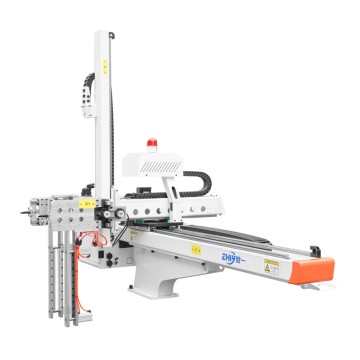
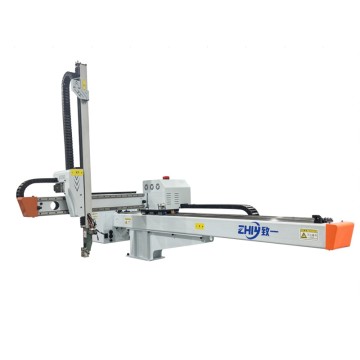
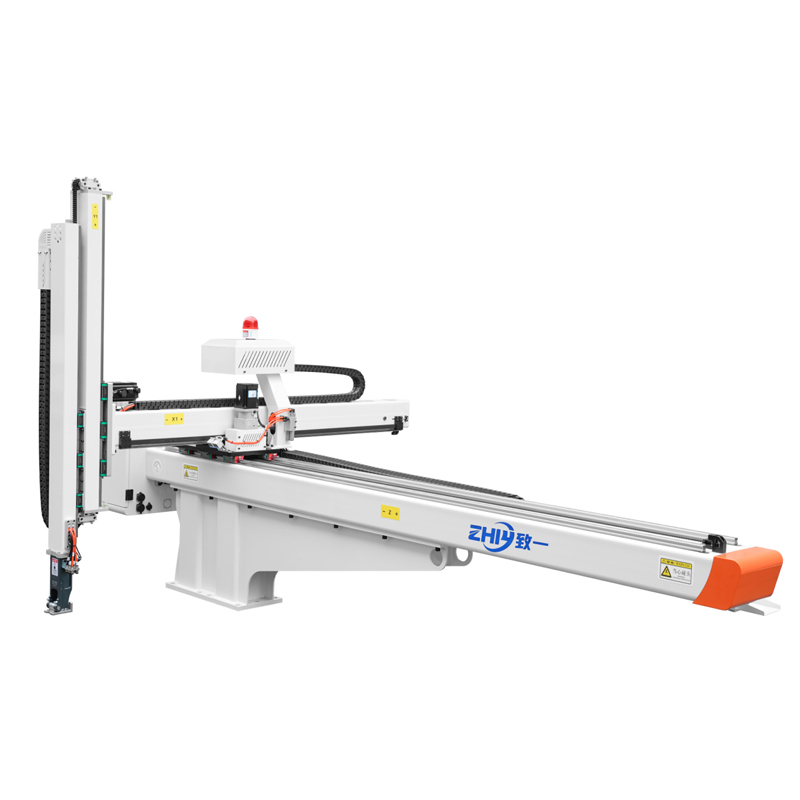
Seizing the 7.8% Growth Opportunity: How Distributors Can Enter the Southeast Asian Market by Purchasing Three-Axis Servo Robots
Seizing the 7.8% Growth Opportunity: How Distributors Can Enter the Southeast Asian Market by Purchasing Three-Axis Servo Robots
The Southeast Asian industrial automation market is experiencing explosive growth at a CAGR of 7.84%, reaching a market size of US$1.2 billion by 2025. The demand for automation in sectors such as electronics manufacturing and logistics warehousing continues to expand. Three-axis servo robots, with their high cost-effectiveness and flexible adaptability, have become the ideal vehicle for distributors to enter this market.
I. Southeast Asian Market: A Blue Ocean of Growth for Three-Axis Servo Robots
Core Market Potential
Regional Demand Explosion: Thailand leads with a 24% market share, while Vietnam's growth rate reaches 14.8%, with these two countries together accounting for nearly half of the demand for Industrial Robots in Southeast Asia. Electronics and semiconductors (38% market share) and logistics warehousing (21.3% growth rate) are the two core growth areas.
Policy Dividends: Under the trend of supply chain relocation from China to Southeast Asia, Thailand's Eastern Economic Corridor and Vietnam's 3C industry cluster have introduced automation subsidy policies to reduce enterprise procurement costs.
Vast Substitution Potential: Southeast Asia's manufacturing automation rate remains low, with labor costs rising by an average of 8%-10% annually. SMEs have an urgent need for low-cost automation equipment, making three-axis servo robots a preferred alternative to manual labor.
Advantages for Distributors: Moderate Market Competition: Compared to European and American brands, domestically produced three-axis servo robots offer significant advantages in cost-effectiveness. Local brands, however, lack technological maturity, leaving room for distributors to differentiate themselves.
Strong Supply Chain Adaptability: The Southeast Asian general automation market exceeds 200 billion yuan, and the upstream and downstream industries supporting three-axis servo robots have already formed a foundation, reducing market education costs for distributors.
II. Product Adaptability: Precisely Matching the Pain Points of Southeast Asian Market Needs
Core Function Adaptation Scenarios: Essential Needs in Industrial Manufacturing: In electronics factories in Vietnam and Malaysia, it can meet the ±0.02mm precision operation requirements for 3C product assembly and PCB processing; in automotive parts factories in Thailand, it can efficiently complete tasks such as welding auxiliary material handling and product stacking.
Logistics and Warehousing Upgrades: Targeting the rapidly growing e-commerce logistics in Southeast Asia, the three-axis servo Robot Can achieve high-speed sorting of 3,000 pieces per hour, 6 times more efficient than manual labor, perfectly adapting to the warehousing upgrade needs of cities like Jakarta and Bangkok.
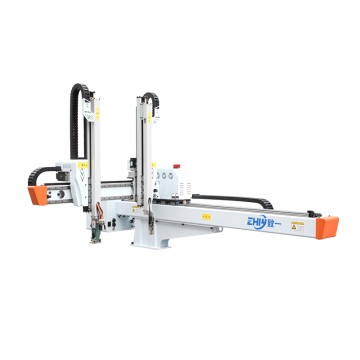
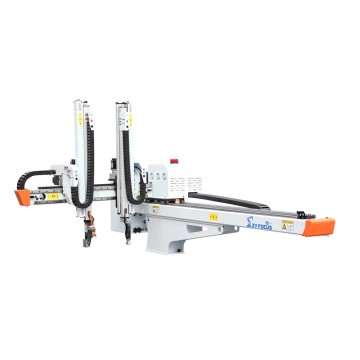
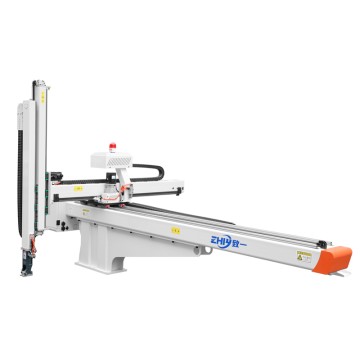
Customized for SMEs: Supports flexible functions such as in-mold labeling (IML) and heavy-duty component handling. The plug-in design eliminates complex installation, aligning with the "low-cost, rapid deployment" procurement preferences of Southeast Asian SMEs.
Localization Adaptation and Modification
Environmental Adaptability Optimization: Adopts a humidity and heat resistant design (suitable for 70%-90% humidity and 28-35℃ high temperatures), with rust-proof sealing devices added to core components to meet the tropical climate conditions of Southeast Asia.
Standard Compliance Adjustments: Voltage adapted to the 220V/50Hz regional standard, equipped with a two-pin round connector, the control system supports multiple languages including English, Thai, and Vietnamese, and complies with Euromap/SPI industry interface specifications.
III. Compliance Path: Streamlining Key Import and Export Links in Southeast Asia
Key Country Access Requirements
Thailand: New equipment requires a Form TI import license (7-10 working days). TISI certification and a Form E certificate of origin can enjoy a 0-5% tariff reduction.
Vietnam: The Ministry of Industry and Trade automatically applies for import licenses online, with issuance in 1-3 working days. In the North Vietnamese market, Haiphong Port is preferred for customs clearance, with costs 8%-12% lower than Ho Chi Minh Port.
Indonesia: Import of equipment older than 10 years is prohibited. Electrical products require SNI certification. A PIB import declaration must be submitted 72 hours in advance, and the voltage must meet the 220V standard.
Customs Clearance and Logistics Optimization
Document Preparation: Required documents include packing list, invoice, bill of lading, and Form E certificate of origin (regional value component ≥ 40%). For used machinery, original factory repair records and proof of age are additionally required.
Logistics Solutions: Large equipment will be shipped in full container loads (20GP, costing $1200-$2500 USD). Small and medium-sized equipment will utilize less-than-container-load (LCL) shipping to reduce costs by 30%-50%, prioritizing low-cost ports such as Laem Chabang (Thailand) and Haiphong (Vietnam).
IV. Profit Model: Building a Sustainable Southeast Asian Market Footprint
Tiered Pricing Strategy: Basic Model: Targeting SMEs in Vietnam and Indonesia, emphasizing "high cost-performance + basic functions," priced 30%-40% lower than European and American brands to capture the lower-tier market.
Value-Added Model: Providing customized solutions for major electronics manufacturers in Thailand and Malaysia, incorporating machine vision and intelligent correction functions, with a premium of 20%-30%.
Service Packages: Bundling "equipment sales + installation and commissioning + 1-year maintenance" packages, with service fees controlled at 15%-20% of the total price to increase profit per customer.
Channel Expansion Path: Offline Penetration: Participating in the Thailand International Industrial Exhibition and the Vietnam Machine Tool & Automation Exhibition, connecting with local industrial park management committees to expand the customer base of factories in batches. Local Partnerships: Establish distribution relationships with local distributors in Vietnam and Thailand, leveraging their existing channels to quickly reach end consumers, offering a 10%-15% channel rebate.
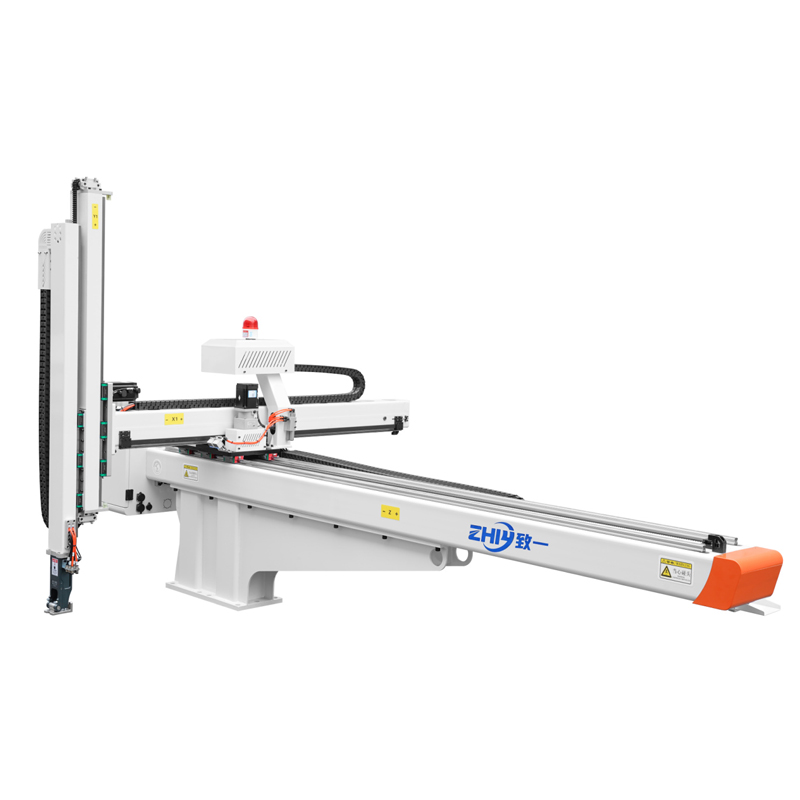
Online Traffic Generation: Targeted keyword advertising in Southeast Asia through independent websites, focusing on precise keywords such as "injection Molding Robot" and "3-axis servo manipulator," to attract potential clients from trade shows.
V. Risk Control: Building a Strong Barrier for Southeast Asian Market Operations
Policy and Market Risk Response
Policy Tracking: Monthly checks of target country customs websites, paying attention to the review requirements for Indonesian SNI certification and Thai TISI certification to avoid cargo delays due to policy changes.
Competition Avoidance: Avoid price wars in the low-end market, focusing on mid-to-high-end precision application scenarios, such as electronic component assembly in Vietnam and automotive parts processing in Thailand.
Operational Risk Control
Intellectual Property Protection: Register trademarks in advance with IPOPHL in the Philippines and the Thai Ministry of Commerce, and complete customs intellectual property filings through local law firms to intercept counterfeit products.
After-sales support: Spare parts warehouses have been established in Bangkok and Ho Chi Minh City, and partnerships with local repair teams ensure a 24-hour response time for after-sales needs, reducing customer churn.
Currency management: Settlement is done in US dollars, with exchange rate hedging agreements signed with banks or raw materials procured through local subsidiaries to offset the impact of Southeast Asian currency fluctuations.
#Molding Robot#Robot Arm Machine#Axis Robot Arm#Packaging Robots#Injection Moulding Robotic Arm#Industrial Mechanical Arm