
Leave Your Message
Robot Selection: How to Choose Between Three-Axis and Five-Axis Robots Based on Product Type?
Robot Selection: How to Choose Between Three-Axis and Five-Axis Robots Based on Product Type?
In the automation upgrade of injection molding, the selection of servo robots directly determines production efficiency, equipment adaptability, and return on investment. Three-axis and five-axis servo robots, as core automation equipment in injection molding production lines, are suited to vastly different product types and production scenarios due to differences in motion dimensions and operational capabilities. For wholesale buyers of injection molded products, selecting a suitable Robot Based on their product structure, process requirements, and production cycle time is crucial for achieving efficient operation of automated production lines. ZHIYI, a professional brand deeply rooted in the field of injection molding automation, leverages years of project experience and technological accumulation to clarify the core selection logic of three-axis and five-axis servo robots for global buyers, helping them accurately match product production needs.
Core Understanding: Key Differences in Operation Between Three-Axis and Five-Axis Servo Robots
The number of axes in an injection molding servo robot determines its degrees of freedom and operational flexibility. The core differences between three-axis and five-axis robots in terms of motion trajectory, operating range, and precision are the basis for selection. Both are suitable for automated injection molding production, but their core capabilities differ:
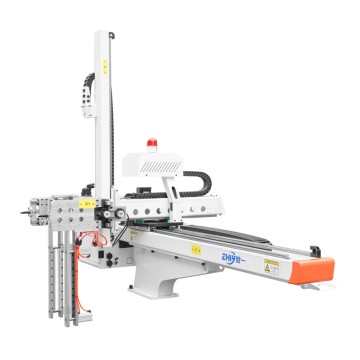
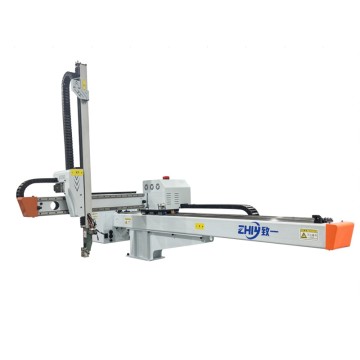
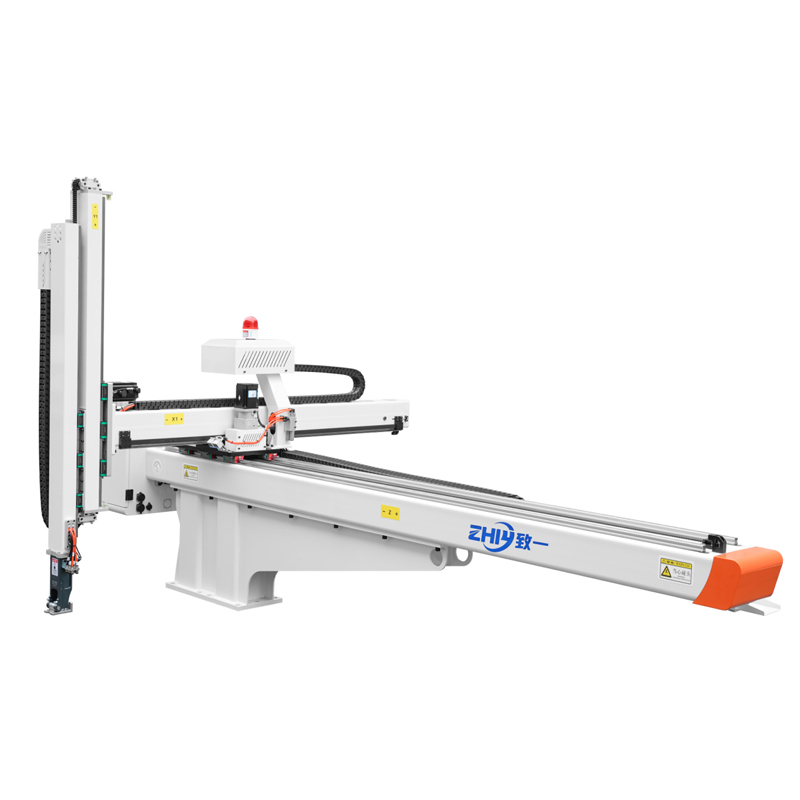
Three-Axis Servo Robots: Utilizing the X, Y, and Z linear axes as their core motion trajectory, they achieve horizontal, vertical, and forward/backward linear reciprocating motion. Their operation path is simple and direct. Their core advantages are high speed, stability, and low cost, making them suitable for the gripping and handling of standardized, low-process injection molded products.
Five-Axis Servo Robots: Adding two rotary axes to the three-axis design, they can achieve multi-angle, multi-directional rotation and flipping operations. They offer higher degrees of freedom and can perform complex actions such as gripping, flipping, positioning, and placement. Their core advantages are flexibility, precision, and adaptability to complex processes, meeting the production needs of irregularly shaped, multi-process injection molded products.
Both utilize servo systems for precise control, comply with ISO9001 and CE certification standards, and are compatible with injection molding machines of varying tonnages. However, they offer clear complementarity in product compatibility, allowing buyers to quickly narrow down their selection based on product type.
Three-Axis Servo Robot: Adapted to Standardized, Conventional Injection Molded Products
The three-axis servo robot is the "basic, high-efficiency" solution for injection molding automation. Its linear motion perfectly matches the simple structure and standardized production processes of injection molded products. These products do not require complex posture adjustments or multi-directional operations; their core needs are high-speed, stable gripping and unloading. It is also the preferred choice for wholesale buyers seeking low-cost automation in standardized production lines.
Suitable Core Product Types
Small Standard Parts: Such as plastic bottle caps, tableware, stationery accessories, and small electronic plastic casings. These products have regular structures and uniform dimensions. After injection molding, they only require simple gripping, unloading, and conveyor belt transport. The high-speed reciprocating motion of the three-axis robot matches high-cycle production, significantly improving unloading efficiency.
Flat injection molded parts: such as plastic pallets, plastic panels, and simple plastic sheets. These products have a flat structure without complex curved surfaces or uneven designs. No posture adjustment is required during gripping; the large-stroke linear motion of the three-axis robot enables precise picking and placement, making it suitable for the production of flat parts on large-tonnage injection molding machines.
Single-process molding standard parts: such as plastic cup bodies, simple toy accessories, and basic parts combining metal and plastic. After injection molding, no subsequent flipping, inserting, or positioning assembly is needed. Only the transport from the injection molding machine cavity to the material frame/conveyor belt is required. The efficiency and cost advantages of the three-axis robot are particularly prominent in these cases.
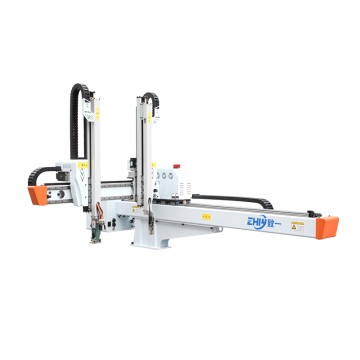
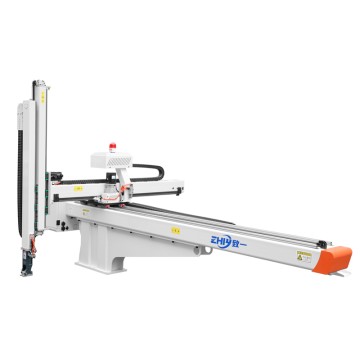
Additional considerations for selecting a three-axis robot: If the buyer's products are of the above types, the load capacity of the three-axis robot can be matched to the product weight. For example, the ZHIYI bull-head type three-axis servo robot has a maximum load of 50kg, suitable for gripping large standard injection molded parts and meeting the matching needs of injection molding machines of different tonnages. Meanwhile, three-axis robotic arms are easy to install and debug, with low maintenance costs, making them suitable for the large-scale production of small- to medium-batch standardized products. This helps buyers reduce the overall cost of automation investment.
Five-axis servo robotic arms: Adaptable to irregularly shaped and complex injection-molded products.
Five-axis servo robotic arms are a "multi-functional advanced version" of injection molding automation. The additional rotary axis gives them multi-angle operating capabilities, solving problems such as gripping, posture adjustment, and multi-process coordination for irregularly shaped and complex injection-molded products. Due to their special structure, these products require higher flexibility and precision from the robotic arm, making them a core choice for buyers to achieve automation in high-end, complex injection molding production lines.
Suitable Core Product Types: Irregularly shaped curved injection-molded parts: such as automotive plastic parts (door handles, dashboard housings), precision electronic housings (mobile phone frames, earphone housings), irregularly shaped bathroom accessories, etc. These products have irregular structures, requiring adjustment of the robotic arm's gripping angle during mold cavity removal to avoid scratching the product surface. The five-axis robotic arm's rotational motion allows for 360° posture adjustment, precisely matching the product's gripping and placement requirements.
For injection molded parts requiring multiple processing steps: such as plastic products with inserts, injection molded parts requiring secondary processing, and differentiated products molded in multi-cavity molds, after injection molding, operations such as insert insertion, product flipping, precise positioning and assembly, and cavity unloading are required. A five-axis robot can complete multiple actions in a single operation, eliminating the need for additional manual labor or equipment, achieving integrated "part pickup-processing-placement" operations.
For large precision injection molded parts: such as large appliance casings (refrigerator panels, washing machine drums), and industrial plastic mold components, these products are heavy and large in size, requiring high precision and stability in part pickup. The five-axis robot's high load capacity and multi-dimensional motion capabilities enable precise handling from the mold cavity to the processing table/storage area, while avoiding damage caused by product posture deviations.
Additional Considerations for Selecting a 5-Axis Robotic Arm
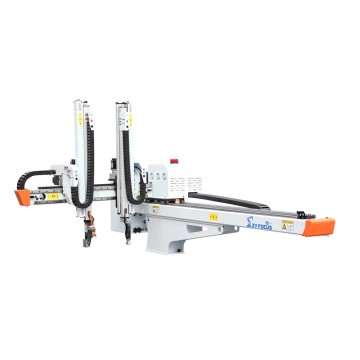
For complex product types, buyers should focus on the precision and customization capabilities of 5-axis robotic arms. For example, the ZHIYI 5-axis dual-arm, dual-section robotic arm supports customized solutions, allowing adjustment of motion parameters and gripping structures according to product process requirements. It adapts to the personalized needs of different injection molding processes, while its high stability allows for long-term continuous production, meeting the large-scale supply needs of wholesale buyers.
Core Judgment Dimensions for Injection Molding Product Selection: 3 Key Indicators for Quick Decision-Making
For global injection molding product wholesale buyers, there's no need to delve into the technical details of the robotic arm. Simply consider three core indicators to quickly determine whether to choose a 3-axis or 5-axis servo robotic arm, balancing selection efficiency and adaptability:
Product Structural Complexity: Regular structure, no curved surfaces/irregular designs → choose 3-axis; Irregular structure, complex curved surfaces/concave/convex designs → choose 5-axis.
Production Process Requirements: For simple part handling and unloading with no subsequent processes, choose a three-axis robot; for complex processes such as flipping, inserting, positioning, and secondary processing, choose a five-axis robot.
Production Cycle Time and Precision Requirements: For standardized production requiring high cycle time and low cost, choose a three-axis robot; for complex production requiring high precision and multiple functions, choose a five-axis robot.
If the buyer's production line produces both standardized and complex products, a combination of three-axis and five-axis robots can be considered to achieve differentiated automation matching and maximize overall production efficiency.
Post-Selection Considerations: Brand and Service Safeguard Automated Production Lines
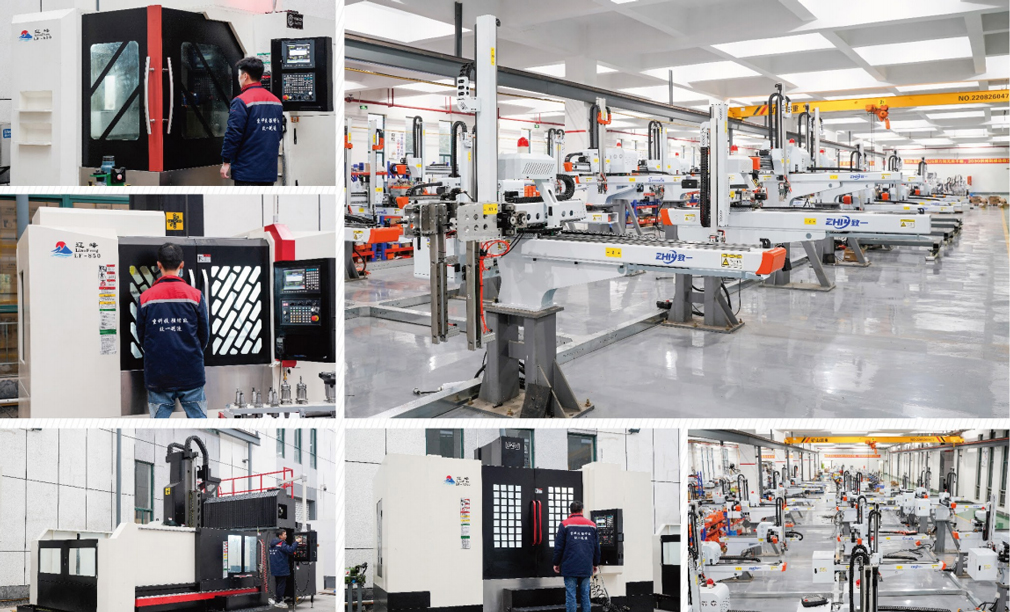
After determining the selection direction for a three-axis or five-axis robot, the buyer should also pay attention to the brand's technical strength, product certifications, and global service capabilities. These are crucial for ensuring the long-term stable operation of the production line. ZHIYI has been deeply involved in the injection molding automation field for nearly ten years, possessing 13 utility patents, over 500 project implementation cases, and an annual production capacity of 2500 units. All products are ISO9001 and CE certified, meeting global injection molding production standards.
#InjectionMoldingMachineServoManipulator #ThreeAxisServoManipulator #FiveAxisServoManipulator #ManipulatorSelection#How to Choose Between Three-Axis and Five-Axis Injection Molding Machines #ManipulatorTypesCompatible with Injection Molding Products #Wholesale Injection Molding Robot Selection #Irregularly Shaped Injection Molded Parts Robot Selection #Standardized Injection Molded Parts Robot Selection #Injection Molding Robot Brand Selection #Global Injection Molding Robot Procurement Guide