Leave Your Message
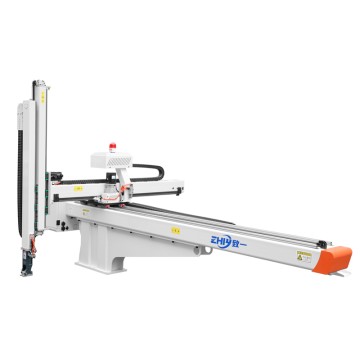
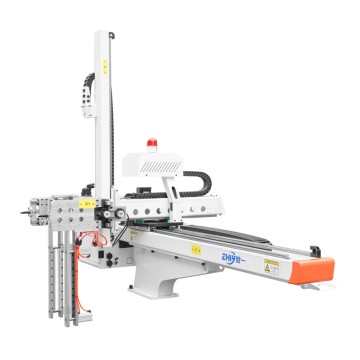
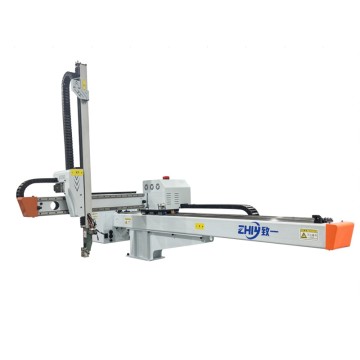
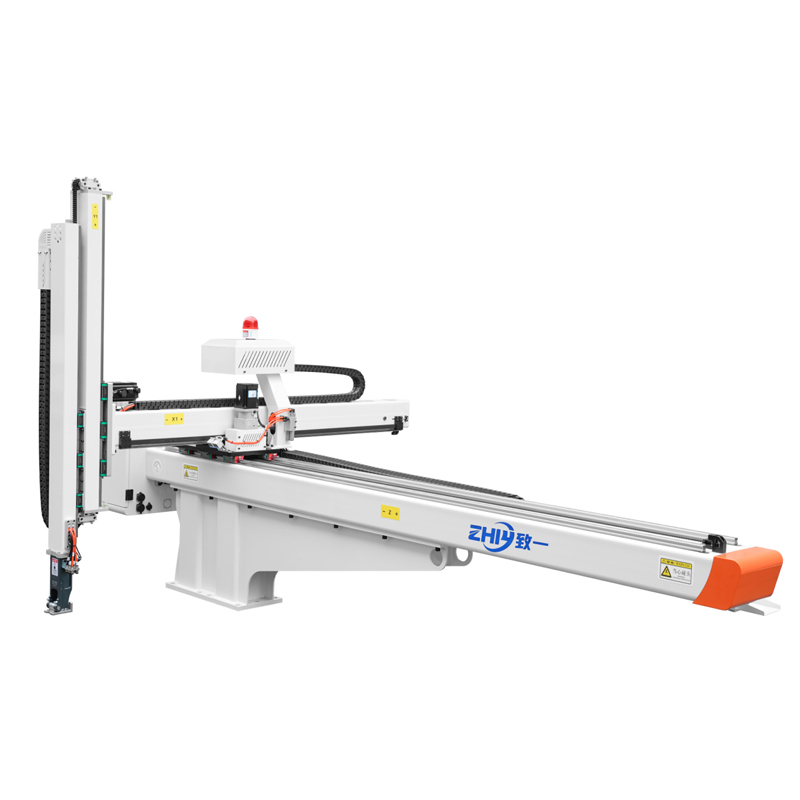
Purchasing Three-Axis Servo Robots: Industry Standards and Certifications
Purchasing Three-Axis Servo Robots: Industry Standards and Certifications
For overseas factory procurement managers and automation project engineers, the purchase decision for three-axis servo robots is far more complex than simply comparing specifications and calculating prices. Especially in export scenarios, a batch of equipment lacking key certifications can lead to customs delays, production line downtime, and even the risk of market bans. This article will systematically analyze the core value of industry standards and certifications, focusing on practical procurement pain points, to help you avoid "low-price traps" and build a secure purchasing strategy.
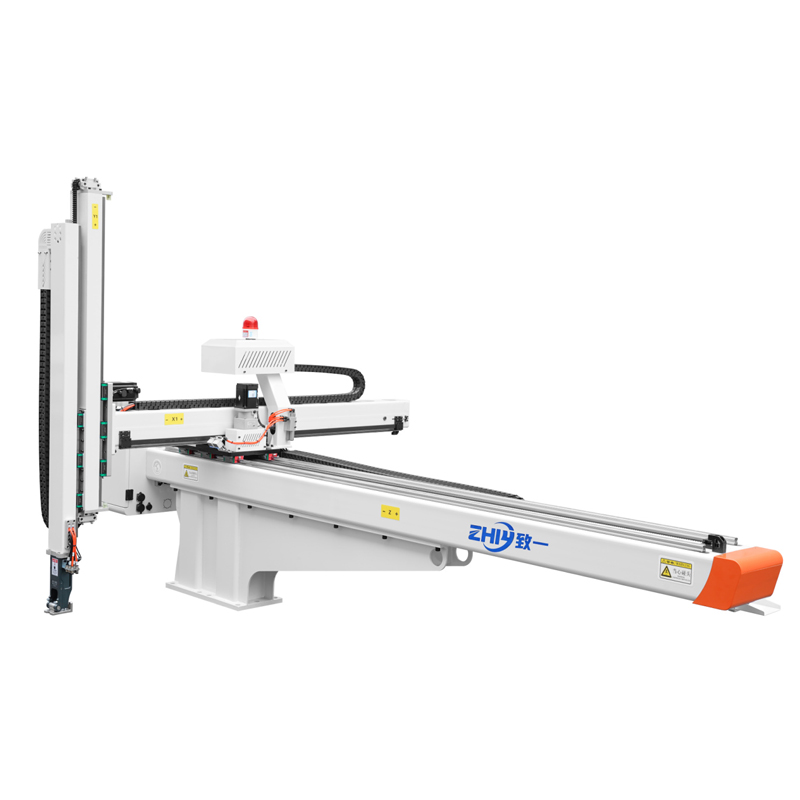
I. Introduction: A "Fatal Mistake" in Overseas Procurement - A Real-World Case Study
A European automotive parts manufacturer purchased 12 three-axis servo robots from Asia in 2024 for precision assembly processes. After the equipment arrived at the Port of Hamburg, Germany, customs inspection revealed the following:
It lacked a CE-certified EMC (electromagnetic compatibility) test report, failing to comply with the EU Machinery Directive (2006/42/EC);
The servo motor's safety protection rating was only IP54, failing to meet the ISO 12100 standard for "wet environments in industrial workshops."
The goods were ultimately detained at the port for 21 days, incurring a total of €86,000 in demurrage and storage fees. The production line was shut down due to equipment shortages, resulting in a €120,000 order breach compensation. This single procurement, ignoring standard certification, resulted in direct losses of nearly €200,000.
This isn't an isolated case. According to a 2024 report by the International Machinery Purchasing Association (IMPA), procurement disputes worldwide caused by "lack of target market certification" account for 37% of all machinery procurement issues, with each dispute resulting in an average economic loss of approximately 1.8 times the purchase amount.
II. Core Understanding: Standards and Certification Systems for Three-Axis Servo Robotic Arms
To avoid procurement risks, it's important to first understand that three-axis servo robotic arms, as core industrial automation equipment, have standards and certifications covering safety, performance, and compliance. Different target markets have clear mandatory requirements.
2.1 Internationally Common Basic Standards: The "Minimum Threshold" for Global Procurement
These standards serve as the "common language" of various markets and determine whether equipment possesses basic industrial suitability:
ISO 13849-1 (Safety of Machinery): Specifies safety control system requirements for robotic arms. For example, the emergency stop response time for three-axis linkage must be ≤0.5 seconds, and the triggering threshold error for servo motor overload protection must not exceed ±5% to prevent personal injury or equipment damage due to mechanical runaway.
ISO 9283 (Robot Performance Specification): Specifies test methods for the positioning accuracy and repeatability of three-axis servo robotic arms. For example, with a 5kg load, positioning accuracy must be ≤±0.1mm and repeatability ≤±0.05mm (specific values vary depending on the equipment model, but the test standards are globally standardized).
IEC 61800-5-1 (Adjustable-Speed Power Drive Systems): Specific to the electrical safety of servo drive systems, it requires insulation resistance ≥100MΩ and ground resistance ≤0.1Ω to prevent workplace accidents caused by electrical leakage.
2.2 Regional Compulsory Certification: The "Access Pass" to the Target Market
Different countries/regions will impose local certification requirements on top of international standards. Products that fail to meet these requirements cannot be legally sold or used:
EU CE Certification (Machinery Directive + EMC Directive):
Three-axis servo robotic arms exported to the EU must comply with both the Machinery Directive (MD) and the Electromagnetic Compatibility Directive (EMC):
MD Directive: A "Risk Assessment Report" is required to demonstrate that the equipment has avoided 16 mechanical risks, such as crushing and shearing (for example, the Z-axis lift mechanism must be equipped with an anti-fall lock device);
EMC Directive: The equipment's electromagnetic radiation during operation must be tested (≤54dBμV/m) to ensure it does not interfere with other electronic equipment in the workshop, such as PLCs and sensors.
Note: CE certification must be issued by an EU notified body (such as TÜV or SGS). Self-declared CE certificates are invalid during customs inspection.
US UL 1998 Certification:
For electrical safety, this certification focuses on testing the servo system's over-temperature and short-circuit protection. For example, if the motor winding temperature exceeds 155°C, the protective device must disconnect power within 3 seconds. Furthermore, the equipment must be labeled with the UL certification mark and file number; otherwise, it will fail OSHA (Occupational Safety and Health Administration) inspections.
Japanese JIS B 8433 Certification:
The robotic arm's environmental adaptability requirements are even stricter. For example, positioning accuracy degradation must be ≤10% within a temperature range of -10°C to 40°C, and the Robot Must operate continuously for 72 hours at a humidity of 90% (non-condensing) without electrical failure.
Southeast Asia TISI Certification (Thailand) and SIRIM Certification (Malaysia):
Although the testing standards reference the ISO system, localized testing must be conducted by a local certification body, and the certificate must include Thai/Malay language labels to avoid customs clearance issues due to language barriers.
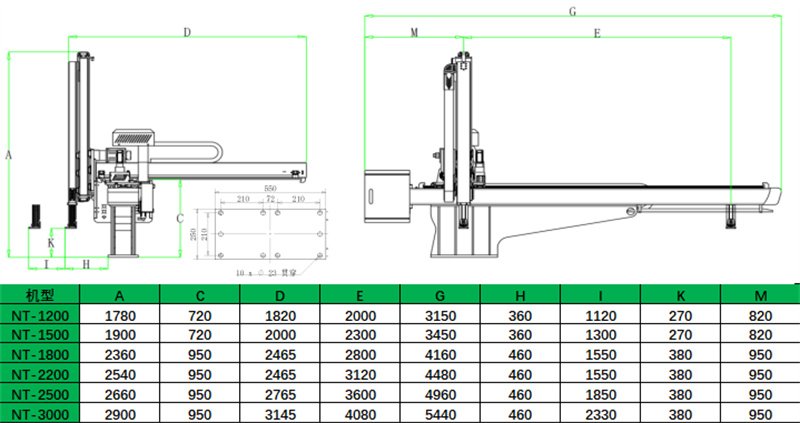
III. Deeper Value: Standards and Certification: More Than Just a "Passport"—They're "Quality Assurance"
Many buyers view standard certification as a "necessary cost," overlooking the three core values behind it—values that directly determine the equipment's "lifespan," "operation and maintenance costs," and "return on investment."
3.1 Value 1: Ensuring "Consistent Quality" and Avoiding "Batch Variations"
Suppliers certified to international standards must establish a "full-process quality control system":
Raw Material: Servo motors must comply with IEC 60034, and reducers must pass ISO 14644-1 cleanliness testing (particle size ≤ 5μm);
Manufacturing: Assembly processes must adhere to ISO 9001 process control requirements. Each piece of equipment must undergo 100 consecutive start-stop tests and a 24-hour full-load operation test before leaving the factory;
After-sales: A "calibration report for measuring equipment" compliant with ISO 10012 must be provided to ensure accuracy during subsequent maintenance. In contrast, equipment without standard certification may experience positioning accuracy variations of up to ±0.3mm within the same batch, leading to fluctuations in product yields on the production line and increased rework costs.
3.2 Value 2: Reduced Safety Risks and Avoided Legal Liability
70% of safety incidents in industrial workshops are related to inadequate equipment safety protection. Taking the "safety levels" of ISO 13849-1 as an example:
If a three-axis servo robot is used in a "human-Robot Collaboration" scenario, it must meet Performance Level d (PLd). The emergency stop system must adopt a dual-channel design to ensure that if one channel fails, the other channel can still trigger an emergency stop.
If used in a "heavy load (≥20kg) scenario," it must meet PLe level and be equipped with a "physical guardrail + photoelectric sensor" as specified in ISO 14121 to prevent accidental movement and collisions. If the purchased equipment does not meet the required safety standards, in the event of a safety incident, the company will not only be responsible for employee medical and compensation costs, but may also face fines from local regulators for "using non-compliant equipment" (for example, in the EU, fines can be up to 4% of the company's annual turnover).
3.3 Value 3: Ensuring "Long-Term Compatibility" and Reducing Upgrade Costs
Industrial automation equipment typically has a service life of 8-10 years, during which time production line upgrades and system integrations may be required. Equipment that has received standard certification offers the following compatibility advantages:
Communication Protocol: IEC 61158-compliant PROFINET and EtherCAT protocols, allowing direct integration with mainstream PLCs (such as the Siemens S7-1500 and Mitsubishi Q series);
Software Interface: Support for ISO 15066 human-machine collaboration software standards eliminates the need for driver redevelopment when adding vision systems later;
Spare Part Replacement: Key components (such as servo motors and encoders) conform to international standard dimensions, eliminating the need for custom replacements and reducing spare part procurement cycles and costs.
Non-standard equipment often uses proprietary protocols and non-standard components. Later upgrades can lead to problems such as inability to integrate with new systems or out-of-stock spare parts, forcing premature equipment retirement and resulting in wasted investment.
IV. Lessons Learned Through Hard Work: The Four Hidden Costs of Ignoring Standard Certification
Many buyers choose uncertified equipment because of the "low price," but they don't realize the hidden costs later on can far outweigh the initial savings:
4.1 Customs Clearance and Market Access Costs
Goods Detained: As in the opening example, equipment lacking CE certification is detained at an EU port, with average daily demurrage fees of approximately €4,000, and detention periods typically lasting 1-4 weeks.
Recertification: If recertification is required locally, the cost can be 2-3 times that of the original manufacturer's certification (for example, a CE recertification costs €15,000-30,000 and can take 4-6 weeks).
Rework: If equipment fails local certification, it must be returned to the original manufacturer for repairs. The round-trip shipping and repair costs can amount to approximately 30%-50% of the purchase price.
4.2 Operation and Maintenance Costs
High Failure Frequency: Servo motors without standard certification have a mean time between failures (MTBF) of approximately 5,000 hours, while motors that meet IEC standards have an MTBF of up to 15,000 hours, a threefold difference in maintenance frequency.
Difficulty in Maintenance: Non-standard parts require custom manufacturing, with spare part lead times of 8-12 weeks. During this time, idle equipment leads to production line downtime, potentially costing tens of thousands of dollars per day.
High Energy Costs: Servo systems that do not meet IEC 61800-3 energy efficiency standards consume 15%-20% more electricity than energy-efficient systems. Assuming a single unit operates for 16 hours per day, the annual excess electricity costs are approximately €2,000.
4.3 Legal and Reputation Costs
Regulatory Fines: US OSHA can impose fines of up to $136,000 per unit for companies found guilty of using non-UL-certified equipment.
Order Loss: If a customer order is delayed due to equipment failure, the company may face contractual penalties (typically 5%-10% of the order value) and even lose a long-term customer.
Brand Damage: Once a safety incident occurs, the company faces media exposure and regulatory investigations. Damaged brand reputation can lead to a loss of market share.
4.4 Upgrade and Replacement Costs
System Incompatibility: For equipment without standard protocols, subsequent integration with the MES system requires additional interface development, costing approximately €50,000-100,000.
Premature Obsolescence: Equipment may be forced to retire after 3-5 years due to failure to meet new safety standards (such as the EU's new Machinery Directive, which will be implemented in 2027), significantly reducing the return on investment.
V. Practical Procurement Guide: 3 Steps to Verify the Authenticity of Standards and Certifications
How can you avoid falling for fake certifications offered by suppliers? The following three practical steps are crucial:
5.1 Step 1: Verify the Certification Body's Authority
EU CE Certification: Verify that the issuing body is an EU Notified Body (the body number can be found on the European Commission's website, such as TÜV Rheinland No. 0197 and SGS No. 0158).
US UL Certification: Log in to the UL website (ul.com), enter the certificate number, and check whether the "Scope of Certification" includes the "three-axis servo robot arm" (not just a single component like the servo motor).
International standards: Suppliers are required to provide a third-party test report (such as an ISO 9283 accuracy test report). The report must include the testing body's CNAS or ILAC-MRA accreditation mark (to ensure global mutual recognition).
5.2 Step 2: Verify "Device Details" Against Standards
Safety Labeling: The device body must have a clear certification mark (e.g., CE mark height ≥ 5mm, UL mark must consist of the letters "UL" and a circular pattern). The mark must be etched or permanently printed, not a sticker.
Technical Specifications: Verify that the parameters in the device manual comply with the certification standards. For example, CE-certified devices must be marked with "EMC Class A" and "Safety Level: PLd."
Accessory Compliance: Check the certification certificates of key components such as servo motors and reducers to ensure that the "whole device certification" and "component certification" are consistent (to avoid "assembling a whole device with non-certified parts").
5.3 Step 3: On-site Factory Inspection: "Standards Implementation Check"
If the purchase amount is large (e.g., over €500,000), an on-site factory inspection is recommended, focusing on the following:
Production Process: Are ISO 9001 process control documents available, such as the "Servo System Assembly Work Instructions" and "Accuracy Test Record Sheet"?
Test Equipment: Is standard-compliant testing equipment available (e.g., a laser interferometer for positioning accuracy testing, an EMC test chamber for electromagnetic compatibility testing)?
After-Sales System: Is an ISO 10012 "Measurement Equipment Calibration Plan" in place? Does the spare parts library stock key compliant components?
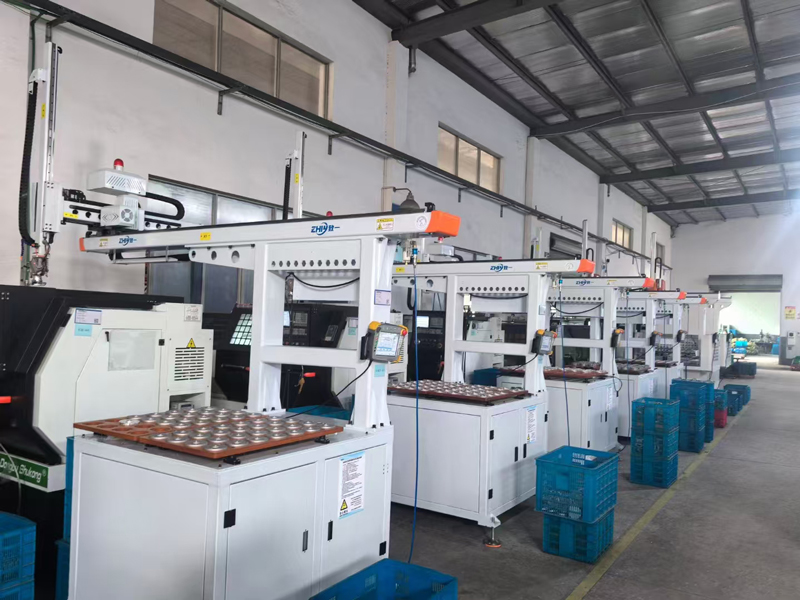
VI. Conclusion: Standards and Certifications Are the "Bottomline, Not the Ceiling" of Purchasing Decisions
When purchasing a three-axis servo robot arm, "price" should never be the primary decision factor. Industry standards and certifications are not only a barrier to entry into the target market, but also a hard guarantee of equipment quality, safety, and compatibility. They can help you avoid customs clearance pitfalls, reduce safety incidents, and lower long-term costs, ultimately achieving the goal of "buy once, enjoy peace of mind for ten years." If you're purchasing a three-axis servo robot for an overseas market, ask yourself three questions:
Does it meet all the mandatory certification requirements for the target market?
Does the equipment comply with core international standards (such as ISO 13849 and ISO 9283)?
Can the supplier provide complete third-party test reports and certification documents?
If the answer is no, choose with caution, even if the price is low. After all, a wrong purchasing decision could cost you far more than you anticipated.