
Leave Your Message
Procurement of Three-Axis Servo Robots in Emerging Markets: Cultural Differences and Coping Strategies
Procurement of Three-Axis Servo Robots in Emerging Markets: Cultural Differences and Coping Strategies
Characteristics and Cultural Relevance of Three-Axis Servo Robot Procurement Demands in Emerging Markets
Core Cultural Differences: Key Variables Influencing Procurement Decisions
Communication Habit Differences: Language and Expression Skills for Effective Communication
Business Practice Differences: Contract Negotiation and Cooperation Model Adaptation
Compliance and Standards Differences: Localization Certification and Technology Adaptation Strategies
After-Sales Service Culture: Service Response and Trust Building in Emerging Markets
Cross-Cultural Collaboration Case: Cultural Adaptation Practices in the Procurement Process
Trend Forecast: The Path to Procurement Efficiency Upgrade Driven by Cultural Integration
I. Characteristics and Cultural Relevance of Three-Axis Servo Robot Procurement Demands in Emerging Markets
Emerging markets are becoming core destinations for global manufacturing relocation. Industries such as injection molding, new energy, and automotive parts in Southeast Asia, Latin America, and Africa are rapidly emerging, leading to explosive growth in the demand for three-axis servo robots. These demands are often deeply intertwined with local cultural characteristics: the Southeast Asian market emphasizes cost-effectiveness and long-term cooperation stability, aligning perfectly with its relationship-oriented business culture; the Latin American market demands high equipment flexibility and localized services, reflecting its experience-focused cultural DNA; and emerging manufacturing industries in Africa prioritize equipment durability and technological replicability, echoing the local pragmatic and steady development philosophy.
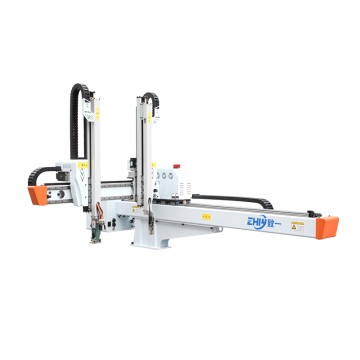
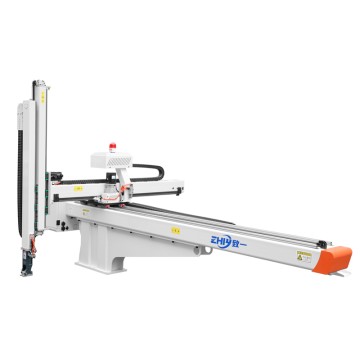
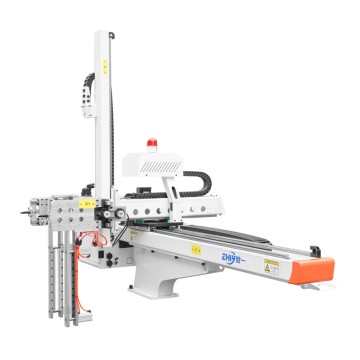
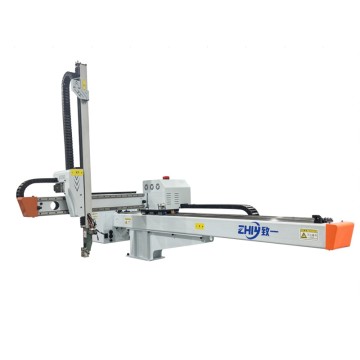
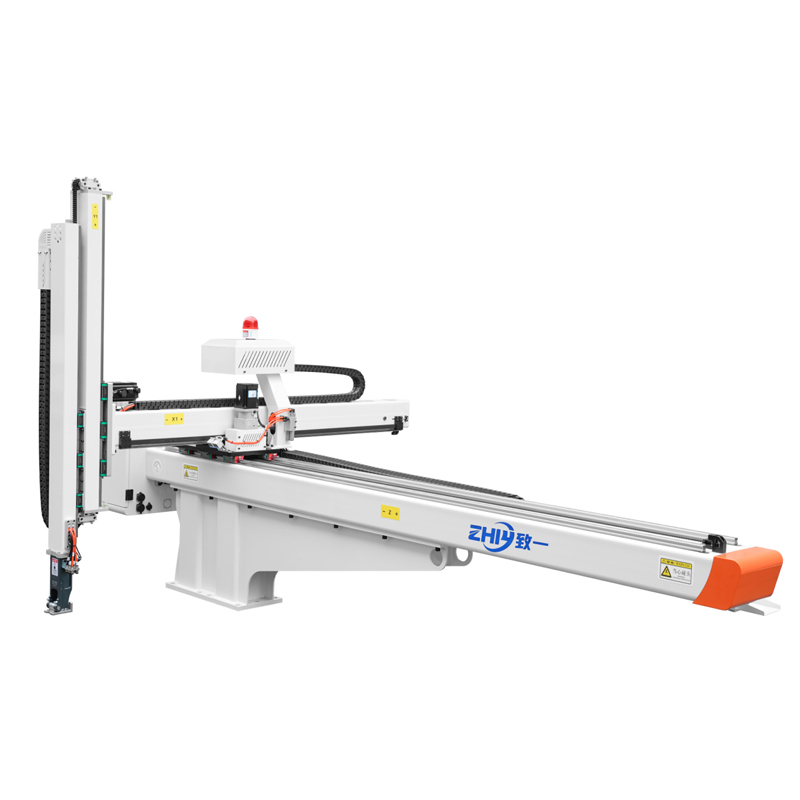
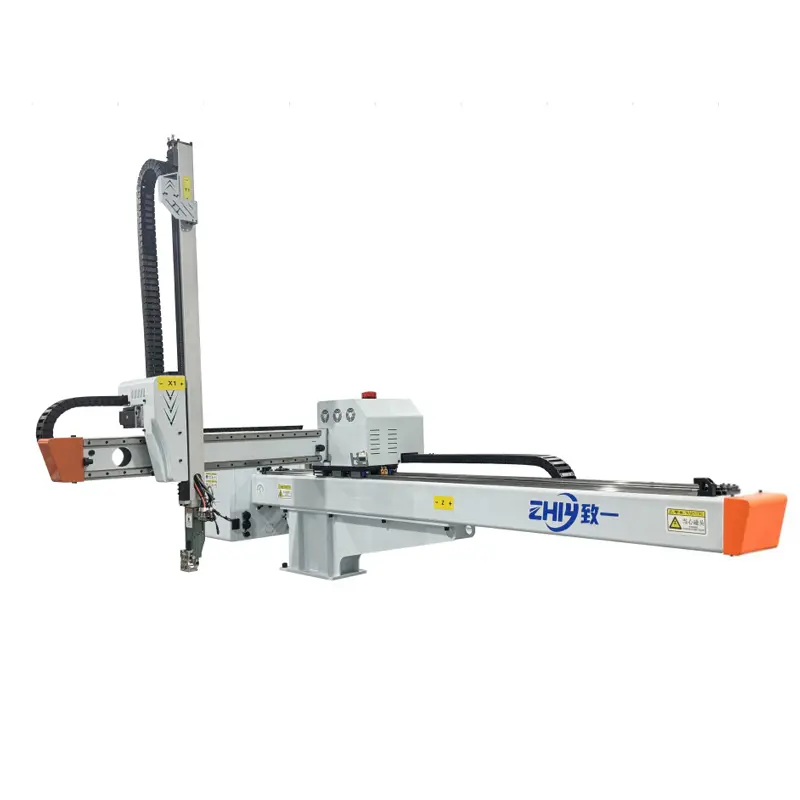
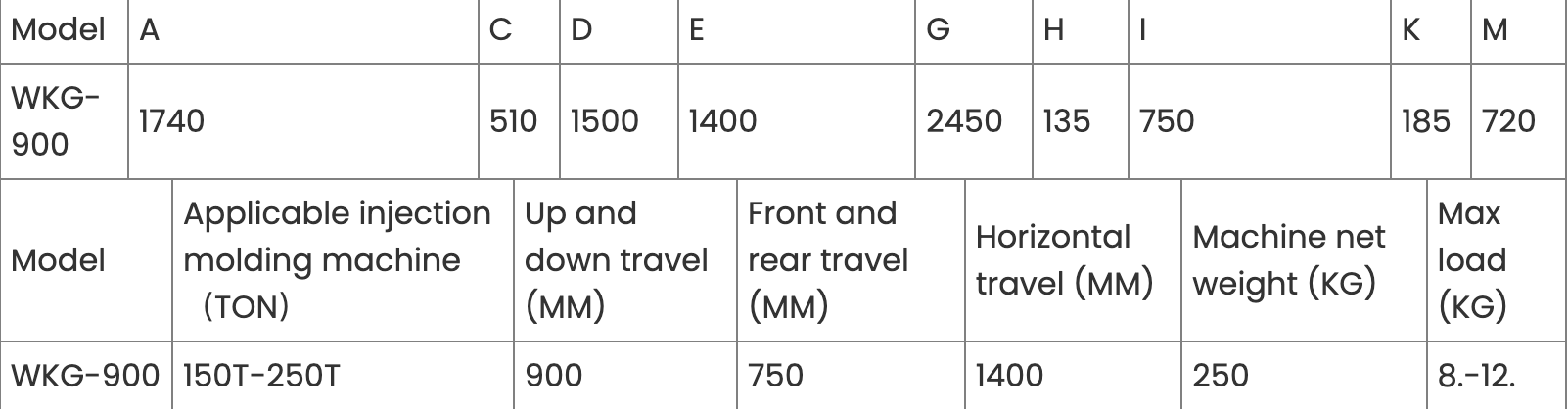
From a demand structure perspective, the main buyers in emerging markets are small and medium-sized enterprises (SMEs). They pursue both the core performance of three-axis servo robotic arms—such as a high load capacity of 50kg and broad applicability to 2000T-2300T Injection Molding Machines—and the equipment's integration into local production scenarios. This correlation between demand characteristics and culture dictates that the procurement process cannot simply apply models from mature markets; cultural adaptation must be a core consideration in the procurement strategy.
II. Core Cultural Differences: Key Variables Influencing Procurement Decisions
When procuring three-axis servo Robotic Arms in emerging markets, four core cultural differences must be considered, as they directly impact procurement decisions:
First, the difference between "relationship-oriented" and "task-oriented" approaches. In some emerging markets (such as Southeast Asia and the Middle East), business decisions heavily rely on interpersonal relationships. Buyers tend to partner with established trust rather than solely based on product specifications. While some Latin American countries also value relationships, they also prioritize efficiency, requiring a balance between emotional connection and professional competence.
Secondly, there are differences in power distance. In high-power-distance emerging markets, purchasing decisions are often concentrated in the hands of a few senior managers, requiring strict hierarchical etiquette and formal channels for information transmission. Low-power-distance markets encourage cross-departmental collaboration, where the opinions of frontline technical personnel can influence the final purchasing outcome.
Thirdly, there are differences in risk appetite. Some emerging markets (such as parts of Eastern Europe and Southeast Asia) are cautious about purchasing new technologies, preferring equipment validated in their local markets. In contrast, some rapidly developing emerging markets (such as India and Vietnam) are willing to take moderate risks, pursuing technological leadership to enhance competitiveness.
Fourthly, there are differences in time management. Some regions in Latin America and Africa have a relatively flexible time management system, allowing for fluctuations in the purchasing process. In contrast, some manufacturing-intensive regions in Southeast Asia prioritize efficiency, demanding a tight procurement schedule.
III. Communication Habits Differences: Language and Expression Skills for Effective Collaboration
Communication is the first hurdle in overcoming cultural differences, directly impacting the accuracy of procurement information transmission and the establishment of trust in cooperation.
At the language level, the limitations of relying solely on English should be avoided. Emerging markets are often multilingual environments; in addition to English, Spanish, Portuguese, and Arabic are commonly used business languages. During collaboration, localized language translators can be used, or simple and easy-to-understand visual communication tools—such as equipment operation animations, parameter comparison charts, and on-site demonstration videos—can be employed to reduce linguistic ambiguity. For example, when introducing the high-precision positioning function of a three-axis servo robot to Latin American clients, demonstrating its stability in picking up injection-molded products through a live operation video is more likely to gain acceptance than a purely textual description.
In terms of expression style, it is necessary to adapt to the communication preferences of different cultures. When dealing with emerging East Asian markets that value etiquette (such as South Korea and Singapore), communication should be formal and humble, using honorifics and avoiding directly contradicting the other party's viewpoints. When communicating with clients in Africa and the Middle East, it's appropriate to include small talk, starting with topics like local culture and industry development to build rapport before moving on to business negotiations. Communication with Eastern European clients should be more direct and efficient, highlighting the equipment's technological advantages and cost-effectiveness, avoiding redundant expressions.
Furthermore, non-verbal communication is crucial. In some cultures, body language and eye contact have specific meanings. For example, some Middle Eastern countries avoid direct eye contact with the opposite sex, while Southeast Asian countries emphasize the strength and etiquette of handshakes. During video conferences or in-person meetings, it's essential to understand and adhere to local communication customs beforehand to avoid cultural misunderstandings affecting the collaborative atmosphere.
IV. Differences in Business Practices: Contract Negotiation and Cooperation Model Adaptation
Significant differences in business practices in emerging markets directly impact the negotiation of procurement contracts and the establishment of cooperation models for three-axis servo robotic arms.
In contract negotiations, some emerging markets (such as Southeast Asia and Latin America) prioritize relationships over contracts. The negotiation process is more like a trust-building ceremony than a simple power struggle. In these cases, both the buyer and supplier should avoid getting overly bogged down in the details. They can first build trust through small trial orders and technical exchanges, then gradually refine the contract. Simultaneously, contract terms need to balance flexibility and clarity, including reasonable exemption clauses and adjustment mechanisms to address potential risks such as local policy fluctuations and logistical delays. For example, given the unstable logistics in some parts of Africa, a flexible delivery period can be stipulated in the contract, clearly defining the responsibilities of both parties.
Regarding cooperation models, they need to be adapted to the local business ecosystem. Small and medium-sized enterprises (SMEs) in some emerging markets have limited financial resources and cannot afford a one-time full payment. A "installment payment + technical support" cooperation model can be adopted, alleviating the buyer's financial burden while deepening cooperation through continuous technical services. For markets that prefer localized cooperation, projects can be jointly promoted with local agents or technical service providers, leveraging the resource advantages of local partners to solve implementation challenges during the procurement process. Furthermore, some emerging markets emphasize "long-term win-win" cooperation. Purchasers can agree with suppliers on long-term cooperation terms such as subsequent equipment upgrades and spare parts supply, forming stable partnerships.
V. Compliance and Standards Differences: Localized Certification and Technology Adaptation Strategies
Compliance and localized adaptation of technical standards are core hurdles for purchasing three-axis servo robots in emerging markets, reflecting cultural differences at the technical level.
First, certification standards must meet local requirements. Different emerging markets have different certification systems for industrial equipment. For example, some Southeast Asian countries recognize CE certification, while some Latin American countries require local INMETRO certification, and some African regions require localized versions of ISO standards. Purchasers need to understand the certification requirements of the target market in advance and choose equipment suppliers that have obtained the corresponding certifications—such as brands with ISO9001 and CE certifications—to reduce certification adaptation costs and avoid equipment unusable due to certification incompatibility.
Second, technical parameters must be adapted to the local production scenario. Emerging markets differ from mature markets in terms of production environment, power supply, and operator skill levels, necessitating targeted adjustments to the technical parameters of three-axis servo robots. For example, in regions with unstable power supplies, equipment with voltage self-adaptation capabilities can be selected; to address the varying skill levels of operators, robots with simple user interfaces and remote fault diagnosis functions should be prioritized to reduce the difficulty of localized operation. Simultaneously, spare parts supply must be adapted to local logistics conditions, selecting suppliers with highly versatile spare parts and short supply cycles to ensure long-term stable operation of the equipment.
Furthermore, compliance with local trade policies and laws is essential. Some emerging markets have trade protection policies such as tariff barriers and quota restrictions on imported equipment. Purchasers must understand these policies in advance and reduce procurement costs through reasonable trade routes (such as bonded zone imports and local assembly). Simultaneously, it is crucial to ensure that the procurement process complies with local tax, labor, and other relevant laws to avoid cooperation risks arising from compliance issues.
VI. After-Sales Service Culture: Service Response and Trust Building in Emerging Markets
After-sales service is a critical aspect of procuring three-axis servo robots in emerging markets and a core lever for overcoming cultural differences and building long-term trust.
There are significant differences in the needs and expectations for after-sales service across different emerging markets. Some markets (such as Southeast Asia and emerging economies in East Asia) require a high degree of responsiveness in after-sales service, needing solutions to equipment malfunctions within a short period. Meanwhile, some African and Latin American markets prioritize the practicality and continuity of after-sales service, such as operator training and long-term spare parts supply. To address these differences, purchasers should clarify after-sales service terms with suppliers to ensure the service model adapts to local needs.
Regarding service response, a dual service system of "localization + remote support" should be established. After-sales service points can be established with local partners, staffed with professional technicians and spare parts inventory, enabling rapid on-site repairs. Simultaneously, remote diagnostic technology can be used to provide 24-hour remote technical support to purchasers, promptly resolving minor equipment malfunctions. For example, to address language barriers, multilingual after-sales service manuals and remote communication channels can be provided to ensure accurate communication and resolution of technical issues.
In terms of building trust, an "exceeding expectations" experience in after-sales service is particularly important. After equipment delivery, we proactively provide free operator training to help purchasers quickly master equipment operation skills; we conduct regular equipment operation follow-ups to understand equipment usage and provide optimization suggestions; and we stockpile core spare parts in advance for local peak production seasons to ensure that equipment production is not affected by spare parts shortages. These measures not only enhance the user experience but also align with the relationship- and trust-oriented cultural characteristics of emerging markets through "attentive service," laying the foundation for long-term cooperation.
Conclusion: The procurement of three-axis servo robotic arms in emerging markets is essentially a cross-cultural collaboration and adaptation.
Cultural differences are not insurmountable barriers but rather important entry points for optimizing procurement strategies and deepening cooperative relationships. By accurately grasping the characteristics of needs and cultural relevance, adapting communication habits and business practices, ensuring compliant technical adaptation, and building a localized after-sales service system, purchasers can effectively bridge the cultural gap and achieve efficient equipment procurement and maximize long-term value. In the wave of global manufacturing shifting to emerging markets, only by using cultural adaptation as a bond can we seize opportunities in the blue ocean of emerging markets and achieve a win-win situation for both procurement and industrial development.
Website:https://www.zhiyirobotics.com/
Email:374482956@qq.com