
Leave Your Message
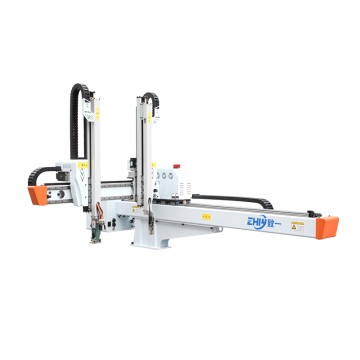
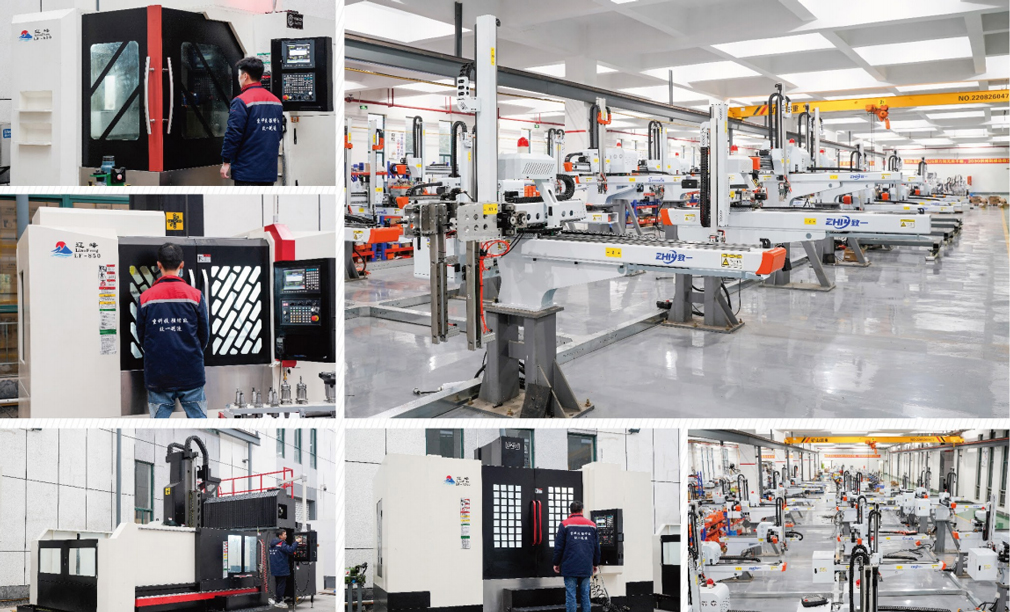
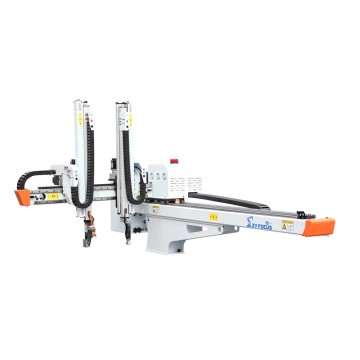
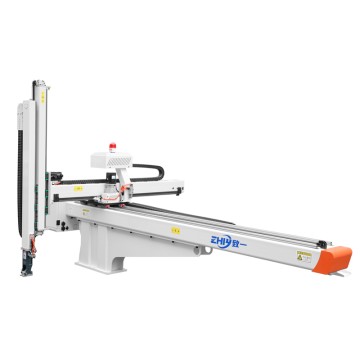
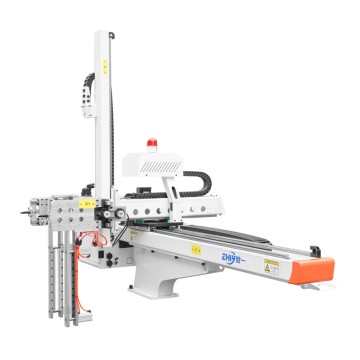
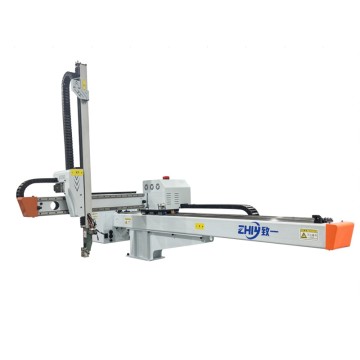
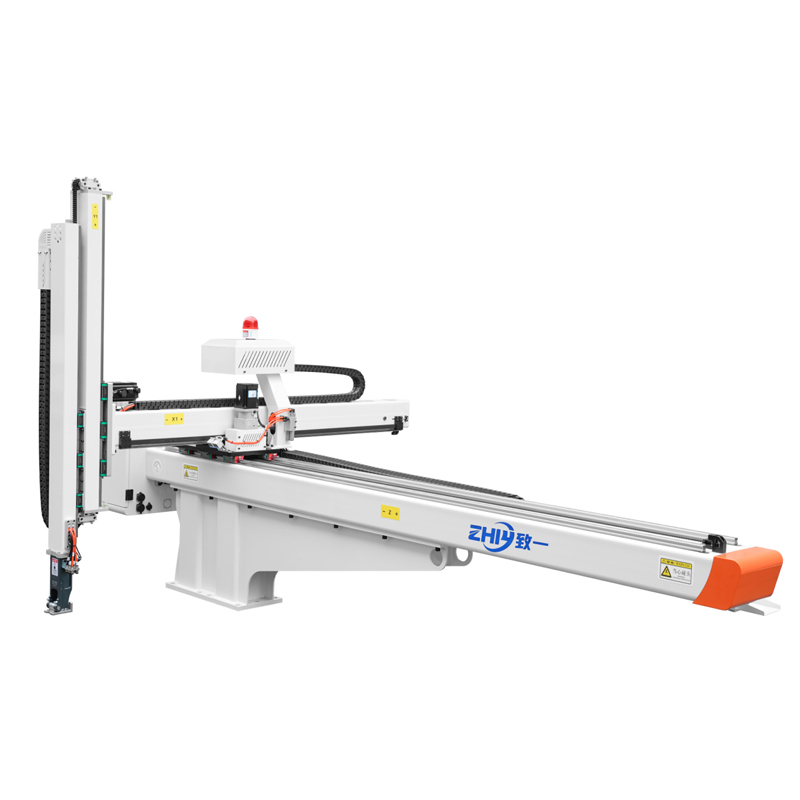
Pain Points of In-Mold Needle Embedding and the Solution Offered by Five-Axis Servo Robots
Pain Points of In-Mold Needle Embedding and the Solution Offered by Five-Axis Servo Robots
In modern manufacturing, in-mold needle embedding, a key technology for precisely embedding metal needles into plastic products, is widely used in high-end manufacturing sectors such as electronics, automotive, and medical. However, with increasingly stringent market demands for product precision, production efficiency, and cost control, traditional in-mold needle embedding is facing numerous challenges. The emergence of five-axis servo robots offers a new solution to these challenges.
Major Pain Points of In-Mold Needle Embedding
Precision Control Challenges
In the in-mold needle embedding process, needle positioning accuracy directly impacts product quality and performance. Traditional processes rely heavily on manual or simple mechanical manipulation, making it difficult to achieve submillimeter precision. Especially for complex plastic products, even the slightest deviation in needle placement can render the product scrapped. For example, in the production of automotive electronic connectors, a deviation of more than 0.1mm in needle placement can cause poor circuit contact and disrupt normal vehicle operation. Low Production Efficiency
Traditional in-mold needle insertion processes often require multiple, step-by-step processes. Manual loading and unloading, positioning, and needle insertion are time-consuming, and the connections between these processes are often inconsistent, resulting in low overall production efficiency. This efficiency disadvantage is even more pronounced during mass production, making it difficult to meet market demand for high output.
High Labor Costs and Poor Stability
Manual operations account for a significant portion of the in-mold needle insertion process, resulting in not only high labor costs but also inconsistent quality due to human factors. Worker proficiency and fatigue can affect needle insertion accuracy and consistency, increasing product defect rates and rework rates.
Safety Hazards
During the in-mold needle insertion process, workers come into close contact with molds and mechanical equipment, exposing safety risks such as pinching and burns. Especially when operating in high-temperature molds, even the slightest carelessness can lead to safety accidents, causing unnecessary losses for the company. The Breakthrough of the Five-Axis Servo Robot
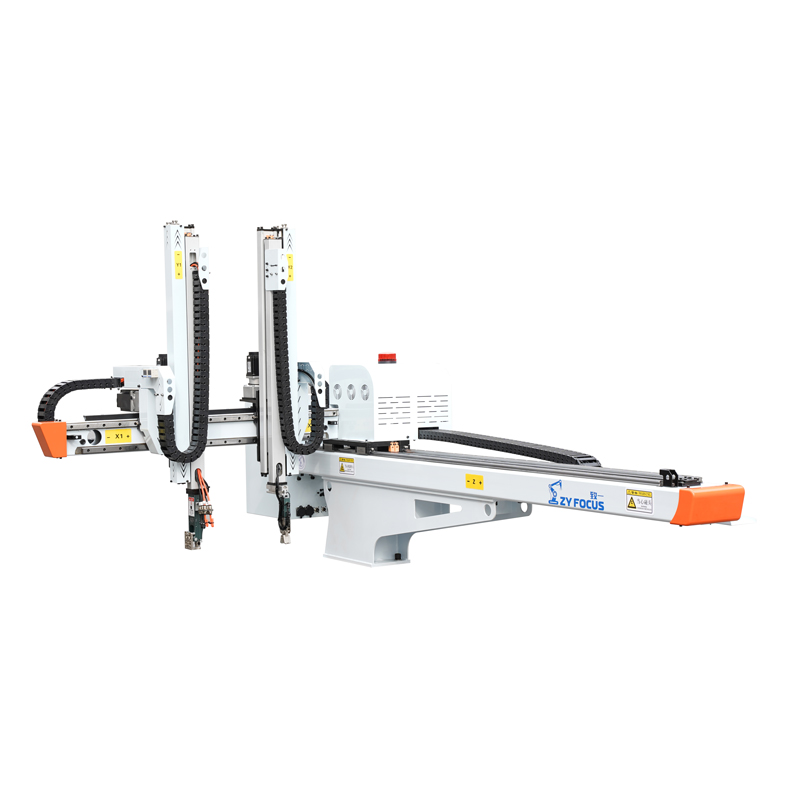
Ultra-High-Precision Positioning, Solving Precision Challenges
Utilizing an advanced servo control system and high-precision sensors, the five-axis servo robot achieves positioning accuracy of ±0.01mm, perfectly meeting the high-precision requirements of the in-mold pinning process. Its multi-axis linkage design allows for flexible adjustment of the pinning angle and position, ensuring accurate and consistent placement even for complex shapes.
Automated Production, Improving Efficiency
The five-axis servo robot seamlessly integrates with Injection Molding Machines and other equipment, enabling a fully automated production process from material removal and positioning to pinning. It operates continuously and stably, requiring no manual intervention, significantly shortening production cycles. Statistics show that the use of a five-axis servo robot can increase the efficiency of the in-mold pinning process by over 30%.
Reducing Labor Costs and Improving Product Quality Consistency
Using a five-axis servo robot can significantly reduce labor input and lower labor costs for businesses. Furthermore, the robot's operation is unaffected by human factors, ensuring consistent needle insertion quality for every product. This reduces product defect rates and rework rates, thereby improving the company's economic benefits.
Enhancing Production Safety
Five-axis servo robots can replace manual labor in hazardous production environments, eliminating direct contact between workers and molds and mechanical equipment. This significantly reduces the likelihood of safety accidents and creates a safer production environment for the company.
Conclusion
The pain points of the in-mold needle insertion process were once a bottleneck hindering the development of related industries. The emergence of five-axis servo robots has provided an effective solution to these challenges. With its high precision, high efficiency, low cost, and high safety, it has become an ideal choice for in-mold needle insertion. With the continuous advancement of automation in the manufacturing industry, we believe that five-axis servo robots will play a vital role in even more areas, bringing new opportunities for business development.
Website:https://www.zhiyirobotics.com/
Email:sales@zhiyirobotics.com