
Leave Your Message
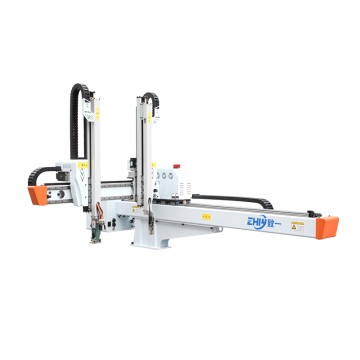
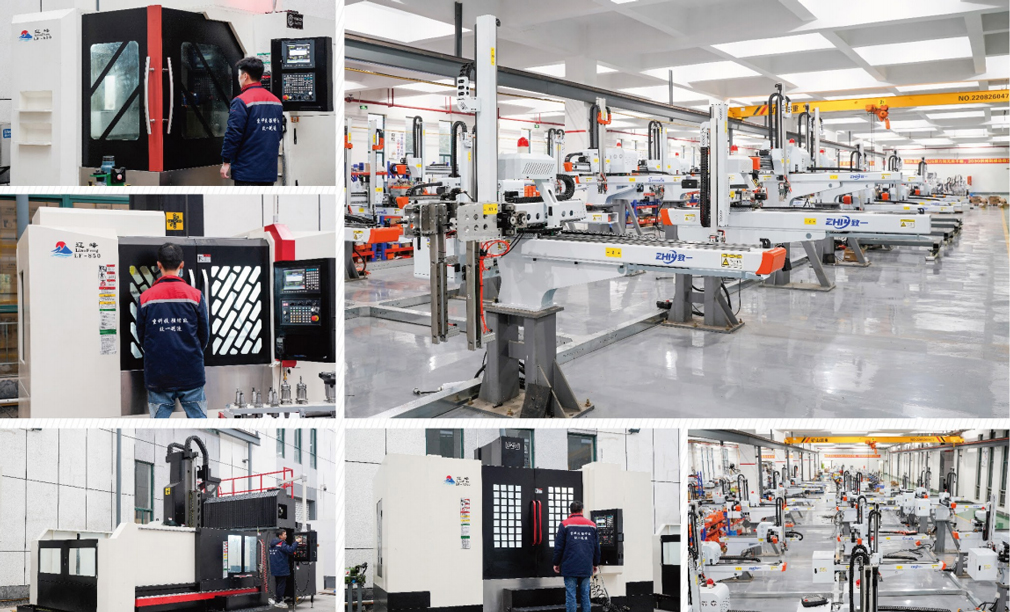
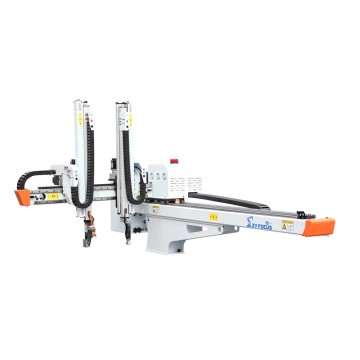
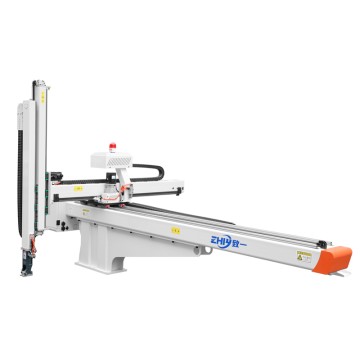
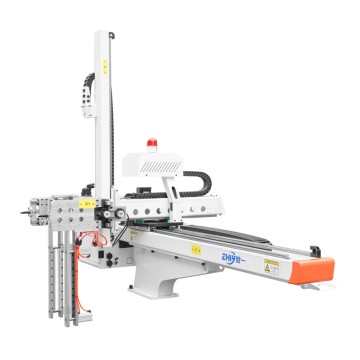
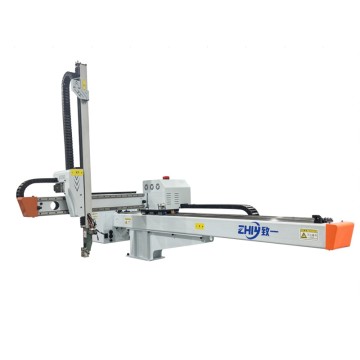
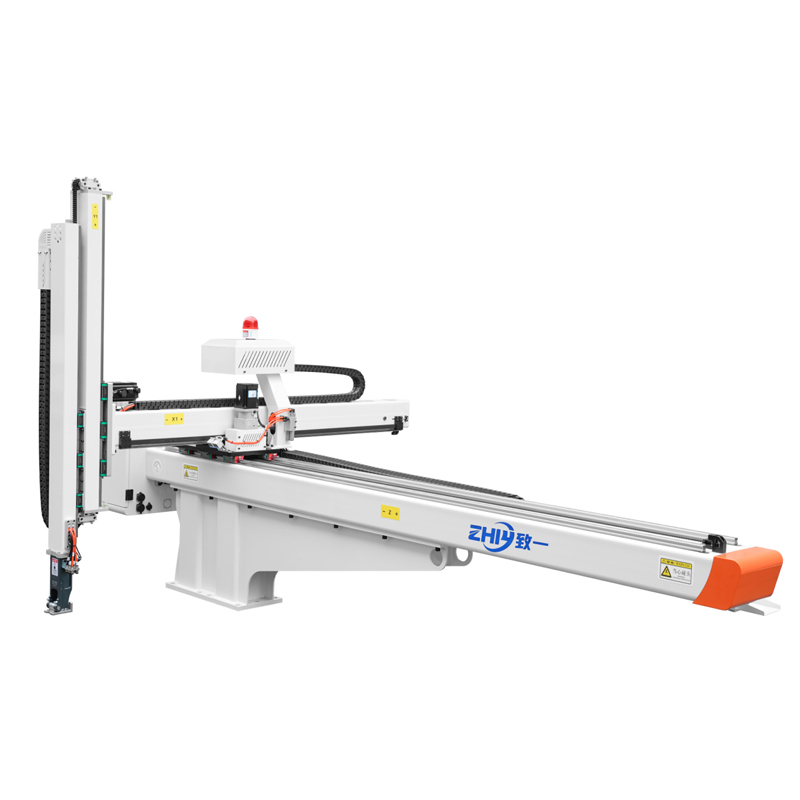
Mass Application of Three-Axis Servo Injection Molding Robots in Injection Molding of Daily Necessities
Mass Production Applications of Three-Axis Servo Injection Molding Robots in Daily Necessities Injection Molding
1. Technical Adaptation Logic of Three-Axis Servo Robots for Daily Necessities Injection Molding
2. Efficiency Doubling Path in Mass Production Scenarios
3. Core Dimensions of Lifecycle Cost Optimization
4. Precise Guarantee Mechanism for Consistent Quality in Daily Necessities
5. Application Cases for Diverse Daily Necessities Categories
In the global daily necessities injection molding industry, mass production, cost control, and quality stability are core competitive issues. Three-axis servo injection molding robots, with their high precision, high speed, and high compatibility, have become key equipment for solving industry pain points, demonstrating irreplaceable application value in the mass production of plastic tableware, storage containers, and personal care tools.
I. Technology Adaptation Logic: Precisely Matching the Core Needs of Daily Necessities Injection Molding
Daily necessities injection molding is characterized by "large batches, diverse product categories, and consistent precision requirements." The three-axis servo robot achieves deep adaptation through three major technological advantages:
High-Precision Servo Drive: Utilizing an AC servo motor drive system, the repeatability positioning accuracy reaches ±0.02mm, and the positioning accuracy is ±0.05mm, perfectly meeting the dimensional consistency requirements of products such as plastic basins and toothbrush handles, avoiding the accumulation of deviations caused by manual handling.
Flexible Gripping Design: Equipped with a vacuum suction cup + mechanical claw combination gripper, and a built-in pressure sensor to monitor the gripping force in real time, it can adapt to a variety of products, from thin-walled food containers (weight <50g) to large storage boxes (weight ≤25kg), achieving damage-free handling.
Cross-Equipment Compatibility: Supports mainstream communication protocols such as Modbus and EtherCAT, allowing for seamless integration with different brands of Injection Molding Machines (covering all 600-1600T molding machines) without additional modifications, adapting to the current situation of multi-equipment mixed production lines in daily necessities factories.
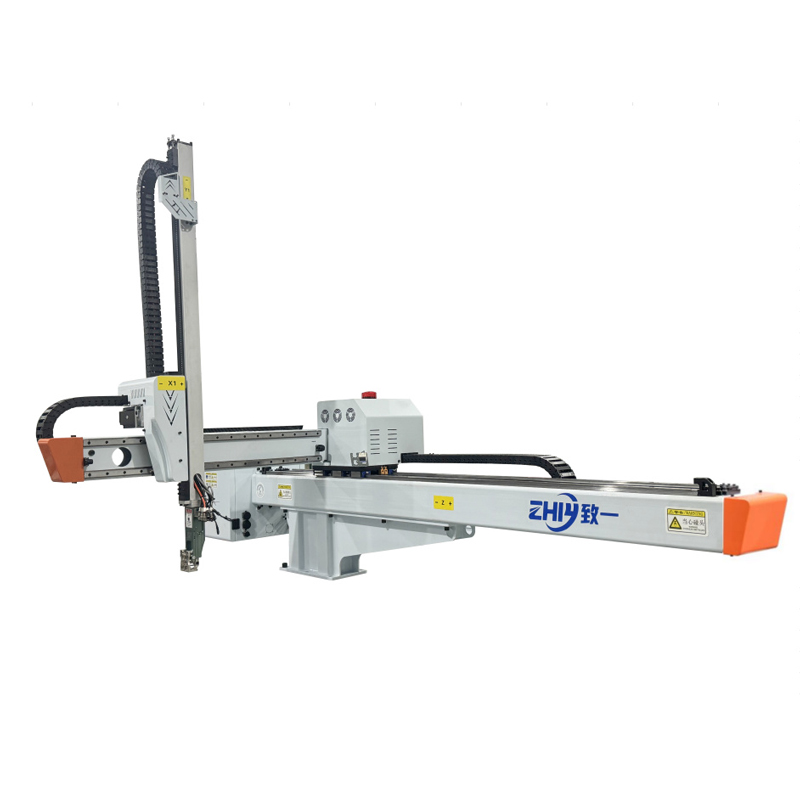
II. Increased Efficiency: Reconstructing the Cycle Standard for Mass Production
In mass production scenarios involving tens of thousands of daily necessities, three-axis servo robots achieve a leap in efficiency through process optimization:
Ultra-fast Pickup Cycle: Single pickup time as low as 0.5-1.8 seconds, more than 3 times more efficient than manual pickup (3-5 seconds/time). Taking plastic cup production as an example, the single mold cycle can be reduced from 15 seconds to 7 seconds, increasing daily capacity from 1000 pieces to 2100 pieces.
24-Hour Uninterrupted Operation: Eliminating limitations such as human fatigue and rest, the equipment's effective operating rate reaches over 95% (compared to only 70% for manual operation), especially suitable for the surge production demands of peak season orders for daily necessities.
Rapid Mold Changeover Adaptation: The controller can store 1000 sets of mold parameters, supporting computer simulation program operation, reducing mold changeover adjustment time by more than 60%, meeting the flexible production needs of rapid switching between multiple product categories.
III. Cost Optimization: A Journey-Through-Lifecycle Return on Investment Advantages
The three-axis servo robotic arm reduces the overall cost of daily necessities production through three dimensions:
* **Sharp Reduction in Labor Costs:** A single unit can replace 2-5 operators. Based on an average annual labor cost of 50,000 RMB, this translates to annual cost savings of 100,000-300,000 RMB, with a payback period generally less than one year.
* **Energy and Consumable Savings:** Utilizing a servo drive system, energy consumption is reduced by 30% compared to traditional pneumatic robotic arms. Precise gripping also reduces product scratches and drops, lowering the scrap rate from 5%-8% for manual production to below 1%.
* **Controllable Maintenance Costs:** The high-strength alloy arm body and wear-resistant linear guide rail design result in a failure rate of less than 0.2%, with automatic fault detection and recording. Maintenance costs are only 1/5 of manual management costs.
IV. Quality Assurance: The Core Line of Defense for Consistency in Mass Production
Daily necessities have extremely high requirements for the consistency of appearance and dimensional accuracy. Three-axis servo robotic arms leverage technology to build a quality barrier:
Precision and Stability Control: The servo system response time is <0.1 seconds, ensuring that the picking and placing actions are completely synchronized with the injection molding machine, avoiding random deviations from manual operation, and reducing product dimensional tolerance fluctuations by 80%.
Destructive Production Assurance: The clamping pressure can be precisely adjusted, and with the non-stick contact surface, it effectively prevents problems such as deformation and surface scratches in thin-walled containers, especially suitable for high-quality products such as transparent tableware and cosmetic packaging.
Real-time Quality Monitoring: Some models integrate an in-mold monitoring system that can automatically detect product defects and separate defective products, preventing batches of substandard products from flowing into downstream processes.
V. Versatile Adaptability: Covering Mainstream Daily Necessities Injection Molding Scenarios
The modular design of the three-axis servo robot allows it to adapt to the mass production needs of various daily necessities:
* **Food Packaging Containers:** For products such as plastic bowls and food storage containers, it enables integrated in-mold labeling and automatic palletizing. A single unit can process over 50,000 pieces per day, meeting the high-speed turnover needs of the food industry.
* **Home Storage Products:** Adapted to large injection molded parts such as storage boxes and shelves, with a maximum load capacity of 25kg. The double-section arm design enables efficient handling and stacking, reducing storage space usage.
* **Personal Care Tools:** For small, precision products such as toothbrushes and combs, it employs miniature clamps and an anti-static design to prevent static electricity from attracting dust, ensuring a clean appearance and keeping the defect rate below 0.8%.
#Robot Equipment#Robot Installation#Robot Series#Robot Settings