
Leave Your Message
Maintenance tips for servo manipulators of injection molding machines
Maintenance tips for servo manipulators of Injection Molding Machines: extend equipment life and improve production efficiency
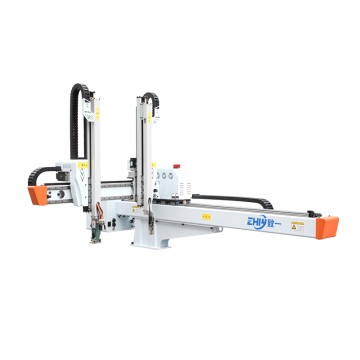
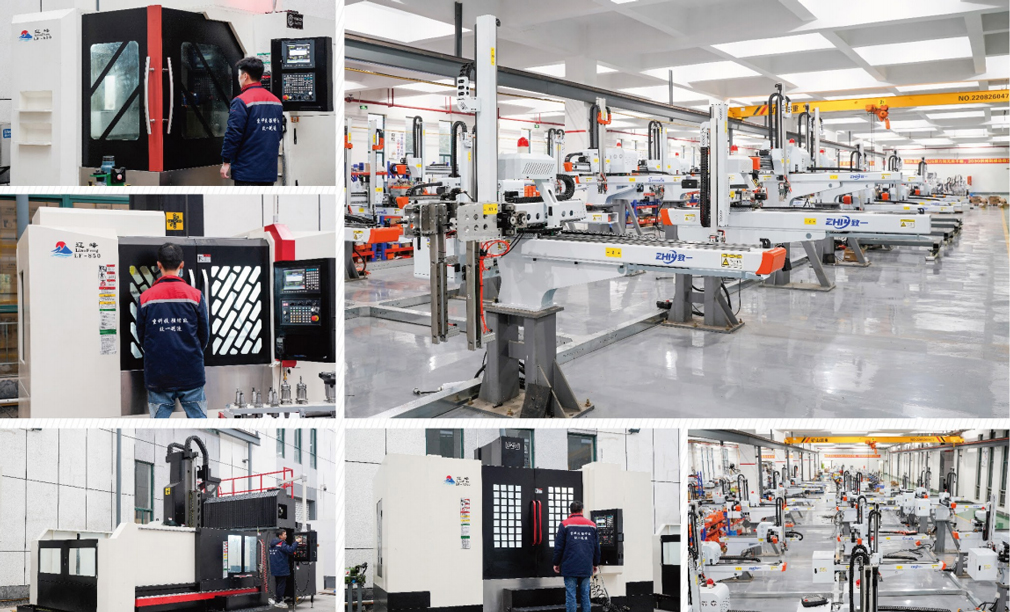
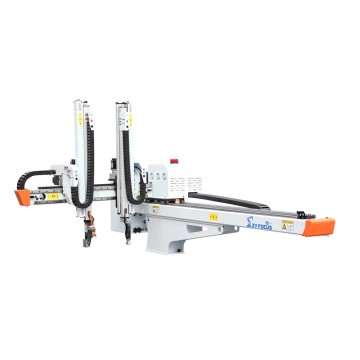
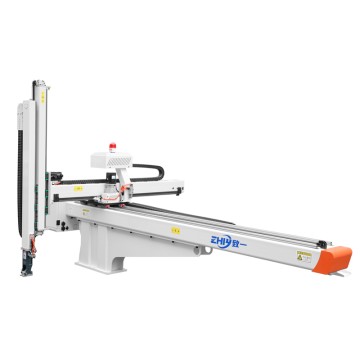
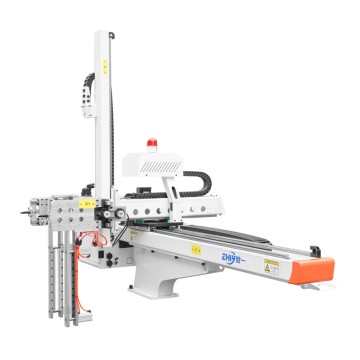
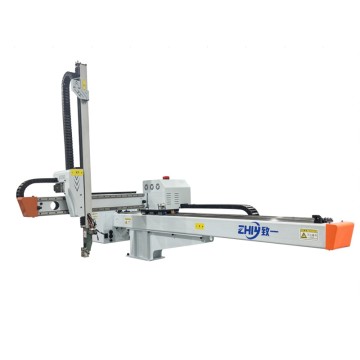
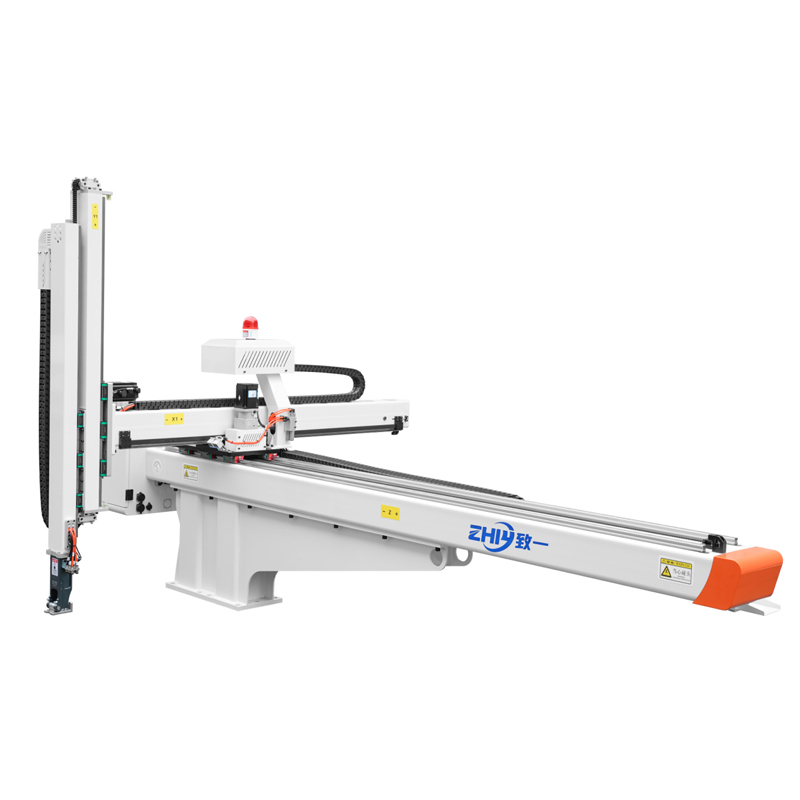
In modern injection molding production, servo manipulators of injection molding machines have become indispensable automation equipment. It can not only improve production efficiency, but also ensure the stability of product quality. However, to give full play to its performance and extend its service life, regular maintenance and upkeep are essential.
I. Daily maintenance: the importance of basic maintenance
(I) Cleaning work
Keeping the manipulator clean is the basis of daily maintenance. Dust, oil and impurities may cause wear and tear on the moving parts of the manipulator and even cause failures. After work every day, use a clean cloth to wipe the surface of the manipulator, especially key parts such as guide rails, bearings and sliders. For stains that are difficult to clean, special cleaning agents can be used, but care should be taken to avoid the cleaning agent from penetrating into the internal parts of the manipulator.
(II) Check the air source and electrical system
The air source and electrical system are the core of the normal operation of the manipulator. Check the air source pressure every day to ensure that the air pressure is stable. At the same time, check whether there is leakage in the air pipe and joints. Any small leakage may cause insufficient air pressure and affect the normal operation of the manipulator. For the electrical system, check whether the wire connector is loose and whether the plug and socket are in good contact. If the surface of the wire is found to be worn or aging, it should be replaced immediately to avoid the risk of short circuit or open circuit.
(III) Lubrication and maintenance
Lubrication is the key to ensure the smooth operation of the moving parts of the robot. Most injection molding machine servo robots are equipped with an automated lubrication system, but the operating status of the lubrication system still needs to be checked regularly. Before work every day, check whether the lubricating grease is sufficient, and add or replace the lubricating oil as needed. For manually lubricated robots, guide rails, bearings, gears and other components should be lubricated regularly in accordance with the requirements of the equipment manual. When lubricating, use lubricating oil or grease that meets the requirements of the equipment, and avoid using unqualified lubricants to avoid damage to the equipment.
2. Regular inspection: the key link of preventive maintenance
(I) Inspection of guide rails and bearings
Guide rails and bearings are the core components of the robot's movement, and their status directly affects the accuracy and stability of the robot. The guide rails and bearings should be inspected in detail every week to check for signs of wear, deformation or looseness. If metal fragments or powder are found on the guide rail, this may be a sign of insufficient lubrication or wear, and it needs to be cleaned and relubricated in time. For bearings, their condition can be judged by listening to the sound of their operation. If there is abnormal noise, such as whistling or clicking, it means that the bearing may be damaged and needs to be replaced.
(II) Inspection of the drive system
The drive system is the power source of the manipulator, and its normal operation is essential. For manipulators driven by assembly frame-transmission gear, check whether the tooth gap between the assembly beam and the transmission gear is appropriate. If the tooth gap is too large or too small, it will affect the movement accuracy and stability of the manipulator. It can be accurately measured by using tools such as magnetic table bases and adjusted according to the requirements of the equipment manual. For shafts driven by conveyor belts, check the wear and tension of the conveyor belt to ensure that it is accurately aligned with the pulley and groove wheel.
(III) Inspection of the vacuum gripper system
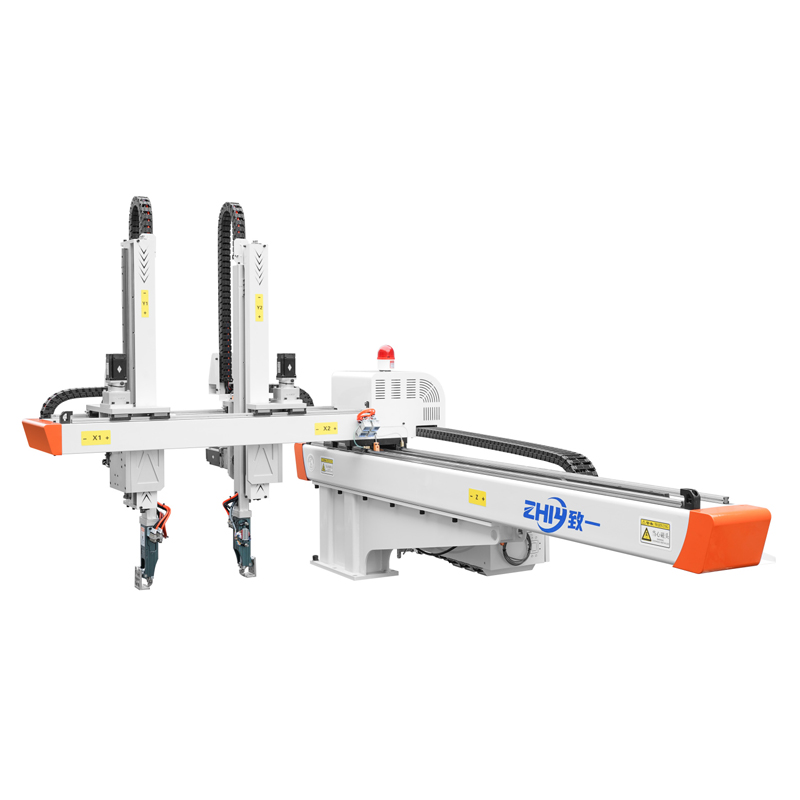
The vacuum gripper is an important component of the servo manipulator of the injection molding machine, which is used to grasp and carry injection molded products. Regularly check the sealing of the vacuum system to ensure that the vacuum suction cup is leak-free. If the vacuum suction cup is found to be damaged or deformed, it should be replaced in time to ensure the reliability of grasping. In addition, check the sensitivity of the vacuum switching device to ensure that it can switch quickly under the set threshold to avoid product falling or damage caused by insufficient or excessive vacuum.
3. Deep maintenance: guarantee of long-term stable operation
(I) Comprehensive cleaning and maintenance
Perform comprehensive cleaning and maintenance every month or quarter, including cleaning of the internal parts of the manipulator. Use an air gun to clean the filter to ensure that the air path is unobstructed. Check whether the bolts of all moving parts are tight. If they are loose, tighten them immediately. For long-term running manipulators, the operating status of key components such as motors and controllers should also be checked to ensure that they have good heat dissipation and no abnormal heating.
(II) Replacement of wearing parts
During the deep maintenance process, focus on the replacement of wearing parts. For example, components such as cylinder end cover seals and oil pressure buffer devices are prone to wear or aging after long-term use and need to be replaced regularly. At the same time, check the filters and oil pipes of the lubrication system. If they are blocked or damaged, they should be cleaned or replaced in time. For manipulators that have been in use for a long time, replacement of severely worn guides, bearings, gears and other components should also be considered to restore the optimal performance of the equipment.
(III) System calibration and debugging
In-depth maintenance also includes system calibration and debugging of the robot. Check whether the settings of the robot's travel control block and sensor are accurate. If deviations are found, adjustments should be made in time to ensure the robot's movement accuracy and repeatability. In addition, the robot's movement speed and acceleration are optimized to improve production efficiency and reduce equipment wear.