
Leave Your Message
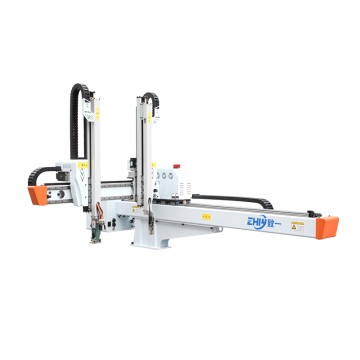
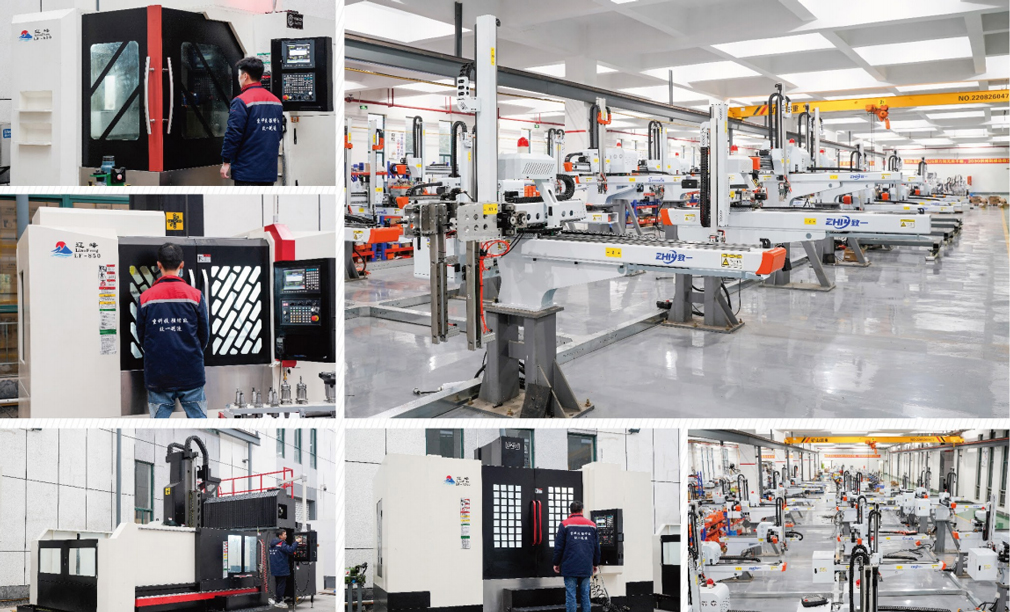
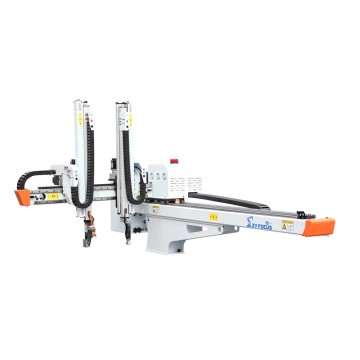
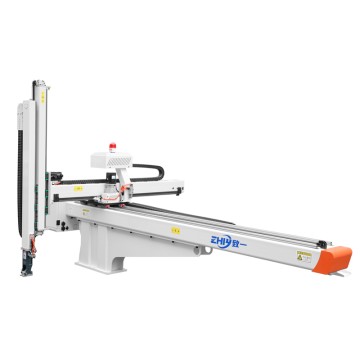
Maintenance cycle of three-axis servo manipulator: how to set and optimize
Maintenance cycle of three-axis Servo Manipulator: how to set and optimize
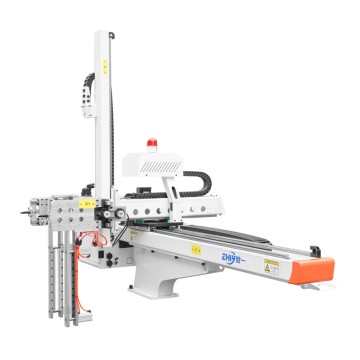
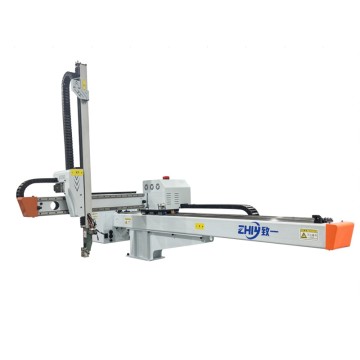
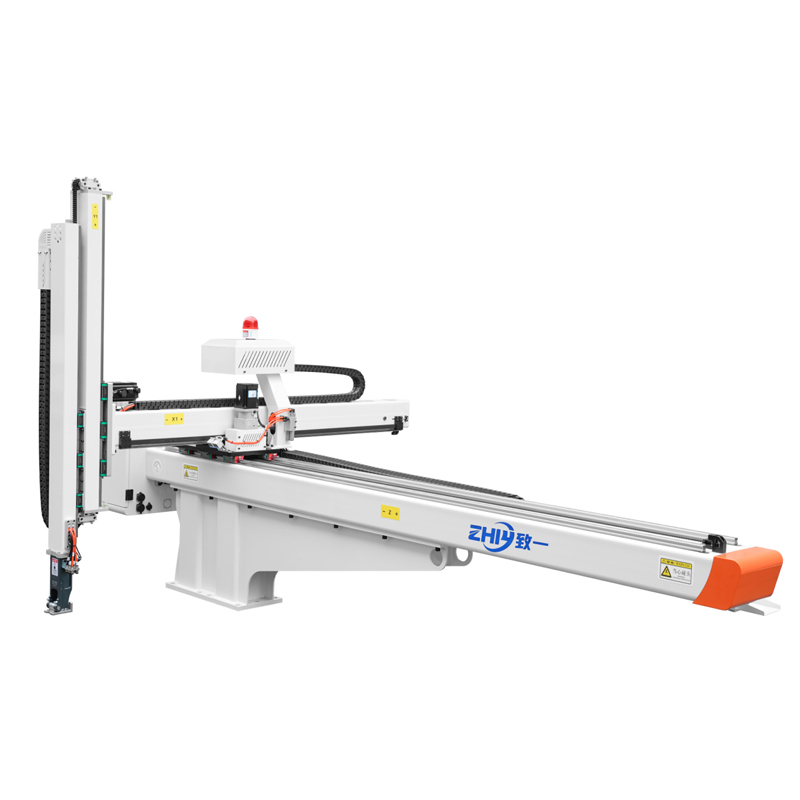
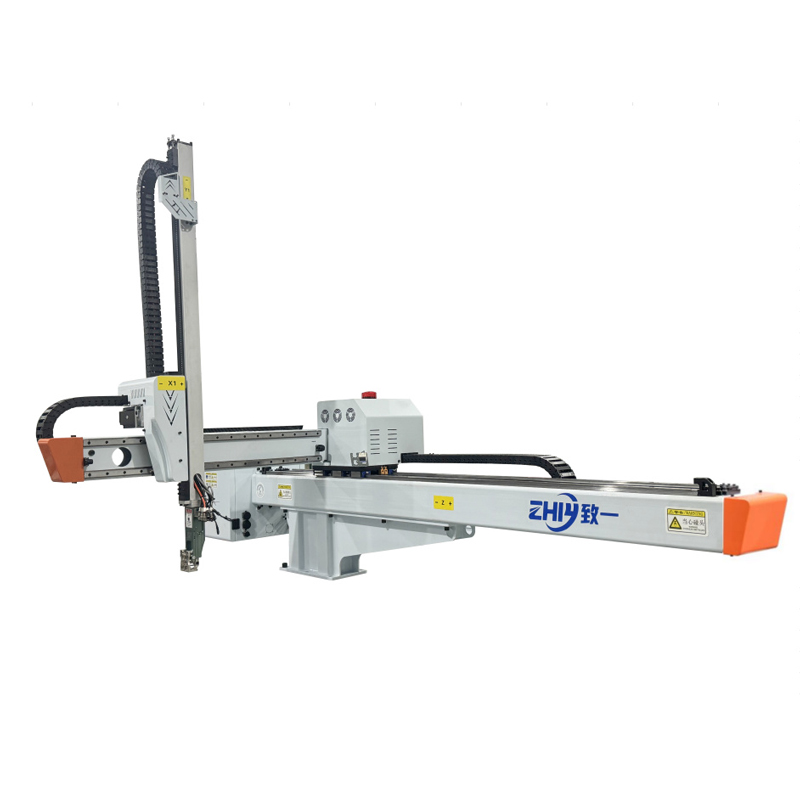
In today's global industrial market, three-axis servo manipulators are widely used in electronics, automobiles, logistics, medical and other industries as efficient and precise automation equipment. For international wholesale buyers, understanding and mastering the maintenance cycle of three-axis servo manipulators can not only ensure the stable operation of the equipment, but also effectively reduce operating costs and improve production efficiency. This article will explore the maintenance cycle setting of three-axis servo manipulators in depth and provide practical maintenance suggestions to help you better manage equipment and improve production efficiency.
1. Basis for setting the maintenance cycle of three-axis servo manipulators
(I) Recommendations of equipment manufacturers
Equipment manufacturers usually provide a basic maintenance cycle recommendation based on the design and test data of three-axis servo manipulators. For example, the three-axis servo manipulator of Anbaichuan Technology Co., Ltd. has a trouble-free commitment of continuous operation MTBF>20,000 hours, and the maintenance cycle is extended to 6,000 hours. This data is based on the performance of the equipment under ideal working conditions, providing users with a preliminary maintenance reference.
(II) Actual operating conditions
The impact of actual operating conditions on the maintenance cycle cannot be ignored. If the robot is in an environment with high dust, high humidity or frequent start-stop, its maintenance cycle may be shortened. For example, in the high-speed placement of electronic components, due to the extremely high precision requirements and the possible electrostatic interference in the working environment, the maintenance cycle may need to be adjusted appropriately. Therefore, when setting the maintenance cycle, the actual operating environment and work intensity of the equipment must be fully considered.
(III) Industry standards and experience
Reference to general standards and experience in the industry is also an important basis for setting maintenance cycles. Generally speaking, the maintenance cycle of Industrial Robots and automation equipment is determined according to the service life of their key components. For example, for key components such as servo motors and reducers, it is recommended to conduct a comprehensive inspection every 5,000 hours. In addition, regular daily inspections and preventive maintenance are also essential, which helps to detect potential problems in time and avoid equipment failures.
2. Daily maintenance of three-axis servo manipulators
(I) Daily inspection
Daily inspection is the basis of maintenance work and is recommended to be performed every day. The inspection includes:
Appearance inspection: Check whether there are scratches, collision marks or corrosion on the surface of the robot to ensure that the appearance of the equipment is good.
Fastener inspection: Check whether all fastening screws and bolts are loose, especially the parts connecting the joints and the end effector.
Lubrication inspection: Check whether the lubrication system is working properly and whether there is enough lubricating oil or grease.
Brake inspection: Run each axis to a position with a large load, then turn off the power and check whether the axis remains in place to determine whether the brake is normal.
(II) Cleaning and maintenance
Regular cleaning of the three-axis servo Robot Can help extend the life of the equipment. The following points should be noted when cleaning:
Use appropriate cleaning agents: Avoid using strong corrosive solvents such as acetone.
Clean key parts: Focus on cleaning the joints, slide rails and end effectors of the robot to ensure that there is no dust and oil accumulation.
Waterproof and moisture-proof: During the cleaning process, pay attention to prevent moisture from entering the electrical components to avoid short circuits and damage.
(III) Electrical system inspection
The stability and safety of the electrical system are crucial. The inspection includes:
Cable inspection: Check the cable for signs of wear, aging or damage, and ensure that the connection is secure.
Control cabinet inspection: Check whether the heat dissipation system in the control cabinet is working properly, and clean the filter cloth and cooling fan.
Battery inspection: For systems equipped with batteries, regularly check the battery charge and status, and replace them in time if necessary.
3. Regular maintenance and preventive maintenance
(I) Regular maintenance cycle
The cycle of regular maintenance is usually determined based on the operating time and working conditions of the equipment. Here are some recommended maintenance cycles:
Every 500 hours: Replace the filter cloth, check the cooler and fan, and clean the inside of the control cabinet.
Every 1,000 hours: Lubricate key components such as gears and slides, and check brake performance.
Every 5,000 hours: Fully inspect the electrical system, including cables, control boards and batteries, and replace them if necessary.
(II) Preventive maintenance measures
Preventive maintenance is the key to ensuring long-term and stable operation of the equipment. The following measures are recommended:
Backup data: Regularly back up the data in the controller memory to prevent data loss.
Vibration and noise monitoring: Regularly monitor the vibration and noise levels of the robot during operation to detect abnormalities in time.
Accuracy calibration: Regularly calibrate the positioning accuracy of the robot to ensure that its repeated positioning accuracy meets the requirements.
4. Optimization and adjustment of maintenance cycle
(I) Data analysis and monitoring
Through data analysis and real-time monitoring, the maintenance cycle can be adjusted more accurately. For example, using sensors and data analysis software, the operating status of the equipment can be monitored in real time, including parameters such as temperature, vibration, and current. When abnormal data is detected, maintenance is arranged in time to avoid equipment failure.
(II) User feedback and experience sharing
Actively collecting user feedback and industry experience can help optimize maintenance strategies. For example, some users have found in actual use that regularly cleaning the cooling system of the robot can effectively extend the service life of the equipment.