Leave Your Message
Imported Three-Axis Servo Robot Procurement Process and Considerations
Imported Three-Axis Servo Robot Procurement Process and Considerations
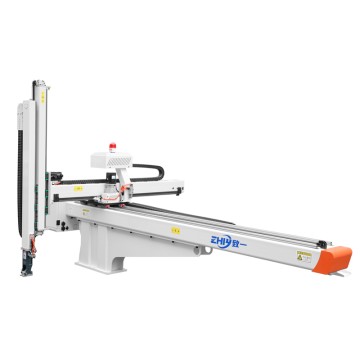
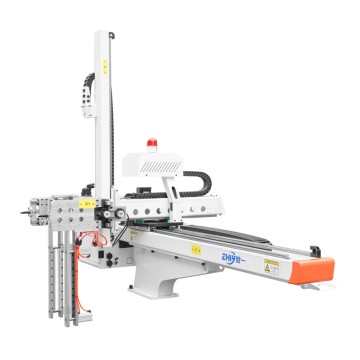
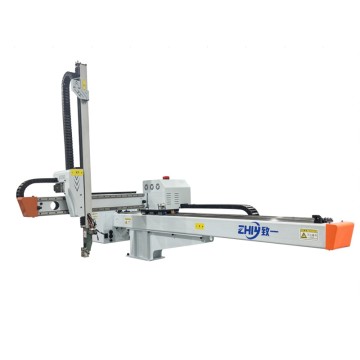
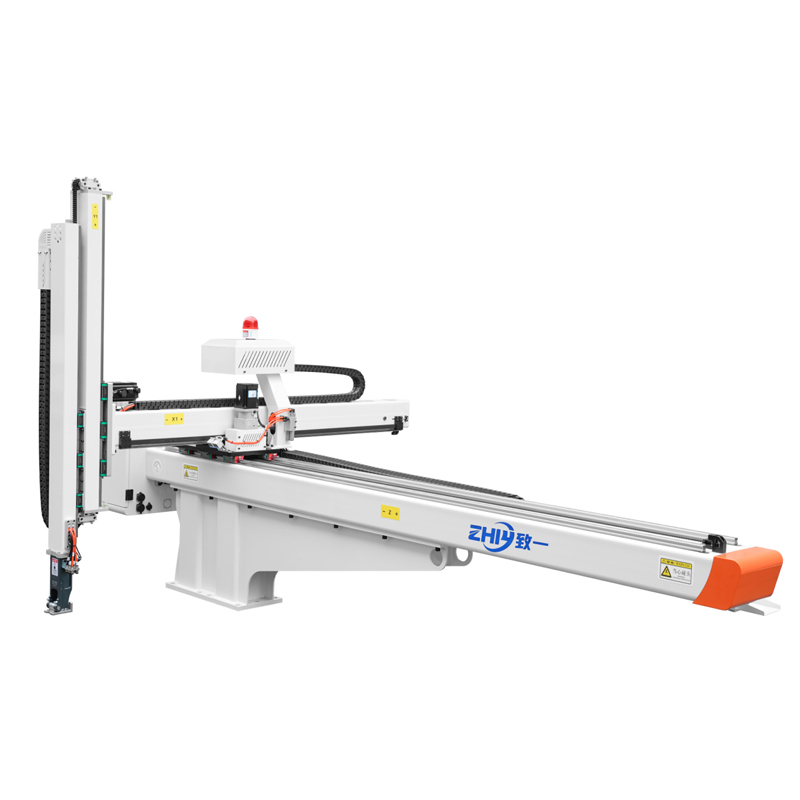
In today's increasingly competitive global injection molding industry, imported three-axis servo robots have become core equipment for improving production automation, reducing operating costs, and transforming into "lights-out factories." For European and American buyers, choosing an imported three-axis servo robot that meets production needs, complies with industry standards, and offers excellent value not only addresses labor shortages but also injects precise and efficient core power into the production line. This article will break down the complete procurement process for imported three-axis servo robots in detail and outline key considerations to help European and American buyers mitigate risks and make accurate selections.
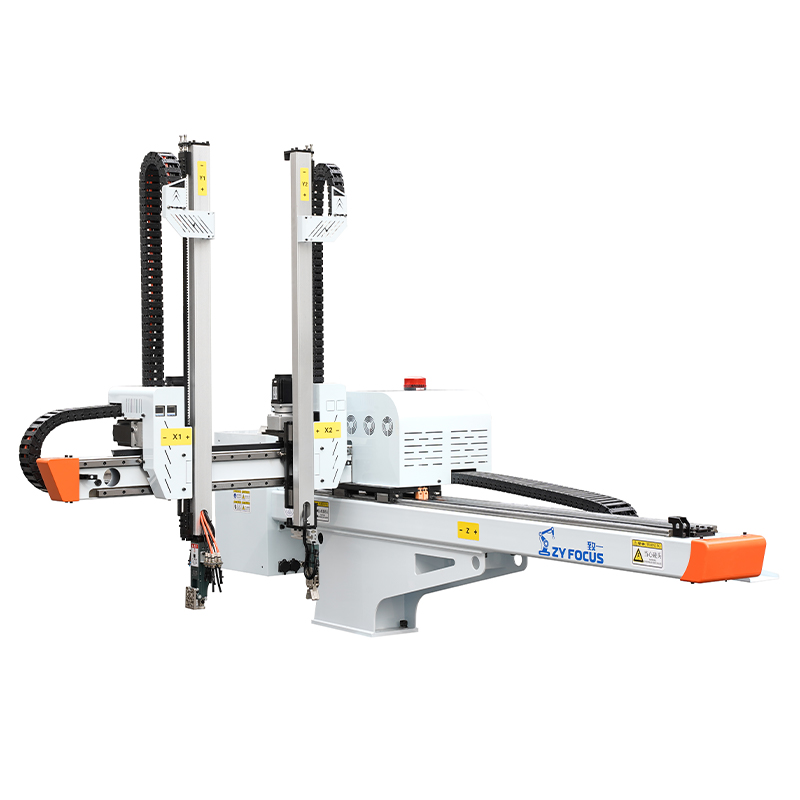
I. Core Procurement Process for Imported Three-Axis Servo Robots (Precise Implementation, Efficient Adaptation)
1. Precise Needs Analysis: Clarifying Core Requirements for Production Scenarios
Pre-procurement needs breakdown is crucial to avoiding resource waste. European and American buyers need to start from actual production needs and focus on the following core dimensions:
Production Parameter Matching: Clarify the weight of the injection-molded product (corresponding to the robot's load requirements, such as a high load of 50kg for complex molds/large products), production cycle time (whether high-speed sorting is required), and Injection Molding Machine model (ensuring robot installation compatibility);
Precision and Efficiency Requirements: Determine the repeatability (industrial grade typically ≤±0.1mm) and operating speed based on the product process, especially for precision injection molding scenarios (such as medical parts, electronic components), where precision indicators need to be strengthened;
Scenario Adaptation Requirements: Does it involve multi-station operations, non-standard customization needs (such as welding/inlay upgrade solutions), and harsh environment adaptability (high temperature, high humidity workshops)?
2. Supplier Selection: Focusing on Compliance and Technological Strength
The European and American markets have stringent requirements for supply chain compliance and technological stability. When selecting suppliers, the following dimensions should be emphasized:
Compliance Certifications: Prioritize brands with international certifications such as CE and ISO9001 (e.g., ZHIYI Intelligent Robots) to ensure products comply with European and American standards such as the EU Machinery Safety Directive (2006/42/EC);
Technological Strength Verification: Verify the supplier's R&D investment (e.g., number of patents, R&D team configuration), project case accumulation (whether there are 500+ similar injection molding industry cooperation cases), and annual production capacity (to ensure delivery stability during bulk purchases);
Customer Reputation and After-Sales Network: Research the supplier's global service capabilities through industry exhibitions, customer reviews, and third-party platforms, paying particular attention to after-sales response speed and spare parts supply efficiency in Europe and America.
3. Product Specification Confirmation: Refining Parameters and Customization Solutions
Consult with suppliers to clarify core product parameters and customization requirements to avoid compatibility issues later:
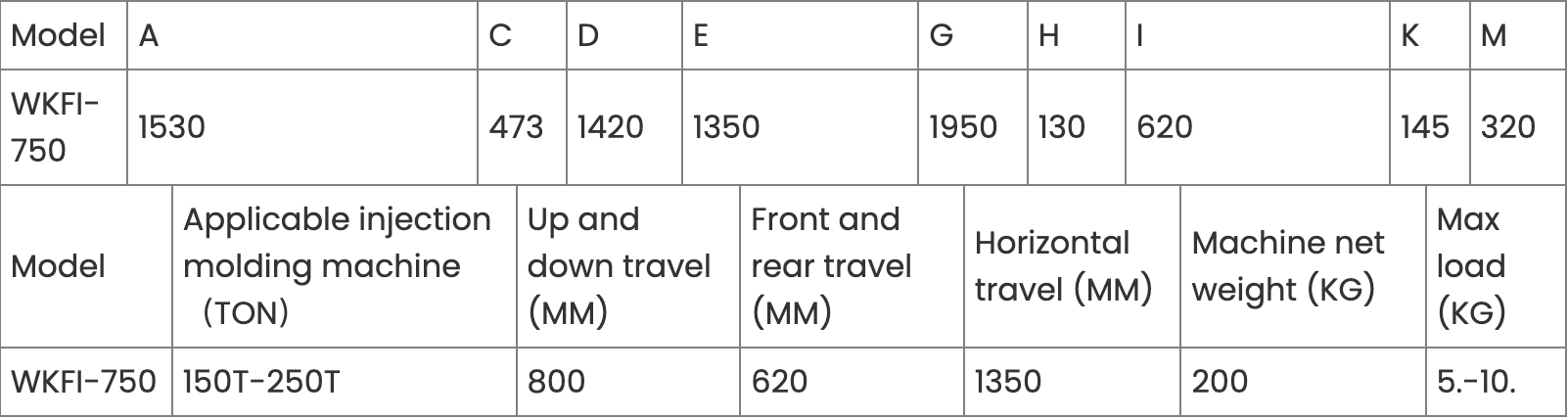
Core Parameter Verification: Confirm load capacity, travel range, servo system brand (e.g., well-known Japanese/European brands), and control system compatibility (support for PLC programming and remote monitoring);
Customization Requirement Communication: If special processes are involved (e.g., intelligent programmable inlay, dual-station operation), request suppliers to provide customized solutions and live demonstrations;
Sample Testing and Verification: For bulk purchase orders, require suppliers to provide samples for at least 1-2 weeks of on-site testing to verify the stability, accuracy, and efficiency of the equipment in actual production scenarios.
4. Contract Negotiation and Clarification of Terms: Mitigating Cross-Border Procurement Risks
Cross-border procurement requires careful attention to contract details, clearly defining the rights and responsibilities of both parties, with a focus on:
Price and Payment Terms: Confirm trade terms such as FOB/CIF, payment methods (letters of credit, installment payment ratios), and exchange rate adjustment mechanisms;
Delivery Cycle and Penalties for Late Delivery: Clarify production cycles, logistics timelines (customs clearance time is typically considered for Europe and the US), and compensation clauses for delayed delivery;
Quality Assurance and Acceptance Standards: Agree on product warranty periods (recommended ≥1 year), acceptance criteria (such as load testing, accuracy testing), and return/exchange procedures for non-conforming products.
5. Logistics, Installation, and Commissioning: Ensuring Seamless Implementation
Logistics Solution Optimization: Select experienced cross-border logistics providers, confirm the completeness of customs clearance documents (CE certification report, certificate of origin, product manuals), and reduce customs clearance risks;
Professional Installation and Commissioning: Require suppliers to provide global technical support, dispatch professional engineers for on-site installation and commissioning, or provide detailed remote guidance solutions;
Personnel Training: Confirm whether the supplier provides operational training (such as equipment programming and daily maintenance) to ensure the production team quickly masters the skills.
6. After-sales Service Confirmation: Ensuring Long-Term Stable Operation
European and American buyers should prioritize the sustainability of after-sales service, focusing on confirming:
Response Time: Does the supplier provide 24-hour global technical support (telephone, email, video conferencing), and the on-site repair cycle for emergency faults?
Spare Parts Supply: Does the supplier have spare parts warehouses in Europe and America, and what is the delivery time for commonly used spare parts?
Regular Maintenance Plan: Does the supplier provide value-added services such as regular inspections and system upgrades to extend the equipment's lifespan?
II. Key Considerations for Purchasing Imported Three-Axis Servo Robots (Risk Mitigation, Choosing the Right Equipment)
1. Prioritize Verifying Product Compliance and Compatibility
Compliance Certifications are Essential: In addition to CE and ISO9001 certifications, confirm that the product complies with European and American electrical safety standards (such as UL and EN standards) to avoid compliance issues affecting customs clearance or production;
Equipment Compatibility Verification: Provide the model and interface parameters of your existing injection molding machine in advance, and confirm with the supplier whether the robot's installation method and control system are compatible to avoid later modification costs.
2. Technical parameters must be "real-world matching," not just "theoretical."
Load and stroke margins: When purchasing, consider the possibility of future product upgrades and select equipment with a load and stroke slightly higher than current needs (e.g., if the current need is 30kg, choose a 50kg load model) to improve equipment reusability.
Repeatability verification: Require suppliers to provide third-party testing reports confirming repeatability ≤ ±0.1mm, meeting the requirements of precision injection molding production.
Operational stability testing: During the sample testing phase, focus on observing the failure rate and noise level (≤75dB is ideal) of the equipment during continuous operation for more than 8 hours to avoid affecting the workshop working environment.
3. Cost accounting must consider both "short-term procurement" and "long-term operation."
Avoid focusing solely on purchase price: Comprehensively calculate the equipment's energy consumption cost (servo system energy efficiency), maintenance cost (spare parts price, repair frequency), and downtime losses (after-sales service response speed).
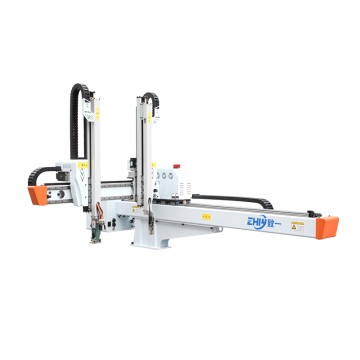
Focus on automation benefits: Prioritize equipment that can reduce labor costs by more than 30% (such as the automation advantages of ZHIYI three-axis Servo Manipulators) to quickly recover investment costs.
4. Supplier Technical Strength is Core to "Long-Term Cooperation"
R&D and Innovation Capabilities: Verify the supplier's number of patents (e.g., utility model patents, frequency of technology upgrades) to ensure equipment adaptability to future production technology iterations;
Project Case Matching: Prioritize suppliers with cooperative cases in the European and American injection molding industry to understand their equipment performance and customer feedback in similar scenarios;
Customization Capabilities: For special production needs (e.g., non-standard inlay, dual-station operations), the supplier must have a rapid-response customized R&D team.
5. After-Sales Service Must Have "Global Coverage"
European and American buyers need to avoid the problem of "no guarantee after purchase," focusing on confirming:
Global Service Network: Whether the supplier has service centers or cooperative service providers in Europe and America to ensure timely on-site repairs;
Spare Parts Supply Timeliness: The delivery cycle for commonly used spare parts should be ≤7 working days to avoid production line downtime due to spare parts shortages;
Technical Support Language: The supplier must provide technical support in English, German, and other commonly used European and American languages to avoid communication barriers.
III. Conclusion: Choosing a Reliable Partner to Unlock New Heights in Automated Production
Purchasing imported three-axis servo robotic arms is not just about selecting equipment, but also about choosing a long-term partner. For European and American buyers, adhering to the principles of "precise demand, compliant suppliers, realistic parameters, and global service" is crucial to procuring high-quality equipment that is suitable for production, reduces costs, and ensures stability.
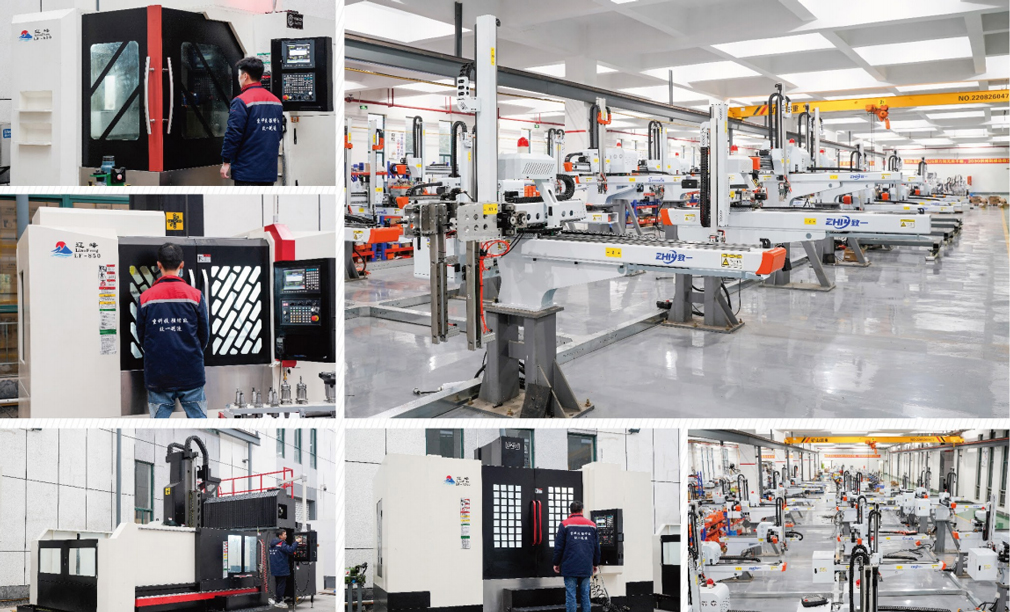
ZHIYI, as a leading company in industrial automation, leverages its ISO9001/CE certification, 500+ global project cases, 2500 units annual production capacity, 13 utility model patents, and 24/7 global technical support to provide European and American buyers with high-load, high-precision, and high-stability three-axis servo robotic arms and customized solutions.
Website:https://www.zhiyirobotics.com/
Email:sales@zhiyirobotics.com