
Leave Your Message
0102030405
How to Import Robot Arm from China?
2026-05-19
How to Import Robot Arm from China? A Complete Guide for Global Buyers
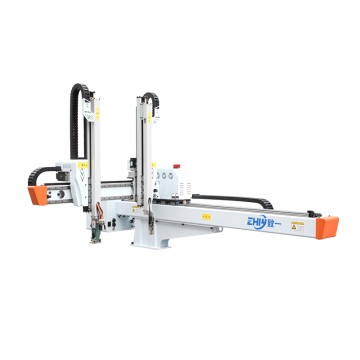
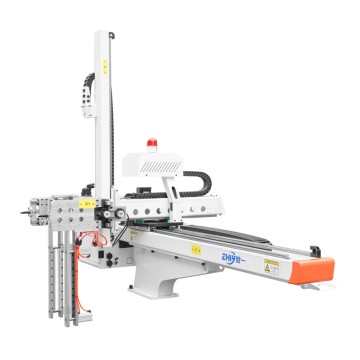
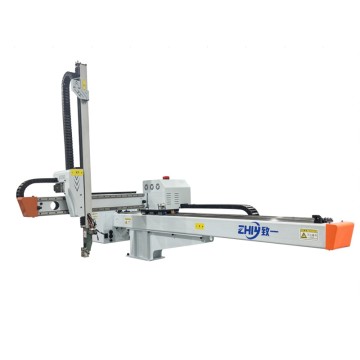
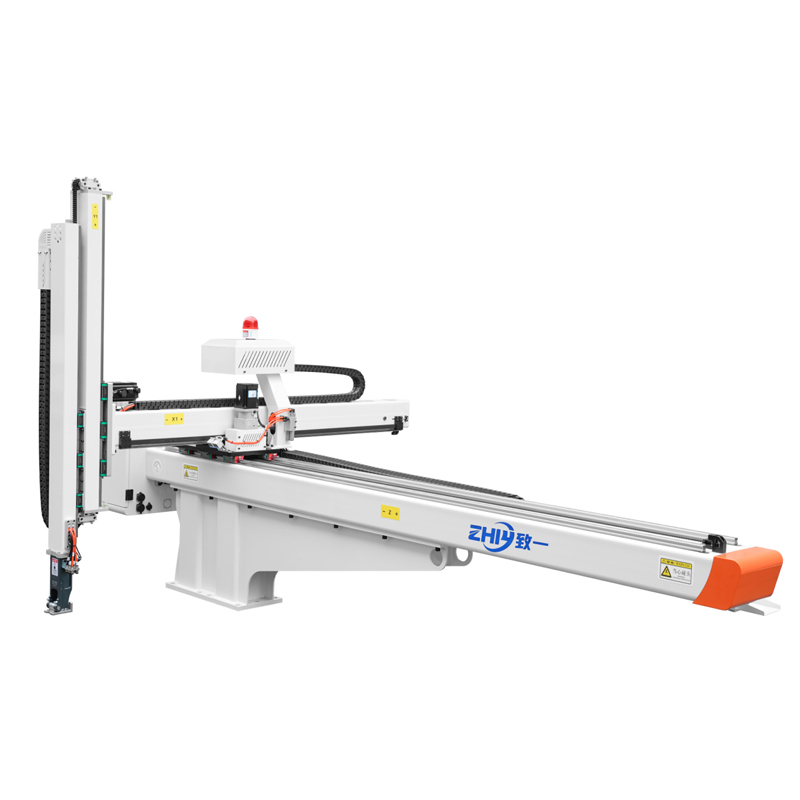
In today’s automated manufacturing landscape, importing a high-quality robotic arm from China has become a practical choice for businesses worldwide. Chinese robotic arms deliver strong performance, reliable stability, and cost efficiency, making them ideal for injection molding, assembly, picking, handling, and other industrial scenarios. This guide walks you through every step of importing A Robot arm from China, helping you avoid risks, save costs, and ensure smooth customs clearance and on-site operation.
Table of Contents
- Why Import Robot Arms from China
- Key Steps to Import a Robot Arm from China
- How to Select the Right Robot Arm for Your Needs
- Customs Clearance, Certification, and Compliance
- Logistics, Shipping, and Delivery Options
- Installation, Commissioning, and After-Sales Support
- Common Mistakes to Avoid When Importing
- Final Tips for a Successful Import Project
Why Import Robot Arms from China
China’s industrial robot industry has developed rapidly in recent years, with mature supply chains, stable production capacity, and continuous technological upgrades. Importing a robot arm from China offers clear advantages:
- Cost-effective: Lower total cost compared with European, American, or Japanese brands while meeting industrial-grade performance requirements.
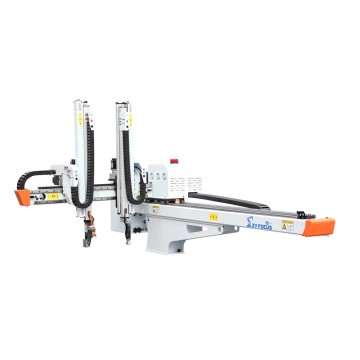
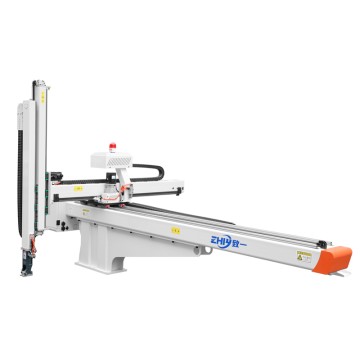
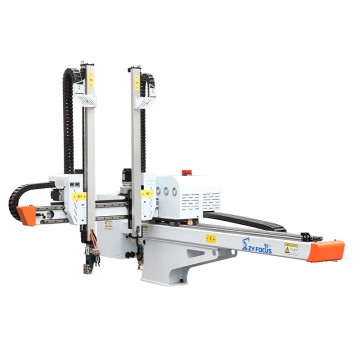
- Diverse models: Available in 3-axis, 5-axis, single-arm, double-arm, high-speed, high-payload, and custom-made versions to match different applications.
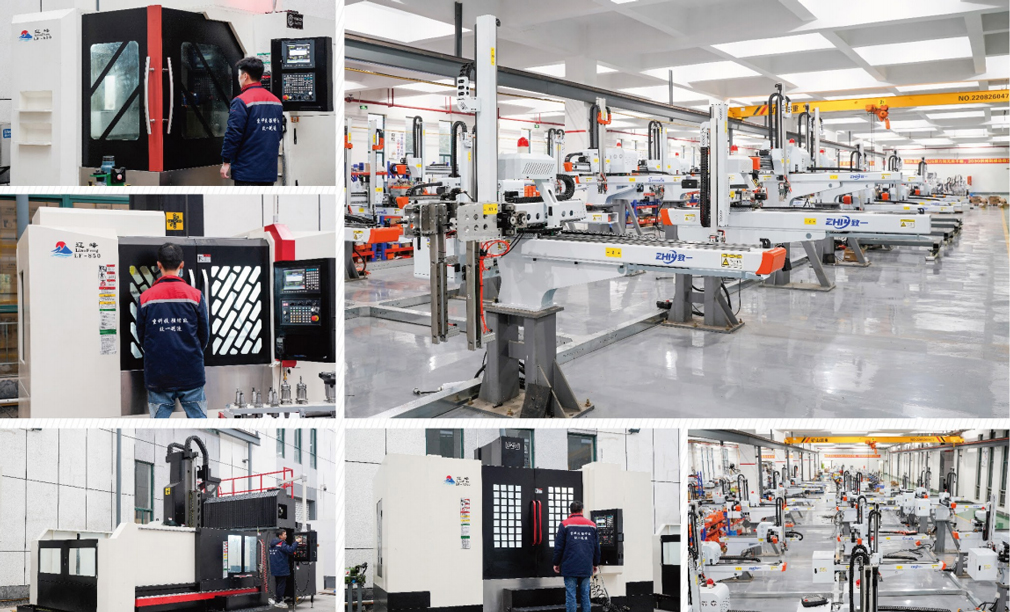
- Stable quality: Most professional manufacturers hold ISO9001, CE, and other international certifications, with strict factory testing before delivery.
- Customization support: Many suppliers provide tailored solutions for welding, inlay, insertion, and automated production lines.
- Short lead times: Mature production lines ensure relatively fast delivery, supporting rapid project launch.
These benefits make Chinese robot arms widely used in injection molding, automotive parts, home appliances, hardware, packaging, and other industries.
Key Steps to Import a Robot Arm from China
A complete importing process includes preparation, supplier selection, negotiation, contract, payment, production, inspection, shipping, customs clearance, and after-sales. Follow these steps for a smooth experience:
- Clarify your requirements Define application, payload, working range, installation space, precision, speed, and supporting equipment to avoid mismatched models.
- Screen qualified suppliers Prioritize manufacturers with complete qualifications, real factory, export experience, and after-sales network. Avoid middlemen without technical support.
- Negotiate details and sign contract Confirm model, parameters, quantity, price, delivery date, payment terms, packaging, certification, warranty, and liability clauses.
- Arrange production and inspection Follow production progress; request photos, videos, or third-party inspection to ensure compliance with standards.
- Arrange shipping and logistics Choose sea freight, air freight, or express delivery based on urgency and volume; prepare packing list, invoice, bill of lading, etc.
- Complete customs clearance Prepare documents such as commercial invoice, packing list, bill of lading, certificate of origin, CE/ISO certification, and declaration form.
- Receive, install, and commission Unpack and check appearance and parts; arrange installation, wiring, programming, and test running.
- Confirm after-sales service Keep warranty documents, operation manuals, and contact channels for maintenance and parts supply.
How to Select the Right Robot Arm for Your Needs
Choosing the correct model directly affects production efficiency and return on investment. Focus on these core factors:
1. Payload Capacity
Select based on the maximum weight of objects to be handled. Common options:
- 3kg–10kg: light assembly, sorting, loading/unloading
- 10kg–50kg: injection molding pickup, medium parts handling
- Above 50kg: heavy mold handling, large product transfer
2. Working Stroke & Structure
- Single-arm single-section: compact, economical, suitable for standard injection machines
- Single-arm double-section: longer stroke, wider working range
- Double-arm: synchronous handling, high efficiency for multi-station tasks
- 3-axis: basic pickup and placement
- 5-axis: flexible for complex angles and postures
3. Speed & Precision
High-speed models improve cycle time; high-precision models suit assembly and insertion. Balance speed and stability based on your process.
4. Application Environment
Consider temperature, dust, humidity, and corrosion. Choose protection level accordingly.
5. Compatibility
Ensure the robot arm matches your Injection Molding Machine, conveyor, assembly line, and control system.
Customs Clearance, Certification, and Compliance
Certification and documentation are critical for smooth customs clearance and legal use.
Required Certifications
- CE certification: mandatory for selling in the European Economic Area (EEA)
- ISO9001: quality management system certification
- Other regional certifications may apply per country requirements
Key Customs Documents
- Commercial invoice
- Packing list
- Bill of lading (sea/air)
- Certificate of origin
- CE declaration & test reports
- Import customs declaration form
HS Code Reference
Industrial robotic arms usually fall under 842890, 847950 or similar codes. Confirm the exact code with your customs broker to avoid tariff errors.
Tips
- Use a professional customs broker familiar with mechanical and electronic products.
- Confirm import tariffs, value-added tax, and inspection rules in your country in advance.
- Keep all electronic and paper documents for traceability.
Logistics, Shipping, and Delivery Options
Choose logistics based on cost, time, and safety:
1. Sea Freight
- Advantages: low cost, suitable for large quantities and heavy machines
- Disadvantages: slow transit time
- Suitable for bulk orders and non-urgent projects
2. Air Freight
- Advantages: fast, secure
- Disadvantages: higher cost
- Suitable for urgent samples, small machines, or tight project schedules
3. Express Delivery (DHL, FedEx, UPS, etc.)
- Advantages: door-to-door, fast, simple
- Disadvantages: limited weight and volume
- Suitable for small parts, controllers, or urgent accessories
Packaging & Protection
- Wooden case or fumigated plywood case
- Shockproof, moisture-proof, and fixed internal structure
- Clear shipping marks, model, quantity, and consignee info
Installation, Commissioning, and After-Sales Support
Even a high-quality robot arm requires proper installation and service.
On-site Preparation
- Prepare power supply, air supply (if pneumatic), and installation foundation
- Keep space for operation and maintenance
- Arrange trained on-site personnel
Commissioning Steps
- Mechanical installation and fixing
- Wiring and pneumatic connection
- System power-on and parameter setting
- Program teaching and path testing
- Joint trial run with production equipment
- Operator training
After-Sales Support
- Warranty period (usually 1 year)
- Online remote support
- Spare parts supply
- On-site service (if agreed)
- Operation and maintenance training
Reliable after-sales ensures long-term stable operation.
Common Mistakes to Avoid When Importing
- Only focusing on price Low price may mean poor quality, no certification, or no after-sales. Prioritize cost performance.
- Ignoring certification and compliance Lack of CE or other certificates may lead to customs seizure or unusable equipment.
- Unclear technical requirements Vague specs cause mismatched models, leading to delays and extra costs.
- Incomplete documents Missing papers cause customs delays and extra fees.
- Ignoring installation and training Improper operation reduces service life and increases failure risk.
- Unclear logistics and Incoterms Ambiguous responsibility leads to extra freight or storage charges.
Final Tips for a Successful Import Project
- Communicate sufficiently with suppliers to confirm all parameters and details.
- Visit the factory or arrange video inspection if possible.
- Sign a formal contract with clear terms.
- Prepare customs and logistics in advance.
- Train your team for operation and maintenance.
- Maintain long-term cooperation for stable supply and support.
Importing a robot arm from China is not complicated with a clear process and reliable partner. It helps you improve automation, lower costs, and enhance competitiveness.