
Leave Your Message
0102030405
How to Choose Robot Arm for Cost Saving
2026-06-01
How to Choose Robot Arm for Cost Saving
Introduction
Investing in a robot arm is one of the most impactful decisions for modern manufacturing, logistics, and assembly operations. Many procurement teams make the mistake of prioritizing the lowest upfront price only to face higher long-term expenses, frequent downtime, and mismatched performance. Cost-effective robot arm selection is never about choosing the cheapest option—it is about balancing initial investment, operational efficiency, maintenance costs, and long-term return on investment.
Whether you run a small production workshop, a mid-sized factory, or a large industrial facility, picking the right robot arm can cut labor costs, reduce material waste, boost production speed, and minimize unexpected operational expenses. This guide breaks down practical, buyer-focused strategies to help you select A Robot arm that maximizes cost savings across its entire service life.
Start with Defining Exact Operational Requirements
Before comparing robot arm models and prices, clarify your core operational needs. Unnecessary over-specification is one of the biggest hidden cost drains for automation buyers. Locking in clear requirements helps you avoid paying for features you will never use.
Task Type Matching
Different jobs demand specific robot arm designs, and mismatched selection leads to wasted budget and low efficiency. Simple pick-and-place, packaging, and material handling work perfectly with entry-level 4-axis or SCARA robot arms. Precision assembly, part fitting, and light welding require flexible 6-axis articulated arms. High-speed sorting and packaging in food or pharmaceutical industries are best served by delta robot arms. Collaborative tasks that require direct human-machine interaction need dedicated collaborative robot arms with built-in safety features.
Key Performance Parameters
Focus on three non-negotiable parameters to avoid overbuying. Payload capacity should match the maximum weight of your parts plus end-effector weight—choosing a payload that is too large raises costs, while an undersized model causes premature wear. Reach should cover your entire working station with a small margin to avoid extra mounting or rail investment. Repeatability must align with your workflow: general handling allows standard precision, while electronic assembly needs high repeatability to cut rework and scrap costs.
Working Environment Conditions
Your production environment directly impacts maintenance costs and robot lifespan. Dusty, oily workshops require robot arms with high IP protection ratings to prevent internal component damage. Humid or washdown environments like food processing need waterproof and corrosion-resistant models. Compact workspaces call for slim, mountable robot arms to save factory layout costs without expanding production area.
Understand Full Lifecycle Cost Instead of Upfront Price
Most buyers only focus on the base price of the robot arm, but the base unit usually accounts for just 40% to 60% of the total system cost. To achieve real cost savings, evaluate the total cost of ownership (TCO) covering every expense from purchase to retirement.
Initial Investment Beyond the Robot Arm
The base robot arm is only the starting cost. You also need to budget for end-effectors, sensors, mounting frames, safety barriers, and system integration and programming. Customized integration for complex tasks can significantly increase overall expenses. Choosing robot arms with plug-and-play accessories and user-friendly programming can greatly reduce integration and setup fees.
Daily Operational Costs
Energy consumption is a long-term recurring expense. Modern energy-efficient servo-driven robot arms consume far less power than outdated models, adding up to substantial savings over years of 24/7 operation. Labor cost reduction is another core benefit: robot arms replace repetitive manual work, cutting ongoing labor wages, benefit packages, and staff turnover costs while maintaining consistent production output.
Maintenance and Repair Expenses
Low-cost generic robot arms often have cheap internal components that require frequent maintenance and part replacement. Premium well-engineered models feature durable mechanical structures with long maintenance cycles, reducing downtime and repair bills. It is wise to choose models with easily replaceable standard parts, as customized exclusive components always come with higher replacement costs and longer lead times.
Pick the Right Robot Arm Type for Budget Efficiency
Each category of robot arm has a clear price range and ideal application scope. Matching the arm type to your task is the simplest way to avoid overspending.
- SCARA Robot Arms: Budget-friendly, priced moderately, ideal for planar pick-and-place and assembly. Perfect for small businesses with basic automation needs to keep costs low.
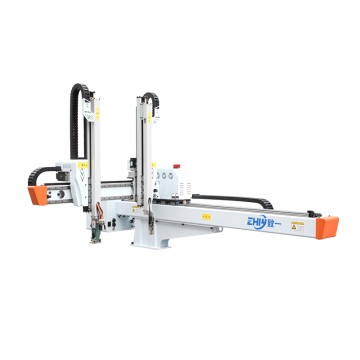
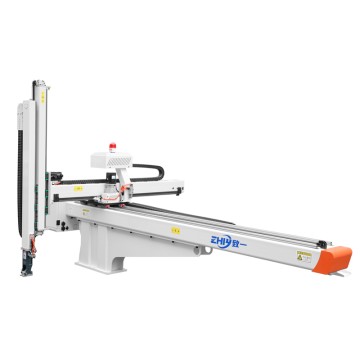
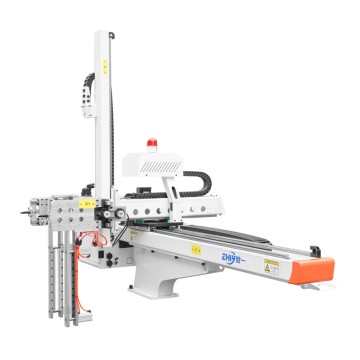
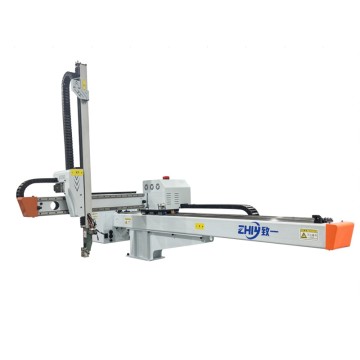
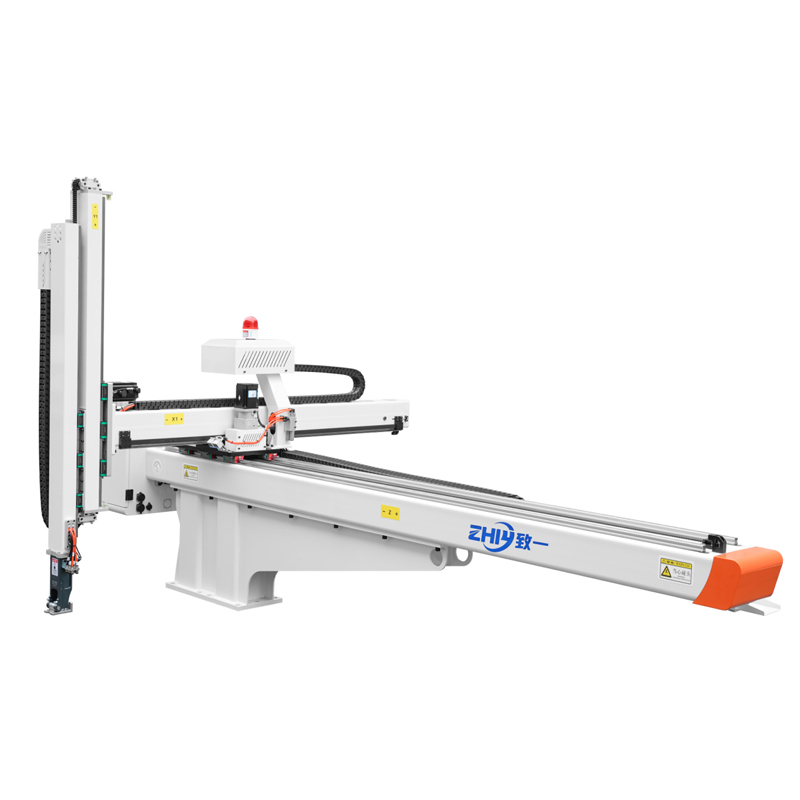
- Cartesian Robot Arms: Lower entry cost, simple structure, easy programming and maintenance. Suitable for linear handling and dispensing tasks, with minimal long-term operational costs.
- Delta Robot Arms: Higher initial price but ultra-high speed for high-volume sorting. Ideal for mass production lines where speed boosts output and unit production costs drop significantly.
- 6-Axis Articulated Robot Arms: Flexible and multi-functional, covering complex tasks like welding, polishing, and multi-angle assembly. One unit can handle multiple workflows, eliminating the need to buy multiple single-purpose devices.
- Collaborative Robot Arms: No need for expensive safety fences, flexible deployment, and quick reprogramming for different tasks. Great for small-batch, flexible production to save layout and reconfiguration costs.
Prioritize Flexibility and Scalability for Future Cost Savings
Production demands always change with market needs. A robot arm that only fits your current workflow will become a financial burden when production lines upgrade. Choosing scalable, flexible models avoids repeated automation investment in the future.
Opt for robot arms with simple reprogramming and quick workflow switching capabilities. These units can adapt to new product specifications without purchasing additional equipment. Select models compatible with mainstream peripheral devices and software systems, so you can upgrade sensors, vision systems, or control software later without replacing the entire robot arm. For growing businesses, modular robot arm designs allow you to expand working range or payload gradually, spreading investment over time instead of paying for overcapacity upfront.
Evaluate Supplier Support to Avoid Hidden Long-Term Costs
A low-price robot arm from a supplier with poor after-sales service often leads to higher hidden costs. Reliable supplier support is a key factor in long-term cost control.
Check the availability of technical support, on-site debugging, and operator training. Sufficient training reduces operational errors and production downtime. Confirm the supply of spare parts: suppliers with local part inventory can shorten repair waiting time and avoid production shutdown losses. Warranty terms also matter—longer standard warranties and affordable extended warranty plans reduce the risk of unexpected repair expenses in the early service years.
Final Tips for Cost-Saving Robot Arm Selection
- Avoid over-specifying parameters; match payload, reach, and precision strictly to actual task needs.
- Calculate total lifecycle cost instead of only comparing initial quotation prices.
- Select the robot arm type based on workflow, not brand popularity or market trends.
- Prioritize energy-efficient and low-maintenance models to cut daily operational expenses.
- Choose flexible, scalable designs to adapt to future production changes and avoid repeated investment.
- Partner with reputable suppliers with complete after-sales support to minimize downtime and repair costs.
Conclusion
Choosing a cost-saving robot arm is a strategic decision, not a simple price comparison. By defining precise operational requirements, calculating total cost of ownership, selecting the right arm type, prioritizing scalability, and verifying supplier support, procurement teams can avoid common pitfalls and pick a robot arm that delivers stable cost reduction and long-term value. The best robot arm is not the most expensive or the most advanced one—it is the one that perfectly fits your workflow, controls all hidden expenses, and brings steady returns for your automation investment.