Leave Your Message
How do servo robots adapt to the changing demands of different production lines?
How do servo robots adapt to the changing demands of different production lines?
Outline
High-Speed Production Features of Servo Robots
High-Precision Control Capabilities of Servo Robots
High Flexibility and Adaptability of Servo Robots
Intelligent and Adaptive Control of Servo Robots
Integrated and Modular Design of Servo Robots
Future Development Trends of Servo Robots
1. High-Speed Production Features of Servo Robots
Servo robots play a vital role in modern industrial production. Their high-speed production capabilities enable them to significantly improve production efficiency. For example, Schuler's ServoLine23 L servo press line can achieve a press speed of 23 presses per minute, making it the fastest press line in the world. This high-speed production not only increases output but also reduces unit costs by shortening production cycle times. Furthermore, high-speed tandem press lines, operating through WAVE coordinated control, enable high-speed workpiece handling between presses, minimizing processing wait times.
2. High-Precision Control Capabilities of Servo Robots
The high-precision control capabilities of servo robots are one of the key factors that enable them to adapt to the demands of diverse production lines. Industries like electronics, automotive, and medical devices demand extremely high product precision. Servo robots enable precise positioning and manipulation, ensuring product quality and accuracy. For example, the INVT DA200 high-performance AC servo system's Robot Control solution offers high control accuracy, robust system stability, and user-friendly operation. Its repeatability reaches ±0.01mm. This high-precision control capability enables servo robots to meet the demands of a wide range of complex production tasks.
3. Servo Robots' High Flexibility and Adaptability
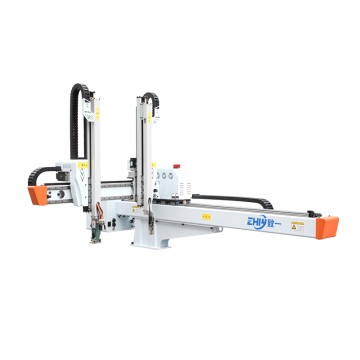
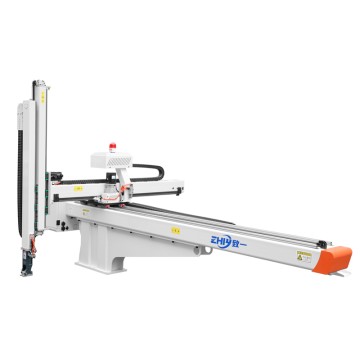
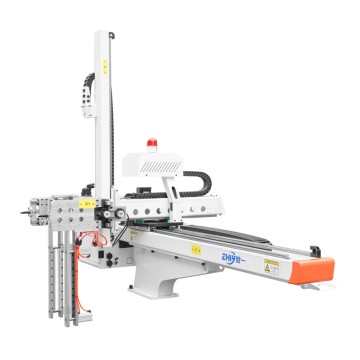
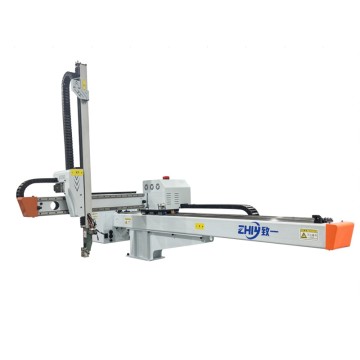
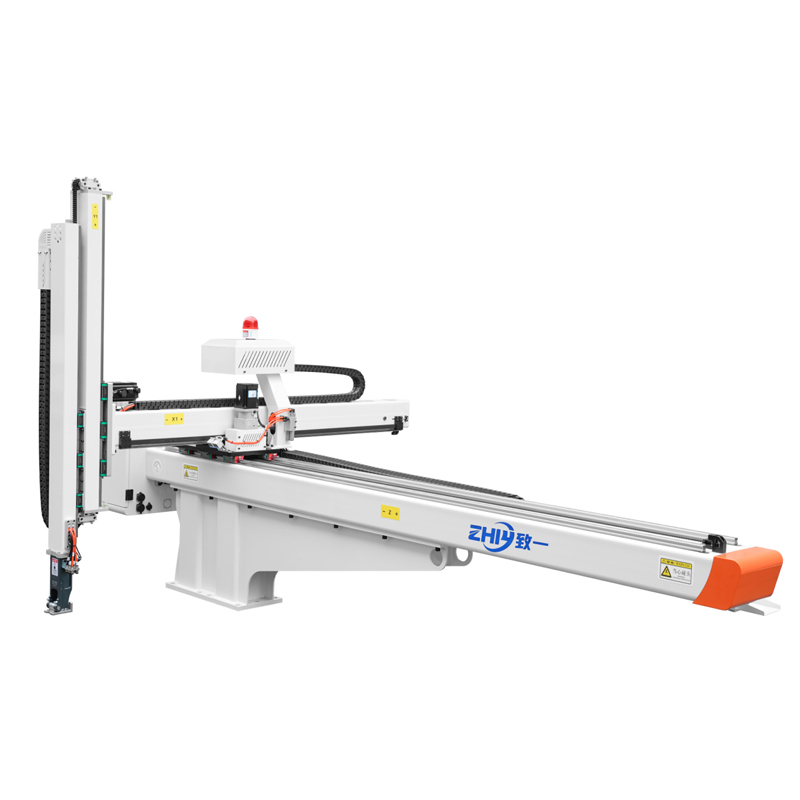
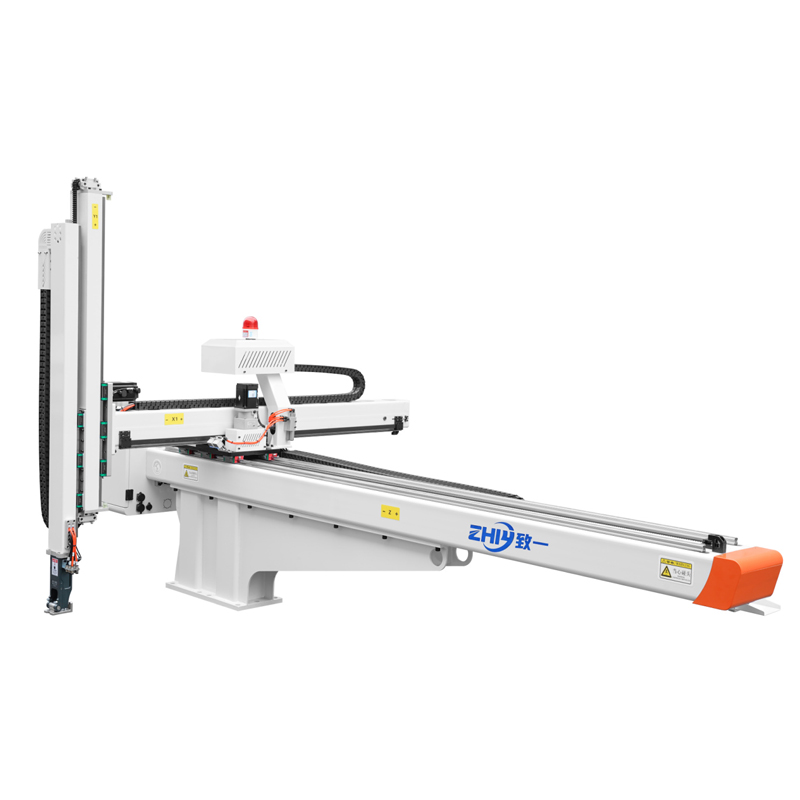
The high flexibility of servo robots enables them to adapt to the changing demands of different production lines. Through programming, servo robots can quickly adjust to varying production requirements, enabling flexible production scheduling and production scheduling. For example, the FLEXLIFT Robot System offers a range of loads and options designed to meet diverse customer needs. Its dynamic vertical axis further reduces mold entry time, and its telescopic design allows it to fit into confined spaces. Furthermore, SCHUNK servo robots can adjust to the size and weight of wheels, ensuring precise positioning and process monitoring.
4. Intelligent and Adaptive Control of Servo Robots
The intelligent and adaptive control capabilities of servo robots enable them to automatically adjust parameters to adapt to changes in the production process. This intelligent servo system achieves self-optimization without human intervention through advanced control algorithms, artificial intelligence, and machine learning technologies. For example, an integrated drive servo system uses machine learning to optimize motion control parameters and adapt to load changes, improving energy efficiency by 15%-20%. This intelligent and adaptive control capability not only improves production efficiency but also reduces operating costs.
5. Integrated and Modular Design of Servo Robots
The integrated and modular design of servo robots is a key strategy for adapting to the needs of diverse production lines. By integrating key components such as servo motors, drives, and controllers, the mechanical design and installation process can be significantly simplified. For example, a servo system with integrated drive and control can effectively improve flexibility, reliability, and performance while reducing costs. This integrated and modular design not only supports on-demand customization and rapid expansion, but also enhances system maintainability.
6. Future Development Trends of Servo Robots
In the future, the development of servo robots will place greater emphasis on intelligence, adaptive control, integrated, and modular design. As technology continues to advance, servo robots will possess higher dynamic response capabilities and faster, more precise positioning capabilities to meet the demands of complex processing and high-speed automated assembly lines. Furthermore, servo robots will incorporate more renewable or biodegradable materials to reduce their environmental impact. Furthermore, with the growing trend toward personalized consumption, servo robots will offer more customized services to meet the needs of diverse applications.