
Leave Your Message
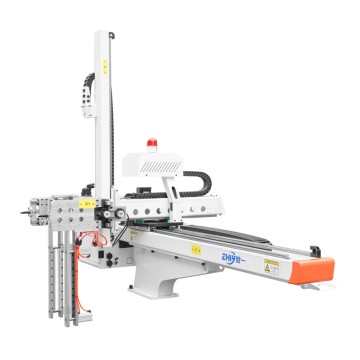
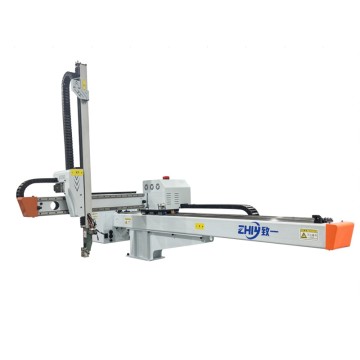
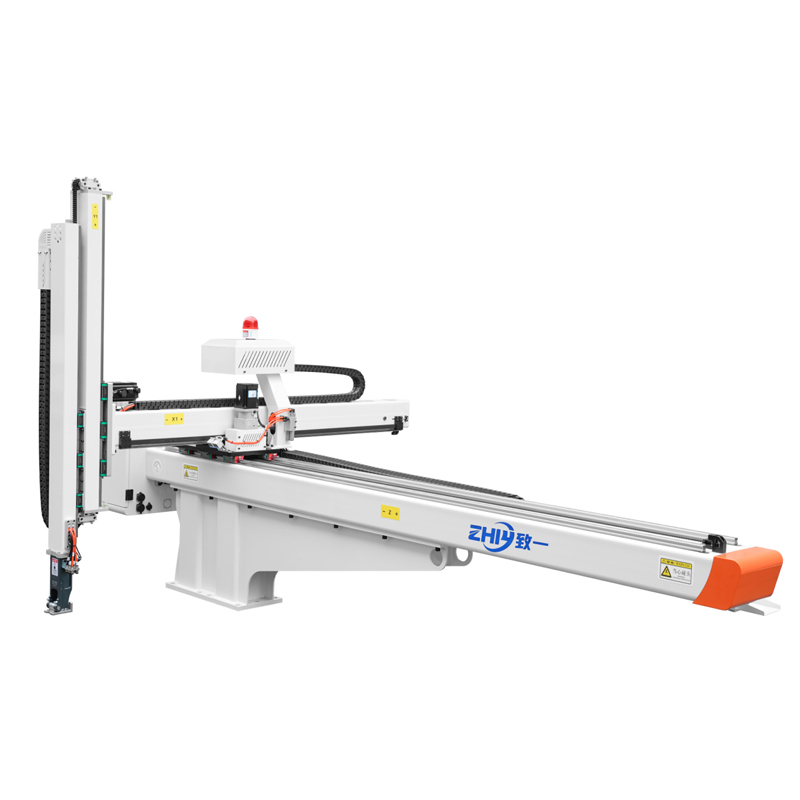
How do servo motors in three-axis robots ensure precision?
How Do Servo Motors in Three-Axis Robots Ensure Precision?
Introduction
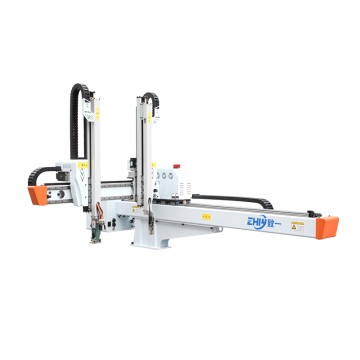
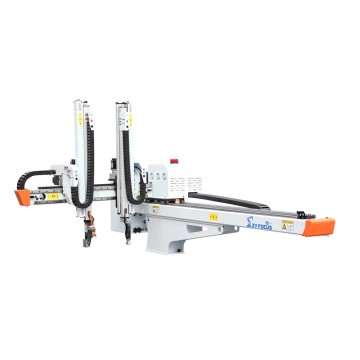
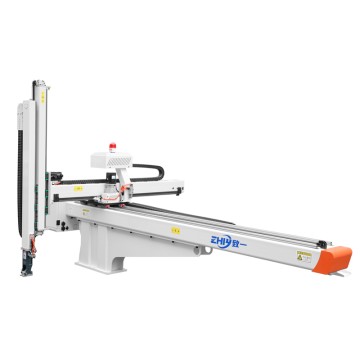
In the realm of industrial automation, precision is paramount. Three-axis robots, driven by servo motors, have become indispensable tools across various industries, from manufacturing and packaging to electronics assembly. These robots are designed to operate along three linear axes—X, Y, and Z—enabling them to move forward and backward, side to side, and up and down. The precision and reliability of these robots are largely attributed to the advanced servo motor technology integrated into their design. This article delves into how servo motors in three-axis robots ensure precision, exploring the underlying mechanisms, control systems, and real-world applications.
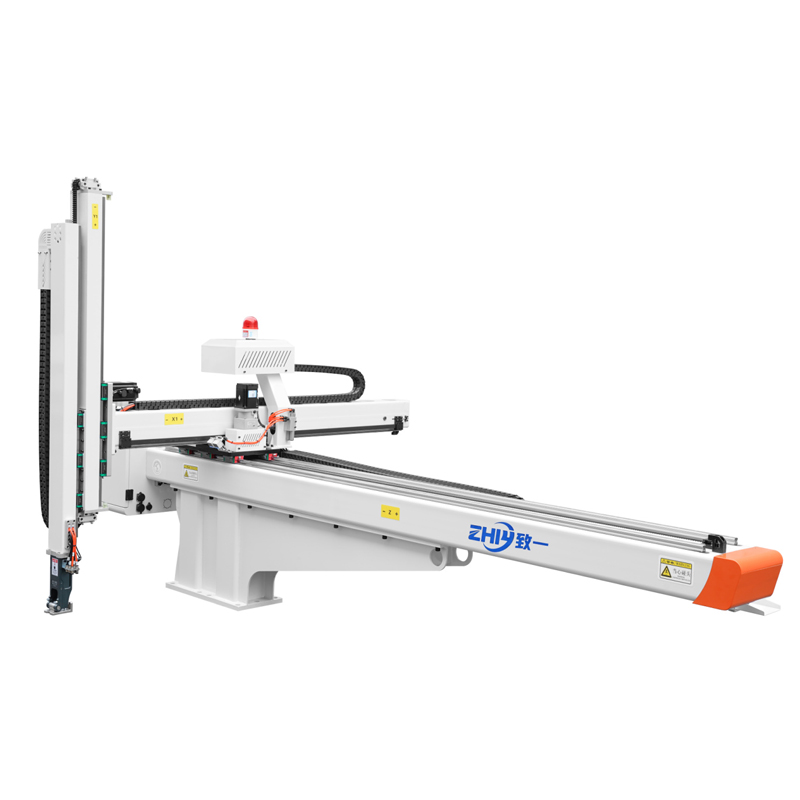
Components of a Three-Axis Servo Robot
To understand how servo motors ensure precision, it's essential to familiarize ourselves with the key components of a three-axis servo robot:
Servo Motors
Servo motors are the heart of the robot's movement. These are brushless DC motors equipped with integrated controllers and built-in encoders for feedback. The encoder provides continuous position feedback, allowing the motor to maintain precise control over its movement. This feedback loop is crucial for achieving the high levels of accuracy required in industrial applications.
Linear Guide Rails
These components facilitate the robot's movement along the three axes. They ensure smooth and precise linear motion, reducing friction and wear, which could otherwise lead to inaccuracies.
Controller Unit
The controller unit acts as the robot's brain. It receives input signals and sends commands to the servo motors, dictating their speed, direction, and position. Advanced controllers can process complex algorithms and real-time feedback, ensuring that the robot's movements are executed with pinpoint accuracy.
Precision Mechanisms in Servo Motors
High-Resolution Encoders
Servo motors in three-axis robots are equipped with high-resolution encoders that provide precise position feedback. These encoders can detect even minute changes in the motor's position, allowing the control system to make real-time adjustments. This level of feedback ensures that the Robot Can maintain accuracy within tight tolerances, even during high-speed operations.
Closed-Loop Control Systems
The use of closed-loop control systems is another key factor in ensuring precision. In a closed-loop system, the encoder provides continuous feedback to the controller, which adjusts the motor's speed and position accordingly. This feedback loop allows the robot to correct any deviations immediately, ensuring that each movement is executed with high accuracy.
PID Controllers
Proportional-Integral-Derivative (PID) controllers are commonly used in servo motor systems to achieve precise control. By adjusting the proportional (P), integral (I), and derivative (D) gains, the controller can fine-tune the motor's response to feedback signals. This allows the robot to maintain a consistent speed and position, minimizing errors and improving overall precision.
Real-World Applications and Benefits
Injection Molding
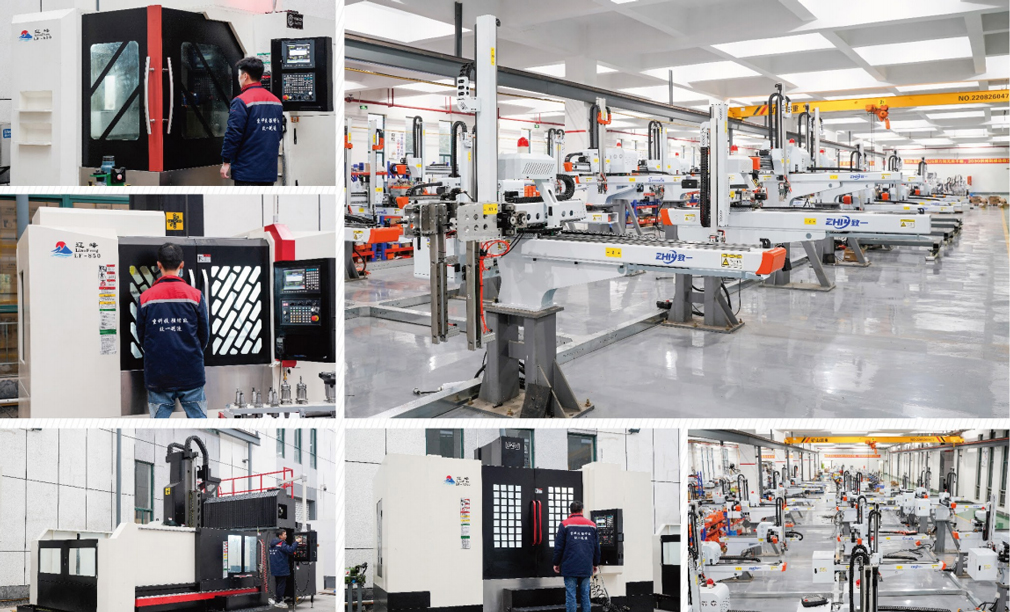
In injection molding operations, three-axis servo robots are used for loading and unloading molds. The precision of these robots ensures that each mold is handled accurately, reducing the risk of defects and increasing production efficiency. The ability to maintain high precision at high speeds is particularly beneficial in this application, as it allows for faster cycle times and higher throughput.
Pick-and-Place Operations
Pick-and-place tasks require high precision to ensure that components are placed accurately on assembly lines. Servo motors in three-axis robots can achieve the required accuracy, making them ideal for these applications. The robots can handle a wide range of components, from small electronic parts to larger items, with consistent precision.
Packaging and Palletizing
Three-axis servo robots are also widely used in packaging and palletizing operations. Their precision and repeatability ensure that products are packaged and stacked accurately, reducing the risk of damage and improving overall efficiency. The robots can handle repetitive tasks with high accuracy, making them a cost-effective solution for these applications.
Advantages of Servo Motors in Three-Axis Robots
High Precision and Repeatability
Servo motors provide high precision and repeatability, ensuring that each movement is executed with high accuracy. This is crucial in applications where even minor deviations can lead to defects or inefficiencies.
Energy Efficiency
Servo motors are more energy-efficient than traditional electric motors. They consume less power, reducing operational costs and making them an attractive option for companies looking to cut production expenses.
Ease of Integration
Three-axis servo robots are relatively easy to integrate into existing production lines. Their straightforward design and control systems make them compatible with a wide range of industrial applications.
Robustness
These robots are built from industrial-grade components that can withstand harsh production environments. Their robust design ensures long-term reliability and minimal downtime.
Conclusion
Servo motors play a crucial role in ensuring the precision of three-axis robots. Through advanced encoder technology, closed-loop control systems, and PID controllers, these robots can achieve high levels of accuracy and repeatability. Their applications in injection molding, pick-and-place operations, and packaging and palletizing demonstrate their versatility and effectiveness in various industrial settings. As industries continue to seek more efficient and precise automation solutions, three-axis servo robots are poised to remain a cornerstone of modern manufacturing.