
Leave Your Message
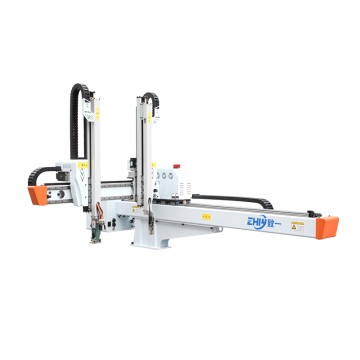
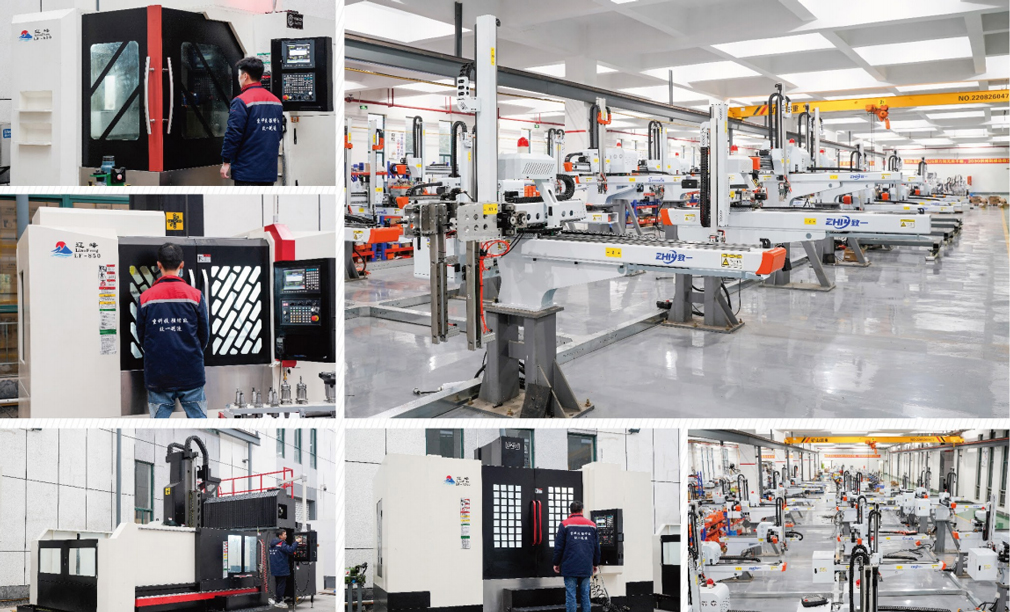
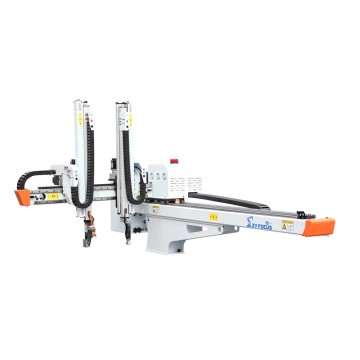
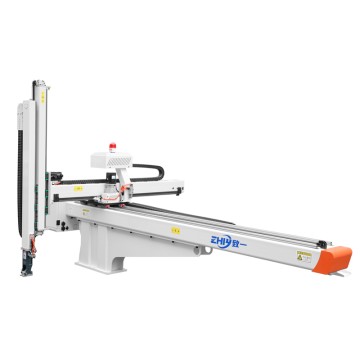
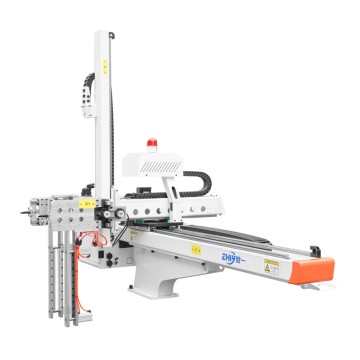
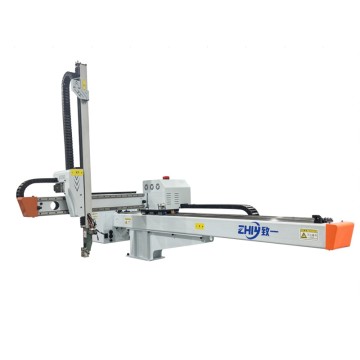
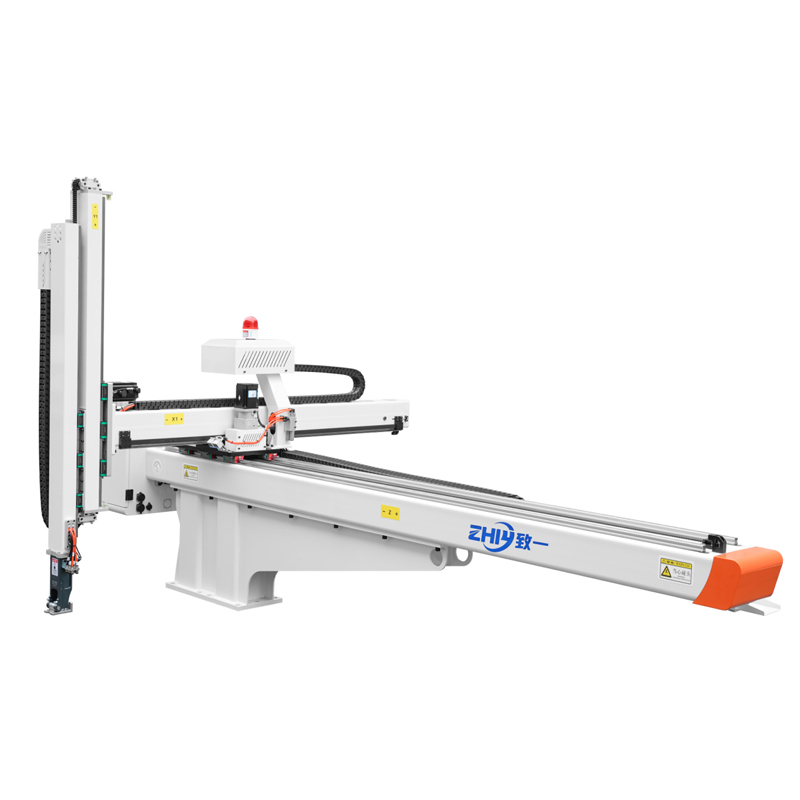
How Are Industrial Robots Built?
How Are Industrial Robots Built? A Comprehensive Guide for Global Wholesale Buyers
Industrial robots have become the backbone of modern
manufacturing, revolutionizing production lines across automotive, electronics, logistics, and countless other sectors. For global wholesale buyers seeking to source these advanced machines, understanding the intricate process of how industrial robots are built is key to making informed purchasing decisions.
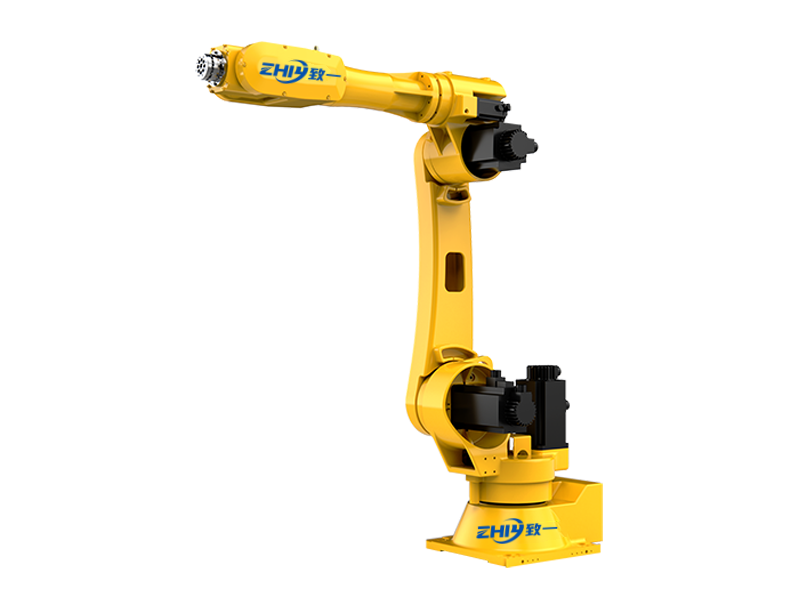
1. Defining Requirements: The Foundation of Robot Design
Before a single component is manufactured, the journey of building An Industrial Robot begins with defining its purpose. Manufacturers collaborate closely with industry experts to identify the specific tasks the robot will perform, such as welding, material handling, assembly, or painting. This step is critical because it dictates every subsequent decision, from size and weight to power source and payload capacity.
Key parameters established at this stage include:
Payload capacity: The maximum weight the robot can lift or manipulate (ranging from a few kilograms for delicate electronics assembly to several tons for automotive welding).
Reach: The distance the robot’s arm or end-effector can extend, ensuring it can access all necessary areas in a workspace.
Speed and precision: For applications like microchip assembly, precision measured in microns is non-negotiable; for palletizing, speed may take priority.
Environmental resilience: Will the robot operate in dusty factories, humid warehouses, or clean rooms? This determines materials and protective coatings.
Integration capabilities: Compatibility with existing machinery, software systems (e.g., ERP or MES), and communication protocols (like OPC UA or Ethernet/IP) is vital for seamless workflow integration.
For wholesale buyers, this phase highlights why customization is often a cornerstone of industrial robot procurement. A robot built for the automotive industry will differ drastically from one designed for food packaging, and understanding these tailored requirements ensures you source robots that align with your clients’ operational needs.
2. Engineering Design: Merging Mechanics, Electronics, and Software
Once requirements are finalized, the design phase transforms concepts into technical blueprints. This multidisciplinary process involves three core teams working in tandem: mechanical engineers, electrical engineers, and software developers.
Mechanical Design: Building the Robot’s “Body”
Mechanical engineers focus on the robot’s physical structure, including:
Joints and actuators: These enable movement. Servo motors are common for precise control, while hydraulic or pneumatic actuators are used for heavy-duty applications.
Linkages and frames: Typically made from aluminum alloys, steel, or carbon fiber for a balance of strength and lightweight performance.
End-effectors: Tools like grippers, welders, or sensors that interact directly with products. These are often custom-designed for specific tasks (e.g., vacuum grippers for glass panels or magnetic grippers for metal parts).
Using computer-aided design (CAD) software, engineers create 3D models to simulate motion, test stress points, and optimize weight distribution. Finite Element Analysis (FEA) is employed to ensure the structure can withstand repeated use without deformation—critical for ensuring a robot’s 10,000+ hour operational lifespan.
Electrical Design: Powering the Robot’s “Nervous System”
Electrical engineers design the wiring, circuit boards, and power systems that bring the robot to life. Key components include:
Control modules: The robot’s “brain,” which processes commands and sends signals to actuators. Modern robots use microprocessors or programmable logic controllers (PLCs) for real-time decision-making.
Sensors: Encoders track joint position, while vision systems (cameras, LiDAR) enable the robot to “see” and adapt to its environment (e.g., identifying misaligned parts on a conveyor belt).
Power supply: Most industrial robots run on 220V or 380V AC power, with backup batteries for emergency shutdowns. Energy efficiency is a growing focus, with regenerative braking systems recycling energy during deceleration.
Software Development: Programming the Robot’s “Intelligence”
Software is what turns a mechanical structure into an autonomous machine. Developers write code for:
Motion control: Algorithms that calculate the optimal path for the robot’s arm to avoid collisions and minimize cycle time.
User interfaces (UIs): Touchscreens or software dashboards that allow operators to program tasks, adjust settings, or monitor performance.
Connectivity: Integration with IoT platforms for remote monitoring, predictive maintenance alerts, and data analytics (e.g., tracking how often a robot performs a task to optimize production schedules).
Programming can be done via teach pendants (manual guidance for simple tasks) or offline programming software (simulating tasks on a computer to avoid disrupting production). Advanced robots may also use machine learning to adapt to new scenarios over time—for example, improving grip strength based on feedback from sensors.
3. Manufacturing and Assembly: Precision in Every Component
With designs finalized, production shifts to manufacturing and assembly—where precision is measured in fractions of a millimeter.
Component Manufacturing
Key components like motors, gears, and circuit boards are either produced in-house or sourced from specialized suppliers. For critical parts (e.g., high-torque motors), manufacturers often partner with industry leaders to ensure reliability. For example, a robot’s gearbox must handle continuous motion without slipping, so materials like hardened steel are used, and tolerances are held to ±0.001mm.
3D printing is increasingly used for prototyping custom parts or low-volume production, allowing for rapid iteration. However, mass-produced components still rely on CNC machining, injection molding, and stamping for consistency and cost-effectiveness.
Assembly Line: Putting It All Together
Assembly is a highly structured process, often performed in cleanrooms to prevent dust or debris from interfering with sensitive electronics. Technicians follow detailed workflows:
Frame assembly: The robot’s base and main structure are bolted together, with precision alignment tools ensuring joints are perfectly positioned.
Actuator installation: Motors, gears, and hydraulic/pneumatic lines are integrated into the frame, with torque wrenches used to ensure bolts are tightened to exact specifications.
Wiring and electronics: Circuit boards, sensors, and control modules are connected, with automated testing to verify electrical continuity.
End-effector attachment: The task-specific tool is mounted, and its alignment is calibrated to ensure accuracy.
At each step, quality checks are performed. For example, a robot’s arm may be tested for smooth motion across its full range, with sensors detecting any friction or misalignment that could affect performance.
4. Testing and Calibration: Ensuring Reliability in Real-World Conditions
No industrial robot leaves the factory without rigorous testing—a phase that ensures it meets safety standards, performance benchmarks, and durability requirements.
Performance Testing
Cycle time validation: The robot is programmed to perform a repetitive task (e.g., picking and placing parts) to verify it meets speed targets without sacrificing precision.
Payload testing: Gradually increasing weights are applied to the end-effector to ensure the robot can handle its rated capacity without strain.
Accuracy checks: Using laser trackers or coordinate measuring machines (CMMs), technicians measure how closely the robot’s movements match its programmed path. For precision robots, deviations must be less than 0.1mm.
Safety and Compliance
Industrial robots must adhere to global standards, such as ISO 10218 (for robot safety) and CE marking (for the European market). Testing includes:
Emergency stops: Verifying that the robot halts immediately when the E-stop button is pressed.
Collision detection: Ensuring the robot slows or stops if it encounters an unexpected obstacle (e.g., a human worker).
Electrical safety: Inspecting insulation, grounding, and protection against short circuits to prevent fires or shocks.
Calibration
Even minor variations in manufacturing can affect performance, so robots are calibrated to fine-tune their behavior. This may involve adjusting motor gains, sensor offsets, or software parameters to ensure consistent operation across different environments (e.g., temperature changes that affect metal expansion).
5. Quality Control and Certification: Meeting Global Standards
For wholesale buyers supplying international markets, certification is non-negotiable. Reputable manufacturers invest heavily in quality management systems (QMS) like ISO 9001 to standardize processes.
Each robot undergoes:
Documentation review: Ensuring all test reports, material certificates, and compliance documents are in order.
Final inspection: A comprehensive check of 外观 (cosmetics), functionality, and packaging to ensure the robot arrives in perfect condition.
Certification labeling: Affixing marks like CE, UL, or RoHS to indicate compliance with regional regulations.
6. Packaging and Logistics: Delivering Robots Safely Worldwide
Industrial robots are large, heavy, and delicate—making packaging and shipping a critical final step. Manufacturers use:
Custom crates: Reinforced wooden or steel crates with foam padding to protect against impacts during transit.
Humidity and temperature control: Desiccants or climate-controlled containers for robots shipping to extreme environments.
Shipping documentation: Detailed instructions for unpacking, installation, and initial setup to streamline on-site deployment for your clients.
Why This Matters for Wholesale Buyers
Understanding how industrial robots are built empowers you to:
Evaluate quality: Ask manufacturers about their testing protocols, component suppliers, and compliance certifications to ensure you’re sourcing reliable machines.
Customize effectively: Work with suppliers to adjust payload, reach, or software features to match your clients’ unique needs.
Educate your customers: Explain the engineering behind the robots to highlight their durability, precision, and long-term value—strengthening your position as a trusted partner.
Industrial robots are marvels of engineering, blending mechanics, electronics, and software to drive efficiency in factories worldwide. From the initial design phase to the final shipment, every step is guided by a commitment to performance, safety, and reliability. As a wholesale buyer, this knowledge ensures you can source robots that not only meet but exceed the expectations of your global clients—powering their production lines for years to come.