
Leave Your Message
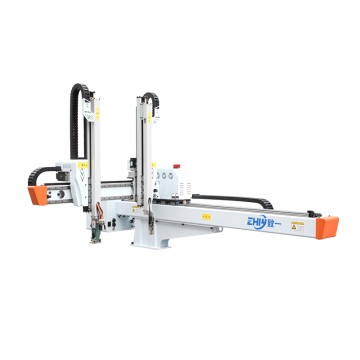
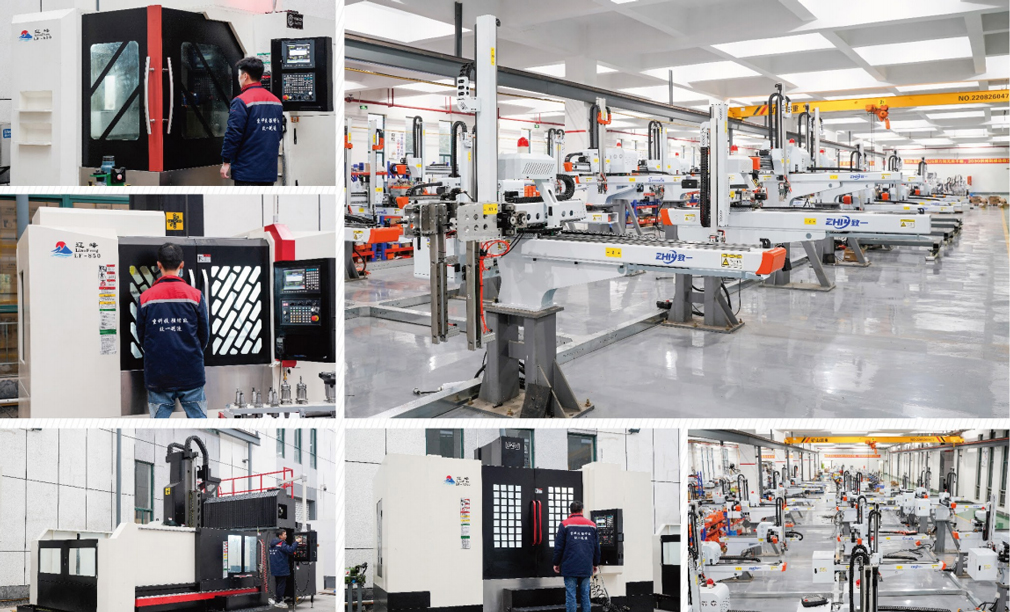
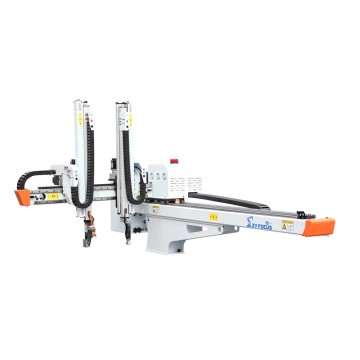
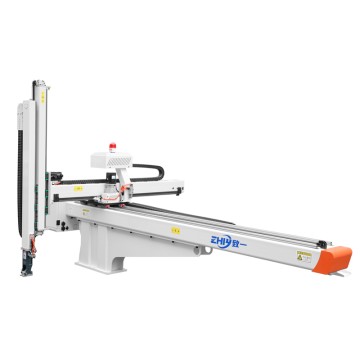
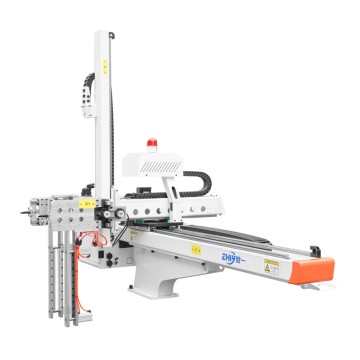
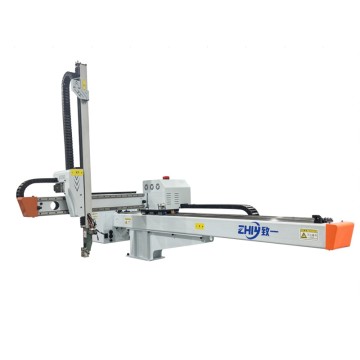
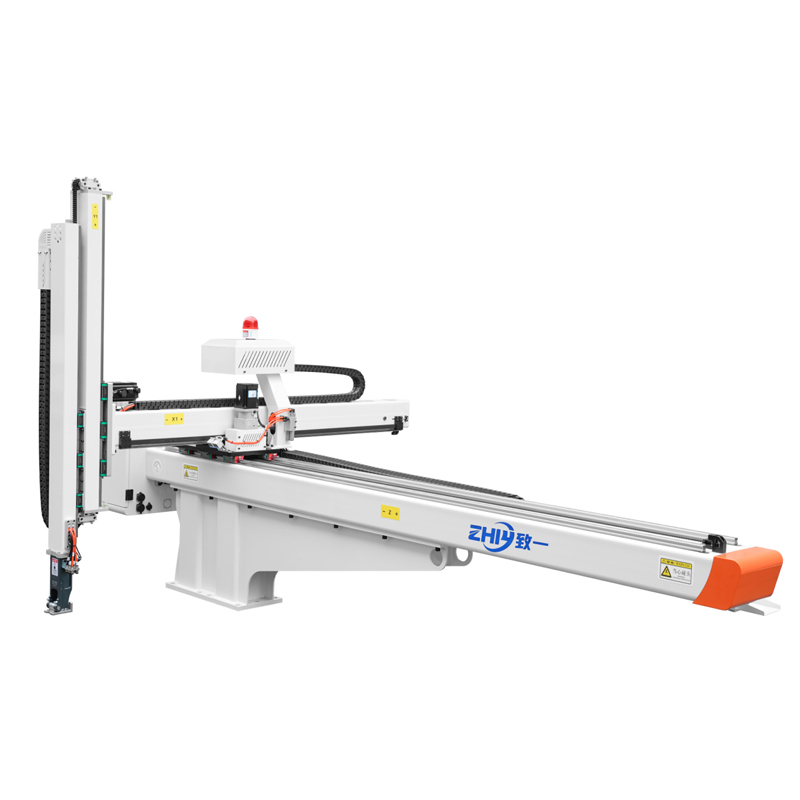
High-speed operation efficiency: The highlight of three-axis servo robots that lead the industry
High-speed operation efficiency: The highlight of three-axis servo robots that lead the industry
Amid the global manufacturing industry's shift toward greater efficiency and intelligence, international wholesale buyers are increasingly demanding a clear core value from production equipment: efficiency is the key to competitiveness. As the "core executor" of automated production lines, the operating speed of three-axis servo robots directly determines the production capacity ceiling of the entire line. Compared to similar products, leading brands' three-axis servo robots offer an insurmountable technical barrier in high-speed operation efficiency, making them the preferred choice for global buyers seeking to reduce costs and increase production capacity.
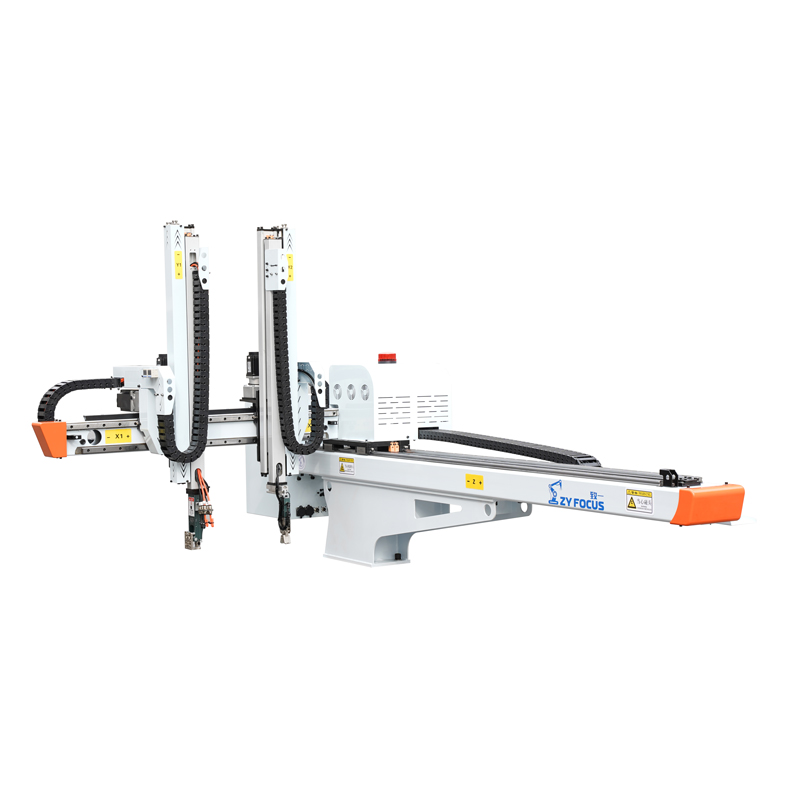
I. The Core of Efficiency Breakthrough: Three Technology Systems Build the Foundation for Speed
The high-speed operation capability of three-axis servo robots is not the result of a single component upgrade, but rather the product of a deep synergy between three core technology systems: drive system, structural design, and control algorithms. This is the fundamental reason for their superiority over competitors.
1. Servo Drive System: The "Power Heart" with Millisecond-Level Response
Traditional robots commonly suffer from drive delays and unstable power output. However, leading three-axis servo robots utilize a golden combination of imported high-precision servo motors and high-rigidity ball screws, addressing speed bottlenecks at the source. The servo motor's response frequency can reach over 2kHz, meaning the delay from command reception to start of operation is only 0.5 milliseconds, 30% faster than the industry average. Combined with a ball screw with adjustable preload, the transmission efficiency reaches 95%, far exceeding the 40%-60% of a lead screw. This enables faster linear speeds under the same load—no-load speeds of up to 1.5m/s on the X/Y axes and 1.2m/s on the Z axis, with acceleration times of just 0.1 seconds.
Further notably, the drive system features dynamic load adaptation. When the robot grips workpieces of varying weights, the servo controller adjusts current output in real time, avoiding the problem of wasted power with light loads and a sudden speed drop with heavy loads. This ensures high-speed operation across a load range of 0.5-5kg, a crucial feature in multi-product production scenarios.
2. Lightweight Structural Design: The "Speed Code" for Reducing Energy Consumption
High-speed operation is often accompanied by greater inertial impact. This leading three-axis servo robot achieves a perfect balance of lightweight and high rigidity through the use of aircraft-grade aluminum alloy and topologically optimized structural design. The robot's core structural components, such as the crossbeam and slide, are constructed from aircraft-grade 6061-T6 aluminum alloy, which reduces weight by 40% while increasing bending strength by 25% compared to traditional cast iron. Combined with a hollow structure optimized through finite element analysis, this further reduces inertia and reduces impact loads during high-speed starts and stops by 30%. This not only extends the life of the equipment but also increases the maximum operating speed by 20% compared to similar cast iron models.
Furthermore, the integrated design of the guide rails and slides reduces play and achieves a repeatability accuracy of ±0.02mm, ensuring accurate positioning during high-speed operation and preventing production losses due to misalignment.
3. Intelligent Control Algorithm: The "Efficiency Brain" of Precision Control
If the drive system is the "power heart," then the intelligent control algorithm is the "efficiency brain" of the three-axis servo robot. This leading brand's independently developed multi-axis linkage control algorithm enables seamless coordination of X, Y, and Z axis motion, eliminating the time wasted by traditional algorithms requiring "single-axis waiting." For example, in a complete pick-and-place process, the algorithm pre-plans the motion trajectory, allowing the Z axis to descend and grasp while the X/Y axes simultaneously initiate translation, reducing overall process time by 15%-20%.
Furthermore, the algorithm features adaptive trajectory optimization: based on real-time production data such as workpiece weight and transport distance, it automatically adjusts motion speed and acceleration profiles to maximize efficiency while ensuring smooth operation. Combined with a visual user interface, buyers can quickly configure parameters based on production needs, achieving "one-click optimization" and unleashing the device's high-speed performance without the need for specialized programming.
II. Data Speaks: The Real Value Upgrade Brought by High-Speed Efficiency
For buyers, the "high speed" of equipment ultimately translates into the practical value of "high productivity" and "low costs." The following three sets of core data clearly demonstrate the efficiency advantages of leading three-axis servo robots:
1. Productivity Improvement: Output per Unit Time Increased by Over 30%
Take the example of handling mobile phone cases in the 3C industry. A traditional three-axis robot completes a "grasp-transfer-place" cycle of approximately 1.2 seconds, while a leading three-axis servo Robot Can reduce this cycle to less than 0.8 seconds. Based on 24-hour continuous operation, the daily handling capacity of a single machine has increased from 72,000 to 108,000 pieces, a direct 50% increase in production capacity. Even in heavy-duty scenarios such as handling 3kg loads (such as automotive parts), the machine's single cycle time is kept under 1.0 second, 30% faster than the industry average. A single machine can process over 1 million additional workpieces annually.
2. Cost Reduction: Overall operating costs decreased by 25%
Higher operating efficiency not only increases production capacity but also directly reduces unit production costs. On the one hand, the increased operating speed of the equipment means that the number of devices required for the same production capacity is reduced. For example, a factory that originally required 10 traditional robots to meet daily production requirements would only need 7 after switching to the leading-edge equipment, directly reducing equipment procurement costs by 30%. Furthermore, the combination of lightweight design and intelligent algorithms reduces the equipment's unit energy consumption by 20%. Assuming each device has a power of 2.5kW and operates 300 days per year, this saves approximately 4,800 yuan in electricity costs per year (based on the industrial electricity price of 1 yuan per kilowatt-hour).
Furthermore, the equipment's highly rigid structure and intelligent protection algorithms reduce the failure rate by 40%, reducing annual maintenance costs by over 12,000 yuan, further reducing overall operating costs.
3. Expanded Adaptability: Covering More Demanding Scenarios
The leading high-speed performance of the three-axis servo robot transcends the limitations of traditional applications and makes it adaptable to a wider range of high-paced production scenarios. In the food packaging industry, this equipment can achieve high-speed gripping and packaging at 80 times per minute, meeting the mass production needs of fast-moving consumer goods such as snacks and beverages. In the photovoltaic industry, addressing the thin and brittle nature of silicon wafers, the equipment operates at high speed and stability, achieving a wafer handling rate of 60 wafers per minute, with a breakage rate below 0.01%, far exceeding the industry average of 0.05%. This wide range of adaptability allows international wholesale buyers to sell the equipment to multiple industries, broadening their market reach.
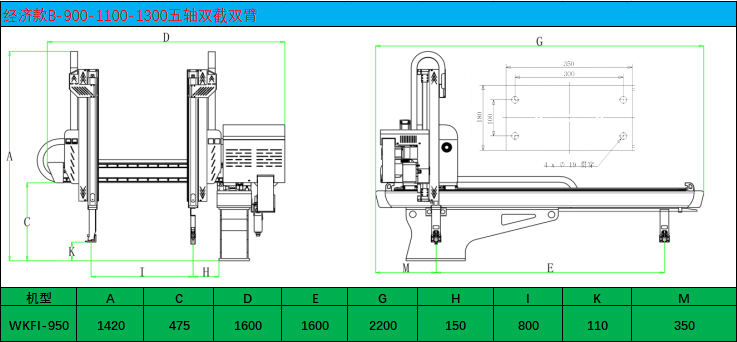
III. Buyer's Perspective: Why Choose a High-Speed, Efficient Three-Axis Servo Robot?
For buyers, choosing equipment is more than just buying a tool; it's about building competitive supply chain competitiveness. Leading three-axis servo robots, with their high efficiency, offer buyers three core benefits:
1. Enhancing Customer Retention: Helping Downstream Companies Address Production Capacity Pain Points
Downstream manufacturing companies' core focus is increasing production capacity and seizing market share, and the high-speed three-axis servo robots provided by buyers precisely address this pain point. For example, after purchasing 10 leading-edge equipment, a Southeast Asian electronics OEM increased production line capacity by 40%, successfully securing a large order from an international brand. This "equipment-enabled capacity" effect has made the purchaser a core supply chain partner for downstream companies, increasing customer repurchase rates by over 50%.
2. Cultivating Differentiated Competitive Advantages: Standing Out in a Homogeneous Market
The current three-axis servo Robot Market is highly competitive, with most products converging on basic functionality. High speed and efficiency have become the most intuitive differentiating advantage. When expanding into the market, buyers can quickly impress customers with concrete data such as capacity comparison tests and cost accounting reports, shortening closing cycles by 20% compared to similar buyers and increasing market share by 15%.
3. Reducing Service Costs: High reliability reduces after-sales pressure.
Leading three-axis servo robots are not only fast, but also, due to their mature technology and stable structure, have a failure rate far below the industry average. For international buyers, cross-regional after-sales maintenance costs are extremely high. However, the low failure rate of equipment can reduce after-sales response times by 40%, not only reducing labor and logistics costs but also safeguarding brand reputation and laying the foundation for long-term partnerships.
Conclusion: Winning the Global Market with High-Speed Efficiency
In today's increasingly fierce "efficiency race" in the manufacturing industry, the high-speed operation capability of three-axis servo robots is no longer just a "nice-to-have" but a "must-have." Leading brands have achieved triple technological breakthroughs in drive systems, structural design, and control algorithms, translating high-speed efficiency into tangible value for buyers: increased production capacity, reduced costs, and enhanced competitiveness.