
Leave Your Message
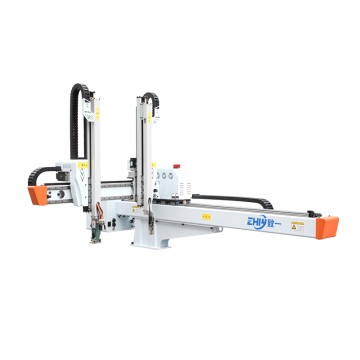
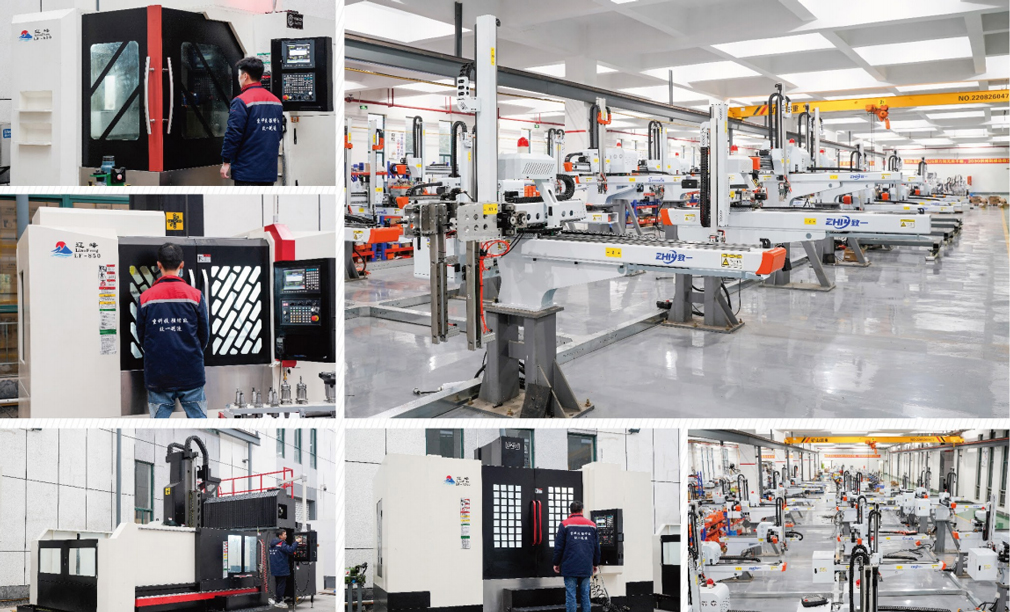
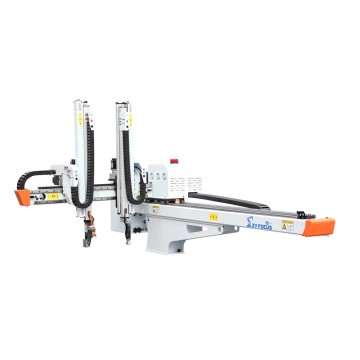
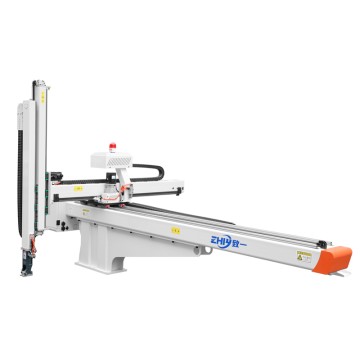
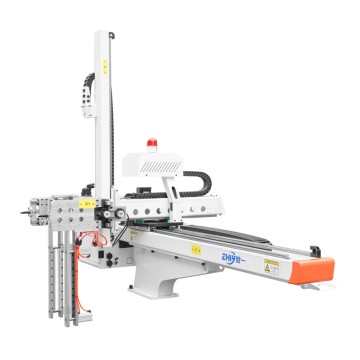
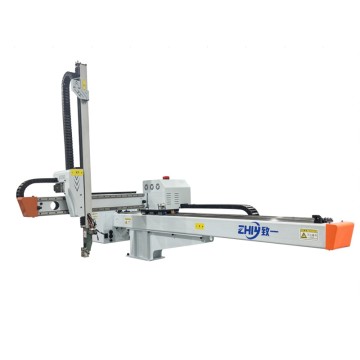
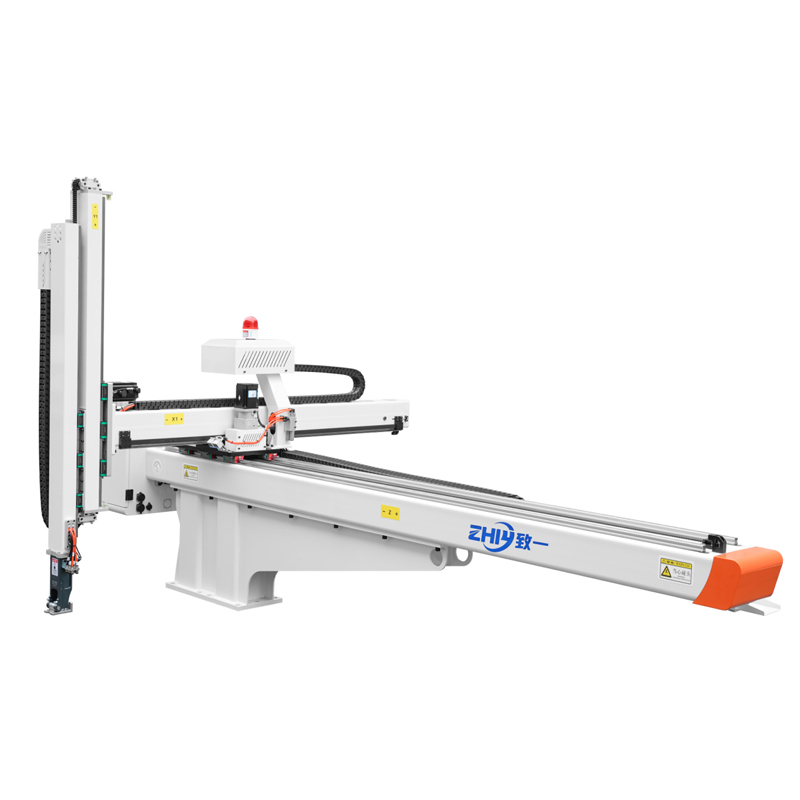
Five-Axis Servo Robot In-Mold Needle Insertion Automation Solution
Five-Axis Servo Robot In-Mold Needle Insertion Automation Solution: Resetting the Efficiency and Precision Standard for Precision Manufacturing
Amid the global manufacturing industry's shift toward intelligent and automated processes, the in-mold needle insertion process in precision injection molding is undergoing a revolutionary technological upgrade. Five-axis servo robots, with their exceptional flexibility, precision, and efficiency, have become the core equipment for solving the challenges of in-mold needle insertion automation, providing a cost-effective and technologically forward-looking solution for global wholesale buyers.
1. Pain Points of In-Mold Needle Insertion and the Solution Offered by Five-Axis Servo Robots
Traditional in-mold needle insertion processes have long faced three major pain points: precision errors caused by manual operation (especially in the positioning of micro-needles at the 0.1mm level), efficiency losses caused by a mismatch between production pace and Injection Molding Machine cycles, and rising labor costs due to high-frequency repetitive operations. These issues are particularly prominent in precision-critical applications such as medical consumables, electronic connectors, and automotive precision components. The five-axis servo manipulator has achieved a breakthrough through multi-dimensional motion control and closed-loop feedback system: its fifth-axis rotary joint can complete ±360° flexible steering, and with the linear motion of the X, Y, and Z axes and the precise extension and contraction of the W axis, it can complete a series of actions such as grasping, positioning, and implanting the needle body in a complex mold cavity. The positioning accuracy is stable within ±0.02mm, which is perfectly adapted to the embedding requirements of ultra-fine needle bodies below 0.5mm.
2. Core technology advantages: comprehensive upgrade from hardware configuration to intelligent algorithm (1) Performance leap of servo drive system Using imported high-dynamic servo motors and precision ball screws, the response speed is 3 times higher than that of traditional pneumatic manipulators, and the acceleration time is shortened to 0.3 seconds. It can achieve seamless linkage with high-speed injection molding machines (cycle time within 10 seconds). In the continuous 12-hour operation test, the positioning deviation of the equipment was always controlled within 0.01mm, meeting the production standards of medical-grade products.
(2) Collaborative operation of intelligent vision and force control system
Integrating a 20-megapixel industrial camera and AI vision algorithm, it can identify the needle body posture and mold positioning hole position in real time, and automatically compensate for errors caused by mold thermal expansion and contraction. The force control sensor can accurately control the needle embedding pressure (adjustable from 0.5-5N), avoiding needle body bending or plastic part cracking, and reducing the defect rate to less than 0.1%.
(3) Modular design and rapid changeover capability
For different product specifications, the robot end effector adopts a magnetic quick-change structure, shortening the changeover time from the traditional 2 hours to 15 minutes. The control system has a built-in 100-set process parameter memory function, and the operator can call the preset program through the touch screen, greatly reducing the dependence on technical workers.
3. Full-Scenario Adaptation: From Niche to Large-Scale Production
In the medical industry, this solution has been successfully applied to the in-mold insertion of infusion needles and insulin pen needles. Its Class 8 cleanroom-grade sealing design meets the ISO 13485 medical device quality management system requirements. In the electronics sector, it provides stable automated support for the insertion of 5G connector pins, with a daily production capacity of over 100,000 units. In the automotive industry, it enables full-process data interoperability with injection molding machines and testing equipment for the precise insertion of sensor lead pins.
For customers producing high-volume, low-volume products, the five-axis servo Robot Can be integrated with the MES system for intelligent management of order scheduling and process parameter optimization. For large-scale production scenarios, it supports multi-machine linkage control, enabling the coordinated operation of up to six robots and three injection molding machines, increasing production efficiency by over 40%.
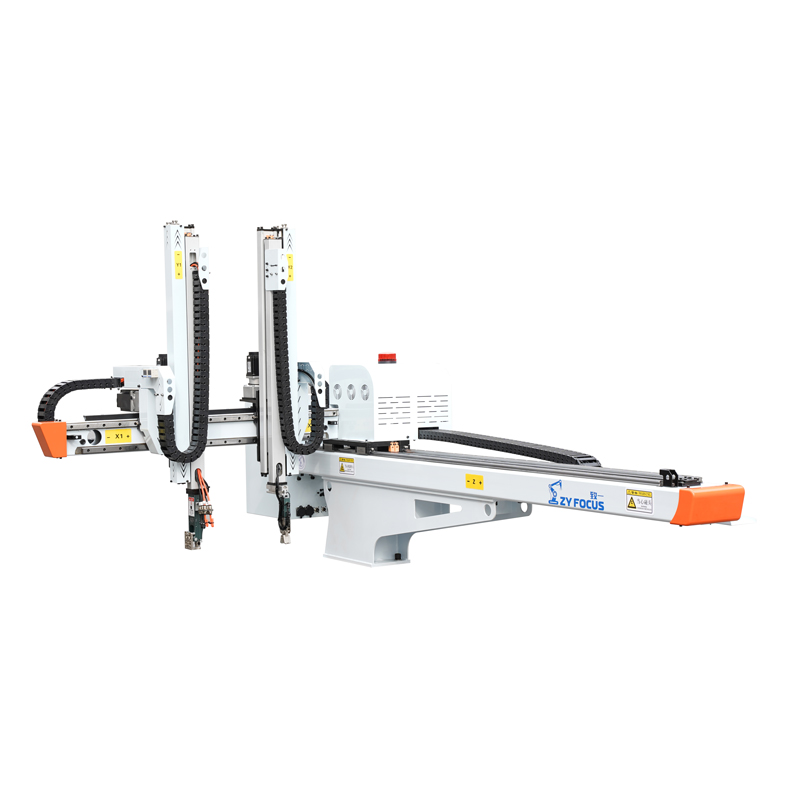
4. Core Value Created for Global Buyers
(1) Cost Optimization
Based on an 8-hour production day, a single device can replace 3-4 skilled workers. Based on the average labor cost in Europe and the United States, the investment payback period can be controlled within 12-18 months. In emerging markets, the return cycle can be further shortened by reducing material losses caused by reducing the defect rate.
(2) Compliance Assurance
The equipment has passed multiple international certifications such as CE, UL, and ISO 9001. Its operating data traceability function meets the FDA 21 CFR Part 11 electronic record requirements, clearing the compliance barriers for customers to enter the high-end European and American markets.
(3) Technology Iteration Support
Provide a 3-year full machine warranty and lifetime technology upgrade service. According to the customer's future product upgrade needs, the equipment function can be expanded through software iteration to avoid repeated investment.
5. Implementation Case: An Efficiency Revolution at an International Medical Consumables Company
After introducing a five-axis servo robot in-mold needle insertion solution, a top-five global medical consumables manufacturer achieved three major transformations in its infusion needle insertion process: cycle time was reduced from 30 seconds per mold to 18 seconds per mold, defect rate dropped from 1.2% to 0.08%, and the number of workers in the workshop was reduced by 60%. The company's Asia-Pacific Production Director stated, "The equipment's stability exceeded expectations. Even with staff fluctuations during the pandemic, we maintained over 98% capacity utilization."
The five-axis servo robot in-mold needle insertion automation solution represents more than just an equipment upgrade; it revolutionizes production models. Through its precise, intelligent, and flexible technical features, it helps global wholesale buyers achieve a triple advantage of "efficiency, quality, and cost" in the fiercely competitive market. Whether for large manufacturers seeking to expand capacity or small and medium-sized enterprises pursuing lean production, this solution will become a key driver of business growth.