
Leave Your Message
0102030405
Five-Axis Double-Arm Double-Section Robot Quality Control Guide for Importers
2026-04-27
Five-Axis Double-Arm Double-Section Robot Quality Control Guide for Importers
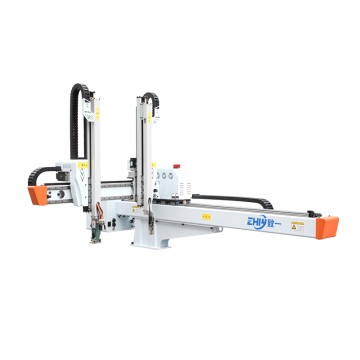
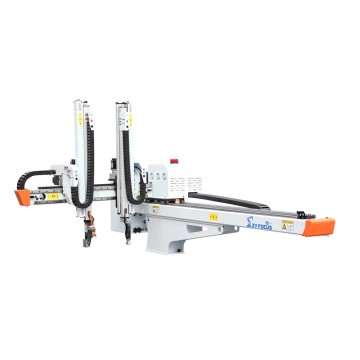
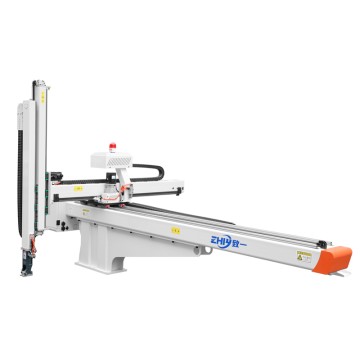
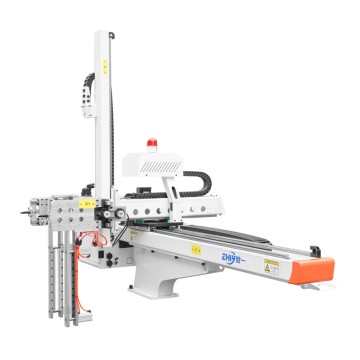
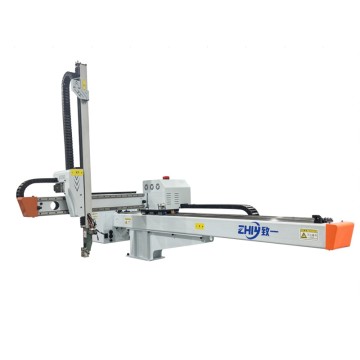
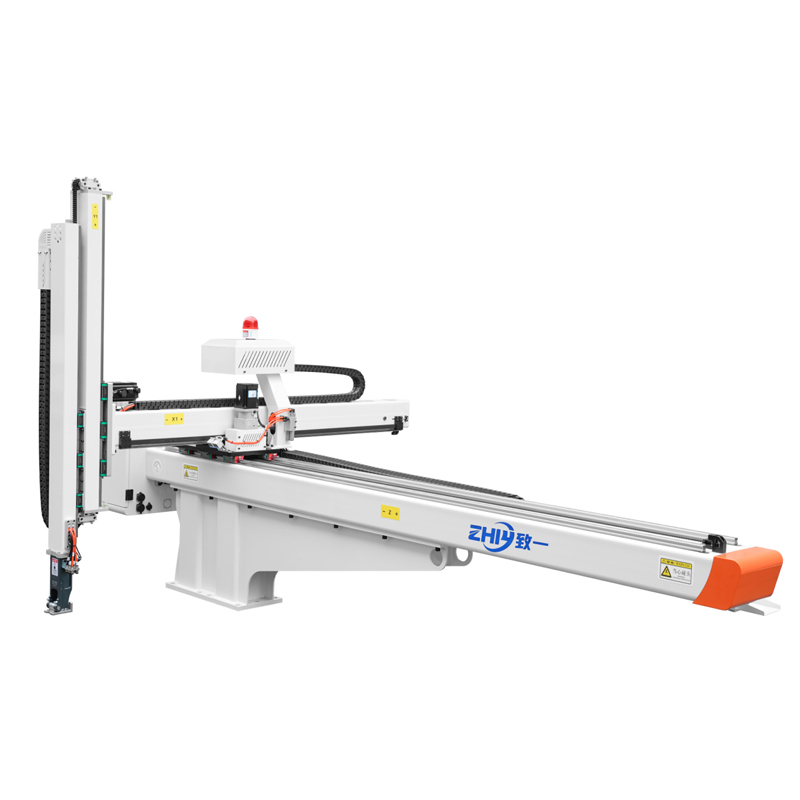
In automated manufacturing and injection molding production lines, five-axis double-arm double-section robots stand out as high-performance automation equipment widely used for pick-and-place, insertion, transfer, and stacking tasks. For global importers, sourcing reliable, stable, and precise robotic systems directly affects production efficiency, product yield, and long-term operational costs. This complete quality control guide helps you evaluate, inspect, and verify five-axis double-arm double-section robots before shipment and upon arrival, minimizing risks and ensuring consistent performance.
Table of Contents
- Why Quality Control Matters for Five-Axis Double-Arm Double-Section Robots
- Core Performance Specifications to Validate Before Ordering
- Pre-Shipment Quality Inspection Checklist
- On-Arrival Installation & Commissioning Verification
- Common Defects & How to Detect Them Early
- Long-Term Reliability & Maintenance Suggestions
- Final Quality Acceptance Criteria for Importers
Why Quality Control Matters for Five-Axis Double-Arm Double-Section Robots
Five-axis double-arm double-section robots feature dual-arm synchronous motion, extended double-section stroke, and multi-axis coordinated control, making them ideal for high-speed, high-precision automated production lines. Poor quality can lead to:
- Reduced positioning accuracy and repeated positioning errors
- Unstable dual-arm synchronization causing collisions or product damage
- Premature wear of gears, guides, and transmission components
- Electrical faults, abnormal noise, and shortened service life
- Line downtime, increased maintenance costs, and delayed deliveries
A structured quality control system protects your investment, ensures compliance with international safety standards, and supports stable mass production.
Core Performance Specifications to Validate Before Ordering
Before finalizing a purchase contract, confirm these key technical parameters to avoid mismatches between the robot and your production line.
| Item | Standard Requirement | Acceptable Tolerance | Inspection Method |
|---|---|---|---|
| Repeat Positioning Accuracy | ≤ ±0.1 mm | ≤ ±0.15 mm | Laser measuring instrument |
| Max. Loading Capacity | Match actual production needs | ±5% of rated load | Weight loading test |
| Double-Arm Synchronization Error | ≤ ±0.08 mm | ≤ ±0.1 mm | Dual-channel displacement detection |
| Stroke of Double-Section Arm | Meet working range | ±1% of nominal stroke | Tape measure & positioning test |
| Operating Speed | Standard cycle time as stated | ≤ ±10% deviation | Cycle time stopwatch |
| Noise Level | ≤ 70 dB(A) | ≤ 75 dB(A) | Sound level meter at 1m |
| Safety Features | Emergency stop, safety door, overload protection | All functions valid | Functional simulation test |
Pre-Shipment Quality Inspection Checklist
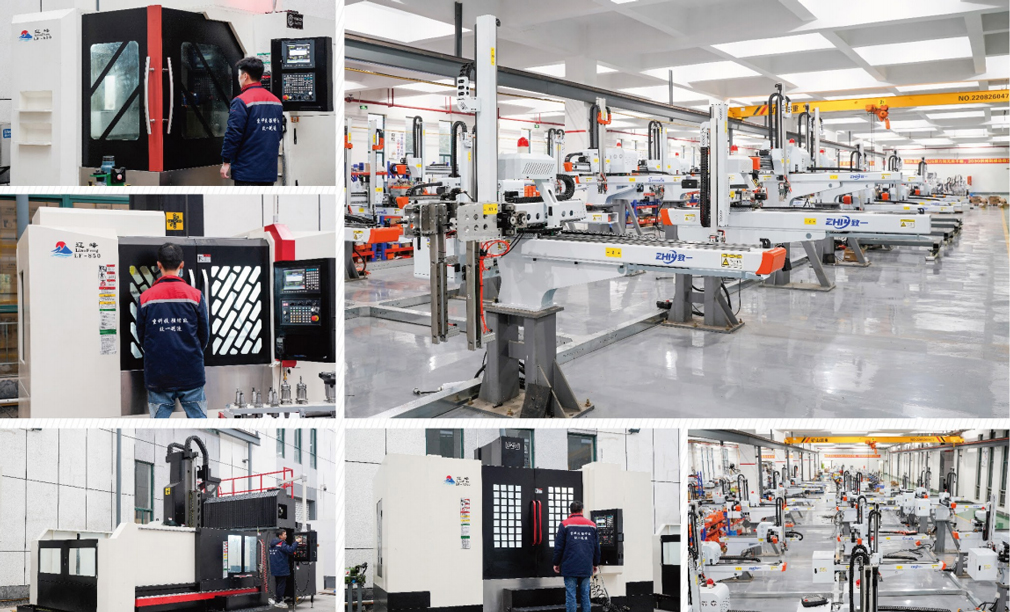
Conduct or supervise a full pre-shipment inspection (PSI) at the factory to verify assembly, appearance, performance, and safety.
1. Appearance & Assembly Quality
- Smooth surface without deformation, scratches, or rust
- Firm connections, no loose screws or welding defects
- Neat cable routing, reliable connectors, proper protection
- Clear and complete nameplate, model, and rating labels
2. Mechanical Structure Inspection
- Guide rails and sliding blocks move smoothly without jitter
- Transmission system (belts, gears, ball screws) runs evenly
- Dual arms balanced, no obvious deflection or eccentricity
- Base and support structure stable, no abnormal shaking
3. Electrical & Control System
- Electrical cabinet compliant with international safety standards
- Sensors, servomotors, and drivers properly matched
- Control panel responsive, parameter setting stable
- Wiring meets CE and ISO 5226.1 requirements
4. Functional Performance Test
- Continuous 4–8 hour test run without faults
- Dual-arm cooperative motion normal, no collision
- Positioning repeated at least 50 cycles with stable accuracy
- Fast, medium, and slow speed modes all functional
- Emergency stop responds immediately and reliably
5. Certification & Documentation
- Valid ISO 9001, CE, or other regional safety certificates
- Complete operation manual, wiring diagram, and parts list
- Factory test report and quality inspection record
- Warranty certificate and after-sales service terms
On-Arrival Installation & Commissioning Verification
After receiving the robot, perform on-site verification before formal production.
- Unpacking Inspection
- Check quantity, model, and accessories against packing list
- No damage during transportation; record and claim if found
- Installation Accuracy Check
- Level base installation, anchor bolts securely fastened
- Recheck repeated positioning accuracy after installation
- Calibrate dual-arm synchronization and travel limits
-
- Coordinate with Injection Molding Machines or other equipment
- Test actual takt time and product handling stability
- Verify program compatibility and ease of operation Matching with Production Line
Common Defects & How to Detect Them Early
| Defect Type | Performance | Detection Method | Preventive Measure |
|---|---|---|---|
| Positioning Drift | Inaccurate pickup, offset placement | Continuous cycle sampling | Pre-shipment laser calibration |
| Dual-Arm Asynchrony | Collision, jitter, unsmooth motion | Synchronization test | Dynamic balance adjustment |
| Abnormal Noise | Gear whine, guide rattle | Noise test during operation | Strict incoming parts inspection |
| Electrical Interference | Parameter reset, false alarms | EMC test and long run | Standardized cable shielding |
| Premature Wear | Short service life, increased backlash | Life test and material inspection | Use certified brand components |
Long-Term Reliability & Maintenance Suggestions
To extend service life and reduce downtime, follow these maintenance guidelines:
- Daily: Clean surface, check fasteners, monitor noise and vibration
- Weekly: Lubricate guide rails, screws, and joints; inspect cables
- Monthly: Calibrate positioning accuracy; test safety functions
- Yearly: Full maintenance by professionals; replace worn parts
- Use genuine lubricants and spare parts to ensure stability
Final Quality Acceptance Criteria for Importers
You can approve shipment and accept the robot only when all the following are satisfied:
- All technical parameters meet the contract and sample standards
- Appearance, assembly, and structure free of defects
- Safety functions fully effective and compliant with international norms
- Continuous test run passes without failure or performance degradation
- Complete certificates, manuals, test reports, and warranty documents
- On-site commissioning matches your production line requirements
Conclusion
For importers, quality control of five-axis double-arm double-section robots is a systematic process covering pre-order evaluation, factory inspection, on-site verification, and long-term maintenance. A rigorous QC process reduces risks, improves production stability, and maximizes return on investment.
By using this guide, you can establish a standardized inspection process, cooperate efficiently with suppliers, and import high-quality robotic equipment that supports stable, efficient automated production
Website:https://www.zhiyirobotics.com/
Email:sales@zhiyirobotics.com
Whatsapp:15215884071