
Leave Your Message
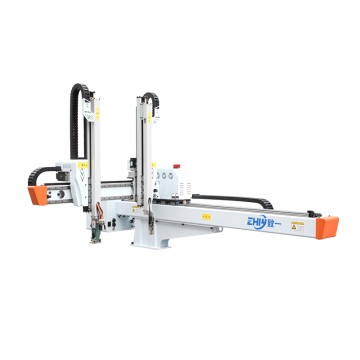
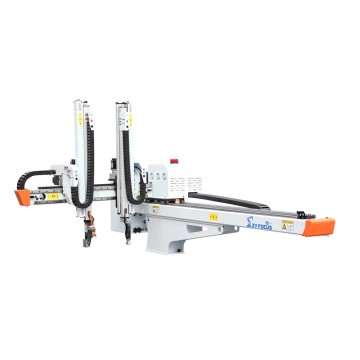
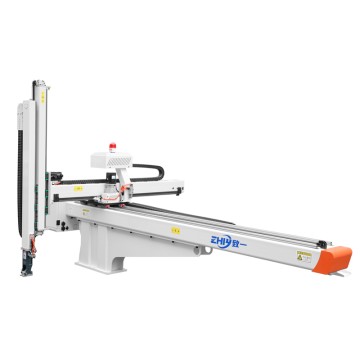
Essential Lubrication Recommendations for Injection Molding Machine Servo Robots: Maximize Performance and Longevity
Essential Lubrication Recommendations for Injection Molding Machine Servo Robots: Maximize Performance and Longevity
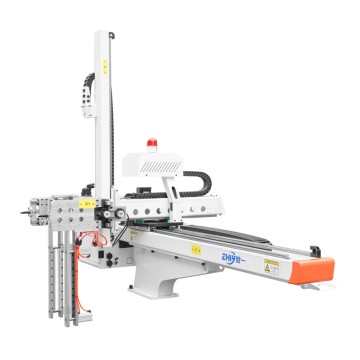
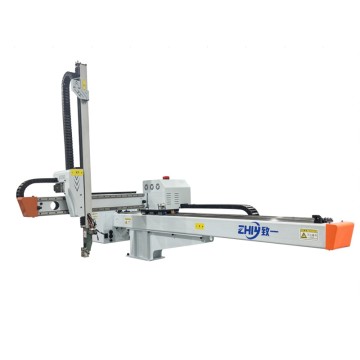
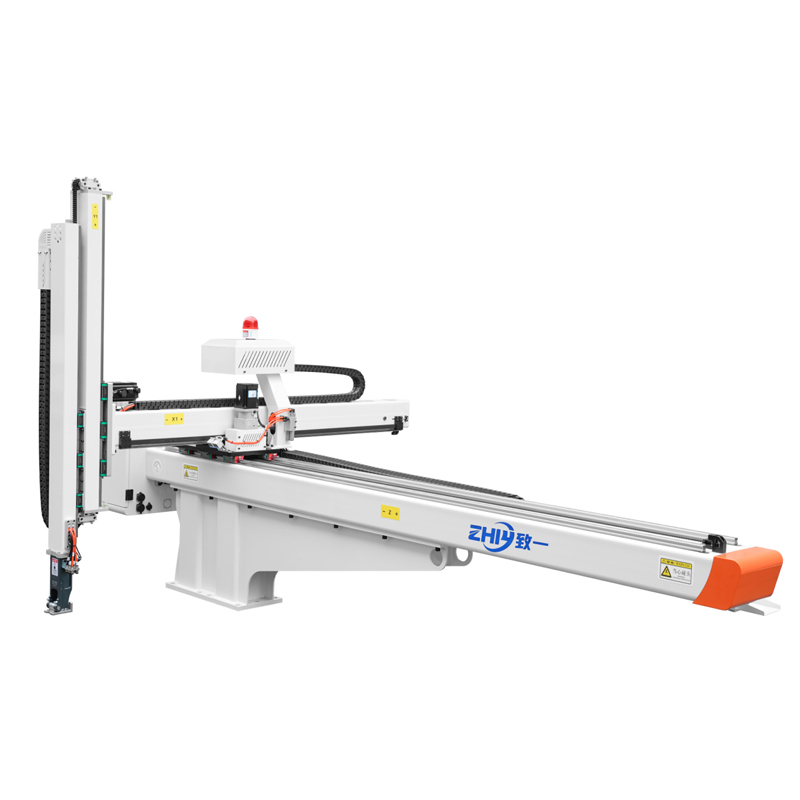
As an international wholesale buyer of injection molding equipment, you understand that the efficiency of your production line directly depends on the reliability of every component. Among these, injection molding machine servo robots play a pivotal role in automating material handling, part removal, and assembly processes—saving time, reducing labor costs, and ensuring consistent product quality. However, even the most advanced servo robots can experience premature wear, decreased precision, or unexpected downtime without proper maintenance. And one of the most critical yet often overlooked aspects of maintenance is lubrication.
In this comprehensive guide, we’ll break down why lubrication matters for servo robots, the key components that require regular lubrication, the best lubricants to use (tailored to different operating conditions), step-by-step lubrication procedures, and common pitfalls to avoid. By following these recommendations, you’ll not only extend the lifespan of your servo robots but also optimize their performance—ultimately protecting your investment and keeping your production lines running smoothly.
Why Lubrication Is Non-Negotiable for Injection Molding Machine Servo Robots
Before diving into the "how," let’s first clarify the "why." Injection molding environments are harsh: high temperatures (up to 400°C near the mold), dust, plastic debris, and constant mechanical motion (e.g., linear slides, rotational joints, and servo motors) all take a toll on servo robots. Without adequate lubrication, here’s what happens:
Increased Friction and Wear: Metal-to-metal contact in moving parts (such as guide rails, ball screws, and bearings) leads to excessive friction. Over time, this causes surface damage, pitting, and even seizing—forcing you to replace expensive components earlier than expected.
Diminished Precision: Servo robots rely on micro-level accuracy to pick up and place parts. Friction-induced resistance disrupts this precision, leading to misalignments, defective products, and wasted materials—a costly issue for high-volume production.
Higher Energy Consumption: When parts are under-lubricated, the servo motor must work harder to overcome friction. This increases energy usage (by up to 15%, according to industry studies) and raises your operational costs.
Downtime Risks: A seized bearing or jammed ball screw can halt your entire injection molding line. For wholesale buyers supplying manufacturers, unplanned downtime translates to missed deadlines, unhappy clients, and lost revenue.
Corrosion and Contamination: Dust, plastic particles, and moisture in the molding environment can infiltrate unlubricated components. Lubricants act as a barrier, preventing corrosion and keeping contaminants out.
In short, proper lubrication isn’t just maintenance—it’s a strategic investment in the reliability and profitability of your equipment.
Key Components of Servo Robots That Require Lubrication
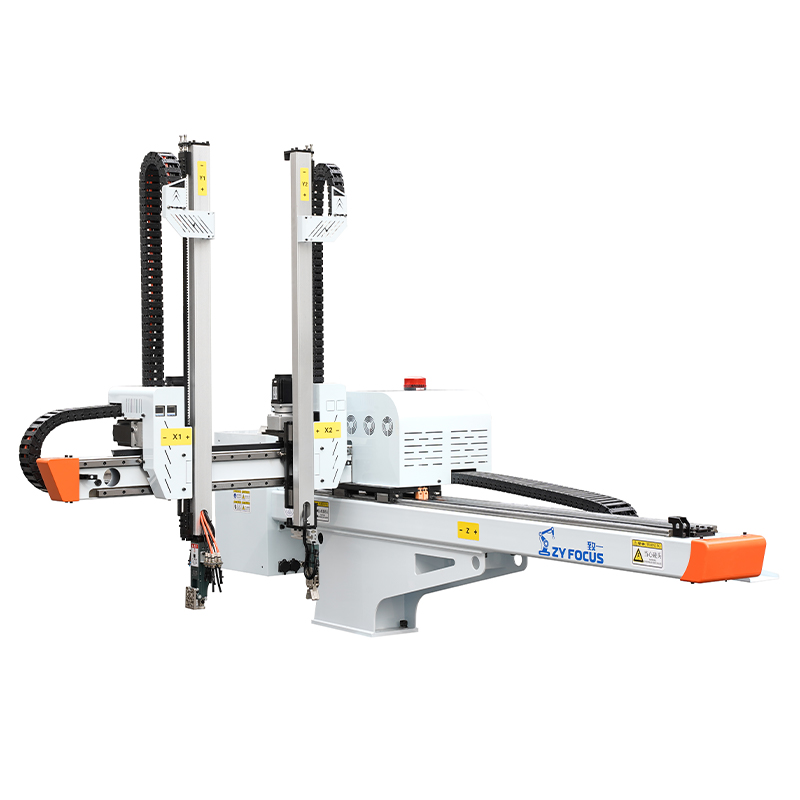
Injection molding machine servo robots are complex systems, but their lubrication needs focus on a few critical moving parts. Below is a breakdown of each component, why it needs lubrication, and what to watch for:
1. Linear Guide Rails (Slides)
Linear guide rails enable the robot’s arm to move smoothly along a straight path—essential for tasks like part removal or placing inserts into the mold. These rails have small rolling elements (balls or rollers) that reduce friction, but they require consistent lubrication to function properly.
Why lubricate? Without lubrication, the rolling elements can wear down the rail’s surface, causing "stick-slip" motion (jerky movements) that ruins precision. Contaminants like plastic dust can also get trapped between the rail and rollers, accelerating wear.
Lubricant type: Use a high-temperature lithium grease (NLGI Grade 2) or a synthetic grease with excellent anti-wear properties. Avoid greases that are too thin (they’ll wash away) or too thick (they’ll slow movement).
Signs of under-lubrication: Jerky motion, unusual squeaking noises during movement, or visible rust on the rail surface.
2. Ball Screws
Ball screws convert rotational motion (from the servo motor) into linear motion—controlling the robot’s lifting, lowering, and extending actions. They’re critical for precision, as even small wear can lead to positioning errors.
Why lubricate? Ball screws have hundreds of tiny balls that roll between the screw shaft and nut. These balls bear heavy loads (often up to 500kg for industrial servo robots), so lubrication is needed to reduce friction and prevent metal fatigue.
Lubricant type: Choose a synthetic lubricant with EP (Extreme Pressure) additives—these protect against wear under heavy loads. For high-temperature environments (e.g., near hot molds), opt for a grease with a dropping point above 200°C.
Signs of under-lubrication: Grinding noises when the screw rotates, inconsistent positioning (e.g., the Robot Arm doesn’t reach the correct height), or visible wear on the screw threads.
3. Servo Motor Bearings
The servo motor is the "engine" of the robot, powering all its movements. Inside the motor, bearings support the rotating shaft—ensuring smooth, quiet operation.
Why lubricate? Motor bearings operate at high speeds (up to 3,000 RPM) and generate heat. Lubrication cools the bearings, reduces friction, and prevents premature failure (which can cost thousands of dollars to repair or replace).
Lubricant type: Use a low-viscosity synthetic oil (ISO VG 32 or 46) for small to medium motors, or a high-temperature grease (for motors exposed to mold heat). Never use mineral oil—its high viscosity can slow the motor and cause overheating.
Signs of under-lubrication: Loud humming or grinding from the motor, increased motor temperature (feel the housing—if it’s too hot to touch, lubrication is likely insufficient), or reduced torque (the Robot Struggles to lift heavy parts).
4. Rotational Joints (Wrist and Arm Joints)
Many servo robots have rotational joints (e.g., the wrist that rotates to flip parts, or the elbow joint that bends the arm). These joints use bushings or small bearings that require lubrication to maintain flexibility.
Why lubricate? Rotational joints are often exposed to dust and plastic debris, which can cause binding. Lubrication keeps them moving freely and prevents corrosion from moisture in the air.
Lubricant type: A multi-purpose lithium grease (NLGI Grade 2) works well for most joints. For joints near the mold (high heat), use a synthetic grease with a high thermal stability rating.
Signs of under-lubrication: Stiff joint movement, clicking noises when rotating, or visible debris buildup around the joint.
Step-by-Step Lubrication Procedure (For Daily and Monthly Maintenance)
To ensure consistency, we recommend creating a lubrication checklist for your team (or your clients, if you’re supplying servo robots). Below is a step-by-step procedure tailored to injection molding environments:
Daily Maintenance (5–10 Minutes)
Power Off the Robot: Always disconnect power before lubricating to avoid accidental movement.
Clean Components: Use a dry, lint-free cloth to wipe down linear guide rails, ball screws, and rotational joints. Remove any plastic dust, debris, or old grease—contaminants mixed with new lubricant will reduce its effectiveness.
Lubricate Linear Guide Rails: Apply a thin, even layer of grease along the entire length of the rail using a grease gun or a small brush. Avoid over-greasing (excess grease will attract more dust).
Lubricate Rotational Joints: Apply a small amount of grease to the joint’s bushing or bearing. Manually rotate the joint 5–10 times to distribute the lubricant evenly.
Check Servo Motor Temperature: While not direct lubrication, feel the motor housing—if it’s abnormally hot, it may indicate insufficient lubrication in the motor bearings (schedule a deeper check).
Monthly Maintenance (30–45 Minutes)
Perform Daily Steps First: Start with cleaning and basic lubrication.
Lubricate Ball Screws: Use a grease gun to inject lubricant into the screw’s grease fitting (most ball screws have a dedicated fitting). Rotate the screw manually (or use the robot’s manual mode) to ensure the grease spreads along the entire thread.
Inspect Motor Bearings: If your servo motor has a grease fitting, inject a small amount of high-temperature oil (follow the manufacturer’s dosage—over-lubrication can cause motor damage). If the motor doesn’t have a fitting, consult the manufacturer for replacement intervals (most motor bearings last 2–3 years with proper lubrication).
Test Robot Performance: Power on the robot and run a test cycle. Check for smooth movement, no unusual noises, and accurate positioning. If issues persist, inspect for wear or contamination.
Document Maintenance: Keep a log of lubrication dates, lubricant types used, and any issues found. This helps track component lifespan and plan for replacements.
Choosing the Right Lubricant: Key Factors to Consider
Not all lubricants are created equal—choosing the wrong one can do more harm than good. For injection molding machine servo robots, consider these factors:
Temperature Resistance: Injection molding environments are hot—choose lubricants with a dropping point (the temperature at which grease melts) above 180°C (356°F). For robots working near high-temperature molds (e.g., for PET or PP plastics), opt for lubricants with a dropping point above 250°C (482°F).
Load Capacity: Servo robots lift heavy parts (up to 1,000kg for industrial models), so lubricants must handle high loads. Look for greases or oils with EP (Extreme Pressure) additives—these form a protective film on metal surfaces to prevent wear under heavy stress.
Contamination Resistance: Molding facilities have dust and plastic debris—choose lubricants with good adhesion (they stay on components) and water resistance (to prevent corrosion from moisture in the air).
Compatibility with Materials: Ensure the lubricant is compatible with the robot’s materials (e.g., aluminum, steel, or plastic parts). Some lubricants can degrade plastic components (like seals or bushings), so check the manufacturer’s recommendations.
Viscosity: For high-speed components (e.g., servo motor bearings), use low-viscosity oils (ISO VG 32–46) to reduce drag. For slow-moving parts (e.g., linear rails), use higher-viscosity greases (NLGI Grade 2) for longer-lasting protection.
Our Recommendation: For most injection molding servo robots, we suggest using synthetic lithium complex grease (NLGI Grade 2) for linear rails and joints, and synthetic EP oil (ISO VG 46) for servo motor bearings. These products balance temperature resistance, load capacity, and contamination protection—ideal for harsh molding environments.
Common Lubrication Mistakes to Avoid
Even with the best lubricants, mistakes in application can undermine your efforts. Here are the most common errors wholesale buyers (and their clients) make—and how to prevent them:
Over-Lubrication: More grease isn’t better. Excess grease attracts dust and debris, which clogs components and causes wear. It also increases friction (yes, really!) and can slow down the robot’s movement.
Using the Wrong Lubricant: Using a mineral oil-based lubricant for high-temperature components will cause it to break down, leaving parts unprotected. Always match the lubricant to the component and environment.
Skipping Cleaning: Applying new lubricant over old, contaminated grease is like putting a band-aid on a dirty wound. The contaminants will mix with the new grease, reducing its effectiveness and accelerating wear.
Ignoring Manufacturer Guidelines: Every servo robot manufacturer (e.g., Fanuc, Yaskawa, KUKA) provides specific lubrication recommendations (type, frequency, dosage). Ignoring these can void warranties and lead to premature failure.
Inconsistent Scheduling: Lubrication isn’t a "when I remember" task. Set a strict schedule (daily for high-use components, monthly for others) and stick to it. Use maintenance management software to track tasks if needed.
How Proper Lubrication Benefits Wholesale Buyers
As an international wholesale buyer of injection molding machine servo robots, you might be wondering: How does this affect my business? The answer is simple—reliable, low-maintenance equipment sells better. Here’s how:
Happy Clients: Manufacturers that buy your servo robots want equipment that runs smoothly with minimal downtime. By providing them with clear lubrication guidelines (and even including a starter kit of recommended lubricants), you’re helping them maximize uptime and reduce costs. This builds trust and loyalty, leading to repeat orders.
Reduced Warranty Claims: Premature component failure due to poor lubrication is a common cause of warranty claims. By educating your clients on lubrication best practices, you’ll reduce the number of claims and save money on repairs.
Competitive Advantage: Many wholesale buyers focus only on price. But by positioning your servo robots as "low-maintenance" and providing value-added resources (like this guide), you’ll stand out from competitors. Manufacturers are willing to pay a premium for equipment that’s easy to maintain and long-lasting.
Long-Term Relationships: When you help your clients succeed (by keeping their production lines running), you become more than a supplier—you become a partner. This leads to long-term relationships and referrals, which are critical for growing your wholesale business.
Final Thoughts
Injection molding machine servo robots are a significant investment for manufacturers—and as a wholesale buyer, your goal is to provide equipment that delivers value. Proper lubrication is a simple, low-cost way to ensure these robots perform at their best for years. By following the recommendations in this guide, you’ll protect your clients’ investments, reduce downtime, and build a reputation as a trusted supplier.
If you have questions about lubrication for specific servo robot models, or if you’d like to learn more about our range of high-quality injection molding machine servo robots (backed by comprehensive maintenance support), please contact our team. We’re here to help you and your clients succeed.
Frequently Asked Questions (FAQs)
Q1: How often should I lubricate the ball screws of a servo robot?
A: For servo robots used in high-volume injection molding (24/7 operation), lubricate ball screws every 250 hours of operation. For medium-use robots (8–12 hours/day), lubricate every 500 hours. Always refer to the manufacturer’s guidelines for your specific model.
Q2: Can I use the same lubricant for all components of the servo robot?
A: No. Linear guide rails, ball screws, and servo motor bearings have different needs (e.g., load capacity, temperature resistance). Using a single lubricant may work for some components but cause damage to others. Follow the lubricant recommendations for each component.
Q3: What should I do if I notice oil leaking from the servo motor?
A: Oil leakage from the motor usually indicates over-lubrication or a damaged seal. First, stop using the motor and clean up the excess oil. Check the lubricant dosage—if you injected too much, drain the excess. If the seal is damaged, replace it immediately to prevent contaminants from entering the motor.
Q4: Are there eco-friendly lubricant options for servo robots?
A: Yes. Many manufacturers now offer biodegradable synthetic lubricants that are safe for the environment (ideal for facilities with strict sustainability goals). These lubricants perform as well as traditional options but break down naturally if spilled.
Q5: How can I train my team (or clients) on proper lubrication?
A: We recommend creating a simple training video or checklist that outlines the steps for daily and monthly lubrication. Include photos of each component, the type of lubricant to use, and how much to apply. Our team can also provide customized training materials for your clients—just ask!