Leave Your Message
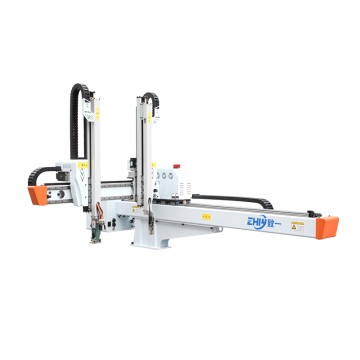
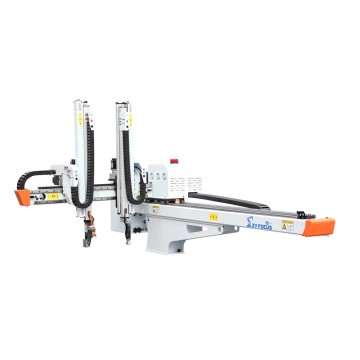
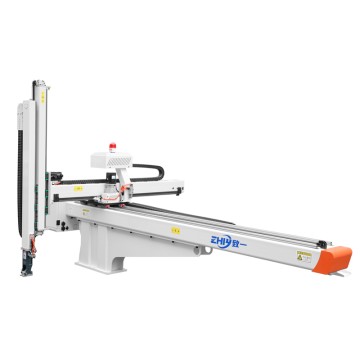
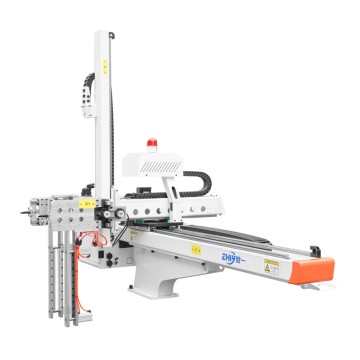
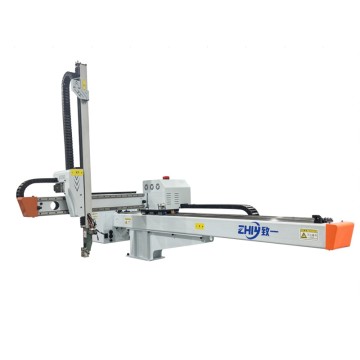
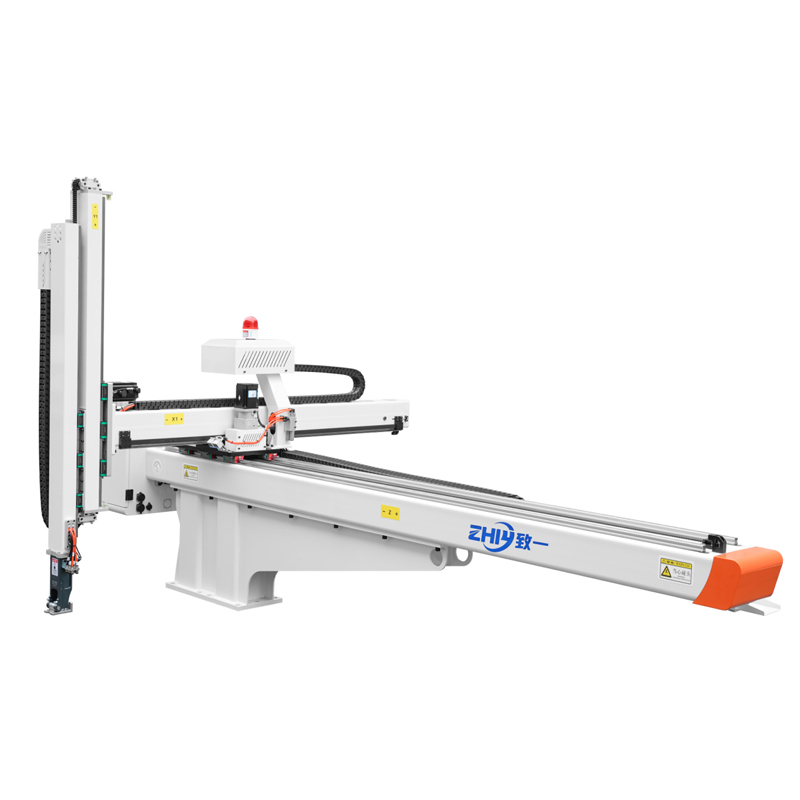
Customized Three-Axis Servo Robot Purchasing Guide
Customized Three-Axis Servo Robot Purchasing Guide
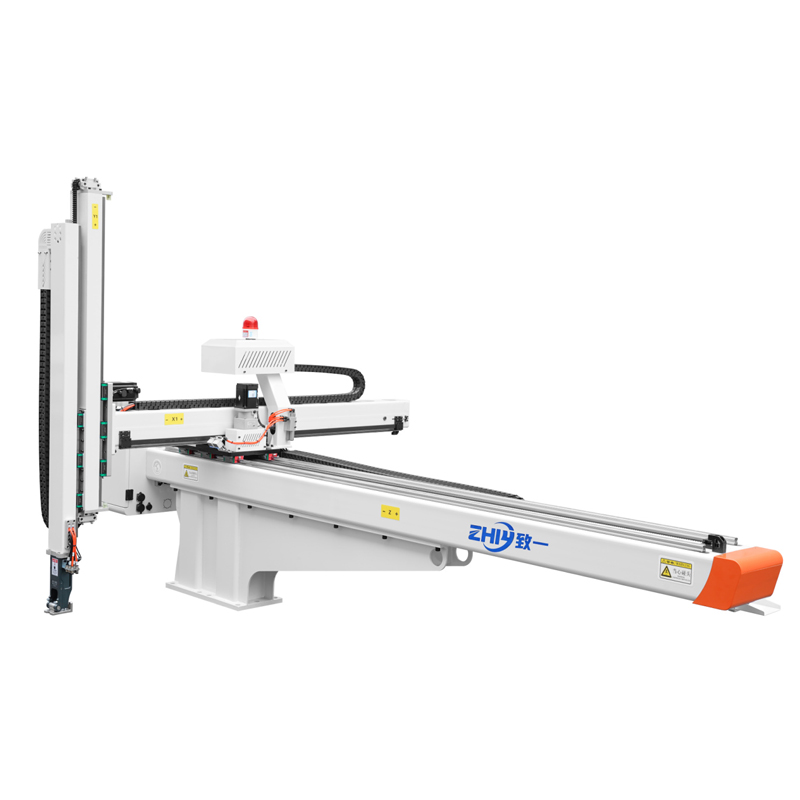
Amidst the wave of industrial automation upgrades, customized three-axis servo robots, with their precise positioning control and flexible operational adaptability, have become core equipment for improving production efficiency in industries such as electronics manufacturing, automotive parts, and logistics sorting. However, cross-border customized procurement involves multiple steps, including technical communication, solution adaptation, and quality control. Any slight oversight can lead to cost overruns, delivery delays, or even equipment incompatibility with production needs. This article will outline key points for the entire procurement process, from requirements definition to final delivery, to help you efficiently complete customized procurement.
First, Accurately Define Requirements: The Cornerstone of Customized Procurement
The core of customization is "adaptation to needs." Clear and specific requirements descriptions are essential for ensuring smooth progress in subsequent steps. It is recommended to systematically analyze requirements from three perspectives: production scenario, technical parameters, and compliance requirements, and formulate a written requirements specification.
(I) Visualizing Production Scenario Requirements
First, clearly define the robot's core operational tasks, such as "precision gripping and transfer of PCB boards," "assembly and positioning of automotive bearings," or "palletizing and handling cartons." Detailed operating environment parameters must also be provided: temperature range (e.g., low-temperature storage environment between -10°C and 45°C or drying room below 80°C), humidity conditions (whether high humidity or condensation exists), dust concentration (whether dust and explosion-proof design is required), and space limitations (length, width, and height of the installation area, and spacing between peripheral equipment). Furthermore, the operating speed requirements (e.g., ≥15 grasps per minute), material characteristics (weight, size, and material of the grasped objects, such as whether they are fragile glass or magnetic metal objects), and integration requirements with existing production lines (e.g., compatibility with the MES system and signal interaction methods with conveyor belts) must be specified.
(II) Quantification of Core Technical Parameters
Technical parameters are the core basis for the supplier's solution design and must be as quantified and clear as possible. Key parameters include:
Load capacity: Specify the rated load and peak load (e.g., rated load 5kg, peak load 8kg). Note that the load must include the weight of the end effector (e.g., gripper);
Motion parameters: Three-axis travel range (e.g., 800mm X-axis, 600mm Y-axis, 300mm Z-axis), repeatability (e.g., ±0.02mm for precision assembly, ±0.1mm for general handling), maximum operating speed (e.g., 1m/s X/Y-axis, 0.8m/s Z-axis), and acceleration;
Servo system configuration: Specify the servo motor brand (e.g., Panasonic, Yaskawa, Delta), controller type (whether it supports EtherCAT bus communication);
End effector: Specify the gripper type (pneumatic, electric, or suction cup) based on the material characteristics, the gripping method (internal gripper, external gripper, or suction), and whether integrated force control is required (e.g., pressure control during assembly).
(III) Clarify Compliance and Additional Requirements
Cross-border procurement requires full consideration of the compliance requirements of the target market. For example, compliance with CE certification (EN ISO 13849 Machinery Safety Standard) is required in the EU, UL certification is required in North America, and ATEX explosion-proof standards are required for hazardous operations. Additional requirements should also be clearly defined, such as whether a multilingual user interface (English, Spanish, etc.) is available, remote diagnostic capabilities, spare parts supply cycles (e.g., ≥12 months of inventory for key components), and training requirements (on-site training or online technical guidance).
Second, Supplier Screening: Finding a Matching Customization Partner
The customization capabilities of three-axis servo manipulators are highly dependent on the supplier's technical R&D capabilities, production control capabilities, and cross-border service capabilities. Therefore, a multi-dimensional assessment is required to select high-quality partners.
(1) Core Qualifications and Technical Capabilities Assessment
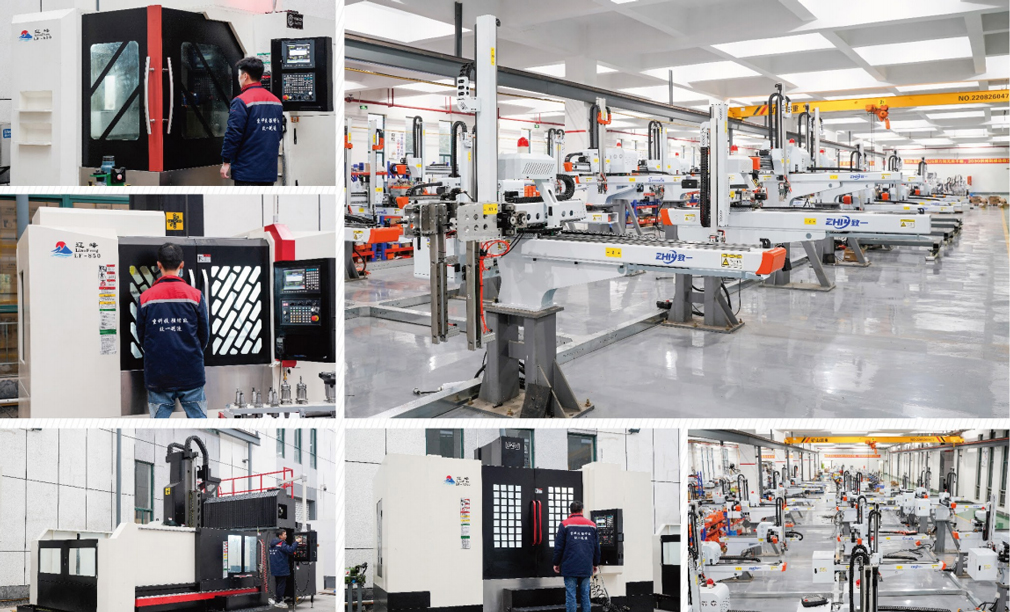
Prioritize suppliers with well-established R&D systems and production qualifications. Check whether they possess ISO 9001 quality management system certification and robotics-related patents (such as servo control algorithms and structural design patents). Investigate the R&D team's composition (ratio of mechanical engineers to electrical engineers) and their experience with custom projects, particularly successful custom projects in similar industries (such as electronics manufacturing and automotive parts). Request case videos, customer testimonials, and equipment operation data reports. Additionally, confirm whether the supplier has the ability to independently produce core components (such as servo motors and controllers) or relies entirely on outsourcing. This directly impacts the solution's adaptability and cost control capabilities.
(2) Cross-border Service Capabilities Verification
In foreign trade procurement, a supplier's cross-border service capabilities are crucial. Key considerations include:
Communication efficiency: Whether a professional foreign trade team and technical translators are available, whether inquiries can be responded to promptly (e.g., technical questions can be answered within 24 hours), and whether video conferencing is supported for solution communication.
Logistics and delivery: Whether stable cross-border logistics channels (sea and air freight) are available, whether door-to-door service (DDP terms) can be provided, and whether delivery times are clearly defined (e.g., 8-12 weeks after solution confirmation).
After-sales support: Whether on-site installation and commissioning services are provided overseas, the length of the warranty period (recommended ≥1 year), the response time for faults (e.g., remote guidance within 48 hours, on-site repair by an engineer within 7 days), and whether a spare parts warehouse is available in the target market.
(3) Negotiating costs and payment terms
Customized procurement has a complex cost structure, requiring suppliers to provide detailed quotations that clearly specify the costs of the equipment, end effector, system integration, transportation, installation, and training. Also, negotiate reasonable payment terms. It is recommended to adopt phased payments (e.g., a 30% deposit upfront, 40% upon solution confirmation, 25% upon equipment acceptance, and 5% upon expiration of the warranty period) to mitigate procurement risks. In addition, it's important to confirm in advance who will bear the tariffs and customs clearance fees to avoid additional costs later.
Third, Proposal Customization and Review: Ensure Accurate Implementation of Requirements
Proposal design is a core step in customized procurement, requiring in-depth collaboration with suppliers and optimization through multiple rounds of reviews to ensure technical feasibility and alignment with requirements.
(1) Preliminary Proposal Design and Communication
After the supplier completes the preliminary proposal design based on the requirements specification, they must provide detailed technical documentation, including 3D structural design drawings, electrical schematics, servo system configuration lists, and process flow simulation animations. The purchaser must organize a technical team to conduct a comprehensive review of the proposal: checking whether the mechanical structure is compatible with the workspace and material characteristics (for example, whether a flexible gripper design is used for grasping fragile items); whether the servo system configuration meets accuracy and speed requirements; and whether the control system is compatible with the existing production line's communication protocols (such as Modbus and Profinet). Any questions regarding the proposal should be promptly communicated with the supplier for adjustments. For example, if the travel is insufficient, the guide rail length can be extended; if the accuracy is not up to standard, the servo motor and encoder level can be upgraded.
(2) Prototype Testing and Solution Optimization
For high-precision, high-complexity custom requirements, it is recommended that the supplier be required to produce a prototype or conduct simulation testing. Key performance indicators (KPIs) can be verified through prototype testing: for example, repeatability can be measured using a laser interferometer; load capacity can be verified through load testing; and cycle time can be measured through simulated production scenarios. Based on the test results, the solution can be further optimized. For example, if gripping stability is insufficient, the gripping force of the gripper can be adjusted or sensor feedback can be added. If operating noise is excessive, the gearbox structure can be optimized or a vibration damper can be added. A written test report should be produced for this step, clearly defining the optimization direction and completion timeline, to serve as a basis for subsequent production.
(3) Final Solution Confirmation and Contract Signing
After the solution optimization is completed, a formal purchase contract must be signed with the supplier, specifying the following core terms: the final technical solution (with design drawings and a configuration list as attachments), delivery cycle, quality acceptance criteria (such as specific testing methods for accuracy, load, and operational stability), payment method, warranty period, after-sales service coverage, and liability for breach of contract (such as the percentage of compensation for delayed delivery). It's recommended to include a "pre-acceptance" step in the contract. This means that after the equipment is completed, the purchaser can conduct a preliminary inspection at the supplier's factory. Only after confirmation of correctness can delivery be arranged, thus reducing delivery risks.
Fourth, Manufacturing and Quality Control: Ensuring Equipment Quality
Once the production phase begins, an effective quality control mechanism must be established to ensure that the supplier strictly adheres to the confirmed plan, avoiding cutting corners or substandard technical specifications.
(I) Production Process Supervision
Suppliers can be required to provide regular production progress reports, including the completion status of key processes (such as guide rail machining, servo motor assembly, and system commissioning), as well as photos or videos of on-site production. For core components (such as servo motors and controllers), suppliers can be required to provide purchase receipts and quality inspection reports to confirm that the brand and model are consistent with the plan. If conditions permit, technical personnel can be dispatched to the factory to oversee key production steps, such as machining accuracy inspection of mechanical structures (using a coordinate measuring machine to check component dimensions) and electrical system wiring compliance checks.
(II) Comprehensive Pre-shipment Inspection
After equipment production is complete, the supplier must undergo a comprehensive pre-shipment inspection. Inspection items include:
Performance Testing: Testing core parameters such as repeatability, load capacity, operating speed, and operating cycle;
Functional Testing: Testing end-effector grip stability, linkage with the control system, and effectiveness of the emergency stop function;
Safety Testing: Testing safety protection devices (such as light barriers and emergency stop buttons) for compliance with certification standards, and testing the insulation performance of the electrical system;
Environmental Adaptability Testing: Conducting simulation tests of high and low temperatures, humidity, vibration, and other conditions according to operating environment requirements.
The supplier must provide a detailed pre-shipment inspection report, which will be confirmed by the purchaser before shipment can be arranged.
Fifth, Delivery, Installation, and Acceptance: Completing the Procurement Closed Loop
After equipment delivery, standardized installation and commissioning, personnel training, and final acceptance procedures must be followed to ensure rapid commissioning.
(I) Cross-Border Logistics and Arrival Inspection
Tracking the progress of cargo transportation according to the logistics method agreed upon in the contract. Upon arrival of the equipment, the purchaser must conduct an arrival inspection with the supplier's representative (or a third-party inspection agency): verify that the equipment model and quantity are consistent with the contract; inspect the equipment for external damage; and confirm that all technical documentation (manuals, drawings, certifications, and test reports) is complete within the packaging. If any equipment is damaged or the quantity is inconsistent, photographs must be taken immediately for record keeping, and the supplier must be consulted regarding any return, exchange, or claim.
(II) Installation, Commissioning, and Personnel Training
The supplier must dispatch professional engineers to conduct on-site installation and commissioning, including equipment mounting, electrical wiring, system parameter settings, and integration and commissioning with the existing production line. During commissioning, a trial run simulating actual production scenarios must be conducted to verify the equipment's operating accuracy, cycle time, and stability. Furthermore, the supplier must provide systematic training to the purchaser's operating and maintenance personnel, covering equipment operation procedures, routine maintenance methods (such as lubrication, cleaning, and component replacement), common troubleshooting, and emergency response measures, to ensure that operators are capable of independent operation.
(III) Final Acceptance and Document Handover
After installation and commissioning are complete, the final acceptance phase begins. The purchaser must conduct a 1-3 month trial run to verify the equipment's operating accuracy, failure rate, and operating cycle, in accordance with the acceptance criteria specified in the contract. During continuous operation, the equipment's operating accuracy, failure rate, and operating cycle must meet required requirements; safety and compliance measures must comply with the certification standards of the target market. Upon successful acceptance, both parties will sign a "Final Acceptance Report," officially completing the equipment delivery. The supplier must also provide complete technical documentation and a spare parts list, including electronic and paper manuals, CAD drawings, servo system parameter backups, and contact information for spare parts procurement.
Sixth, After-Sales Maintenance and Long-Term Partnership: Ensuring Continuous Equipment Operation
The service life of a customized three-axis servo robot is typically 5-10 years. Comprehensive after-sales maintenance is key to ensuring continuous and stable operation and forms the foundation for a long-term partnership.
(I) Routine Maintenance and Spare Parts Management
The purchaser must develop a routine maintenance plan for the equipment, regularly performing tasks such as guideway lubrication, motor cleaning, and sensor calibration to reduce the likelihood of failure. Furthermore, the purchaser must maintain a stockpile of critical, vulnerable parts (such as grippers, belts, and sensors) based on the spare parts list provided by the supplier to ensure rapid replacement in the event of a failure. It is recommended to sign a long-term spare parts supply agreement with the supplier, stipulating the spare parts supply cycle and preferential pricing.
(II) Fault Response and Technical Support
If a device malfunctions, the purchaser must immediately contact the supplier's after-sales team, providing a description of the malfunction and on-site photos/videos to facilitate rapid problem identification. For simple faults, the supplier should provide remote guidance to assist in troubleshooting and resolving them. For complex faults, the supplier should promptly dispatch an engineer for on-site repairs as agreed in the contract. Furthermore, it is recommended that the supplier provide regular technical upgrade services, such as control system software updates and function expansions, to enhance the long-term value of the equipment.
(III) Establishing Long-Term Partnerships
For suppliers with whom we have a positive relationship and provide excellent service, we can establish long-term strategic partnerships. This will allow us to enjoy better pricing, shorter delivery cycles, and improved service for subsequent equipment upgrades and new purchases. Furthermore, we should regularly communicate with suppliers regarding changes in production needs, allowing them to pre-stock technology and production capacity, thereby achieving coordinated development of supply and demand.