
Leave Your Message
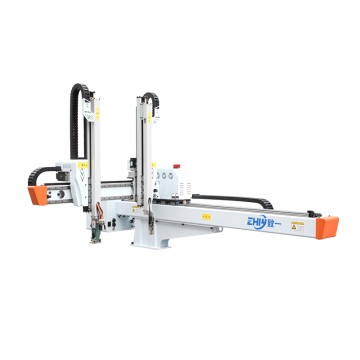
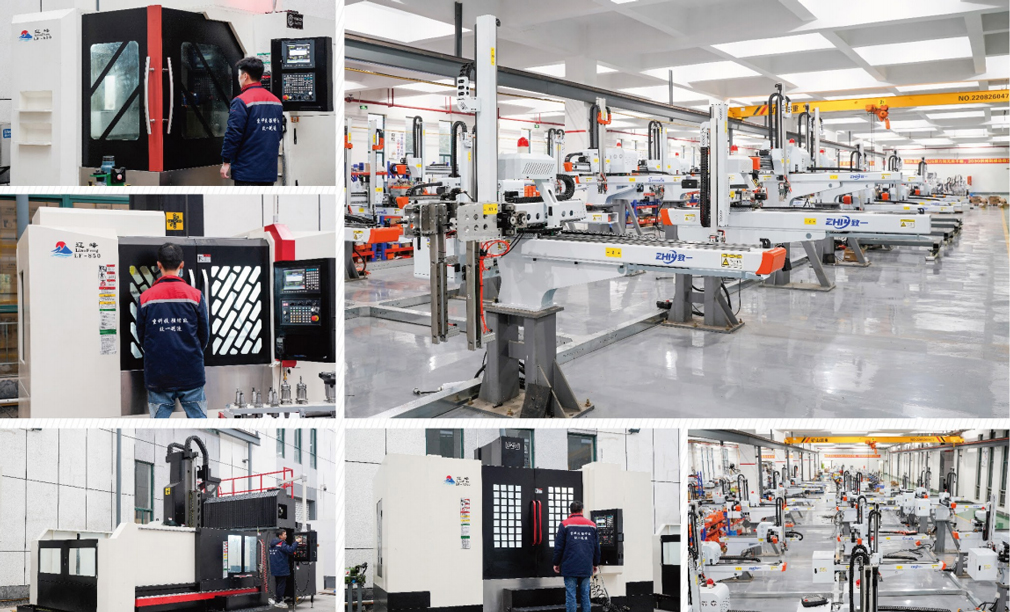
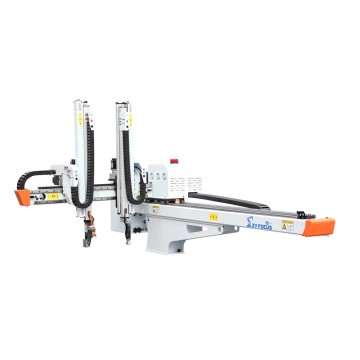
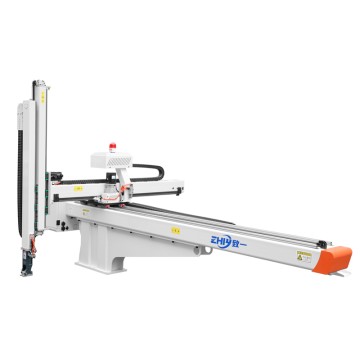
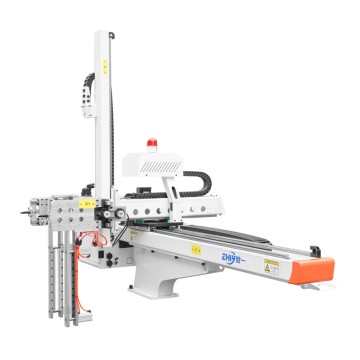
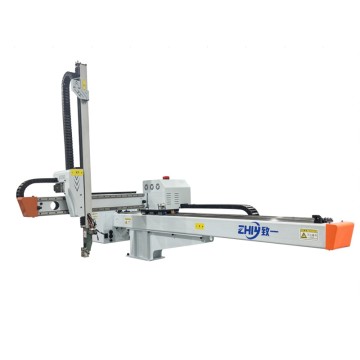
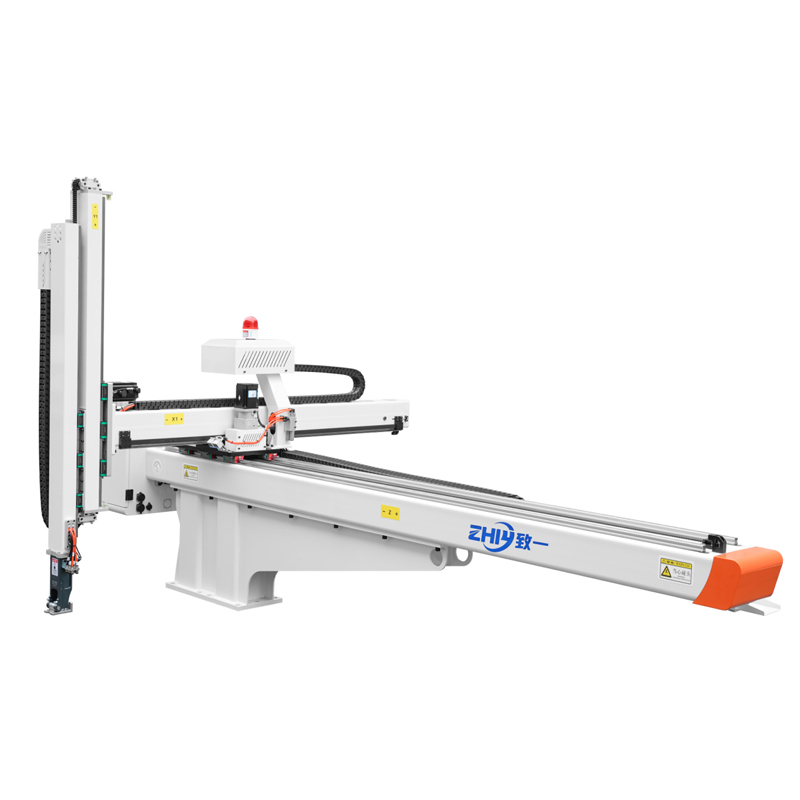
Considerations for logistics, transportation, and customs clearance when purchasing a five-axis servo robot
Purchasing a Five-Axis Servo Robot: Logistics, Transportation, and Customs Clearance Considerations
In the field of industrial automation, five-axis servo robots, with their high precision and flexibility, have become core equipment for many manufacturers to improve production efficiency. However, when purchasing five-axis servo robots from overseas suppliers, logistics, transportation, and customs clearance often present numerous challenges. If handled improperly, this can not only lead to equipment delivery delays and additional costs, but can also cause equipment damage, impacting production plans. This article will detail the key logistics and customs clearance considerations when purchasing five-axis servo robots from four perspectives: pre-purchase preparation, the entire logistics and transportation process, key customs clearance points, and risk mitigation strategies. This will help companies successfully complete equipment procurement and implementation.
First, Pre-purchase Preparation: Paving the Way for Logistics and Customs Clearance
Before embarking on a five-axis servo robot purchase, thorough pre-purchase preparation is essential for mitigating logistics and customs clearance risks. Many companies focus on equipment specifications and price negotiations, but overlook the preparatory work related to logistics and customs clearance, resulting in a passive process. The following three key preparation steps require special attention:
1. Clarify basic equipment information and ensure compliance with transportation standards
Five-axis servo robots are precision industrial equipment. The weight, dimensions, and materials of their core components (such as servo motors, reducers, and control systems) directly impact transportation options and customs clearance requirements. The following information should be clearly documented with suppliers during the initial procurement phase:
Equipment specifications: This includes standalone weight (accessories included must be separately specified), overall dimensions (length × width × height, accurate to the nearest centimeter), and packaged gross weight and volume (used for calculating freight costs and determining the transport vehicle's carrying capacity);
Core component list: This includes the servo motor model, reducer brand, and control system type (such as PLC model) to avoid delays during customs clearance due to missing component information;
Hazardous goods identification: Some five-Axis Robots may contain flammable media in their hydraulic systems or lubricating components. Suppliers should be requested to provide a "Hazardous Goods Classification Report" in advance to confirm whether they fall within cross-border transport regulations. This can prevent shipments from being detained due to misreporting.
2. Select professional logistics service providers and clarify responsibilities
Transporting five-axis servo Robotic Arms requires extremely high levels of professionalism from logistics service providers. Regular freight companies often lack experience transporting precision equipment, making it prone to equipment failures caused by bumps and vibrations. When selecting a logistics service provider, focus on the following capabilities:
Industry Experience: Prioritize providers with experience in cross-border transportation of Industrial Robots/precision equipment. Require them to provide past transportation solutions (e.g., whether they use vibration-resistant pallets or temperature-controlled containers) and customer feedback.
Qualification Certification: Verify that the service provider possesses an International Freight Forwarding Enterprise Registration Certificate and a Non-Vessel Operating Common Carrier (NVOCC) Business Qualification Registration Certificate. If transporting dangerous goods, they must also possess a Road Transport Permit for Dangerous Goods or equivalent international transportation qualifications.
Contract Clauses: The transportation contract should clearly define liability for equipment damage (e.g., if damage during transportation is caused by improper packaging or excessive vibration, the logistics provider will be responsible for repairs or compensation), and delay compensation (e.g., if the goods arrive late due to the logistics provider's fault, a daily penalty of 0.5%-1% of the contract value will be paid). Furthermore, require the logistics provider to provide full-process cargo tracking services (e.g., real-time GPS tracking and node update notifications) to ensure that the company is aware of the status of the goods at all times.
Second, the entire logistics and transportation process: meticulous control from packaging to delivery
The precision of the five-axis servo robot dictates that its transportation process requires "full-time protection." Negligence at any stage could result in irreversible losses. The following details key transportation considerations from three perspectives: packaging, transportation method selection, and in-transit monitoring.
1. Packaging: The "First Line of Defense" for Precision Equipment
Packaging is key to preventing equipment damage during transportation. A customized packaging plan should be developed based on the equipment structure and transportation environment. Avoid using generic cardboard or simple wooden boxes.
Inner Protection: Core components such as servo motors and reducers should be wrapped with pearl cotton (minimum 5cm thick) and bubble wrap (at least three layers). Cushioning foam should be placed between the component and the packaging box to prevent movement. Control system circuit boards should be placed in separate anti-static bags and then in waterproof, sealed boxes to prevent damage from moisture and static electricity.
Outer Packaging: Customized plywood boxes (minimum 15mm thick) should be used. Metal reinforcement strips should be installed inside the boxes. Universal wheels should be installed on the bottom for easy loading and unloading, and anti-slip mats should be installed to prevent slipping during transportation. If the equipment weighs more than 500kg, forklift slots must be installed on the bottom of the wooden box to facilitate loading and unloading.
Clear labeling: Affix warning signs such as "Precision Equipment, Handle with Care," "Place Upward," "Moisture-Proof," and "Shockproof" to prominent locations on the outside of the box (using fluorescent stickers for visibility at night or in dimly lit environments). Also note the equipment name, model, gross weight, volume, and the recipient's contact information to prevent misdirection or loss.
2. Transport Method Selection: Balancing Efficiency and Safety
Cross-border transportation of five-axis servo robots primarily involves sea or air transport. The choice should be based on the urgency of the purchase, the number of units, and the budget. Considerations for both methods are as follows:
Sea transport (suitable for large-volume, non-urgent purchases):
Advantages: Low freight costs (approximately 1/3-1/5 of air transport), high carrying capacity, and suitable for transporting multiple robots simultaneously.
Notes: Choose "full container load" (FCL) rather than "less than container load" (LCL) to avoid squeezing and collisions caused by mixing with other goods. Sea transport takes a long time (usually 15-30 days). Moisture-proofing agents should be placed inside the wooden crates (2-3 packages per cubic meter, each weighing at least 500g). A temperature and humidity recorder should also be installed inside the container to monitor temperature and humidity changes during transportation (optimal temperature 5-35°C, humidity 10-15°C). 40%-60%). If the amount exceeds this range, notify the logistics provider immediately to adjust.
Air Freight (Suitable for urgent purchases, single equipment):
Advantages: Fast delivery (usually 3-7 days), quickly meeting emergency production needs.
Notes: Verify that the airline has "precision equipment air freight qualifications" to avoid equipment that is overweight (a single five-axis robot typically weighs 300-1000kg) or out-of-specification and cannot be loaded. Air freight requires higher packaging strength, and steel strapping should be added to the exterior of the wooden crate to prevent cracking due to pressure fluctuations during high-altitude transportation. Also, check the destination airport's loading and unloading equipment in advance (for example, whether there are heavy forklifts or lifting equipment) to avoid delays due to unloading problems at the airport.
3. In-transit Monitoring: Real-time Tracking and Prompt Response to Abnormalities
Dynamic monitoring during transportation is a crucial means of risk mitigation. Enterprises should collaborate with logistics providers to establish a multi-node monitoring mechanism:
Transportation Node Confirmation: Require logistics providers to promptly provide documentation (such as shipping documents, waybill numbers, arrival notices, and scanned copies of customs clearance documents) at key milestones, including shipment, loading, arrival, customs clearance, and door-to-door delivery, ensuring traceability at every stage.
Abnormal Situation Handling: In the event of force majeure factors such as typhoons, port congestion, and flight delays, logistics providers must provide an "Abnormal Situation Explanation" and "Response Plan" (such as rerouting, changing flights/vessels), and simultaneously update the estimated time of arrival (ETA) within 24 hours. Any abnormal positioning of cargo (such as deviation from the planned route or prolonged delays) must be communicated with the logistics provider immediately to investigate any issues with cargo loss or detention.
Third, customs clearance: Compliance with customs declarations is key to avoiding customs bottlenecks.
Customs clearance for five-axis servo robotic arms involves multiple steps, including equipment classification, document preparation, and tax calculation. Failure to comply with customs declaration regulations can result in customs inspections, detentions, fines, and even affect the company's subsequent import qualifications. The following details customs clearance precautions from three aspects: pre-clearance preparation, declaration key points, and handling customs inspections:
1. Pre-clearance: Prepare complete documents in advance and confirm classification and tax rates
The completeness and accuracy of customs clearance documents are prerequisites for smooth customs clearance. Companies should prepare the following documents 7-10 days before the arrival of goods and confirm the equipment classification and import tax rates:
Core Document List:
Commercial Invoice (must indicate equipment name, model, quantity, unit price, total price, trade terms such as FOB/CIF, and payment method);
Packing List (must be consistent with the commercial invoice, indicating the gross weight, volume, and detailed contents of each package);
Bill of Lading (ocean bill of lading or air waybill, confirming the consignee and notify party information is correct and that the bill of lading endorsement meets the requirements);
Certificate of Origin (if the equipment is from a country with a free trade agreement with China/ For regions such as ASEAN and the EU, you can provide a certificate of origin to apply for tariff reductions and exemptions, reducing procurement costs.
Equipment manual (must include the device's operating principle, core component list, and technical specifications, with both Chinese and English translations to facilitate customs understanding of the device's functions).
Import license (If the five-axis servo robot is classified as "automatic import licensing goods," you must apply for an automatic import license in advance from the Ministry of Commerce or local commerce authorities to avoid detention due to unlicensed import).
Equipment classification and tax rate confirmation: According to the "Customs Tariff of the People's Republic of China," five-axis servo robots are generally classified as "industrial robots" with a tax code of "90138030" (the specific classification depends on the device's function and structure. It is recommended to consult a professional customs broker or customs classification center). Import tariffs are generally 5%-8%, and the VAT rate is 13%. It is necessary to calculate tax costs in advance and prepare sufficient funds for payment.
2. Declaration Key Points: Declare Truthfully, Avoid Under-Declaration or Concealment
When declaring for customs clearance, strictly adhere to the principle of "truthful declaration" to avoid risks caused by "under-declaring prices" or "concealing components":
Price Declaration: The price on the commercial invoice must be consistent with the actual transaction price (including the price of the equipment, accessories, freight, insurance, etc. If using the CIF trade term, the freight and insurance amounts must be indicated). This prevents customs from identifying "smuggling" due to "under-declaration" and facing fines (usually 1-3 times the unpaid tax) or confiscation of goods. If the equipment is a "sample" or "trial pack," a "Declaration of No Commercial Value" must be provided, stating "For testing purposes only, not for sale" to avoid overpaying taxes and fees by declaring it as normal goods.
Component Declaration: All equipment components (including servo motors, reducers, cables, control systems, etc.) must be fully listed on the packing list and declaration form to avoid customs clearance delays caused by "concealing core components" during inspection. If the components involve For "3C Certification" (such as for motors and electrical components), the "China Compulsory Certification Certificate" (3C Certificate) must be provided in advance. Components without 3C Certification must apply for a "3C Exemption Certificate"; otherwise, customs clearance will be denied.
3. Customs Inspection: Actively Cooperate and Prepare in Advance
Five-axis servo robotic arms are precision equipment and are of high value, making them more likely to be inspected by customs. Companies must prepare in advance and actively cooperate with customs inspections to avoid delays caused by inappropriate responses:
Pre-Inspection Preparation: Before the goods arrive at the port, communicate with the customs broker to understand the common points of customs inspection (such as whether the equipment is consistent with the declared information, whether the components are complete, and whether there is any hidden cargo). Prepare the equipment manual, parts list, and other materials to facilitate customs inspection. If the equipment requires power testing, prepare a power adapter (compliant with Chinese voltage standards) in advance. 220V) to allow customs to verify the device's functionality.
Cooperation During the Inspection Process: During customs inspection, a technician familiar with the equipment must be present to assist customs in verifying the model, quantity, and components of the equipment and answer any questions regarding its functionality. If customs requires unpacking for inspection, instruct loading and unloading personnel to handle the equipment with care to avoid damage during unpacking. After the inspection is completed, confirm the customs' comments on the inspection records. If any objections arise, promptly communicate with the customs broker and customs to avoid subsequent issues caused by discrepancies in the records.
Post-Inspection Processing: If the inspection is normal, customs will issue a "Notice of Inspection and Release" and you may proceed with customs clearance procedures. If the inspection reveals any issues (such as discrepancies in the declaration or missing documents), you must promptly provide additional information (such as re-submitting the certificate of origin or applying for a 3C exemption certificate) or make corrections (such as correcting the declared information) as required by customs. Once the corrections are completed, reapply for inspection to ensure expedited clearance.
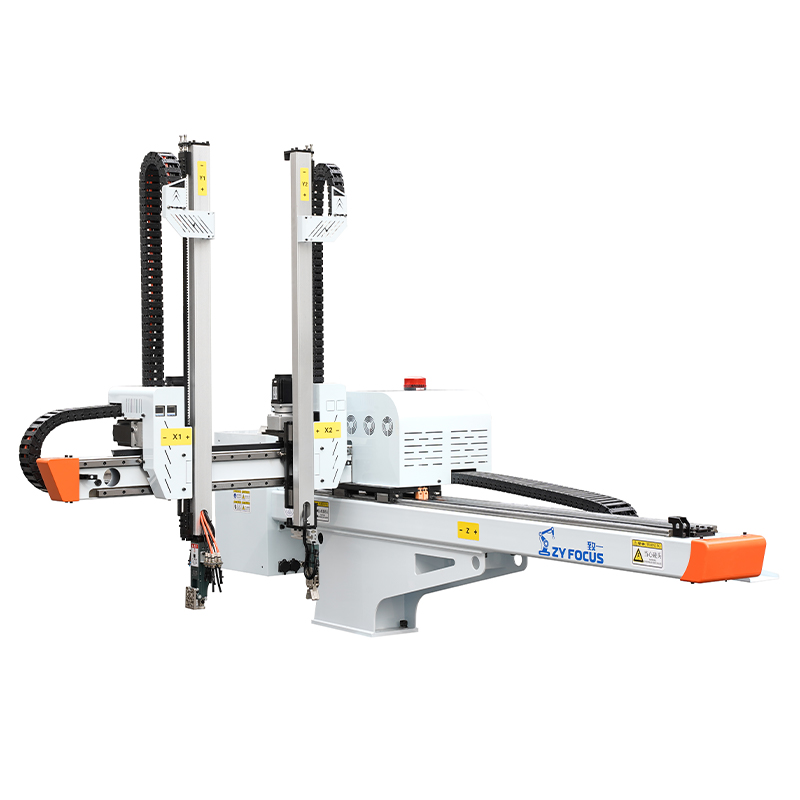
Fourth, risk response strategy: Establish a "contingency plan + review" mechanism to mitigate losses.
Even with thorough preparation, unexpected situations can still arise during the logistics and customs clearance process. Companies need to establish a "risk contingency plan + post-event review" mechanism to minimize losses and improve subsequent procurement efficiency:
1. Risk Contingency Plan: Develop a response plan in advance to reduce losses
For common risks that may arise during logistics and customs clearance, a "tiered response plan" should be developed in advance:
Equipment Damage Risk: During procurement, sign an "Equipment Warranty Agreement" with the supplier to clearly define the repair responsibilities for damage during transportation (for example, the supplier must provide a repair plan within 72 hours of receiving notification of damage, and the repair costs will be borne by the responsible party). Also, purchase "cross-border transportation insurance" for the equipment (e.g., all-risk insurance with an insurance coverage of at least 110% of the total equipment value). This insurance covers equipment damage caused by collision, vibration, fire, natural disasters, and other risks during transportation, ensuring that insurance claims can be used to reduce costs in the event of losses.
Customs Delay Risk: In the procurement contract, agree with the supplier on "Customs Delay Liability" (if customs clearance is delayed due to incomplete documents provided by the supplier, the supplier will bear the penalty for late delivery). Also, reserve a "buffer period" to stagger the equipment's estimated arrival time with the company's production needs (e.g., prior to the arrival of the equipment). Shipment can be arranged within 15-20 days) to avoid production disruptions caused by customs clearance delays.
Risk of increased taxes and fees: Communicate with the customs broker in advance to confirm the accuracy of the equipment classification to avoid overpayment of taxes and fees due to incorrect classification. If customs objects to the declared price, prepare "price supporting materials" (such as past transaction contracts, market prices for similar equipment, and supplier cost accounting statements) in advance to prove the reasonableness of the declared price to customs and avoid overestimation of the price by customs, which could lead to increased taxes and fees.
2. Post-event review: Summarize lessons learned and optimize subsequent processes
After each purchase, companies should organize a post-event review meeting with logistics, procurement, finance, and other relevant departments to review issues and lessons learned during the logistics and customs clearance process:
Issue analysis: Record any problems encountered during the purchase (e.g., delayed delivery by the logistics provider, missing customs clearance documents, goods detained by customs), and analyze the causes (e.g., inadequate initial document preparation, incorrect logistics provider selection, incorrect declaration information, etc.);
Learnings: Develop "improvement measures" for each issue (e.g., updating the document preparation checklist, establishing a logistics provider evaluation system, optimizing the declaration process), and incorporate these lessons learned into the "Procurement SOP" (Standard Operating Procedure) to ensure similar issues are avoided during subsequent purchases;
Partner evaluation: Assess the satisfaction rating of the logistics provider and customs broker (based on service response speed, professionalism, cost control, and problem-solving capabilities). Select high-quality partners for long-term partnerships and eliminate those with poor service and inefficiency.
Conclusion
The logistics, transportation, and customs clearance aspects of purchasing a five-axis servo robotic arm are a systematic project, requiring meticulous management across four dimensions: pre-production preparation, transportation control, customs clearance compliance, and risk mitigation. Companies should not only focus on the quality and price of the equipment itself, but also on the hidden costs and risks of logistics and customs clearance. By selecting professional partners, thoroughly preparing documentation, and establishing a monitoring mechanism, they can ensure smooth delivery and implementation of the equipment. Only by integrating logistics and customs clearance into the overall procurement process can we truly achieve efficient procurement of five-axis servo robotic arms and provide a solid foundation for companies upgrading to automated production.