
Leave Your Message
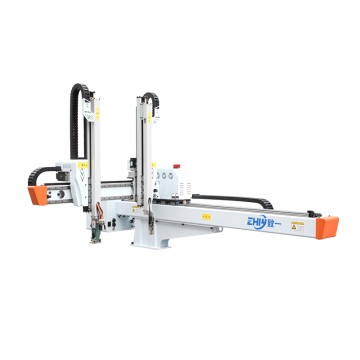
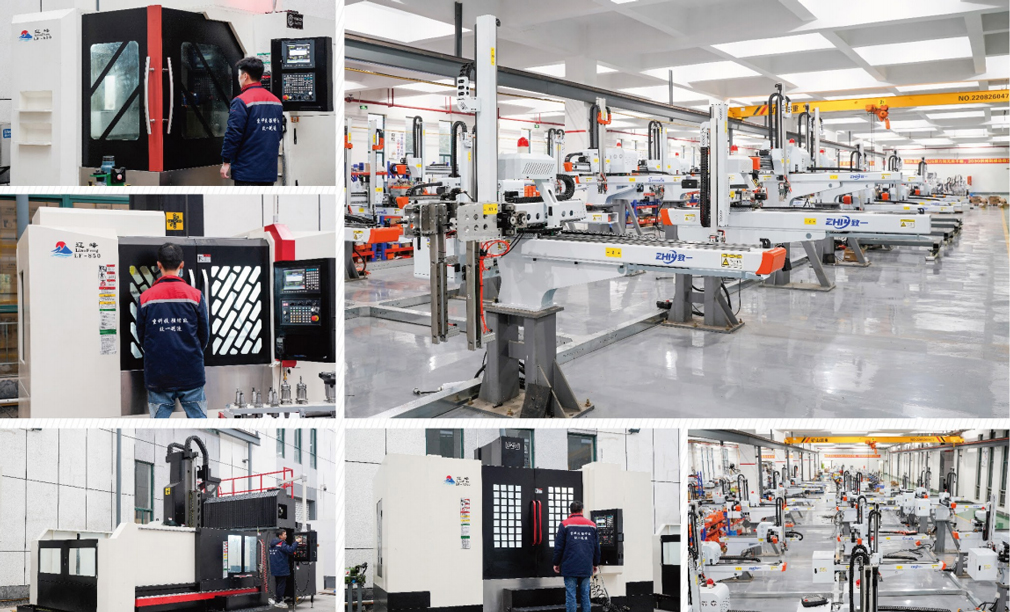
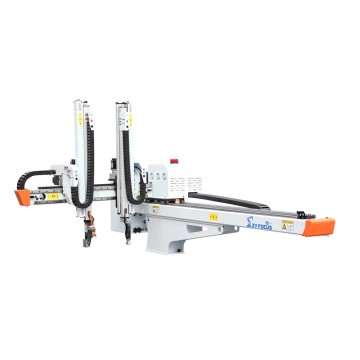
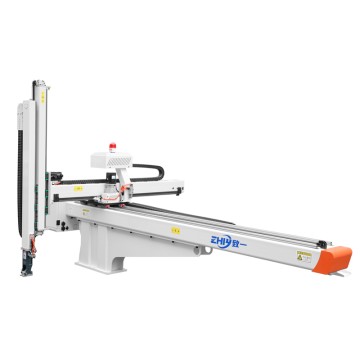
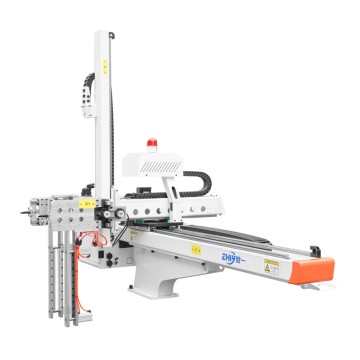
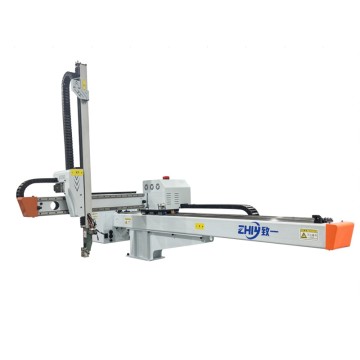
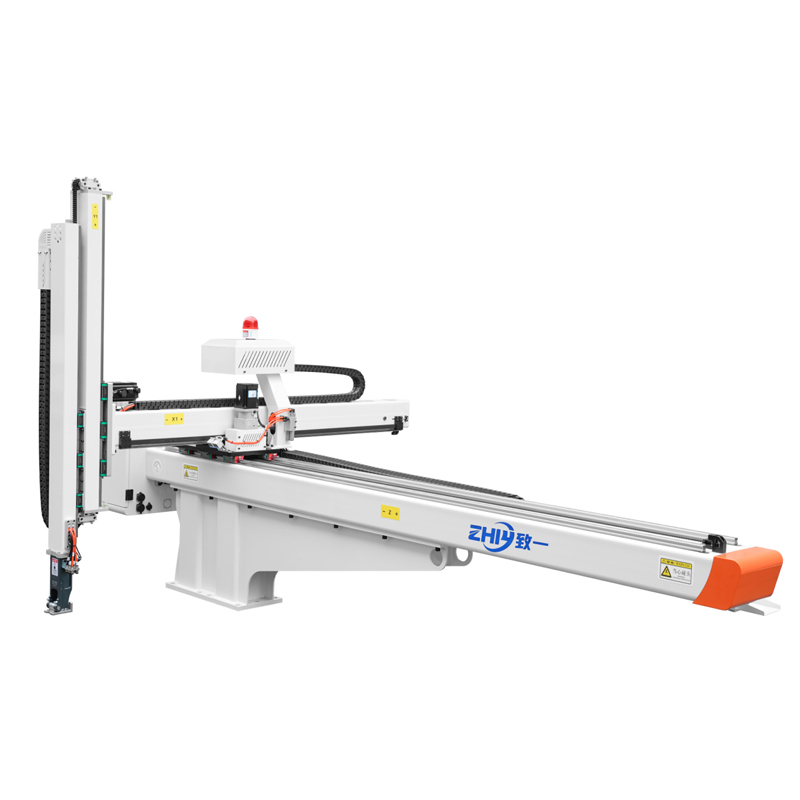
Comparison of Three-Axis Servo Robot Selection in Different Application Scenarios
Comparison of Three-Axis Servo Robot Selection in Different Application Scenarios
Three-axis servo robots, with their high precision, high stability, and flexible adaptability, have become core automation equipment in industries such as electronics manufacturing, packaging and sorting, and injection molding. For international buyers and distributors, precise selection based on application scenarios can not only improve customer production efficiency but also reduce after-sales maintenance costs. This article will start from the core selection dimensions, combined with five mainstream application scenarios, to break down the selection logic and key comparison points, helping to quickly identify the optimal solution.
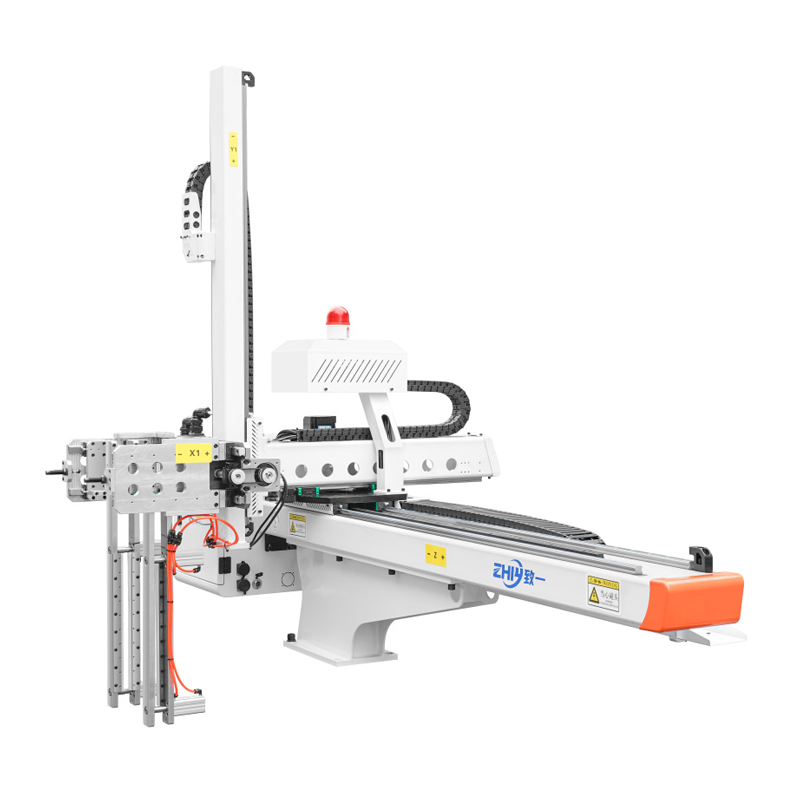
I. Core Dimensions of Three-Axis Servo Robot Selection (Key to Procurement Decisions)
Before selection, three core dimensions need to be clarified, which are the foundation for matching the scenario and avoiding blindly pursuing parameters or ignoring key requirements:
Load Capacity: Must cover the weight of the workpiece + the weight of the fixture, with a 10%-20% margin to prevent long-term full-load operation from affecting lifespan.
Repeat Positioning Accuracy: A core indicator, divided into ±0.01mm (high-precision scenarios), ±0.02-0.05mm (general scenarios), and ±0.1mm (coarse-grained scenarios) according to scenario requirements.
Motion Performance: Including maximum speed, acceleration, and stroke range, it must be adapted to production cycle time and workspace limitations.
Environmental Adaptability: For special working conditions such as high temperature, dust, and humidity, the corresponding protection level (IP54 and above) and temperature resistance design must be selected.
Compatibility: It must match the customer's existing control system (such as PLC, CNC), fixture type, and production line layout.
II. Comparison and Practical Suggestions for Five Main Application Scenarios
Scenario 1: Electronic Manufacturing (PCB Board Handling, Component Assembly)
Scenario Characteristics: Thin and light workpieces (weight 0.1-2kg), compact workspace, fast cycle time (3-8 seconds per cycle), with extremely high requirements for accuracy and stability.
Core Requirements: High repeatability, high-speed response, lightweight design to avoid damage to precision components.
Recommended Selection: Lightweight three-axis servo robot with a load capacity of 1-3kg, repeatability of ±0.01-0.02mm, X/Y axis travel of 500-1500mm, and Z axis travel of 200-500mm.
Comparative Advantages: Compared to general-purpose equipment, the lightweight design can increase movement speed by more than 30%, and high-precision positioning can reduce the defect rate of component assembly. It is suitable for cleanroom environments in electronics factories.
Scenario 2: 3C Product Assembly (Mobile Phone/Computer Component Assembly)
Scenario Characteristics: Multi-batch, small-volume production; irregular workpiece shapes (such as shells, interfaces); frequent fixture changes required; high requirements for flexibility and compatibility.
Core Requirements: Adjustable travel, quick mold change function, integration with vision systems, and a load range covering 2-5kg.
Recommended Selection: A general-purpose three-axis servo robot with a load capacity of 2-5kg, repeatability of ±0.02mm, X/Y axis travel of 800-2000mm, and Z axis travel of 300-600mm, supporting pulse/bus control.
Comparative Advantages: Bus control mode allows for quick integration with vision positioning systems; adjustable travel adapts to different 3C product models; mold changeover time is reduced to within 5 minutes, meeting the needs of multi-variety production.
Scenario 3: Packaging and Sorting (Food/Daily Necessities Boxing, Express Sorting)
Scenario Characteristics: Uneven workpiece weight (0.5-10kg), simple workflow, stable cycle time (5-12 seconds per cycle), and adaptability to dusty or slightly humid environments.
Core Requirements: Large load margin, high protection level, continuous operation stability, and some scenarios require compatibility with conveyor belt linkage.
Recommended Selection: Heavy-duty three-axis servo robot with a load capacity of 5-12kg, repeatability of ±0.03-0.05mm, X/Y axis stroke of 1000-3000mm, Z axis stroke of 400-800mm, and IP54 or higher protection rating.
Comparative Advantages: Compared to light-duty equipment, the heavy-duty design avoids accuracy drift caused by long-term handling of heavy objects. IP54 protection can withstand packaging dust and slight moisture. Integration with conveyor belts improves the automation level of the sorting line.
Scenario 4: Injection Molding Industry (Injection Molded Part Removal, Sprue Cutting)
Scenario Characteristics: High-temperature environment (mold temperature 80-180℃), workpiece with residual heat (temperature 40-60℃), working space close to the mold, requiring high temperature resistance and oil resistance.
Core Requirements: High-temperature resistant materials, long-stroke Z-axis, fast part removal response, load capacity 2-8kg (adjusted according to injection molded part size).
Recommended Selection: A dedicated three-axis servo robot with a load capacity of 3-8kg, repeatability of ±0.02-0.03mm, Z-axis travel of 500-1000mm, and featuring a high-temperature resistant coating and sealed design.
Comparative Advantages: High-temperature resistant materials can withstand ambient temperatures above 120℃; long Z-axis travel is suitable for handling parts from deep-cavity molds; oil-resistant sealing design extends the lifespan of the servo motor and guide rails; and the handling cycle time is 20% faster than general-purpose models.
Scenario 5: Warehousing and Logistics (Small Goods Handling, Shelf Storage and Retrieval)
Scenario Characteristics: Wide operating range (large X/Y axis travel requirements), regular workpieces (e.g., cartons, boxes), requiring long-term continuous operation (8-12 hours/shift), and high requirements for endurance stability and positioning accuracy.
Core Requirements: Large travel, high load stability, low energy consumption design; some scenarios require compatibility with AGV linkage.
Recommended Selection: A long-stroke three-axis servo robot with a load capacity of 5-10kg, repeatability of ±0.03mm, X/Y axis travel of 1500-4000mm, and Z axis travel of 800-1500mm, supporting continuous operation for extended periods.
Comparative Advantages: The long-stroke design covers multi-level storage and retrieval needs of warehouse racking; the low-energy servo system reduces long-term operating costs; and the integration with AGVs enables unified "picking-handling-storage" operations, improving warehouse automation efficiency.
III. Common Selection Misconceptions
Misconception 1: Blindly pursuing high parameters. High-precision, high-load equipment is more expensive. If the scenario requirements are simple (such as ordinary sorting), a general-purpose model is sufficient to avoid over-investment.
Misconception 2: Ignoring load margin. Selecting a model solely based on workpiece weight without considering the weight of fixtures and accessories leads to long-term overload operation and shortens the equipment's lifespan.
Misconception 3: Ignoring environmental adaptability. Using ordinary protective equipment in high-temperature and dusty environments can easily lead to motor failures or accuracy drift, increasing after-sales costs.
Misconception 4: Neglecting compatibility. Failure to confirm the equipment's compatibility with the customer's existing control system and production line layout beforehand results in extended installation and commissioning cycles.
IV. Specific Selection Recommendations for International Buyers
Prioritize equipment that supports internationally recognized control protocols (such as Modbus and EtherCAT) for easy integration and commissioning by global customers.
Pay attention to equipment certifications (such as CE and UL certifications) to ensure compliance with target market safety standards and reduce customs clearance and sales risks.
Choose brands with convenient spare parts supply and timely global after-sales response to reduce maintenance waiting time for overseas customers.
Based on the mainstream application scenarios in the target market (e.g., Europe focuses on precision manufacturing, Southeast Asia focuses on light industrial packaging), strategically reserve core models.
#Robot Eoat#3 Axis Cartesian Robot#Sprue Pickers#Robots From Robots#Robots For Robots#Imm Robot