
Leave Your Message
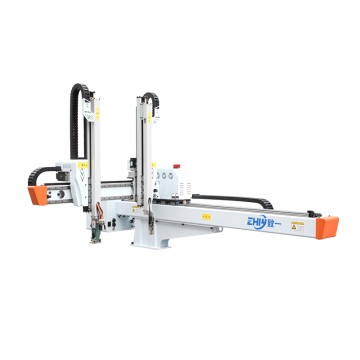
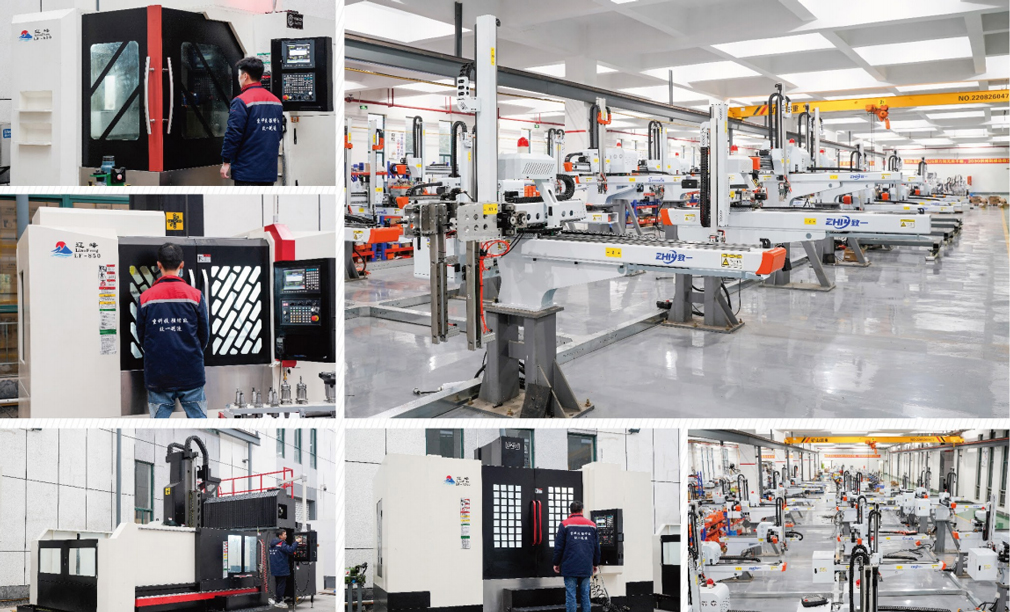
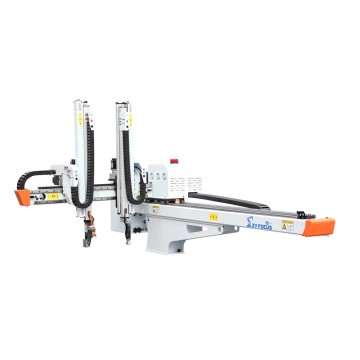
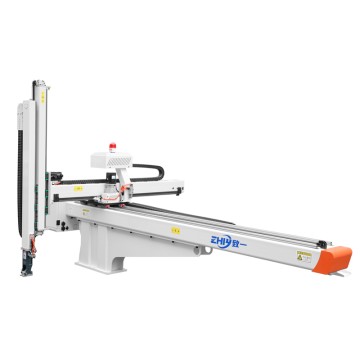
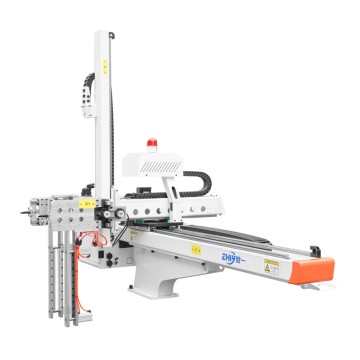
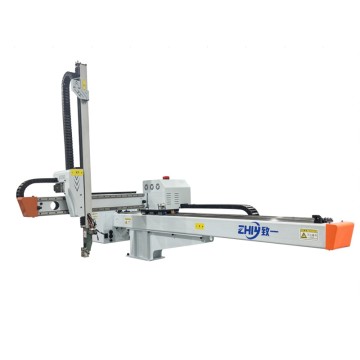
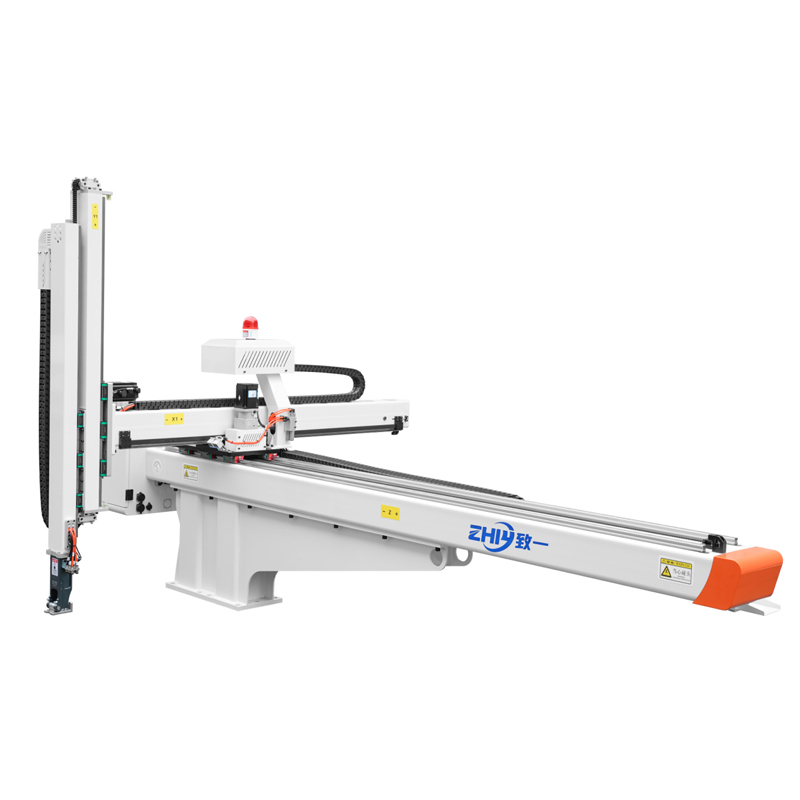
Common problems and maintenance methods of servo manipulators
Servo Manipulators are increasingly used in industrial automation, but they may also encounter various faults. Here are some common problems with servo manipulators and their maintenance methods:
1. Insufficient shaft force
Problem description: Aging of the transmission device, changes in the transition hole, damage to parts or lack of lubrication may lead to insufficient shaft force, causing the manipulator to jam and affect performance.
Repair method: Determine the correct transmission ratio based on the performance and use conditions of the manipulator, and regularly check the status of the transmission device and replace damaged parts in time
2. Failure of electronic components
Problem description: Damage or aging of electronic components, unstable power supply voltage, etc. may cause electronic components to fail.
Repair method: Select high-quality electronic components, regularly maintain the manipulator, replace damaged electronic devices in time, and check the stability of the power supply voltage to ensure stable operation of the manipulator
3. Failure of servo motor
Problem description: The servo motor is the core component of the manipulator's performance. Once it fails, the manipulator will not be able to operate normally.
Maintenance method: Check the status of the servo motor's circuit, bracket and transmission device, use appropriate control programs and signal flows, and replace defective parts in time to ensure the accuracy and stability of the servo motor
4. The robot does not run or runs slowly
Problem description: Control system failure, motor damage, cable failure, etc. may cause the robot to not run or run slowly.
Maintenance method: Check the robot's control system to ensure that each connection is normal. Check the gears and belts of the transmission part to confirm whether there is wear or looseness, and replace them in time
5. The Robot Shakes or moves unsmoothly
Problem description: The robot is too heavy or moves too fast, causing the robot to lose balance during movement.
Maintenance method: Appropriately reduce the speed of the robot or increase the weight of the robot to make the Robot Move more smoothly
6. The robot cannot capture objects
Problem description: Fixture failure, sensor abnormality, camera failure, etc. may cause the robot to be unable to capture objects.
Repair method: Check whether the fixture is loose or damaged, whether the sensor signal line is connected normally, and whether the connection between the camera and the control system is normal, and make corresponding repairs or replacements
7. The manipulator cannot accurately locate the object
Problem description: Sensor failure, motor failure, position sensor failure, etc. may cause the manipulator to be unable to accurately locate the object.
Repair method: Check the position sensor to ensure that the position sensor is connected normally. Check whether the motor is damaged or loose, and tighten or replace it. If the sensor fails, replace it with a new sensor
Through the detailed analysis of the above common problems and the introduction of repair methods, we can see that regular inspection and maintenance are the key to ensuring the normal operation of the servo manipulator. Through timely fault diagnosis and repair, production interruptions can be minimized and production efficiency can be improved.