
Leave Your Message
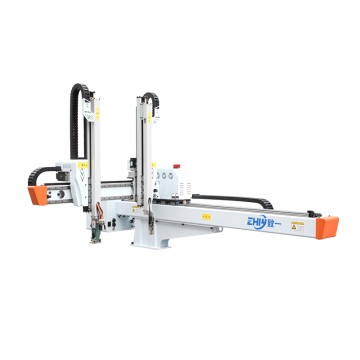
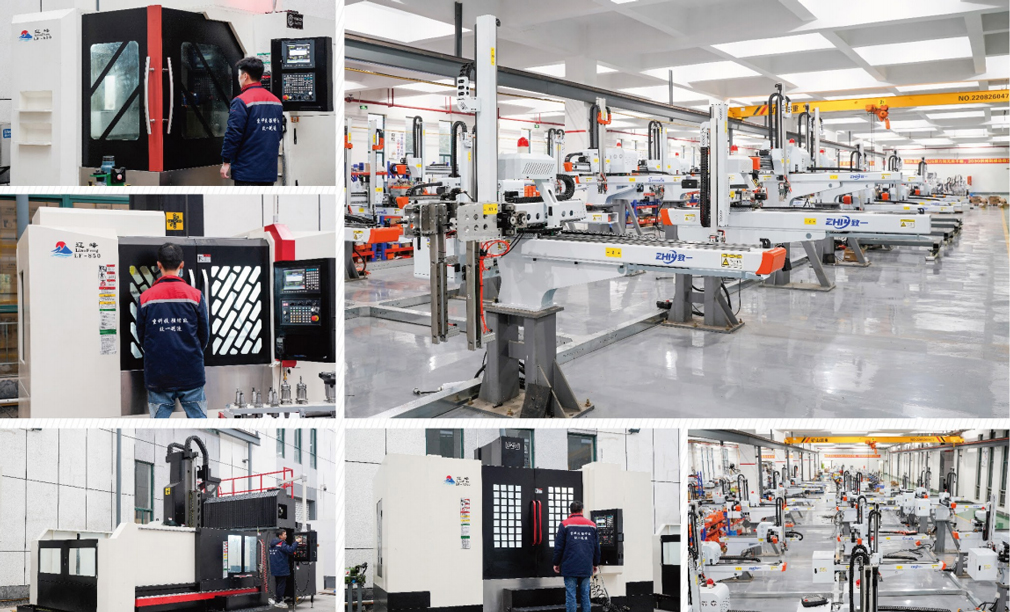
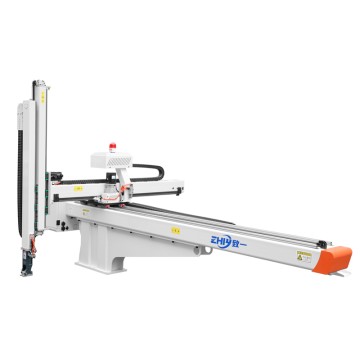
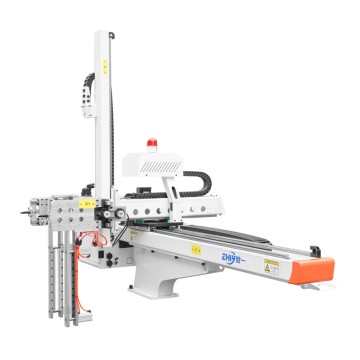
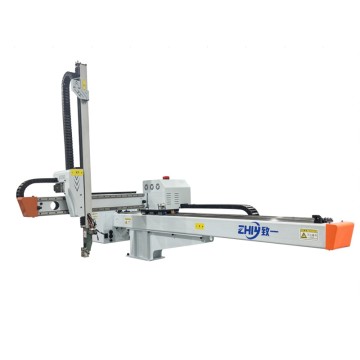
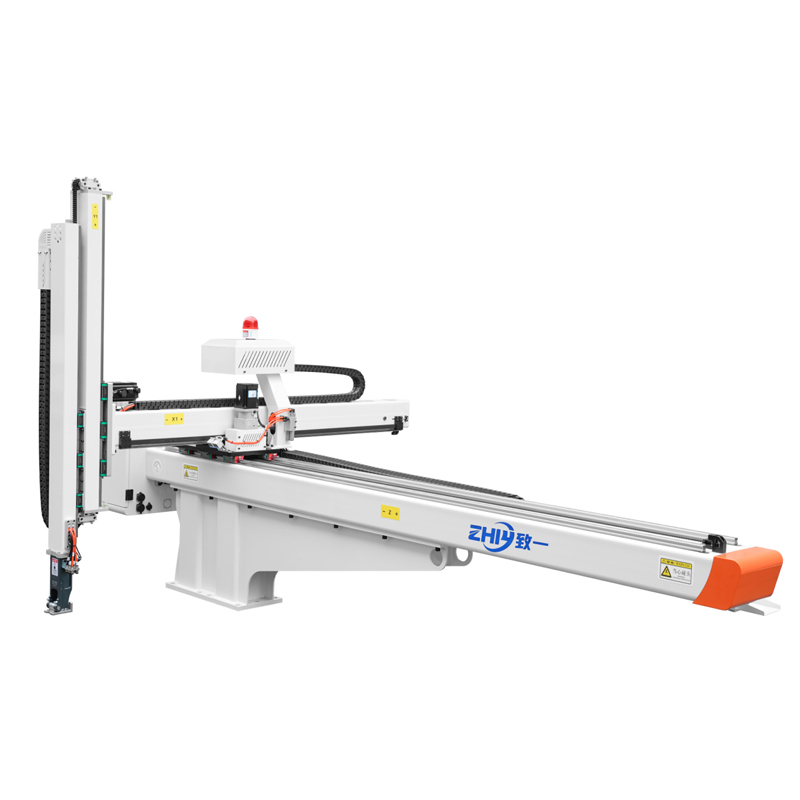
Boosting SMT Assembly Efficiency: 3 Case Studies on Servo Robots
Breakthroughs in Electronic Product Production Line Efficiency: Three International Client Case Studies of Precise SMT Assembly Using Three-Axis Servo Robots
In the electronics manufacturing industry, the precision and efficiency of the SMT process directly determine production line capacity and product yield. International wholesale buyers, when selecting equipment, are most concerned with "whether it can solve actual production pain points," "whether the input-output ratio is reasonable," and "whether it can adapt to multi-category production needs"—and three-axis servo robots, with their high stability and high precision, have become a core choice for many multinational electronics companies to optimize their SMT processes. The following three case studies from international clients in different regions and with different product lines will break down the application value of three-axis servo robots in electronic product SMT scenarios, providing buyers with practical solutions for reference.
I. International Client Case Studies: From Pain Points to Breakthrough Implementation Paths
We selected client case studies from three core regions of the electronics manufacturing industry: Southeast Asia, Europe, and North America, covering three major sub-sectors: consumer electronics, automotive electronics, and medical electronics. Each case focuses on three core aspects: "pre-operative pain points - equipment selection - implementation results," revealing the practical application value of three-axis servo robots.
Case Study 1: Southeast Asian Consumer Electronics OEM – Solving the Pain Points of Slow Changeover and High Human Error
Client Background: An electronics OEM manufacturer in Vietnam primarily produces small-volume electronic products such as smartphone chargers and wireless earphones for international brands. It needs to change over 5-8 SMT batches daily and previously used a "manually assisted semi-automatic SMT equipment" model.
Core Pain Points: High manual alignment accuracy error (±0.15mm) resulted in a SMT yield of only 85%; manual adjustment of fixtures was required during changeovers, with each batch changeover taking over 20 minutes, limiting daily production capacity to 12,000 units.
Equipment Solution: A three-axis servo robot with a 5kg load capacity and a repeatability accuracy of ±0.02mm was selected, paired with a vision positioning system, adaptable to PCB board SMT requirements ranging from 80mm to 300mm.
Implementation Results: Surface mount yield increased to 99.5%, single-batch changeover time reduced to 3 minutes, daily production capacity exceeded 20,000 units, and labor costs decreased by 40% (from 6 surface mount operators to only 2 equipment inspectors).
Case Study 2: European Automotive Electronics Company – Meeting “High Reliability + Stringent Compliance” Requirements
Client Background: A German automotive electronics component manufacturer, specializing in automotive sensors and central control motherboards. Products must comply with IATF 16949 automotive industry quality standards, requiring extremely high stability in the surface mount process (16 consecutive hours of operation per day, failure rate <0.1%).
Core Pain Points: The existing Japanese brand servo Robotic Arms had long repair cycles (requiring sourcing from Japan, with an average repair time of 7 days) and were incompatible with EU CE certification safety standards, leading to frequent order delays due to equipment downtime.
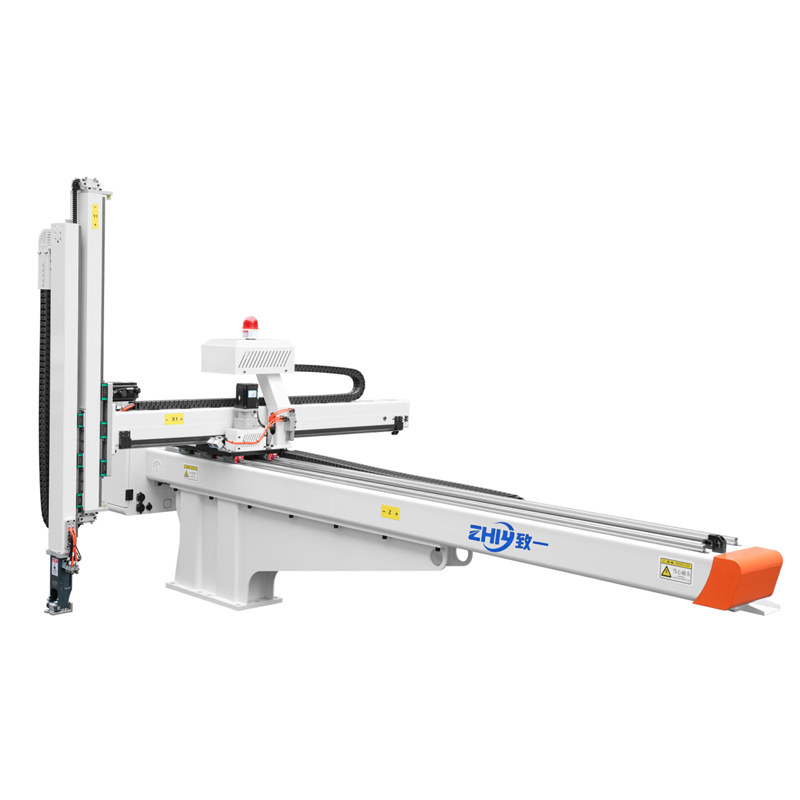
Equipment Solution: A customized CE-certified three-axis servo robot, driven by dual servo motors (independent control of X and Y axes), equipped with a fault warning system and a local spare parts library, and adapted for high-precision surface mount technology (components with a minimum size of 0402 package) on automotive PCBs.
Implementation Results: The daily continuous operation failure rate of the equipment decreased to 0.03%, and the repair response time was shortened to within 4 hours; the surface mount accuracy of automotive sensors stabilized at ±0.015mm, fully complying with the IATF 16949 standard, and the on-time delivery rate increased from 88% to 100%.
Case Study 3: North American Medical Electronics Manufacturer – Achieving "Small Batch High Precision + Flexible Production" Adaptation
Client Background: A US-based medical electronics manufacturer producing core circuit boards for devices such as ECG monitors and blood glucose meters. The characteristics are "small batch sizes (50-200 pieces per batch) and precision components (including microchips and flexible circuit boards)." Previously, they relied on imported high-end surface mount robots, resulting in high procurement costs.
Key Pain Points: Imported equipment costs over $300,000 per unit, with high debugging costs for small-batch production; the equipment software does not support English operation, making employee training difficult.
Equipment Solution: A more cost-effective three-axis servo robot (procurement cost only 60% of imported equipment) is provided, equipped with an English operating interface and flexible fixtures, supporting 0201 ultra-miniature component placement and adapting to the curved surface placement requirements of flexible circuit boards.
Implementation Results: Small-batch placement debugging time was reduced from 4 hours to 1.5 hours; equipment training cycle was reduced from 2 weeks to 3 days; microchip placement yield stabilized at 99.8%; procurement costs were reduced by 40%; and an order for 3 more machines was placed.
II. Core Advantages of Three-Axis Servo Robots in Placement Scenarios: 4 Value Points Buyers Must Understand
A common thread can be extracted from the above international cases—three-axis servo robots do not simply replace manual labor, but rather solve the core contradictions of electronic product production lines through "technical characteristics + scenario adaptation". For international wholesale buyers, the following four advantages directly determine the "return on investment" of the equipment:
**Controllable Precision:** Meets the surface mount requirements of various electronic components. Equipped with imported servo motors and high-precision ball screws, the repeatability accuracy reaches ±0.01mm-±0.03mm, covering surface mount requirements from 0201 micro-components (0.2mm×0.1mm) to large connectors (50mm×20mm), adapting to different precision standards in consumer electronics, automotive electronics, and medical electronics.
**Quantifiable Efficiency:** Dual benefits of cost reduction and increased production. Compared to manual or semi-automatic equipment, the three-axis servo Robot Can achieve a surface mount speed of 300-500 times/hour and supports 24-hour continuous operation. During changeovers, fixture parameters can be switched with a single click via the program, eliminating the need for manual adjustments. Changeover time for a single batch is generally reduced to within 5 minutes, directly improving production line uptime.
**Quantifiable Efficiency:** Dual benefits of cost reduction and increased production. Compliance Adaptation: Equipment meets international market certification requirements. Customized certifications such as CE (EU), UL (North America), and PSE (Japan) can be provided based on the buyer's region. It also meets ESD (Electrostatic Discharge) standards in the electronics manufacturing industry, preventing production halts due to compliance issues.
Localized Service: Addressing After-Sales Concerns in Cross-Border Procurement. For international clients, multilingual operation manuals (English, Spanish, Vietnamese, etc.) and remote debugging services are provided. Spare parts warehouses are located in Southeast Asia, Europe, and North America, ensuring a repair response time within 24 hours, preventing order losses due to equipment downtime.
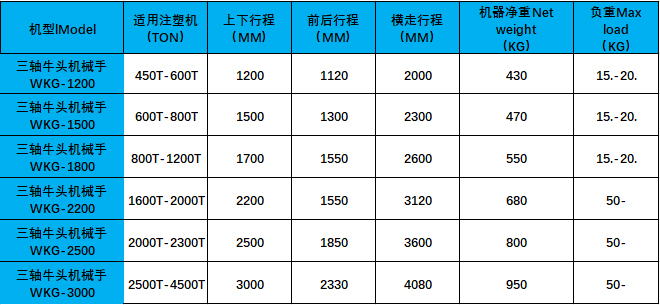
III. International Buyer Selection Guide: How to Match a "Dedicated Solution" to Your Production Line
For buyers of electronic product production lines, "choosing the right equipment" is more important than "choosing the most expensive equipment." The following three steps can help buyers quickly match a three-axis servo robot to their specific needs:
**Identify Core Parameters:** Work backward from production requirements to determine equipment specifications.
**Placement Accuracy:** Determined based on component size (e.g., 0402 package requires ±0.02mm, larger components can be within ±0.05mm);
**Load Capacity:** Selected based on component weight (consumer electronics typically require under 5kg, automotive electronics may require over 10kg);
**Travel Range:** Determined based on PCB board size (standard 80mm×150mm, large motherboards require 300mm×400mm).
**Confirm Scenario Suitability:** Whether customized functions are needed.
If producing flexible circuit boards, additional vision positioning and curved surface bonding modules are required;
If multiple product types need to be changed, equipment supporting "program storage (≥100 sets)" should be selected;
If used in high-temperature/high-humidity workshops, the equipment must have dustproof and waterproof characteristics (IP54 or higher).
Assessing Service Capabilities: After-sales support directly impacts production efficiency. Prioritize suppliers with localized service teams in the target market, confirming whether they provide:
Free on-site installation and employee training (at least 2 sessions);
Equipment warranty period (recommended ≥1 year, core components such as servo motors ≥2 years);
Spare parts supply cycle (local warehouse ≤7 days, cross-border transfer ≤15 days).
Conclusion: From "Case Study Validation" to "Capacity Upgrade," the Practical Value of Three-Axis Servo Robots
The above three international customer case studies fully demonstrate that in the precise placement scenario of electronic products, three-axis servo robots not only solve the traditional pain points of "poor precision, low efficiency, and high cost," but also adapt to the needs of multinational production through compliance and localized services.
#3 Axis Arm#Three Axis Robot Arm#Traverse Robot#Standard Servo#Single Arm Robot