
Leave Your Message
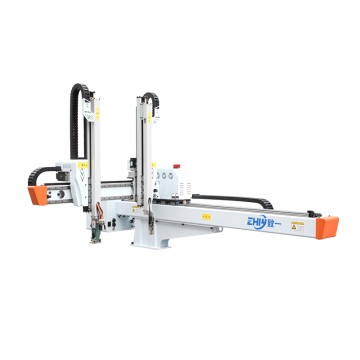
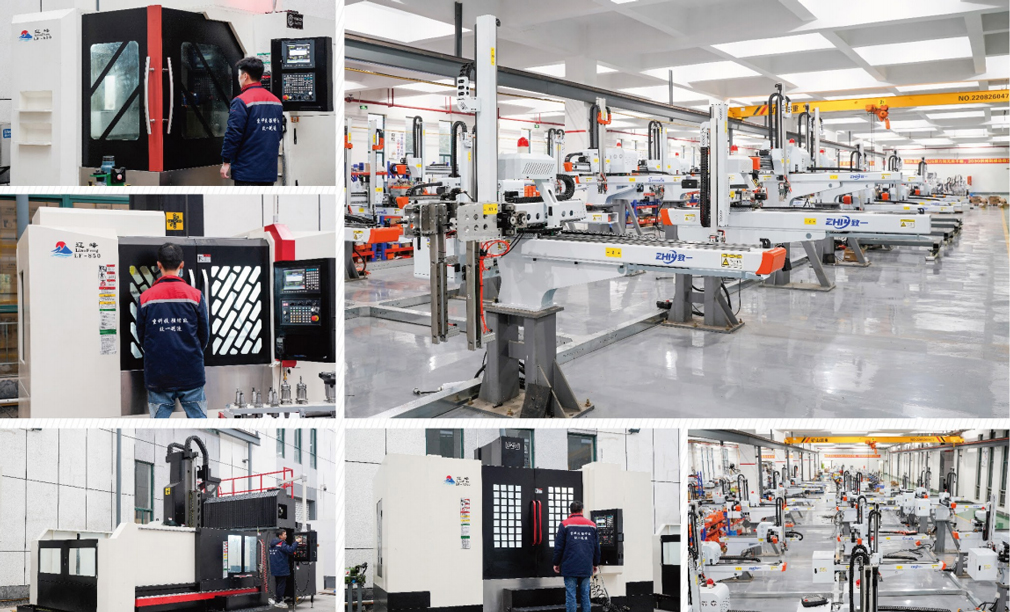
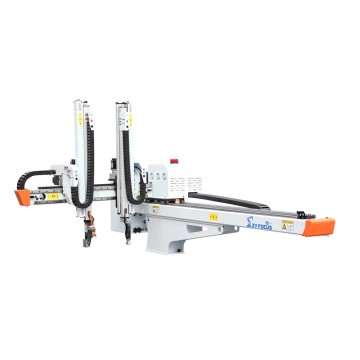
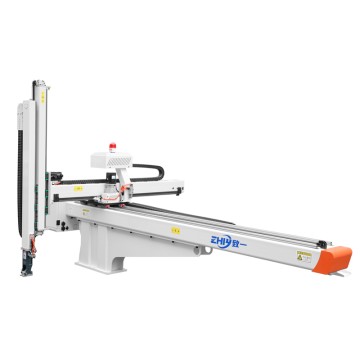
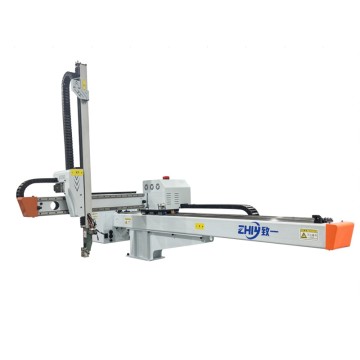
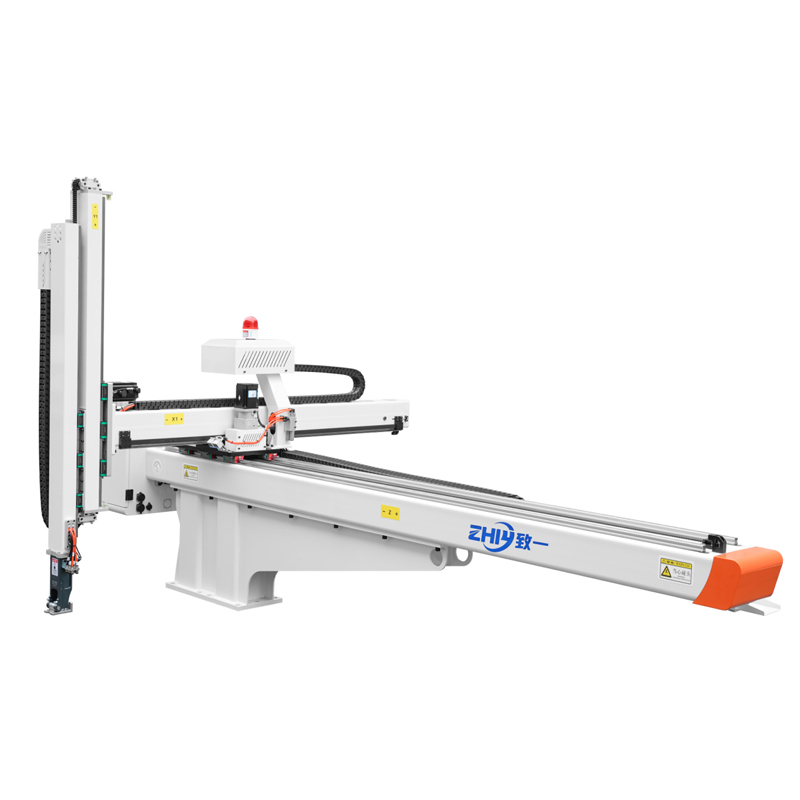
Automotive Parts Manufacturing: A Case Study of Efficient Assembly Using a Three-Axis Servo Robot
Automotive Parts Manufacturing: A Case Study of Efficient Assembly Using a Three-Axis Servo Robot
First, Introduction: Pain Points and Solutions in Automotive Parts Assembly
As the cornerstone of the automotive industry, automotive parts manufacturing places stringent demands on precision, efficiency, and stability in the assembly process. Engine block assembly tolerances must be controlled within ±0.02mm, and transmission gear assembly cycles must meet production requirements exceeding 30 units per minute. Manual assembly not only faces efficiency bottlenecks caused by fluctuating skill levels and repetitive labor, but also struggles to meet the unique requirements of anti-static and oil-free assembly of electronic components in the new energy vehicle era.
With its core advantages of "high-precision positioning + high-speed response + flexible adaptability," three-axis servo robots have become a key piece of equipment to address these pain points. This article will analyze how they achieve breakthroughs in both efficiency and quality through three typical automotive parts assembly cases.
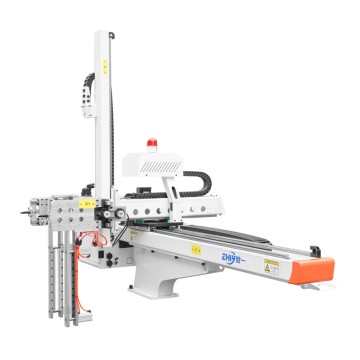
Suitability of Second- and Third-Axis Servo Robots for Automotive Parts Assembly
Before delving into case studies, it's important to clearly identify the key areas where their technical features align with industry requirements:
Precision Matching: Utilizing a Japanese Panasonic servo motor and ball screw drive, the robot achieves a repeatability of ±0.01mm, meeting the press-fit and assembly requirements for precision components such as bearings and gears.
Speed Advantage: Maximum no-load speed reaches 1.2m/s, with an acceleration time of ≤0.3s, matching the continuous assembly cycle after stamping and injection molding.
Flexible Adjustment: Assembly programs can be quickly switched using the Teach Pendant, supporting the integration of 3-5 different component models (e.g., valve guides for engines of varying displacements) on the same production line.
Environmental Compatibility: The IP65 protection rating withstands the oily environment of an engine shop, and an optional anti-static wrist assembly meets the requirements for automotive electronic component assembly.
Third, In-Depth Analysis of Three Typical Assembly Case Studies
Case 1: Automated Assembly of Engine Cylinder Block Bearing Caps (A German Tier 1 Supplier)
1. Project Background
The client's original "two-person + simple pneumatic tool" assembly model presented three key pain points: ① Inconsistent tightening torque of the bearing cap bolts (fluctuation range ±5 N·m), resulting in an engine noise rate of 1.2%; ② Manual handling of the cylinder block (each weighing 35 kg) was prone to bumps and collisions, resulting in a scrap rate of 0.8%; ③ The single-shift production capacity was only 800 units, unable to meet the OEM's delivery requirement of 1,200 units/shift.
2. Three-Axis Servo Robot Solution
Hardware Configuration: X-axis travel 1800mm, Y-axis 800mm, Z-axis 600mm, equipped with a torque-controlled electric screwdriver and vacuum suction cup end effector;
Assembly Process Optimization:
The Robot Uses vision positioning to grasp the cylinder body and transport it to the assembly station (positioning accuracy ±0.02mm);
The Z-axis driven electric screwdriver tightens the bolts in three stages according to a pre-set program (pre-tightening 5N·m → re-tightening 18N·m → final tightening 25N·m), providing real-time torque data feedback;
After assembly, the bearing cap flatness is automatically inspected and defective products are automatically rejected.
3. Implementation Results
Bolt tightening torque fluctuations were reduced to ±0.5N·m, and the engine noise rate was reduced to 0.15%;
Zhi collision damage was eliminated, and the scrap rate was reduced to 0.03%;
Single-shift production capacity increased to 1,350 units, and labor costs were reduced by 60%.
Case 2: Assembly of Steering Knuckle Ball Joints for New Energy Vehicle Chassis (A New Energy Vehicle Manufacturer's Supporting Plant)
1. Project Background
As a safety component, the steering knuckle ball joint requires an integrated process: "ball pin press-fit + dust cover assembly + torque testing." The existing manual process had the following problems: ① Inaccurate press force control (prone to damage due to overpressure or loosening due to underpressure); ② The dust cover assembly was prone to wrinkling, resulting in poor waterproof sealing; and ③ The test data was not traceable, failing to meet IATF16949 certification requirements. 2. Three-Axis Servo Robot Solution
Core Configuration: Equipped with a pressure sensor (±1N accuracy) and a force-controlled assembly module, equipped with a customized dust cover expansion fixture.
Key Technological Breakthroughs:
Real-time monitoring of the pressure-displacement curve during the press-fitting process, immediately shutting down the machine if the curve deviates from the standard range (e.g., a sudden drop).
The Z-axis utilizes a flexible force control mode, applying a constant 50N pressure to the dust cover, ensuring a wrinkle-free fit.
Assembly data (pressing force, torque, and time) is automatically uploaded to the MES system, generating a unique traceability code.
3. Implementation Results
The press-fit defect rate has been reduced from 2.3% to 0.08%, and the dust cover sealing test pass rate has reached 100%.
Full-process data traceability has been achieved, successfully passing the OEM's IATF16949 audit.
The number of people per workstation has been reduced from three to one, increasing per capita efficiency by 220%.
Case 3: Precision Fitting of Automotive Sensor Housings (An Automotive Electronics Company)
1. Project Background
The sensor housing consists of a plastic base and a metal shield. The assembly required a 0.05mm clearance and no contact scratches (surface finish requirement: Ra ≤ 0.8μm). Manual assembly, due to hand oil and uneven force, resulted in a defect rate as high as 3.5%, and was unable to meet the daily production capacity requirement of 20,000 units.
2. Three-Axis Servo Robot Solution
Customized Design: A lightweight carbon fiber arm (40% weight reduction) is employed, equipped with a silicone vacuum cup and a vision guidance system at the end.
Assembly Logic:
The vision system identifies the housing's positioning holes and guides the robot for precise grasping (positioning time ≤ 0.2s).
A "guidance first, then fitting" strategy is employed, with the Z axis moving downward at a low speed of 0.1m/s to ensure the shield is securely fitted into the base.
After assembly, a laser profilometer is used to inspect the gap and surface scratches. 3. Implementation Results
The mating clearance pass rate reached 99.92%, and the surface scratch defect rate was reduced to 0.05%.
Assembly cycle time increased to 0.8s/set, with an average daily production capacity of 21,600 sets.
By reducing the degreasing and cleaning process, the cost per set was reduced by 0.8 yuan.
Fourth, Identifying the Core Value of Three-Axis Servo Robots
As demonstrated by the above cases, their value in automotive parts assembly goes beyond simply replacing manual labor. Rather, they achieve a triangular optimization of "efficiency, quality, and cost":
Efficiency Improvement: Through "high-speed motion + process integration," single-station productivity increases by an average of 80%-150%, meeting the "Just-in-Time" delivery requirements of automakers.
Quality Assurance: By replacing "reliance on experience" with "data-driven control," the defect rate in key processes is generally reduced to below 0.1%, meeting the automotive industry's PPM-level quality standards.
Cost Optimization: In addition to directly reducing labor costs, hidden cost savings are also achieved through reduced scrap and shortened commissioning time (reducing changeover time from 4 hours to 15 minutes). The payback period for investment is typically 12-18 months.
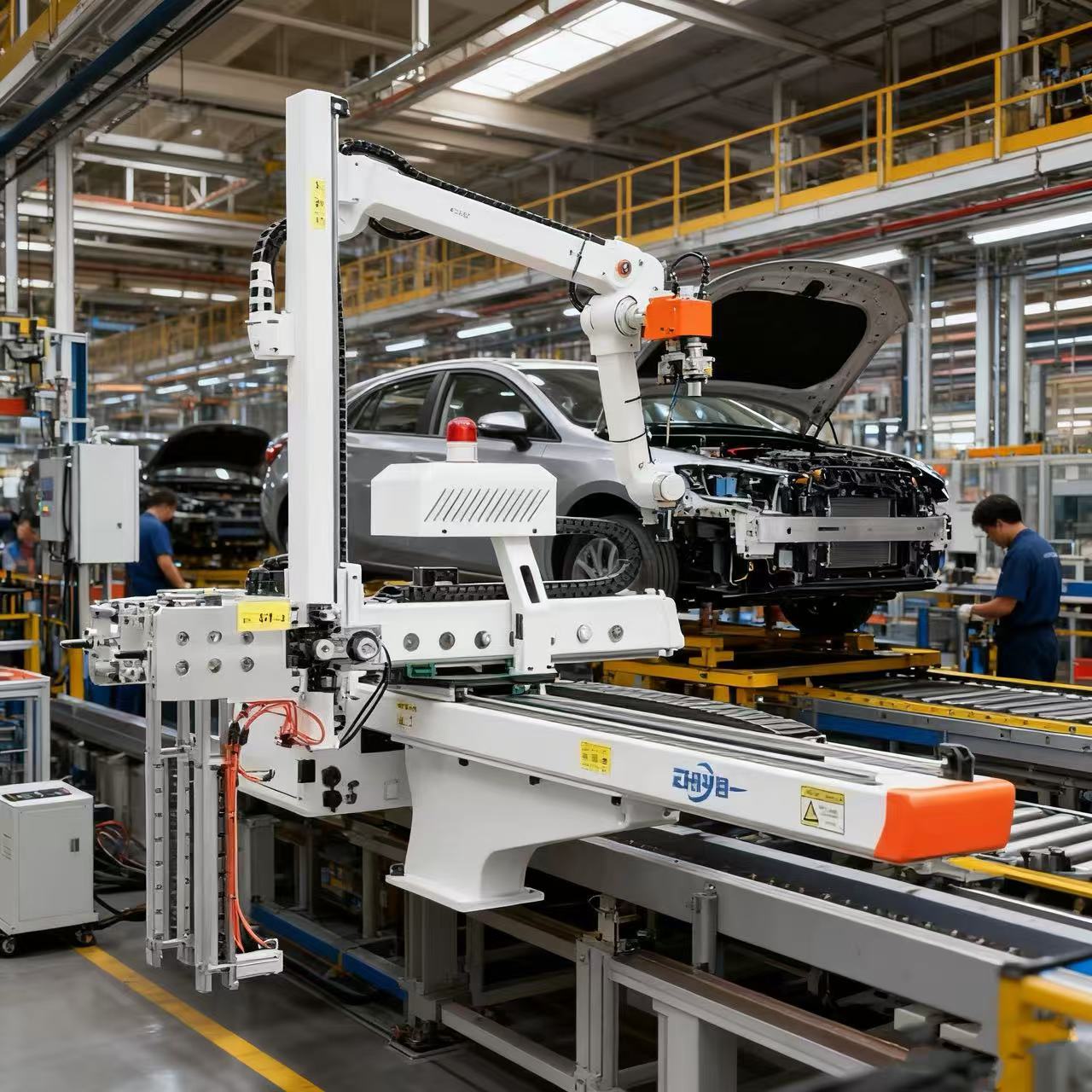
Fifth, Selection and Implementation Recommendations
Select components based on component characteristics:
Precision mechanical components (such as bearings): Prefer configurations with torque/pressure feedback.
Large, heavy-duty components (such as cylinders): Require high-load servo motors (recommended ≥500W).
Electronic components: Require anti-static modules and clean-grade end effectors.
Focus on production line integration: It is recommended to integrate with MES and visual inspection systems to achieve a closed "assembly-inspection-traceability" loop.
Allow flexibility: Choose a model with expandable axes (supporting upgrades to four/five axes) to accommodate future product iterations.
Sixth, Conclusion
Amid the automotive industry's shift toward electrification, intelligence, and lightweighting, three-axis servo robots have evolved from optional equipment to essential features. Whether assembling engines for traditional fuel-powered vehicles or integrating electronic components for new energy vehicles, they are reshaping the efficiency boundaries of component manufacturing with precision and efficiency.