Leave Your Message
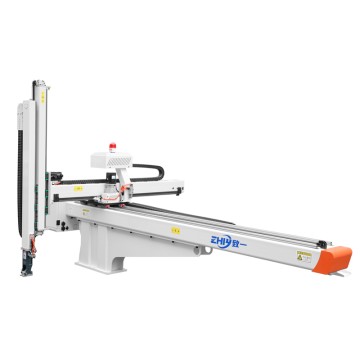
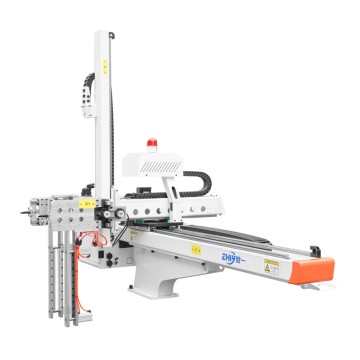
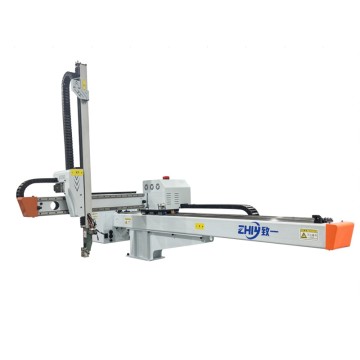
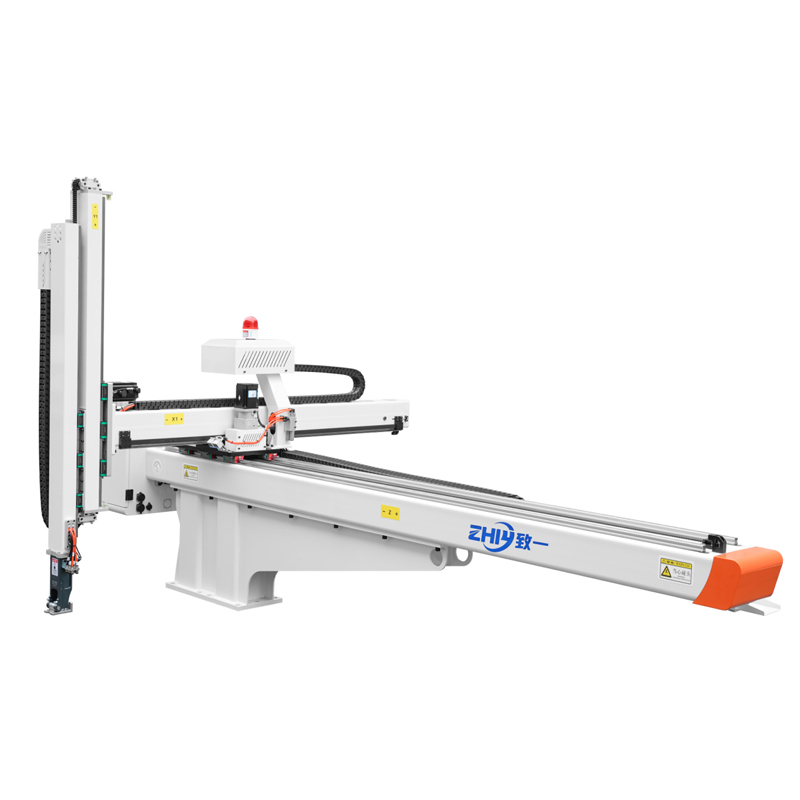
A Comprehensive Evaluation Method for Purchasing Five-Axis Servo Robots
A Comprehensive Evaluation Method for Purchasing Five-Axis Servo Robots
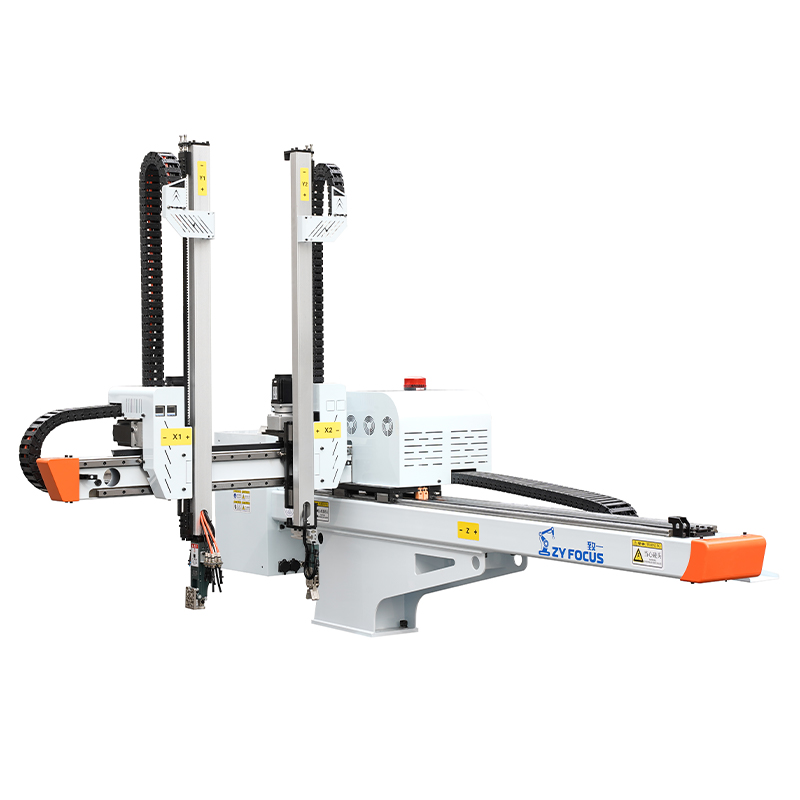
Amidst the wave of industrial automation upgrades, five-axis servo robots have become core equipment in precision manufacturing, automotive parts, electronic components, and other fields. However, due to their high technical complexity, high procurement costs, and diverse application scenarios, blindly purchasing them not only wastes resources but also potentially compromises production efficiency and product quality. This article will analyze the scientific approach to purchasing five-axis servo robots from five perspectives: "Requirements Definition - Parameter Evaluation - Supplier Screening - Cost Analysis - Risk Verification," helping companies accurately match requirements and mitigate decision-making risks.
I. Determine Requirements First: Clarifying "Application" is the core prerequisite for evaluation.
The first step in purchasing isn't comparing specifications, but identifying the application scenario. A five-axis servo robot's "overperformance" or "underperformance" can directly impact its return on investment. Requirements should be defined from three core perspectives:
Production Scenario Targeting: Clarify the robot's specific application. Is it for precision assembly, material handling, welding and cutting, or inspection and sorting? Different scenarios require significantly different accuracy, payload, and speed requirements for the robot. For example, chip assembly in the electronics industry requires ±0.005mm accuracy, while component handling in the automotive industry prioritizes load and stability.
Environmental Adaptation: Identify the specific requirements of the production environment, including temperature (e.g., high-temperature workshops require high-temperature-resistant servo motors), humidity (humid environments require waterproofing ratings of IP65 or higher), dust (encapsulated designs are required for dusty environments), and corrosion (corrosion-resistant materials are required for chemical environments). Ignoring environmental adaptability can significantly shorten the robot's service life.
Productivity and Compatibility Requirements: Calculate the robot's motion cycle based on the production line's cycle time (e.g., requiring 10 pick-and-place actions per minute). Also, determine whether the robot needs to be compatible with existing equipment (e.g., Cnc Machine tools, conveyors, and MES systems) to avoid compatibility issues.
II. Core Parameter Evaluation: Determine Compatibility Based on Technical Specifications
The performance of a five-axis servo robot is determined by key parameters. Focus on metrics that are "strongly relevant to the needs," rather than blindly pursuing "the highest possible parameters." The following six core parameters require verification:
Parameter Category Key Indicator Evaluation Points
Motion Performance Load Capacity: This must cover "workpiece weight + fixture weight." A 10%-20% load margin is recommended (e.g., if the workpiece weighs 5kg, select A Robot with a 6-7kg load capacity).
Positioning Accuracy/Repeatability: Positioning accuracy refers to the deviation between the target position and the actual position, while repeatability refers to the deviation between returning to the same position after multiple movements. Repeatability is prioritized for precision applications (e.g., ±0.003mm is better than ±0.005mm).
Motion Speed/Acceleration: Speed must match the production line cycle, as acceleration affects start-stop efficiency (high-speed applications require a high-dynamic servo system to prevent workpiece shaking during start-stop).
Servo System: Servo Motor Type: AC permanent magnet synchronous motors are the mainstream. Verify that the motor power and torque are suitable for the load (inadequate power can easily lead to overload shutdowns).
Drive Performance: The driver must support high-speed pulse control or bus control (e.g., EtherCAT bus, compatible with Industry 4.0). Requirements), and also include overload protection and fault diagnosis functions.
Structure and Reliability: Number and Material of Joints: For five-axis structures, the transmission method of each joint must be determined (e.g., harmonic reducer or RV reducer; RV reducers are more suitable for heavy loads and high rigidity). Aluminum alloy or high-strength steel (lightweight and deformation-resistant) is preferred for the chassis.
Mean Time Between Failures (MTBF): The industry average is over 10,000 hours. The longer the MTBF, the lower the maintenance costs.
III. Supplier Screening: Consider Not Just the Product, But Also the Service and Capability.
When purchasing a five-axis servo Robot Arm overseas, the choice of supplier directly impacts subsequent operational efficiency and risk management. A comprehensive assessment of the supplier's capabilities should be conducted from four perspectives:
Qualifications and Technical Accumulation: Prioritize suppliers with international certifications (e.g., ISO 9001 quality management system, CE certification, and UL certification to ensure compliance with target market safety standards). Also, consider the supplier's technical expertise, such as their independent R&D capabilities for core components (such as servo systems and reducers) to avoid after-sales delays caused by reliance on third-party parts.
Cross-border service capabilities: A core pain point of overseas procurement is slow after-sales response. It's important to confirm whether the supplier offers:
Localized service: For example, whether they have after-sales service outlets or partner service providers in the target market, and whether they can provide on-site repairs within 48 hours;
Remote support: Whether they offer online fault diagnosis and remote debugging services to reduce on-site maintenance costs;
Spare parts availability: Whether they have a local spare parts warehouse, and whether the lead time for key spare parts (such as servo motors and reducers) is within 7 days.
References and reputation: Suppliers should provide case studies from the same industry (e.g., supplying more than 50 robotic grippers to an automotive parts manufacturer). Verify their product stability and service quality through industry forums and customer reviews (e.g., Google Reviews and LinkedIn feedback) to avoid choosing small vendors with no case studies or reputation.
Customization capabilities: For specialized production scenarios (such as non-standard workpiece handling or special environment applications), it's important to confirm whether the supplier supports custom development, including fixture design, motion program optimization, and system integration, to avoid the problem of standardized products failing to meet individual needs.
IV. Cost Calculation: Look Beyond the "Purchase Price" and Calculate the "Life Cycle Cost"
The purchase cost of a five-axis servo robot only accounts for 30%-50% of the total life cycle cost. Ignoring ongoing maintenance, energy consumption, and downtime losses can significantly increase total costs. Costs should be calculated from three perspectives:
Explicit costs: These include the equipment purchase price, customs duties, transportation costs, and installation and commissioning fees (overseas installation and commissioning fees typically account for 5%-10% of the purchase price; confirm with the supplier in advance whether these are included in the quote).
Hidden Costs:
Maintenance costs: This includes spare parts replacement (for example, a reducer needs to be replaced every 20,000 hours, and the unit price can reach several thousand yuan) and regular maintenance (annual maintenance costs are approximately 2%-3% of the purchase price).
Energy costs: Calculated based on the servo motor power. For example, a 1.5kW motor running 8 hours per day costs approximately 10-15 yuan (based on industrial electricity prices), resulting in annual energy costs of approximately 3,600-5,400 yuan.
Downtime losses: If a robot arm failure causes a production line to stop, the hourly losses can reach tens of thousands of yuan (this calculation must be considered based on your own production capacity and product profit margins).
Cost comparison tips: When comparing quotes from different suppliers, request a "full lifecycle cost list" rather than just the purchase price. For example, if Supplier A's purchase price is 10% lower, but its spare parts prices are 20% higher and its MTBF is 30% lower, it may be less cost-effective than Supplier B in the long run.
V. Risk Verification: The "Last Line of Defense" Before Purchasing
Before signing a contract, verify the actual performance of the robotic arm through a "factory visit + sample testing" to avoid pitfalls:
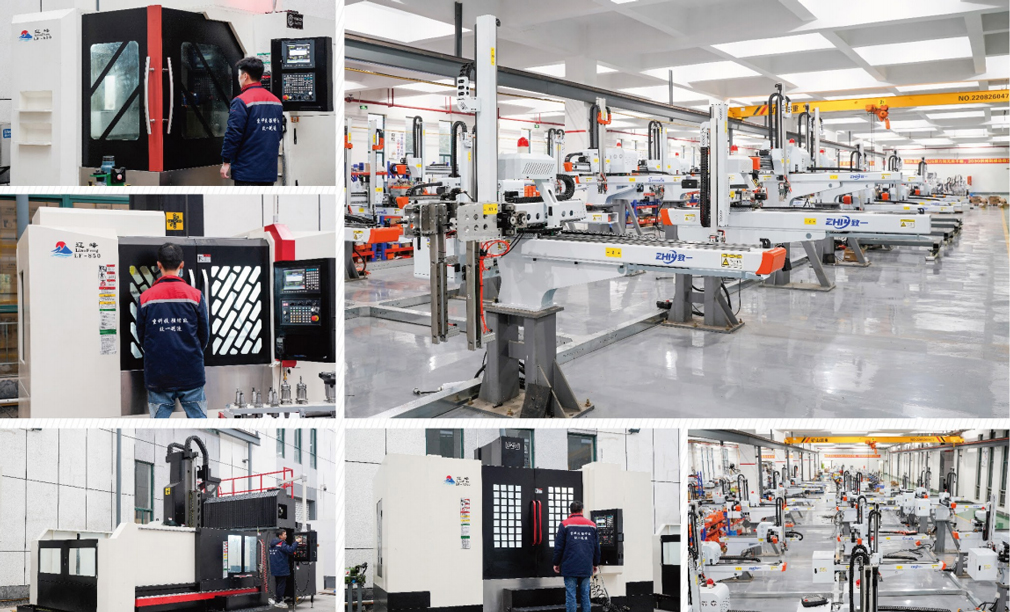
Factory Visit (Online/Offline): If conditions permit, it is recommended to visit the supplier's production workshop in person, focusing on:
Production Process: Whether there is a standardized assembly line and quality inspection process (e.g., whether each robotic arm undergoes 72 hours of continuous operation testing before leaving the factory);
R&D Capabilities: Whether there is an independent R&D team and whether core technologies can be demonstrated (e.g., dynamic response testing of servo systems).
If an in-person visit is not possible, request that the supplier provide a "factory live broadcast" or detailed production process video to avoid the risk of being a "shell company."
Sample Testing: Target your application scenario and have the supplier provide samples for field testing. Testing includes:
Performance Verification: Test load, accuracy, and speed under simulated working conditions to ensure they meet specifications (e.g., after grasping a target workpiece, use a laser measuring instrument to detect positioning deviation);
Compatibility Testing: Connect to existing equipment (e.g., CNC machine tools) to test stable signal transmission and smooth coordinated motion;
Fault Simulation: Simulate scenarios like overload and power outages to test the robot's protection functions and timely fault alarms.
Contractual Clause Risk Control: Specify the following clauses in the contract to reduce future disputes:
Warranty Period: While the industry's mainstream warranty period is 1-2 years, it is recommended that key components (servo systems, reducers) be extended to 3 years;
Acceptance Criteria: Specify the performance acceptance method (e.g., test reports from third-party testing agencies);
Breach of Contract Liability: The supplier's liability for compensation (e.g., returns, exchanges, and compensation for downtime) if the robot fails to meet specifications.
Conclusion: The core of a comprehensive evaluation is "matching," not "optimality."
When purchasing a five-axis servo robot, the goal isn't to choose the product with the "highest specifications and lowest price," but rather to find the solution that best matches your needs. From requirements definition to risk assessment, every step of the evaluation must be centered around "scenario suitability, cost control, and risk mitigation." Only by integrating technical specifications, supplier capabilities, and full lifecycle costs can the goal of "purchase once, enjoy long-term benefits" be achieved.